China’s Robotics Surge Is Rewriting the Global Manufacturing Map
China’s rapid expansion in industrial robotics is reshaping global manufacturing, with more than 290,000 robots installed in a recent year and increasingly sophisticated AI-enabled systems driving high-speed, precise production. The boom is first pressuring Asian supply chains and then challenging Western manufacturers, as Chinese firms offer comparable automation at lower cost and are expected to keep widening their lead through 2027.


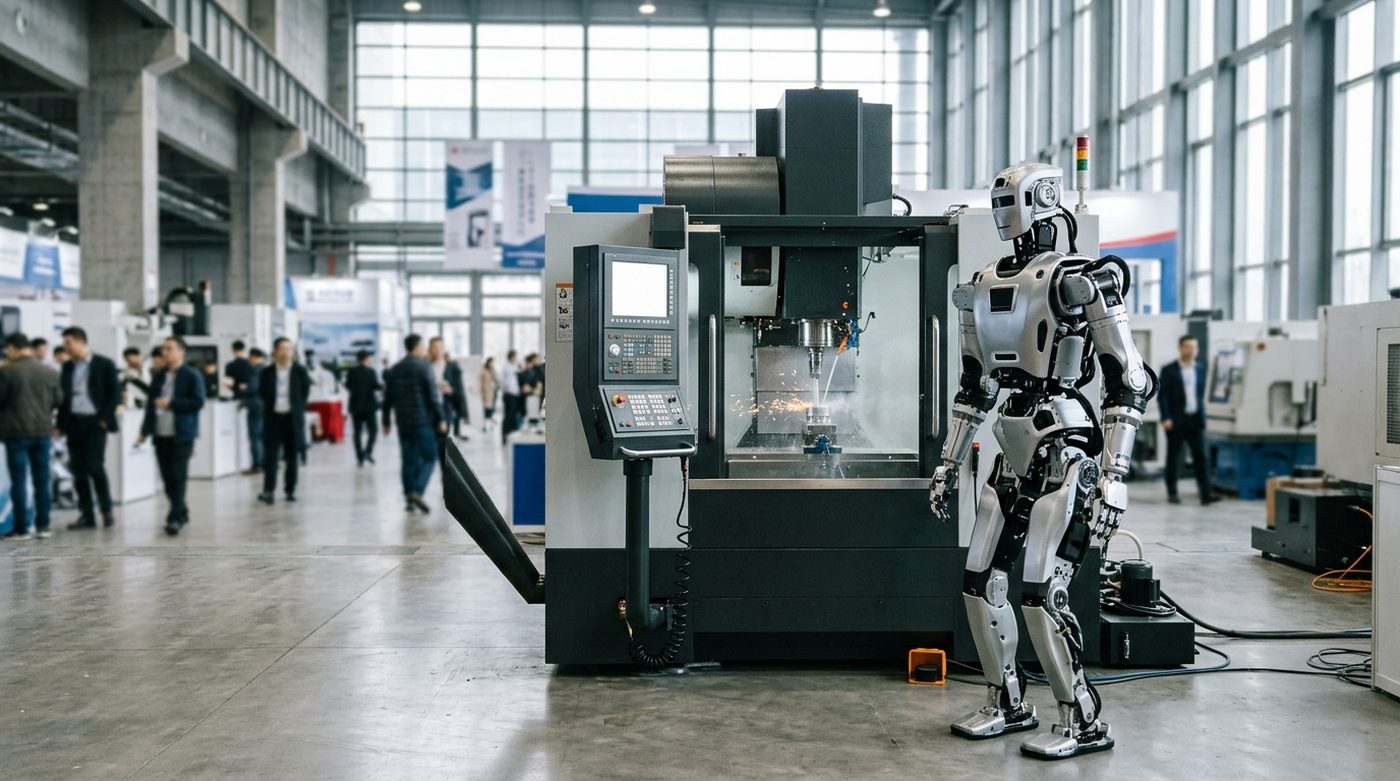
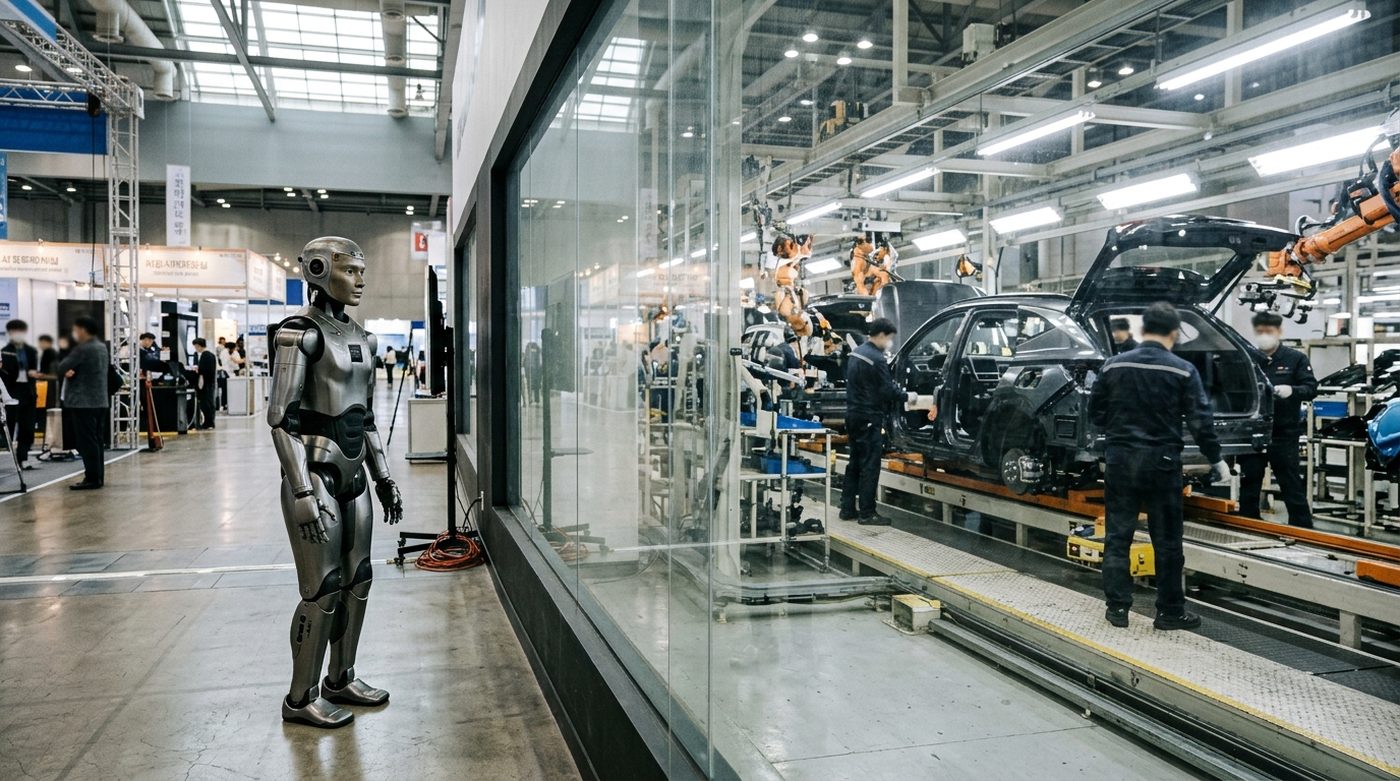
China’s surge in industrial robotics is transforming factory floors from Shenzhen to Shanghai, outpacing global competitors with record installations and deeper integration of artificial intelligence. This expansion carries immediate ripple effects across Asia before pressuring Western manufacturers to adapt or lose ground in precision assembly and automotive sectors.

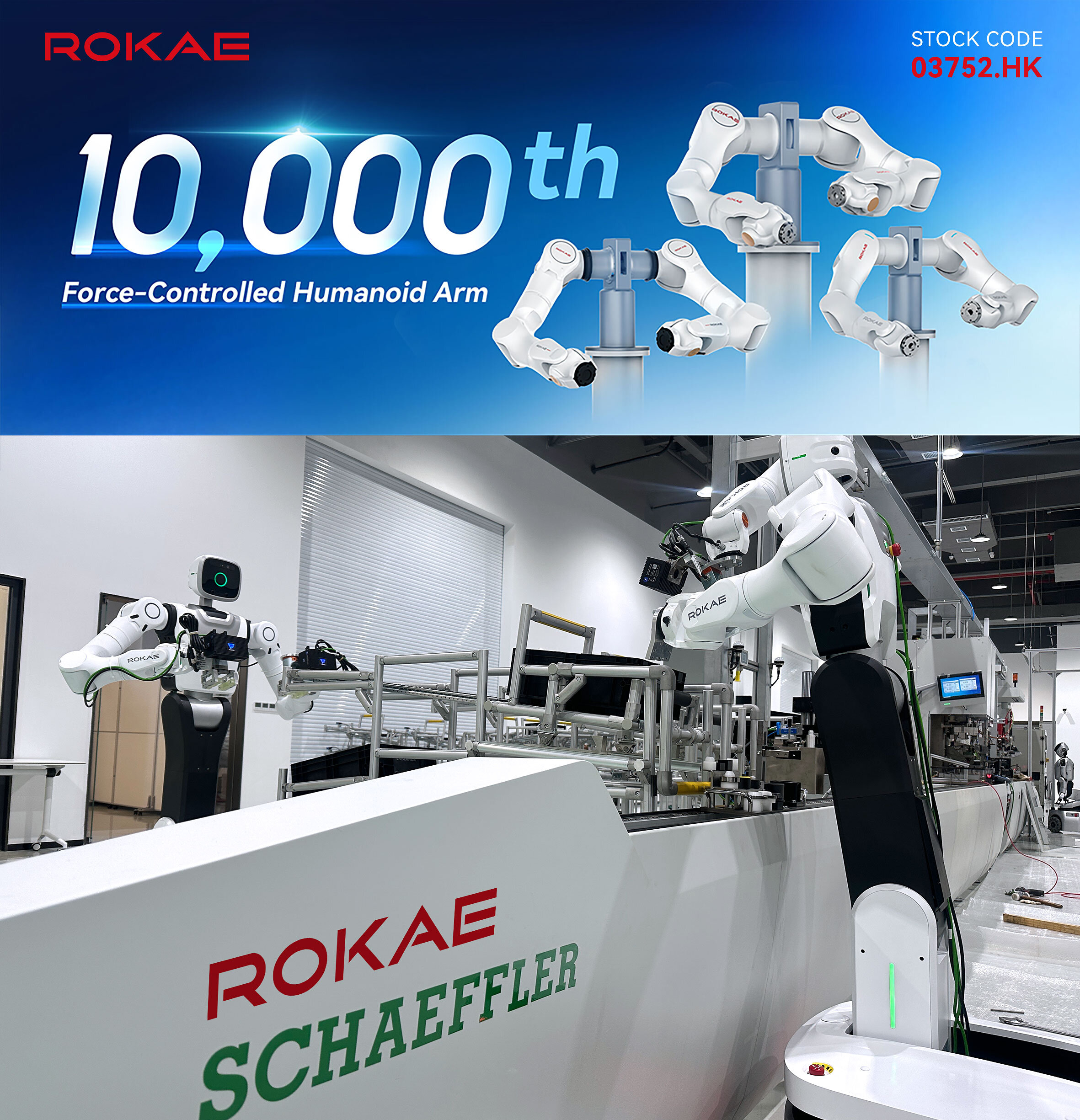
China installed over 290,000 industrial robots in a recent year, accounting for more than half of global deployments according to International Federation of Robotics data. These systems now incorporate advanced vision algorithms and collaborative arms capable of handling delicate components at speeds exceeding 2 meters per second while maintaining micron-level accuracy.
Asia’s Factory Landscape Shifts First
Regional suppliers in Vietnam, Thailand, and South Korea face both opportunities and consolidation as Chinese robotics clusters scale rapidly. Local firms gain access to affordable automation kits, yet many traditional assembly lines risk displacement when Chinese exporters bundle robots with turnkey AI software.
What impact will this have on smaller Asian economies?
Many Southeast Asian manufacturers are accelerating robot adoption to stay competitive in electronics supply chains.
How quickly are capabilities advancing?
Modern Chinese robots now feature reinforcement learning modules that allow real-time adaptation to new product variants without lengthy reprogramming.
Western Rivals Confront Rising Scale Pressure
European and North American automation companies encounter stiffer bidding contests as Chinese platforms deliver comparable payload capacities at 30-40 percent lower cost. This dynamic forces legacy players to emphasize proprietary software ecosystems and service networks rather than hardware alone.
China’s decision to embed AI-powered robots as a national strategic priority is accelerating deployment timelines that Western firms once expected to control for another decade.

Technical Edge and Future Trajectory
Key platforms integrate 5G-enabled edge computing with force-torque sensors that detect micro-vibrations during high-speed welding. These features support zero-defect production rates above 99.7 percent in consumer electronics lines, metrics previously achieved only by specialized Japanese and German systems.
What timeline do analysts project?
China is expected to maintain annual growth above 15 percent in new installations through 2027, widening the installed base gap with all other regions combined.
Will Western firms retain niche leadership?
Specialized medical and aerospace segments still favor established brands, yet volume markets in automotive and logistics are tilting decisively toward scaled Chinese offerings.
The story is evolving quickly as policy incentives and private investment continue to converge on robotics as the backbone of future manufacturing competitiveness.
News reference: CSIS China Power (posted October 2023), International Federation of Robotics (posted September 2023), SCMP Robotics (posted November 2023)