China’s Robotics Boom Is Reshaping Asia’s Manufacturing Race
China is rapidly advancing robotics and embodied AI through strong state backing and private-sector innovation, with factories already using low-cost, highly precise machines that can learn new tasks quickly and cut defect rates. Its cost and speed advantages are pushing Japan, South Korea, and Southeast Asia to adapt, while Western manufacturers face growing pressure to close the gap in mid-tier automation.

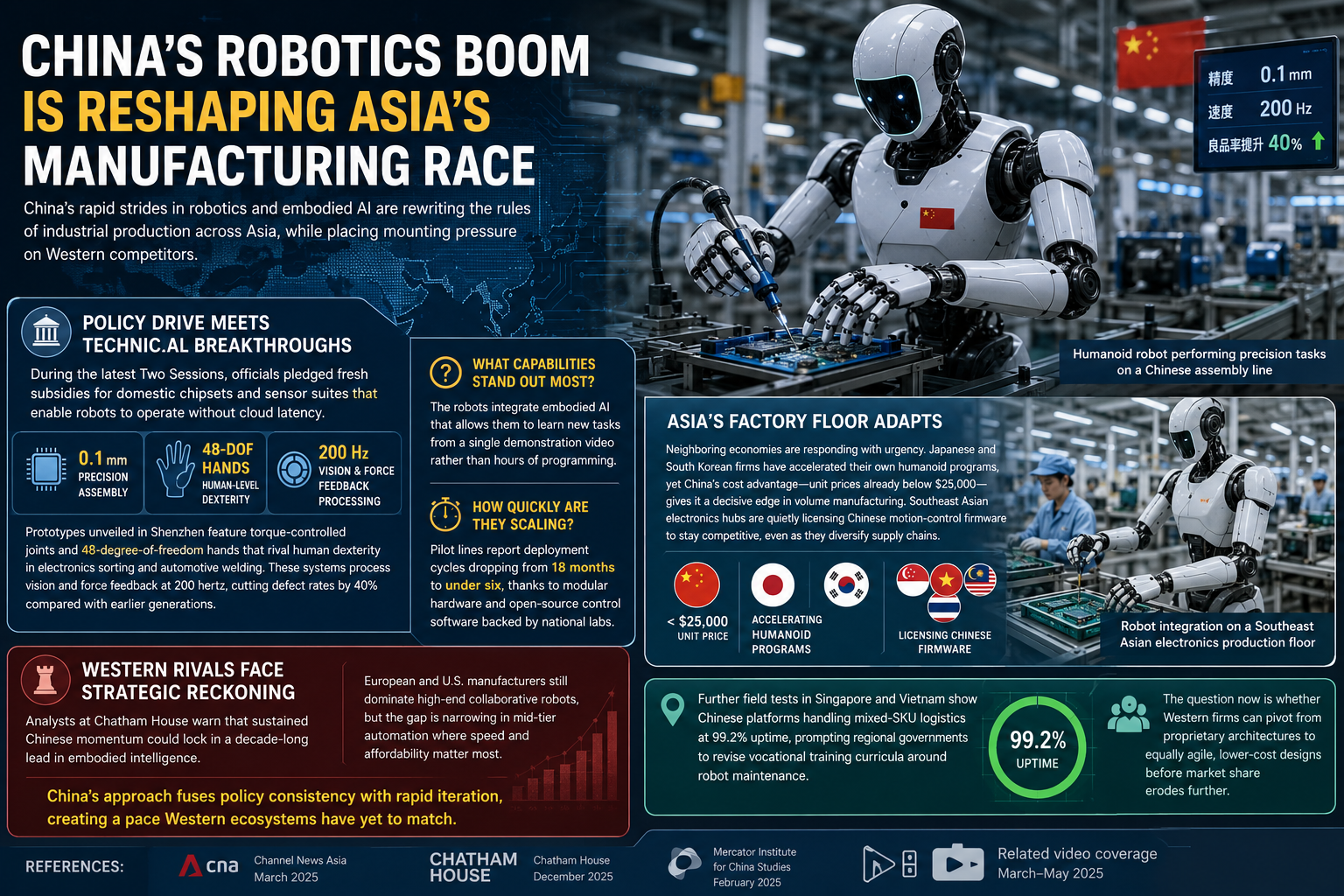
China’s rapid strides in robotics and embodied AI are rewriting the rules of industrial production across Asia, while placing mounting pressure on Western competitors. Recent policy signals from Beijing’s Two Sessions and breakthroughs in humanoid platforms underscore a coordinated push that blends state support with private-sector innovation. Factories in Guangdong and Jiangsu are already deploying next-generation machines capable of 0.1-millimeter precision assembly and real-time adaptive learning through multimodal AI models.

Policy Drive Meets Technical Breakthroughs
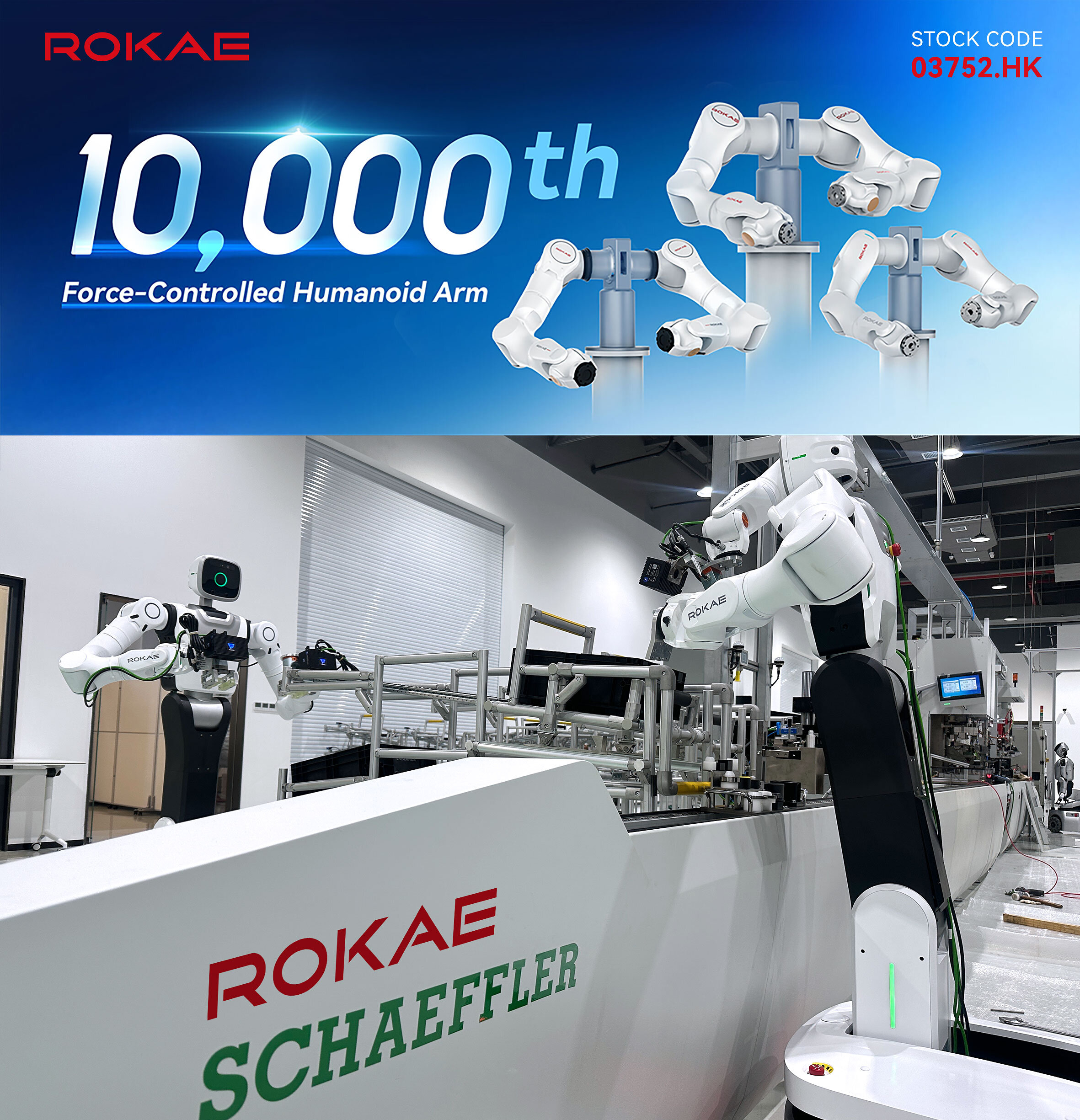
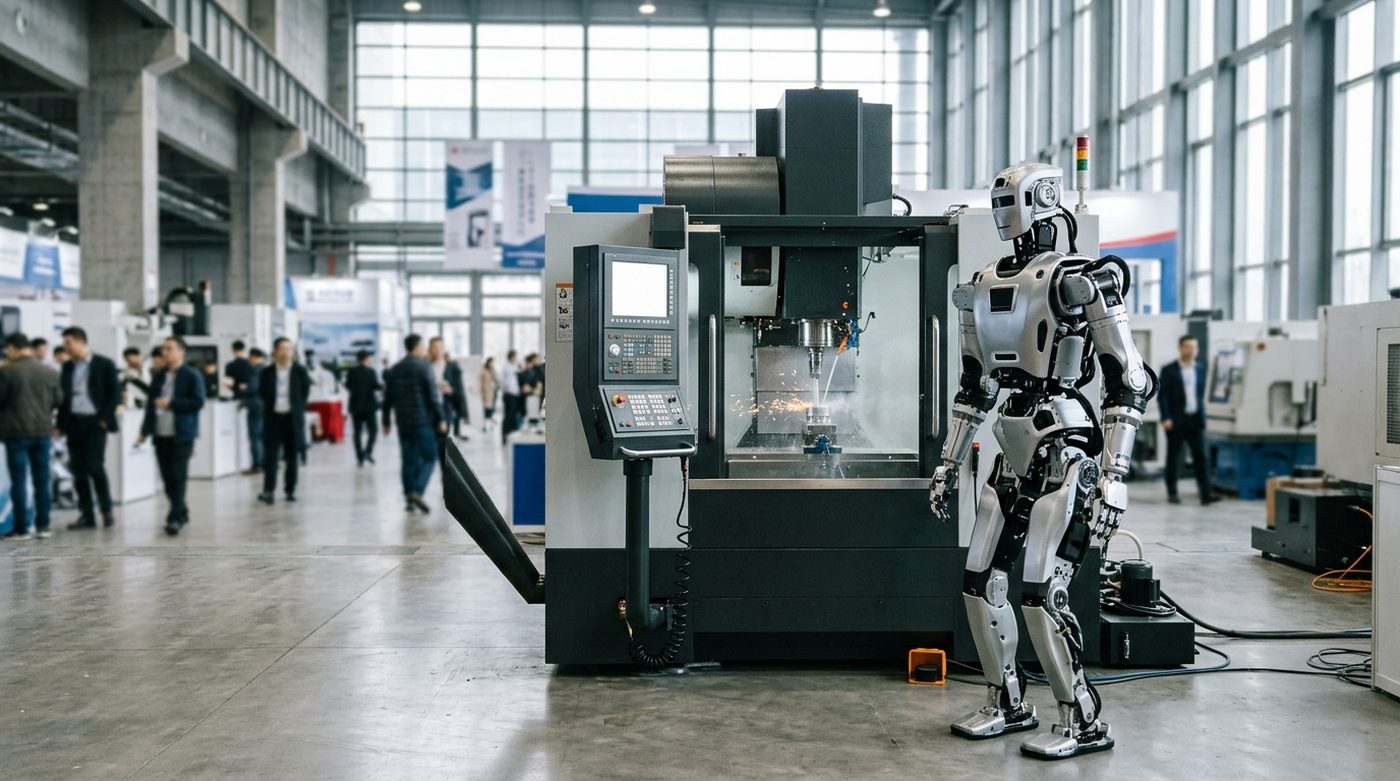
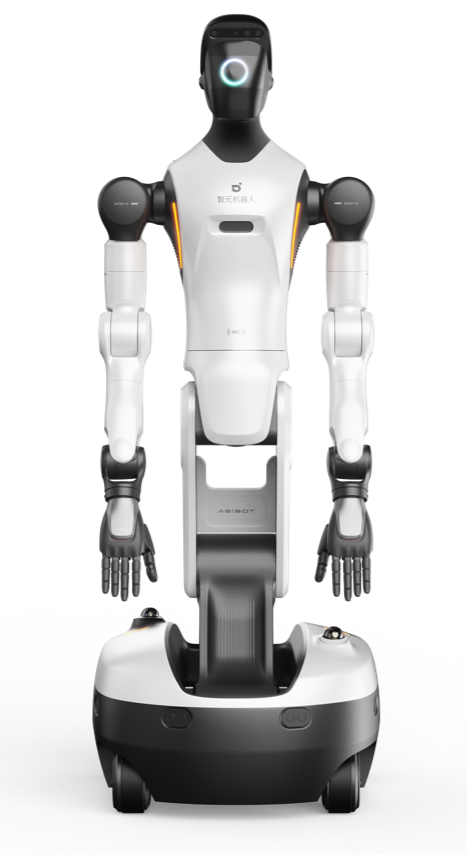
During the latest policy sessions, officials pledged fresh subsidies for domestic chipsets and sensor suites that enable robots to operate without cloud latency. Prototypes unveiled in Shenzhen feature torque-controlled joints and 48-degree-of-freedom hands that rival human dexterity in electronics sorting and automotive welding. These systems process vision and force feedback at 200 hertz, cutting defect rates by 40 percent compared with earlier generations.
What capabilities stand out most?
The robots integrate embodied AI that allows them to learn new tasks from a single demonstration video rather than hours of programming.
How quickly are they scaling?
Pilot lines report deployment cycles dropping from 18 months to under six, thanks to modular hardware and open-source control software backed by national labs.
Asia’s Factory Floor Adapts
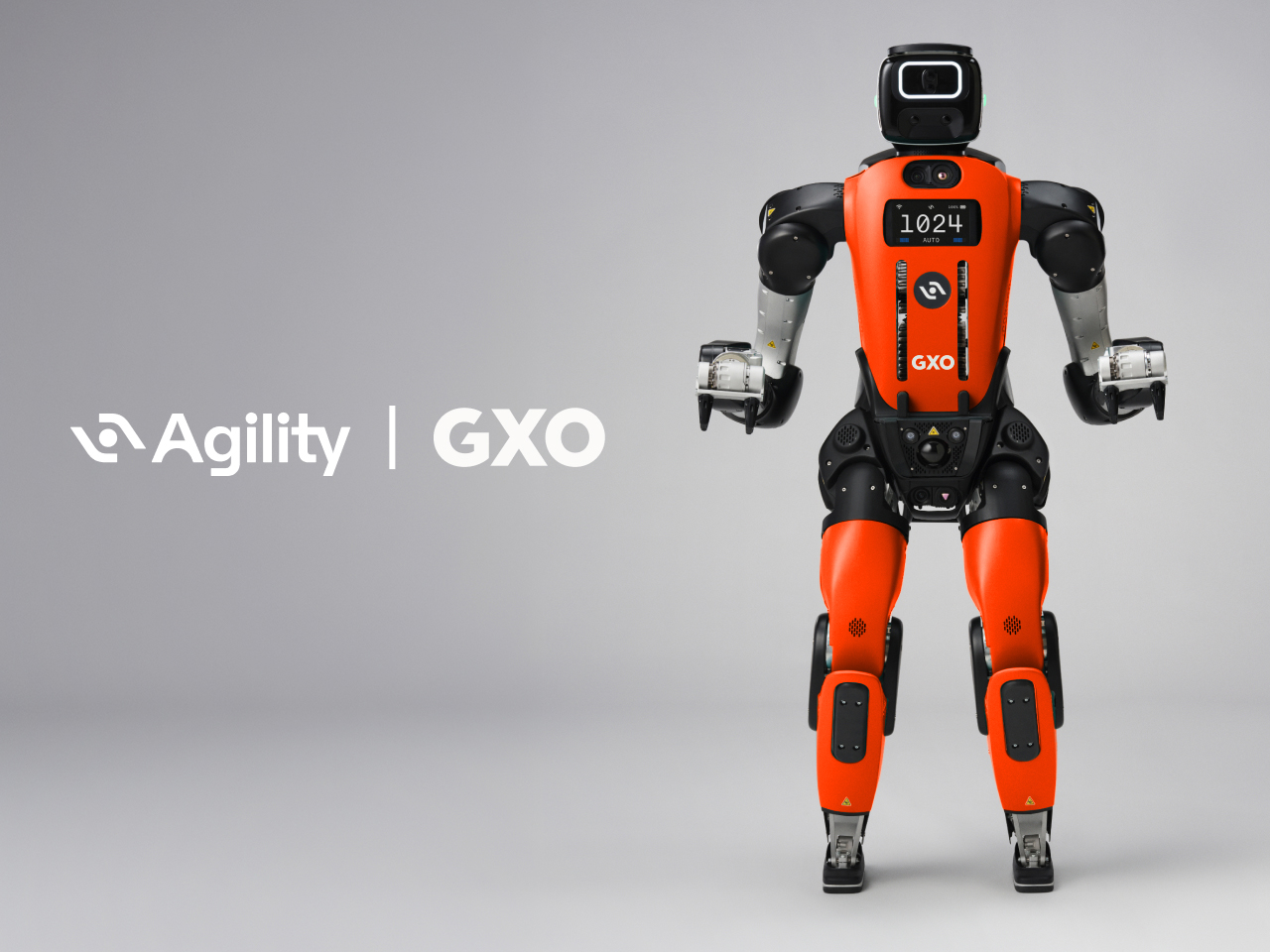
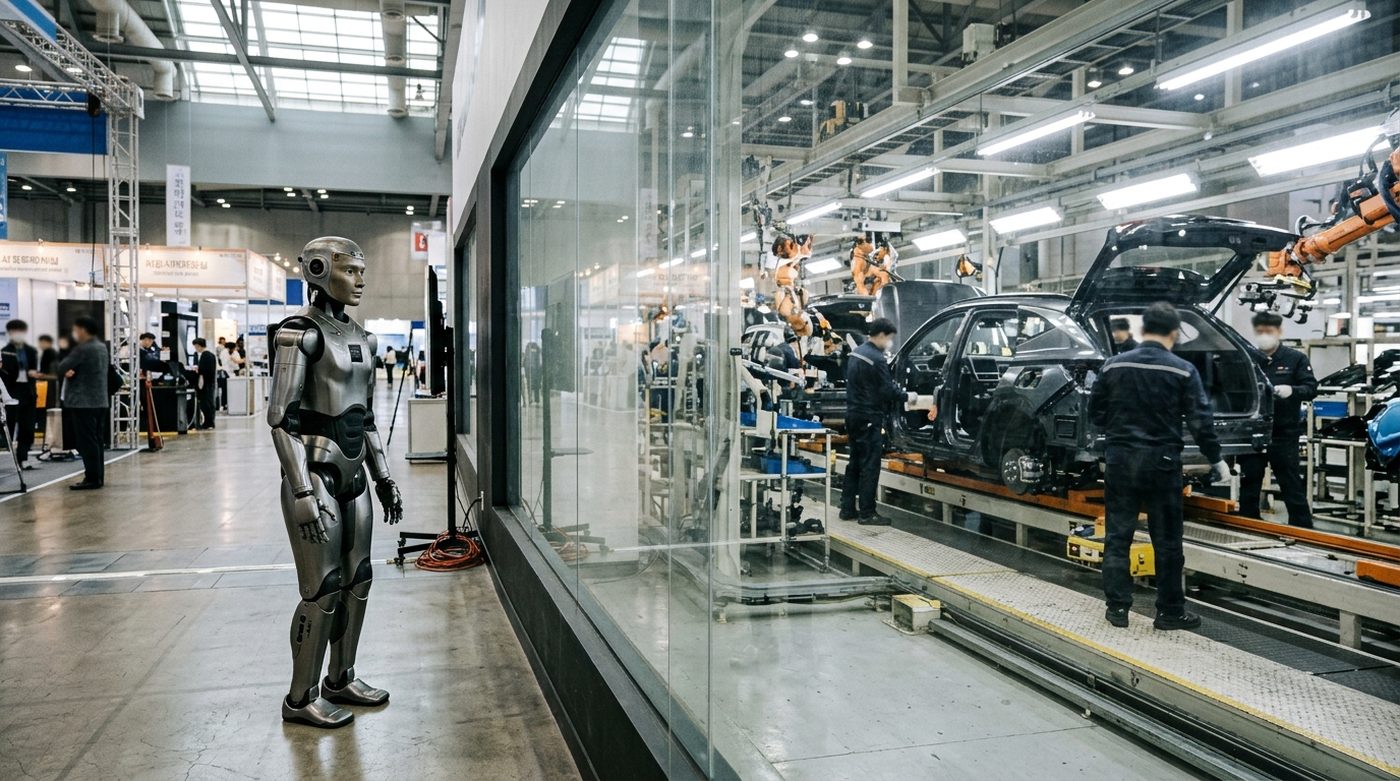
Neighboring economies are responding with urgency. Japanese and South Korean firms have accelerated their own humanoid programs, yet China’s cost advantage—unit prices already below $25,000—gives it a decisive edge in volume manufacturing. Southeast Asian electronics hubs are quietly licensing Chinese motion-control firmware to stay competitive, even as they diversify supply chains.
Western Rivals Face Strategic Reckoning
Analysts at Chatham House warn that sustained Chinese momentum could lock in a decade-long lead in embodied intelligence. European and U.S. manufacturers still dominate high-end collaborative robots, but the gap is narrowing in mid-tier automation where speed and affordability matter most.
China’s approach fuses policy consistency with rapid iteration, creating a pace Western ecosystems have yet to match.

Further field tests in Singapore and Vietnam show Chinese platforms handling mixed-SKU logistics at 99.2 percent uptime, prompting regional governments to revise vocational training curricula around robot maintenance. The question now is whether Western firms can pivot from proprietary architectures to equally agile, lower-cost designs before market share erodes further.
References: Channel News Asia (posted March 2025), Chatham House (posted December 2025), MERICS (posted February 2025), and related video coverage from the same period.