Guangdong Is Counting Robots by Mailing Address, Not by Shift
Guangdong's "Top 10" humanoid cluster mixes a real, checkable factory deal with a smartphone maker that has never named a robot worksite and an appliance giant whose flagship humanoid was built for a factory in a different province. The mismatch shows what a provincial robot count actually measures: company registration, not company deployment.

Guangdong's "Top 10" humanoid cluster, the province's own grouping of home-grown robotics companies, referenced again in coverage of Tuesday's AI Application Matchmaking Conference in Guangzhou, includes a smartphone brand with no disclosed robot deployment date anywhere and an appliance maker whose most concrete humanoid production run was announced for a factory in a different province entirely. Neither fact appeared anywhere in the province's own framing of the event.
That is the thesis, so it earns its own line: a provincial robot count built around company headquarters is not the same measurement as a provincial robot count built around company deployments, and Guangdong's Tuesday conference quietly substituted the first for the second.
I maintain the company and robot taxonomy that sits underneath a platform like this one, which means matching a manufacturer's registration to its product line to its actual, named worksite is a daily task, not a one-off exercise. The discipline that work forces on a person is unglamorous but specific: headquarters address, product status, and deployment site are three separate fields, and they frequently disagree with each other. Guangdong's own numbers this week are a clean example of what happens when a government press event collapses all three into one.
What Tuesday's Conference Actually Counted
The province says it already has more than 2,000 humanoid and embodied-AI robots working inside its factories, with a stated target of over 3,000 by the end of 2026. Eight projects signed at Tuesday's event, worth a combined RMB 75 million (approximately US$10.5 million), are expected to add more than 600 robots to live operating sites. The most concrete of those eight is a deal between CrossDimension, a Shenzhen-based maker of the DexForce W1 Pro general-purpose humanoid, and Boshuoda, a battery-manufacturing subsidiary of Shenzhen-headquartered Sunwoda, to bring robots onto a new-energy battery production line. That is a real signing, with a named buyer, a named product, and a stated industrial application.
Sitting alongside that signing was a separate list, the province's own "Top 10" humanoid cluster, a roster local coverage has assembled from companies the government treats as its home-grown robotics bench: pure-play manufacturers such as CrossDimension and Zhiping Square, an established, already-public robotics company in UBTech, a well-funded specialist in Zhuji Dynamics (the transliteration of LimX Dynamics, which closed a roughly US$200 million pre-IPO round earlier this year), and two names that build almost nothing else in robotics for a living: the smartphone maker Honor and the appliance and industrial-automation group Midea.
A cluster list like that is not dishonest on its face. Both Honor and Midea are legitimately headquartered in Guangdong, Honor in Shenzhen and Midea in Shunde, Foshan, and both have real, publicly disclosed humanoid programs. The problem is what the list is doing rhetorically: presenting registration as if it were production.
A Robot Announced for a Shift in Another Province
Midea's clearest humanoid claim to date is MIRO U, a six-armed, wheel-based robot the company unveiled in December 2025 at the Greater Bay Area New Economy Forum. Midea's own chief technology officer, Wei Chang, said at that launch that the robot was expected to improve production-line changeover efficiency by roughly 30 percent once it went to work, and the company said it planned to put MIRO U into service at its washing-machine plant in Wuxi before the end of that month.
Wuxi is in Jiangsu province. It is not in Guangdong.
Midea's corporate address, its enormous robotics manufacturing base built around its Kuka acquisition, and its listing on the Shenzhen Stock Exchange are all rooted in Guangdong, and that is precisely why the province can claim Midea as one of its own for cluster-branding purposes. But the one specific, dated, executive-quoted production deployment the company has put a robot and a factory name to sits in a province Tuesday's conference never mentioned. A reader who takes "Guangdong's humanoid cluster" to mean "robots working inside Guangdong" is trusting a number that, for Midea's own flagship humanoid at least, was never true.
A Reveal With No Worksite to Check at All
Honor's case is simpler and, in a way, more revealing. The company unveiled its first humanoid robot at Mobile World Congress in Barcelona on March 1, 2026, describing three intended use cases: shopping assistance, workplace inspection, and what the company called supportive companionship. Honor's own announcement did not name a factory, a store, a pilot site, or a date by which any of those three scenarios would move from demonstration to deployment.
Nearly seven months later, no update has surfaced. That absence is worth sitting with for a moment, because it is not a minor gap. A company can be genuinely headquartered in a province, genuinely working on a real robot, and genuinely have nothing to add to that province's deployment count, and all three of those things were true of Honor on Tuesday. Its presence on the "Top 10" list measures ambition and a Shenzhen mailing address. It does not measure a single robot doing a single shift.
Where the Local Claim Actually Holds Up
None of this means Guangdong's broader deployment story is fabricated. The CrossDimension-Boshuoda battery-line signing is specific enough to check against reality over the coming months: a named robot model, a named factory owner, a stated application. UBTech has been shipping and servicing humanoid and service robots for years, with a public listing and a product history a reader can independently verify rather than take on the province's word. Zhuji Dynamics has outside investors who did their own diligence before writing a nine-figure check. Those three anchors describe an actual, checkable industrial base.
What they do not do is validate the province's own arithmetic. When a government aggregates "our home-grown robotics sector" by company registration, it inflates the apparent depth of a cluster by folding in every diversified conglomerate that happens to keep its tax address local, whether or not that conglomerate's robots ever touch the ground there. A cluster count is a claim about where companies file paperwork. A deployment count is a claim about what a robot does on a Tuesday. Guangdong's own Tuesday conference used language that implied the second while assembling a list that measures the first.
Why the Substitution Won't Hold Forever
The same week Guangdong staged this event, China's National Development and Reform Commission used its own September briefing to warn the country's robotics sector against speculative overbuilding, urging companies and local governments to prioritize practical, revenue-generating deployment over headline-driven growth. Read against Tuesday's conference, that warning lands closer to home than it might first appear. A registration-based cluster list is exactly the kind of headline number the NDRC is describing: cheap to assemble, flattering to announce, and disconnected from whether the robots being counted are actually earning their keep on a factory floor anywhere, let alone in the province claiming them.
The fix is not complicated, and it is one this site's own taxonomy work already forces on a much smaller scale: report the headquarters, report the deployment site, and never let one stand in for the other. Guangdong's 600-robot figure tied to Tuesday's eight signed projects is the number worth tracking precisely because it names a buyer and a location. Its broader "Top 10" cluster claim is worth tracking for the opposite reason: over the next year, watch which of those ten companies add a second, third, and fourth named Guangdong worksite to go with their Guangdong mailing address, and which ones never do.
This column reflects the author's own analysis based on public company and government disclosures current as of September 23, 2026. It is for general information purposes only and does not constitute investment, financial, or legal advice.
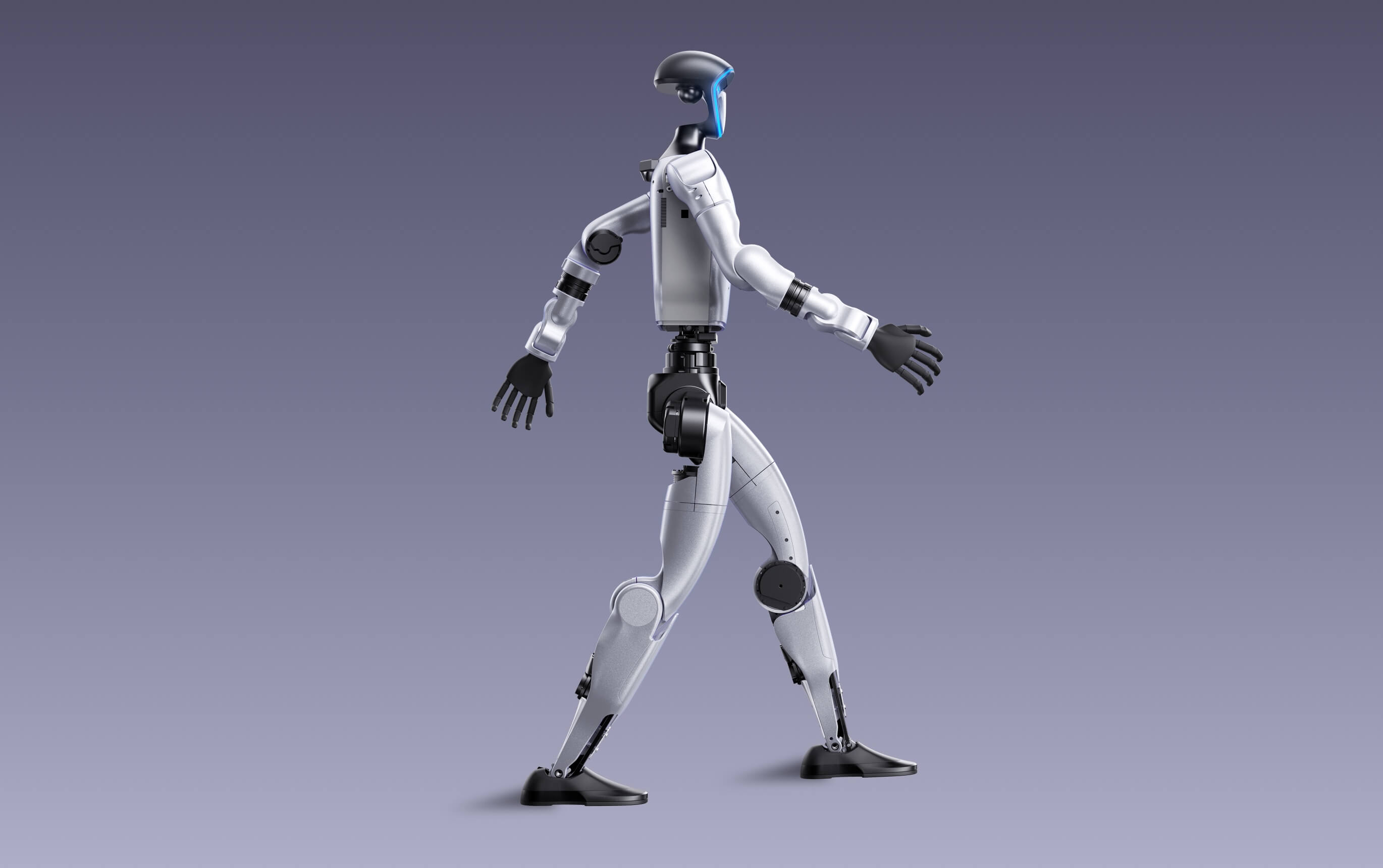
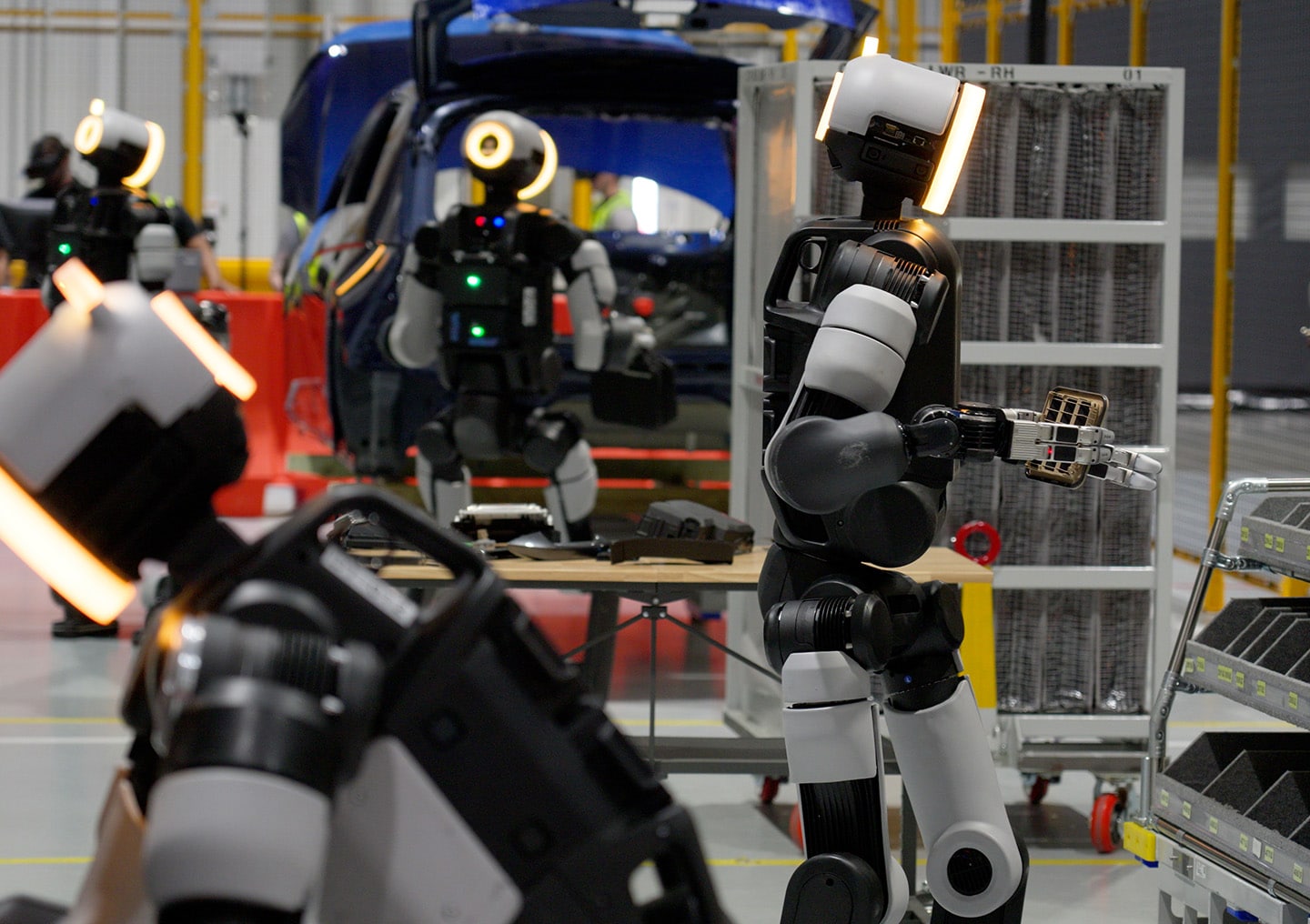
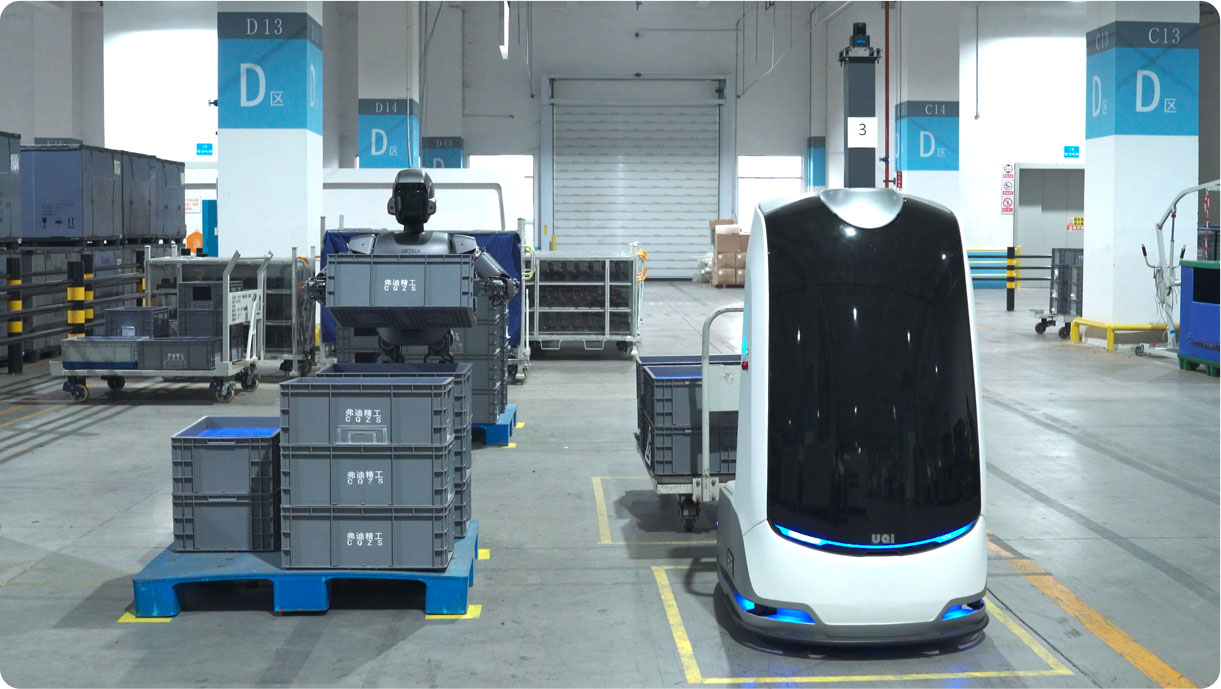
Hero image: UBTech Walker S1 humanoid robot deployed on a factory floor. Credit: UBTech.