
AI & Robotics
Our AI & Robotics in-depth articles
263 articles found • Page 12 of 22
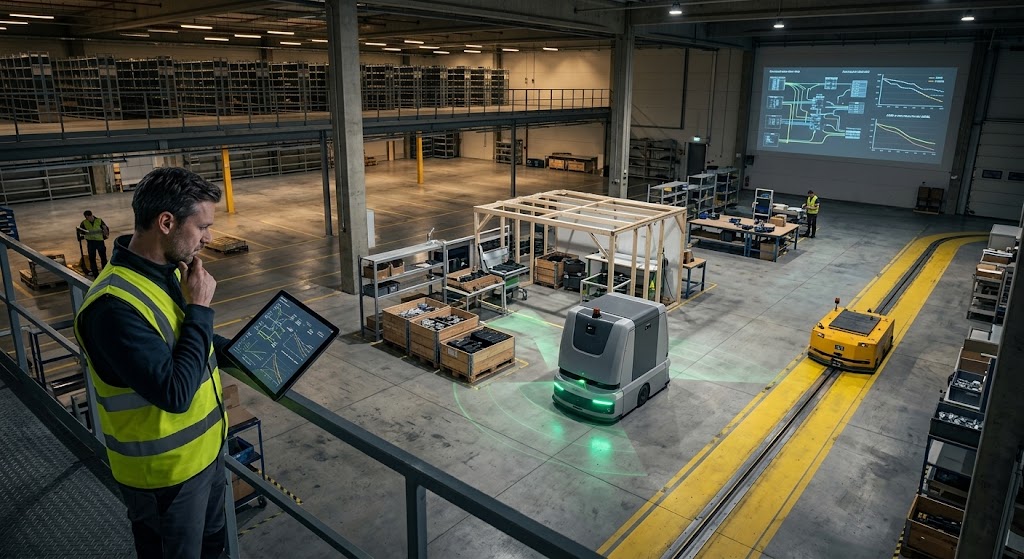
AMR vs AGV: The Difference Is Not Intelligence - It Is Who Pays for Change
Every AMR vendor will tell you AGVs are obsolete. The data does not agree. When Interact Analysis revised its mobile robot forecast in 2025, it cut large-format AMR shipments harder than it cut AGVs. The two technologies are not competing on a ladder of intelligence. They are competing on a single question: how often does your floor plan change? Most buyers are answering the wrong question.
Leading the Pack: The Top 5 Humanoid Robot Brands Worldwide
A buyer-focused competitive map of five evidence-qualified humanoid brands, using official customer, exchange, procurement, and regulatory records rather than unsupported market-share claims.
Budgeting for a Humanoid Robot: Current Market Prices Explained
Official public-award records provide budget references for humanoid robots, but only when buyers normalize configuration, integration, support, and regulatory scope.

SpaceX's US$60 Billion Cursor Deal Completes the Robotics Software Stack
SpaceX's US$60 billion all-stock purchase of Anysphere, maker of the AI coding agent Cursor, gives one corporate family the rockets, the compute, the frontier models, and the tools engineers use to write robot software. This analysis examines what the June 16 deal means for embodied AI development, the dependency risks it creates for robotics startups, and the two-stack world now forming between the United States and China.
From Factory Floor to Warehouse: How Humanoid Robots Are Deployed
Official-source case evidence from automotive manufacturing, consumer electronics and contract logistics shows where humanoid deployment is becoming operationally testable: bounded tasks, stable interfaces, and measurable pilot gates.

Navigating the Different Classes of Humanoid Robots
Humanoid robots are not one procurement category. This guide separates stationary upper-body systems, wheeled hybrids, bipedal industrial humanoids, and frontier whole-body platforms by mobility, manipulation, facility redesign, safety, integration, and buyer diligence.
The Fundamentals of Humanoid Robot Technology Explained
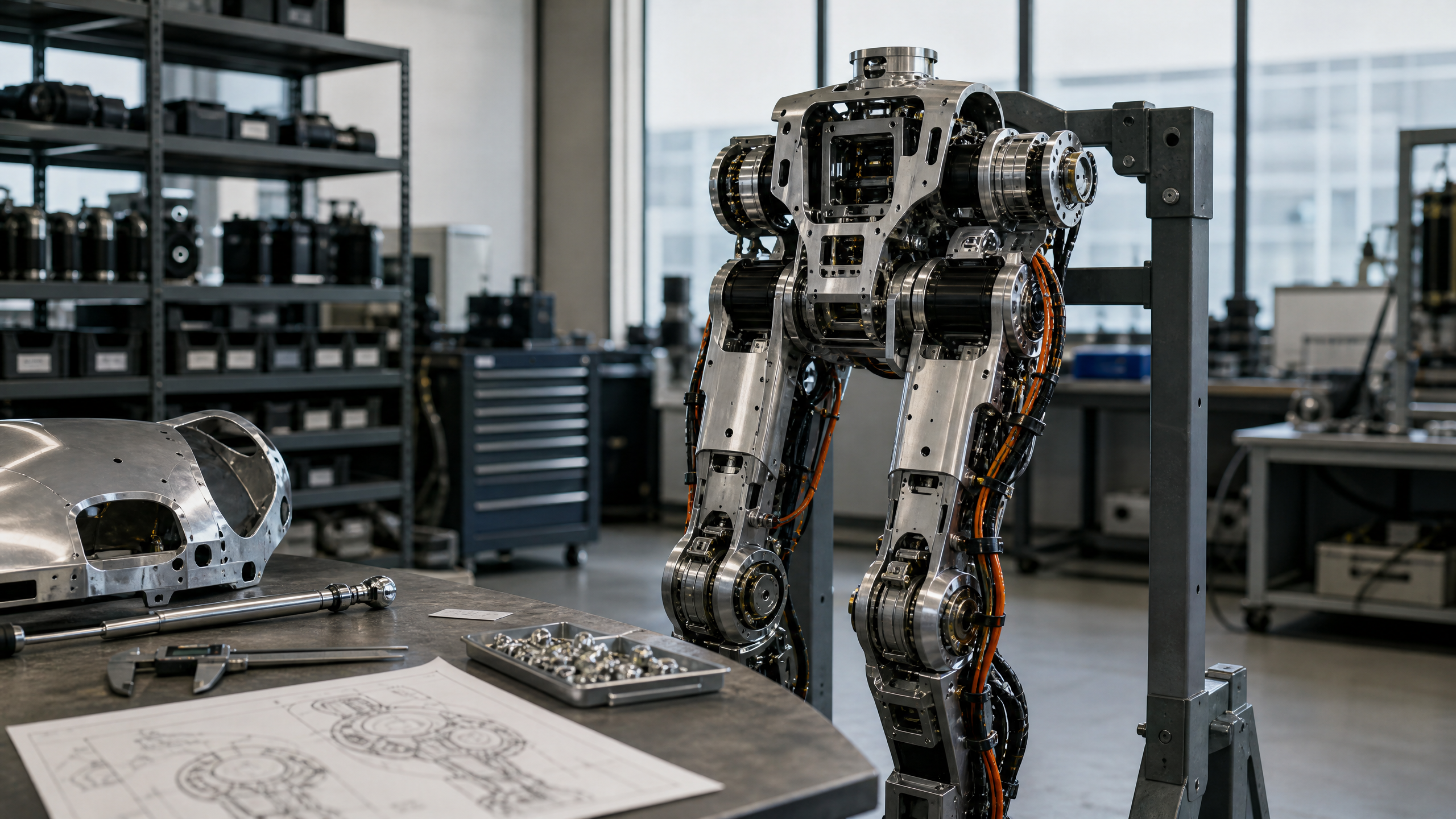
In July 2026 the International Organization for Standardization published a method for measuring how well a legged robot walks, and stated in terms that it is not intended for verifying safety. In the same month, the first safety standard written for machines that need active control to stay upright remained at close of comment period, unpublished and uncertifiable. A humanoid buyer in 2026 can benchmark walking performance against an international method and cannot certify safety against one. Post 1 of our humanoid series builds the foundations from the official record only: the standards bodies that define the machine, the exchange filing that defines its components under regulatory supervision, and the statistical apparatus that does not yet count it. The defining property comes from a standards body rather than a supplier. A machine with actively controlled stability requires active control in order to remain balanced and could become unstable in the absence of power. An industrial arm that loses power stops. A humanoid that loses power falls. Everything commercially distinctive about the asset class descends from that fact. The article asserts no market size, no unit forecast and no price, because no official source publishes one.

Weekly Robotics Funding Wrap-Up: The Public Market Pricing Event
The first week of August 2026 transformed the financial landscape of embodied artificial intelligence from private speculation to public valuation. With Unitree pricing a nine billion dollar initial public offering in Shanghai and AgiBot targeting a six billion dollar listing in Hong Kong, the market is finally establishing hard benchmarks for hardware production and software reasoning.

Weekly Exhibitions Wrap-Up: The Global Stress Test
The first week of August 2026 served as a synchronized global stress test for embodied artificial intelligence, with major convenings in Las Vegas, Beijing, Tsukuba, and Malmo evaluating different layers of the technology stack. The simultaneous focus on enterprise deployment, autonomous competition, data collection, and algorithmic efficiency indicates that the ecosystem has moved beyond localized research into coordinated global commercialization.
Weekly Technology Wrap-Up: The Data Collection Bottleneck
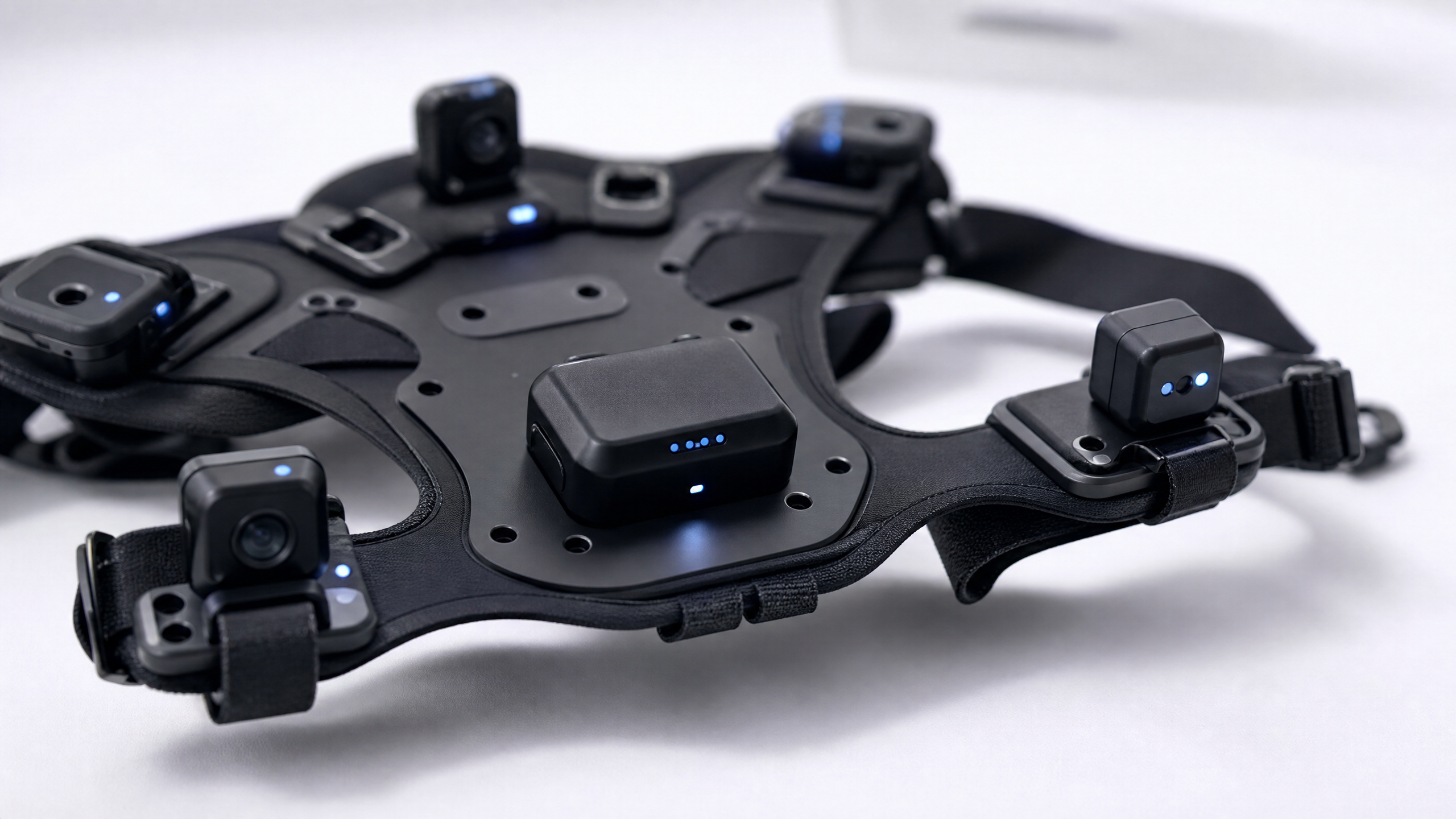
The technological focus of the robotics industry has pivoted from hardware design to data acquisition. With the emergence of dedicated physical artificial intelligence data service platforms like Maniformer and new embodied integrated development environments, the sector is acknowledging that high-quality, real-world human demonstration data is the ultimate constraint on autonomous capability.

Weekly Robot Economics Wrap-Up: The Geopolitics of Supply
The commercial tension in the robotics market is no longer just between the cost of human labor and the cost of automation; it is between the demand for hardware and the geopolitical restrictions on its supply. With the US Federal Communications Commission banning Chinese robots, the global supply chain is fracturing, creating massive pricing disparities and forcing rapid industrial pivots in allied nations.
AceiiLab A1: Bringing AI Robotics From Industrial Automation to the Tennis Court
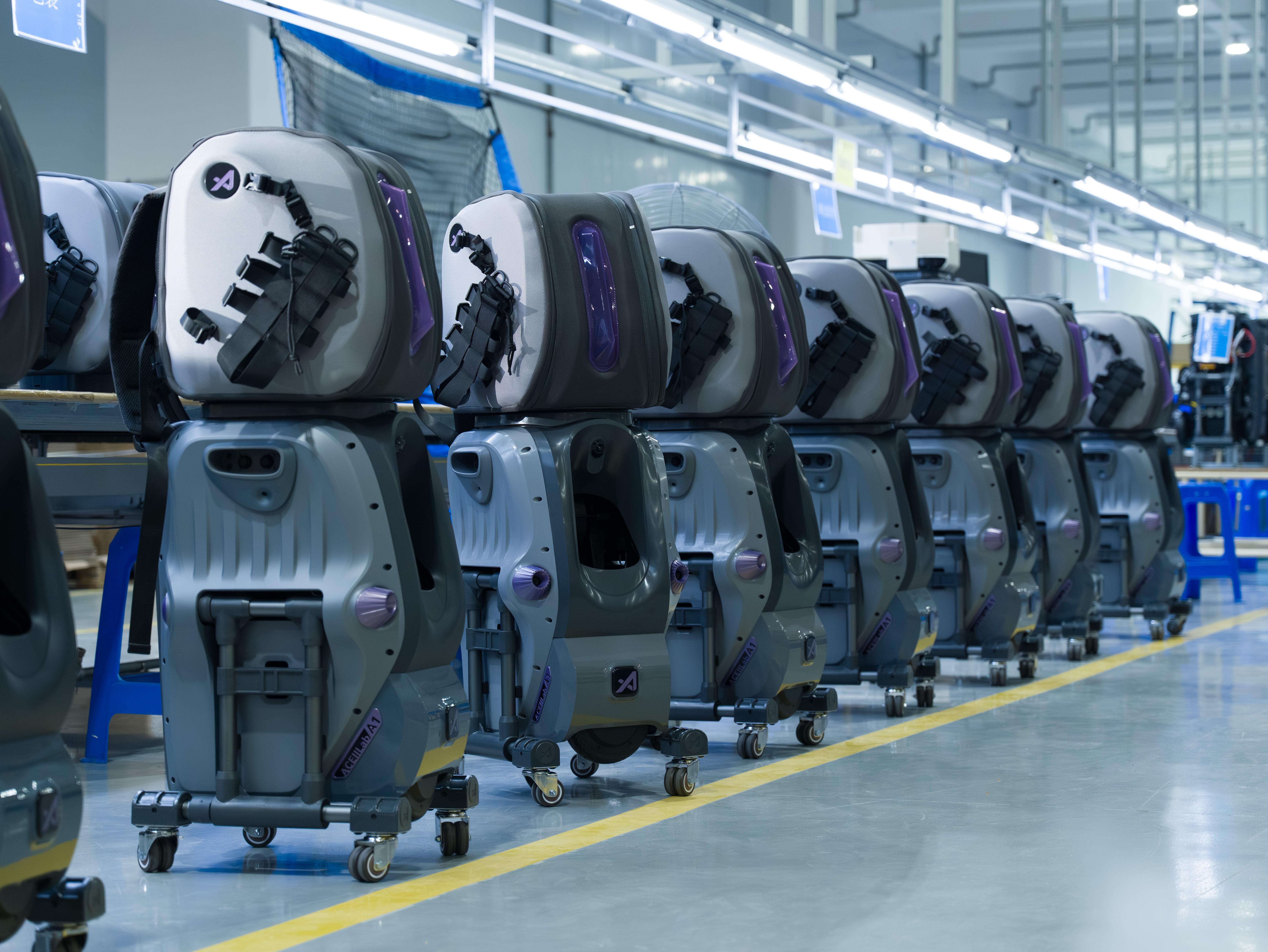
For years, robots have been transforming everyday life — from autonomous vacuum cleaners and lawn-mowing robots to humanoid robots designed for complex human interaction. Now, a new category is emerging: sports robotics. AceiiLab A1 is an AI-powered mobile tennis robot designed to explore how intelligent machines can create a new generation of sports training experiences. Unlike traditional ball