UBTECH Walker C1: Full Specs, Five Safety Layers, and the Four Urban Scenarios Behind China's New Commercial Humanoid
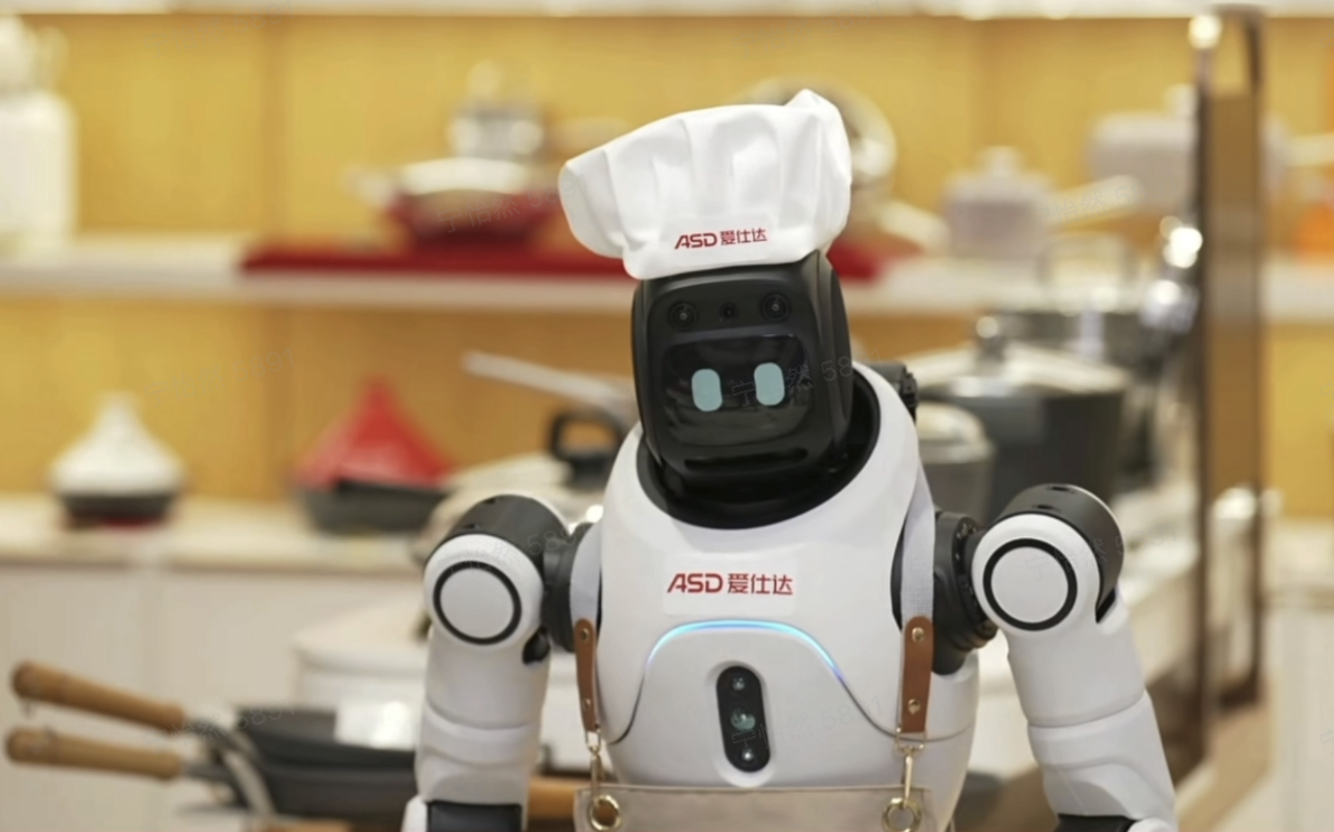
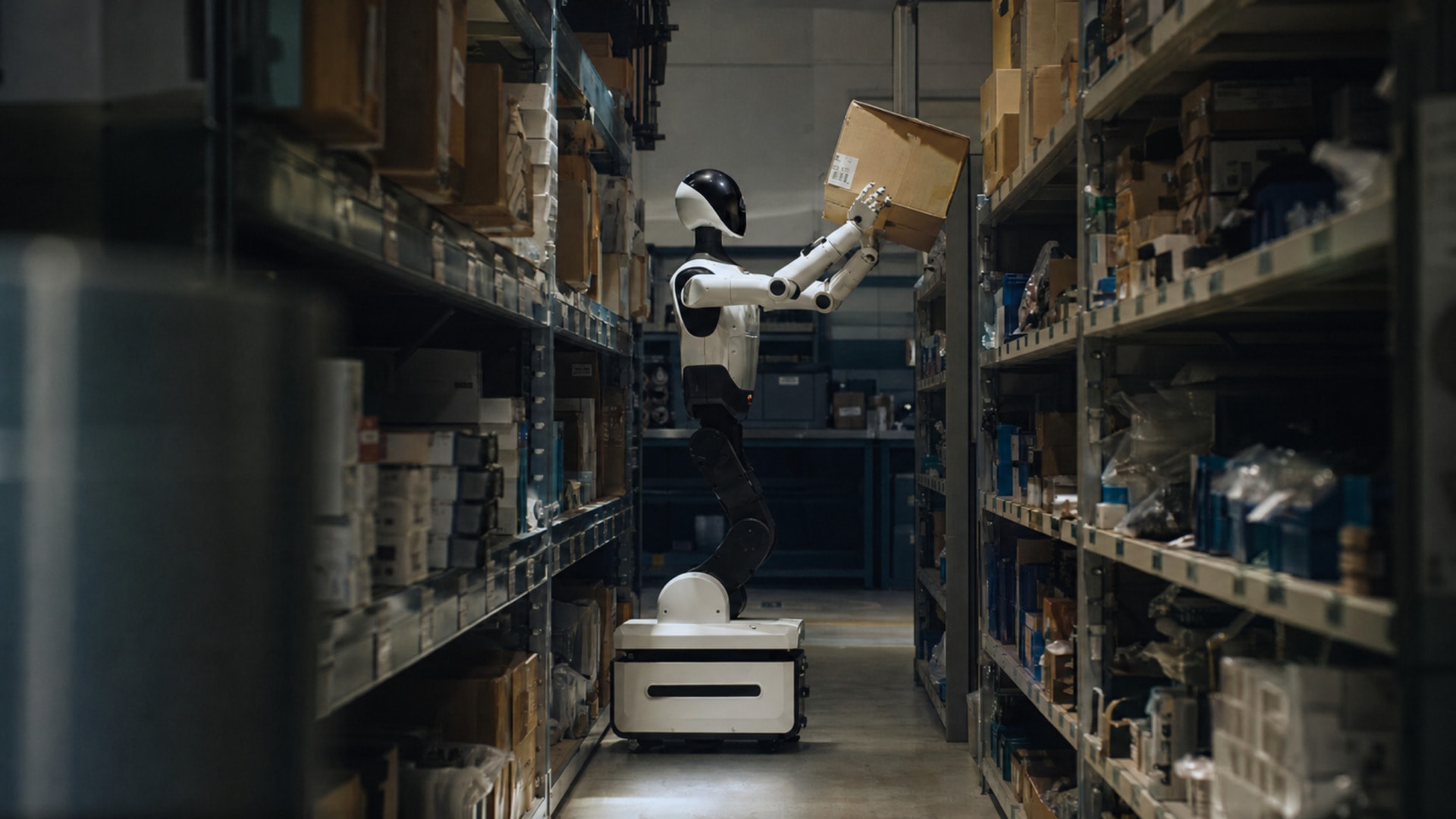
UBTECH has unveiled the Walker C1, its first commercially focused humanoid robot designed for deployment across hotels, shopping malls, tourist attractions, campuses, and urban security environments.
Fifty-three degrees of freedom. A 2,070-TFLOPS onboard compute stack. Five independent safety layers. When UBTECH unveiled Walker C1 at the 4th China International Supply Chain Expo on June 22, 2026, the company did not just announce a new robot. It published a full hardware specification that, read carefully, explains both the engineering choices behind the machine and the commercial theory behind the product line.
Walker C1 is UBTECH's first humanoid robot positioned explicitly for commercial service deployment rather than research or demonstration. The distinction matters. Most humanoid robots announced in China in 2025 and early 2026 were either industrial pilot units or showcase machines. Walker C1 is designed for the environments where the commercial case for humanoid robots is most immediately plausible: hotels, shopping malls, cultural venues, campuses, and urban security patrols. The full spec sheet, published by UBTECH via its official WeChat account on June 23, 2026, makes the engineering logic behind that positioning legible.
What the Hardware Actually Says
Walker C1 stands 164 cm tall and weighs 55 kg — proportions chosen to match the spatial constraints of environments built for humans. At 53 degrees of freedom, it has more articulation points than most competing platforms announced in the same period. For context, Tesla's Optimus Gen 2 operates with 22 DoF in the hands alone; the Walker C1's 53 DoF is distributed across the full body, enabling the fluid motion required for service interactions rather than the repetitive pick-and-place tasks that dominate industrial humanoid use cases.
The sensor suite is notably dense for a commercial service platform. The front of the robot carries two fisheye cameras for wide-angle environmental awareness, one binocular camera for depth perception and obstacle avoidance, and one monocular camera for close-range object recognition. A built-in screen on the torso provides a direct interaction surface for users. Two speakers and four microphones, combined with an audio receiver array, give the robot the audio I/O required for natural-language service interactions in noisy commercial environments. Two high-precision IMUs — one front-mounted, one rear — provide the real-time balance and motion feedback that keeps a 55 kg biped stable on uneven flooring, ramps, and escalator transitions.
The compute stack is anchored by NVIDIA's Jetson Thor, delivering 2,070 TFLOPS at FP4 precision. UBTECH's software architecture layers three systems on top of that hardware: Thinker, the world-model reasoning layer; Control Center, the motion planning and execution layer; and ROSA 2.0, the robot operating system that coordinates between them. Critically, the entire inference stack runs on-device. Walker C1 does not depend on cloud connectivity for its core AI functions — a requirement for commercial deployment in environments where network reliability cannot be guaranteed and where data privacy obligations apply.
UBTECH has reserved 60 to 70 percent of the Jetson Thor's compute capacity as open allocation for partner and developer applications. This is not a minor footnote. It is the architectural decision that defines Walker C1 as a platform rather than a closed product. A hotel chain deploying Walker C1 for concierge services can run its own property management system integration on the open compute headroom without competing with the robot's core motion and perception functions.
Five Safety Layers, Not One
The safety architecture published alongside the spec sheet is more detailed than most commercial humanoid announcements. UBTECH describes five independent protection domains operating in parallel.
Motion safety covers real-time torque limiting, collision detection, and the mechanical constraints that prevent the robot from applying dangerous force in human-contact scenarios. Navigation safety handles autonomous path planning, obstacle recognition, and multi-scenario route adaptation — the layer responsible for keeping the robot from colliding with people or objects in dynamic commercial environments. Design safety refers to the structural and mechanical protections built into the hardware itself: redundant joint limiters and protective enclosures that contain failure modes at the component level rather than relying solely on software intervention.
Electronics and battery safety addresses the thermal management, charge monitoring, and electrical isolation systems that prevent battery or power-system failures from becoming safety incidents — a non-trivial concern in a 55 kg machine operating in public spaces for extended shifts. Network and large-model safety is the fifth layer: local data processing, user privacy protection, and safeguards against adversarial inputs to the onboard AI models. The inclusion of this layer as a named safety domain reflects the reality that large-model-driven robots face a category of risk — prompt injection, model manipulation, data exfiltration — that purely mechanical safety systems cannot address.
The five-layer architecture is significant not because any single layer is novel, but because the combination addresses the full liability surface that enterprise buyers and regulators will evaluate before deploying humanoid robots in public-facing commercial environments. A hotel operator does not just need a robot that does not fall over. It needs a robot that does not fall over, does not collide with guests, does not malfunction electrically, does not expose guest data, and cannot be manipulated through its AI interface. Walker C1's safety architecture is structured to answer all five of those questions simultaneously.
The Four Scenarios and What They Reveal About the Market Bet
UBTECH has organised Walker C1's commercial positioning around four deployment scenarios, each targeting a different segment of China's urban service economy.
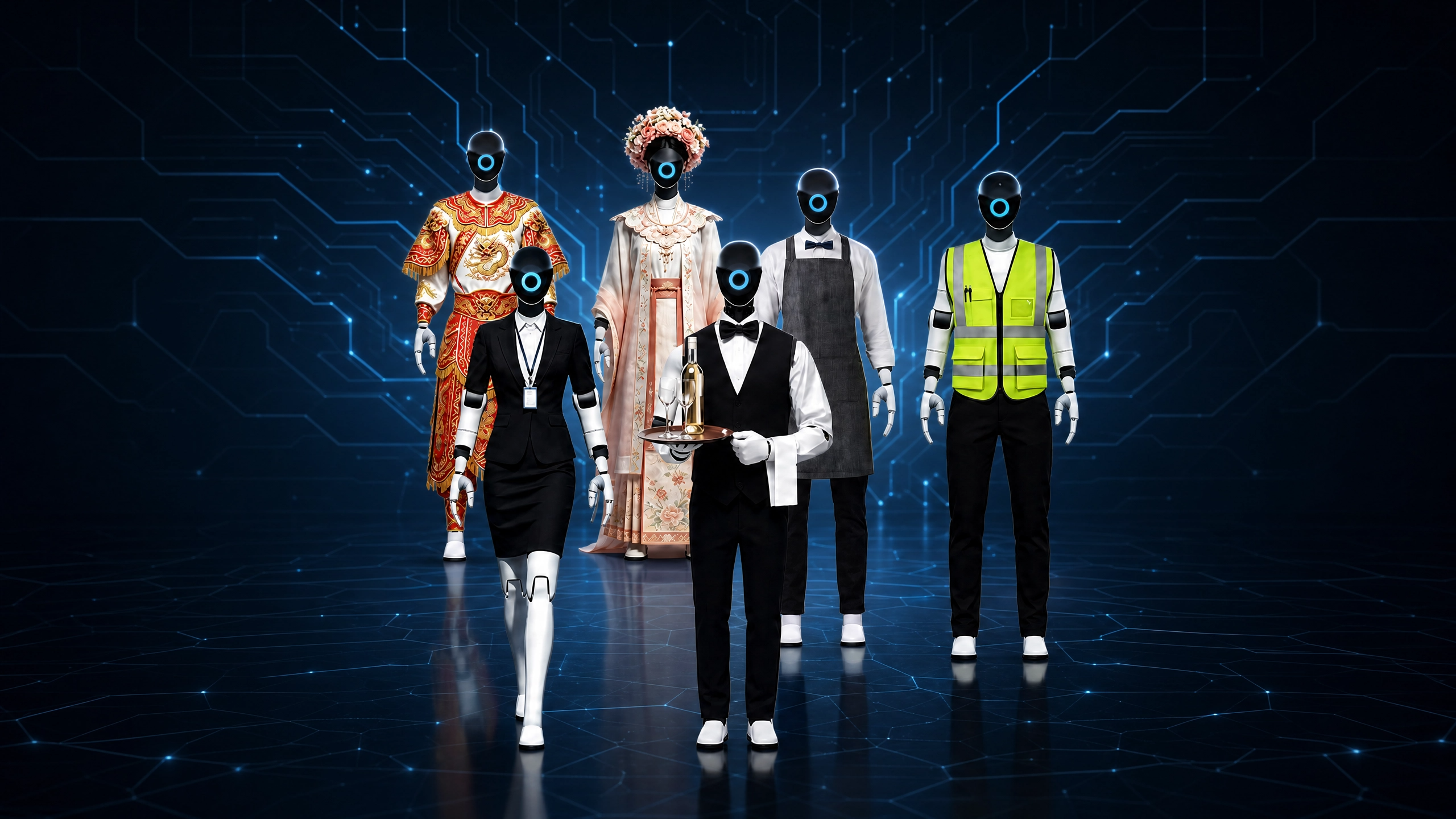
Commercial service covers multi-scenario retail, hospitality, and wayfinding — the concierge and front-of-house functions where humanoid form factor creates genuine value over wheeled alternatives because the environments are designed for upright human movement. Culture, tourism, and entertainment targets event venues, tourist attractions, and brand activations, where Walker C1's costume adaptability — demonstrated at Chain Expo with multiple service-role outfits — allows operators to deploy the same hardware platform across different visual identities and interaction styles. Urban security covers patrol and traffic assistance functions, where the robot's navigation safety layer and all-terrain mobility are the primary value drivers. Education and research targets campuses and open research institutions, where Walker C1's open SDK and compute headroom make it a deployable research platform rather than a closed demonstration unit.
The scenario selection is deliberate. All four are environments where China's service sector faces structural labour shortages, where the physical environment is already designed for human-scale movement, and where the interaction requirements — greeting, guiding, patrolling, demonstrating — are well-defined enough to be automated with current large-model capabilities. UBTECH is not betting on humanoid robots replacing complex manual labour in 2026. It is betting on humanoid robots filling specific, bounded service roles in environments that are already motivated to adopt them.
Why This Release Is Significant
Walker C1 is not the most capable humanoid robot announced in 2026. It is, however, one of the most commercially complete. The combination of a verified hardware spec sheet, a published safety architecture, an open SDK with defined compute headroom, a modular design built for mass production, and a scenario-specific go-to-market strategy represents a level of commercial readiness that most of the 140-plus Chinese humanoid robot companies identified in MIIT's June 2026 deployment mandate cannot yet match.
The timing is also precise. China's MIIT-SASAC directive, issued in early June, requires 10,000 humanoid robots in commercial use by the end of 2026. Walker C1's four target scenarios — commercial service, tourism, security, education — map directly onto the non-industrial deployment categories that the directive prioritises. UBTECH is positioning Walker C1 as the platform that fills the commercial half of that mandate while other manufacturers compete for the industrial half.
Whether the platform delivers on that positioning will depend on deployment results that are not yet available. What the spec sheet confirms is that UBTECH has made the right engineering choices to make the attempt credible.