Sea Machines Wins Five-Year IDIQ Contract From US SOCOM
Sea Machines Robotics secured a five-year IDIQ contract to supply retrofit autonomy kits to US Special Operations Command, a qualification win that says more about production cadence than the still-undisclosed contract ceiling.

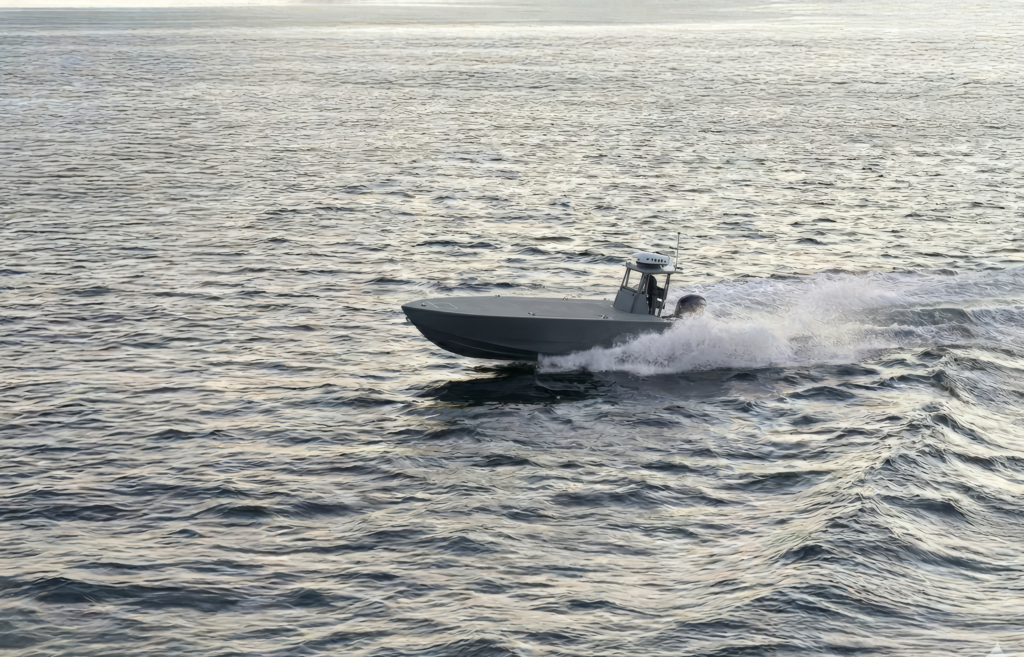
BOSTON, Massachusetts, September 8, 2026. Sea Machines Robotics has been awarded a five-year indefinite delivery, indefinite quantity contract by US Special Operations Command to supply its commercial autonomy kits for surface vessels, the company said Monday. The award covers rapidly installed, technology readiness level 9 autonomy systems that special operations units can fit to existing boats rather than wait for a purpose-built unmanned hull.
Sea Machines Robotics is a Boston-based marine autonomy company that builds the SM300 series of Autonomous Command and Control systems, sold as installable kits rather than complete vessels. The company's pitch to defense and commercial operators alike is that autonomy belongs on the boats a fleet already owns, not only on newly built unmanned surface vessels designed around it from the keel up. That distinction is the substance of Monday's award, and it separates Sea Machines from shipyards competing for the Pentagon's unmanned surface vessel budget lines.
A Retrofit Kit, Not a New Hull Program
The contract lets special operations units order Sea Machines autonomy kits for what the company describes as vessels of opportunity, a term of art for craft that already exist in a fleet inventory rather than platforms purpose-designed for uncrewed operation. Erik Hedval, Sea Machines' director of federal business captures, said the award reflects a shift toward operational, ready-now autonomy that can be deployed wherever and whenever it is needed. That framing matters commercially because it puts Sea Machines in a different procurement lane than companies selling finished unmanned surface vessels such as purpose-built USVs from shipbuilders competing for Navy and Marine Corps hull programs.
The kits work across what the company calls a multitude of craft that range in size and performance specifications, from small rigid-hull inflatables to larger workboats in the tens of meters. Installation is measured in days rather than the months or years typical of a newbuild unmanned vessel program. For a special operations unit trying to field autonomous logistics or surveillance capability on a compressed timeline, that installation speed is the actual product being purchased, not just the software running underneath it.
What the Contract Vehicle Actually Buys
An indefinite delivery, indefinite quantity award sets a ceiling and a five-year window for individual task orders rather than committing US Special Operations Command to a fixed dollar amount up front. Sea Machines has not disclosed a contract ceiling value, and the company's own materials do not specify one. That is normal for this contract type, but it means Monday's announcement establishes eligibility rather than guaranteed revenue. The commercial signal for buyers evaluating Sea Machines as a supplier is less about the headline award and more about how quickly task orders start flowing against it, and at what size.
What the vehicle does confirm is qualification. Special Operations Command evaluated Sea Machines' autonomy stack against its own requirements for expeditionary logistics, intelligence, surveillance and reconnaissance, and maritime security at what the Pentagon calls the tactical edge, meaning close to the point of use rather than centrally staged. Passing that evaluation is itself a data point procurement teams outside the defense sector can read: a maritime autonomy vendor with combat-relevant technology readiness level 9 status has now cleared one of the more demanding customer bars in the industry, which is relevant to commercial operators weighing Sea Machines against less-vetted competitors for port security, offshore inspection, or unmanned logistics work.
Why Special Operations Wants Software It Did Not Have to Wait For
Special operations units have a different procurement problem than the conventional Navy. Their missions are often improvised around whatever craft is available in a theater, and they need autonomy that can be added to a borrowed fishing boat, a commercial workboat, or an allied nation's patrol craft without a months-long integration effort. Sea Machines' pitch directly addresses that constraint. The company describes its kits as deployable in hours once a vessel is identified, a claim that would be difficult to make about a system requiring custom hull modifications or proprietary control hardware built into the vessel at construction.
That speed has a second commercial implication beyond the special operations use case. Expeditionary logistics, one of the three mission areas named in the award alongside intelligence, surveillance and reconnaissance and maritime security, is functionally the same problem commercial operators face when they need to move autonomous cargo or supply craft into a port or coastal zone on short notice. A kit qualified for special operations logistics work carries a credibility signal for commercial logistics buyers evaluating the same technology for less demanding, non-combat missions such as harbor resupply or offshore platform servicing.
The Competitive Field Is Getting More Crowded, Not Less
Sea Machines is not the only company selling autonomy into vessels the government already owns. The broader unmanned surface vessel market includes companies building autonomy software for retrofit, companies building new autonomous hulls from scratch, and prime contractors integrating both approaches into larger programs. The distinction that matters for a Special Operations Command program manager is capital efficiency: a retrofit kit lets the government field autonomous capability against an existing hull inventory without waiting for a new vessel class to clear acquisition milestones that can take years even under expedited authorities.
That efficiency argument cuts both ways commercially. It is the reason Sea Machines can win an award like Monday's without competing directly against shipbuilders for hull dollars, and it is also the reason the company's addressable market inside any single program office is inherently smaller than a hull contract would be. A kit sold per vessel scales with fleet size and adoption rate, not with a single large production run. Buyers assessing Sea Machines as a long-term supplier should weigh that structural ceiling against the speed advantage the company is selling.
Allied navies add a further layer to the competitive picture. Several US partner nations operate coastal and patrol fleets built decades ago, with no near-term budget for wholesale replacement by purpose-built unmanned vessels. A retrofit autonomy kit is often the only realistic path for those navies to field any uncrewed capability at all inside the next several years. Sea Machines has previously supplied autonomy systems to commercial and research vessels, and a qualification win with US Special Operations Command gives the company a reference customer that allied procurement offices tend to weight heavily when evaluating unfamiliar vendors. That halo effect is difficult to quantify but real in defense sales cycles, where a foreign ministry of defense is reluctant to be the first customer for an unproven system.
Reading the Award Correctly
The practical takeaway for procurement and operations teams evaluating maritime autonomy vendors is that Sea Machines has cleared a meaningful qualification bar with a demanding government customer, on hardware and software the company already sells commercially rather than a bespoke defense variant built for this contract alone. That commercial lineage matters because it suggests the autonomy stack being fielded under this IDIQ has already absorbed real-world operating hours outside a defense testing environment, which is a different risk profile than a system built to spec for a single government program and never proven elsewhere.
The number to watch next is not the ceiling value, which Sea Machines has not published, but the cadence and size of individual task orders issued against the vehicle over the next several quarters. That is where an eligibility award turns into, or fails to turn into, a real revenue line, and it is the evidence buyers should ask for before treating Monday's contract as proof of sustained government demand rather than a single qualification milestone.
There is also a diligence question worth asking about integration risk. A kit that installs in hours on paper still needs to be validated against the specific navigation, communications, and command architecture of each new vessel class it is fitted to. Sea Machines has not published a per-vessel integration failure rate or a standard list of hull types it has certified against, information a defense program office evaluating the vendor for a specific mission would eventually need before committing budget beyond a pilot order. Commercial buyers considering Sea Machines for non-defense applications, such as harbor security patrol or offshore wind farm inspection, should ask the same question rather than assume the special operations qualification transfers automatically to their own vessel class and operating environment.
The award also arrives as the Pentagon's broader unmanned maritime budget has been under scrutiny for how much of it converts into fielded capability rather than pilot programs and demonstrations that never scale. A retrofit vendor has a structural advantage in that debate because each unit sold is a complete, deployable kit rather than a fraction of a multi-year shipbuilding program that can be canceled or descoped before delivering anything usable. That does not guarantee Sea Machines converts this IDIQ into meaningful revenue, but it does mean the company's commercial exposure to program cancellation risk is lower than a shipbuilder's would be, since task orders under the vehicle can be issued in small increments tied to units actually fielded rather than committed years in advance.
Hero image credit: Sea Machines Robotics.
This analysis draws on Sea Machines Robotics' public contract announcement and company materials describing its Autonomous Command and Control product line. It is for general information purposes only and does not constitute investment, financial, or legal advice.