Humanoid Robots Are Getting Smarter, But the Real Breakthrough Is Still Years Away
AI-powered humanoid robots are making impressive strides, with Boston Dynamics’ Atlas demonstrating dynamic walking, dexterous manipulation, and parkour-like movement using reinforcement learning and advanced sensor systems. However, experts say widespread real-world deployment is still years away because robots lack the massive, diverse training data needed to reliably adapt outside controlled lab settings.

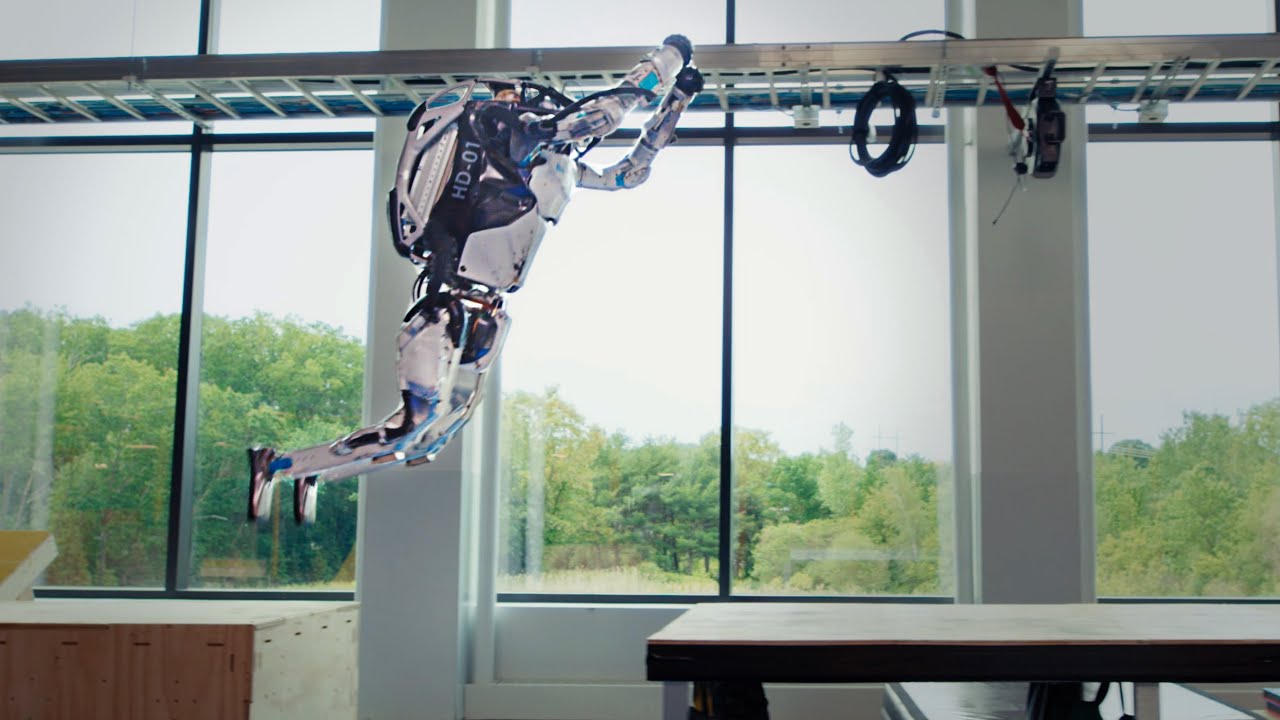
The rapid evolution of AI-powered humanoid robots is capturing global attention, blending advanced engineering with ambitious visions of everyday assistance. Recent reports highlight how companies like Boston Dynamics are pushing boundaries, yet experts caution that true deployment remains years away due to persistent technical hurdles.
The Rise of Humanoid Robots
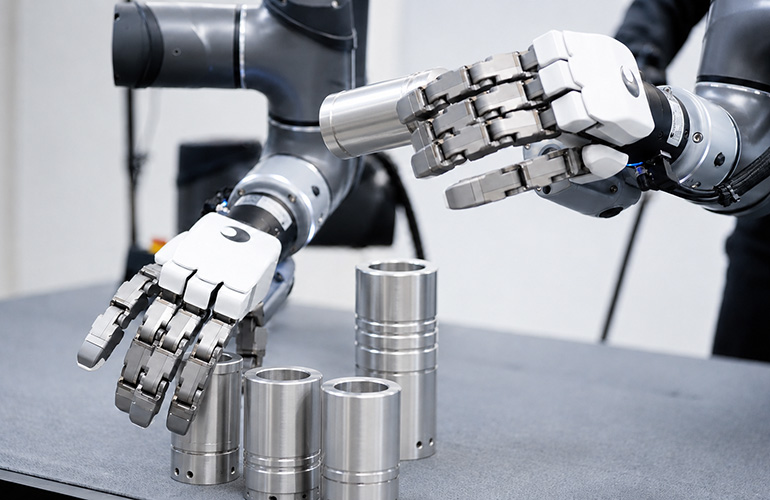
Developments showcased in a 60 Minutes feature reveal Boston Dynamics' Atlas robot performing complex tasks such as dynamic walking on uneven terrain, precise object manipulation with 28 degrees of freedom in its limbs, and even parkour-style jumps at speeds up to 1.5 meters per second. These capabilities stem from reinforcement learning algorithms trained on simulated environments, allowing the robot to adapt in real time without pre-programmed scripts. For a tech-savvy audience, this marks a shift from rigid industrial arms to versatile bipeds that could one day integrate into homes and factories.
Technical Breakthroughs and Challenges
Q: How do these humanoids handle balance and dexterity?
A: Through sensor fusion combining LiDAR, IMUs, and tactile feedback, achieving sub-millimeter precision in grasping.
Q: What power sources enable prolonged operation?
A: High-density lithium batteries paired with efficient actuators, supporting up to four hours of continuous activity.
These details underscore impressive progress, but limitations persist in unstructured environments.
The Data Gap Dilemma
An analysis from UC Berkeley News emphasizes the critical "data gap" hindering humanoid revolutions—unlike language models fed trillions of tokens, robots lack diverse, real-world interaction datasets, resulting in brittle performance outside labs. Researchers note that current systems excel in controlled demos but falter with novel obstacles, requiring costly physical trials rather than scalable simulations.
"We are not on the verge of a revolution yet; the data scarcity means robots need thousands more hours of embodied learning to match human adaptability."

This reality check tempers hype while spurring collaborative efforts across industry and academia to bridge the divide. Overall, the field promises transformative potential in eldercare and logistics, provided data and safety innovations catch up.
References: The Robot Report and UC Berkeley News, posted August 2025.