Hai Robotics and Hy-Tek Automate a NAPA Auto Parts Flow Center
Hai Robotics and systems integrator Hy-Tek Intralogistics are converting a NAPA Auto Parts flow center to automated storage and retrieval, using a multi-robot HaiPick system validated through live-warehouse testing before deployment.


Hai Robotics and Hy-Tek Intralogistics announced on October 15, 2026, that they have been selected to convert one of NAPA Auto Parts' flow center operations into an automated fulfillment facility, using a multi-robot automated storage and retrieval system built on Hai Robotics' HaiPick Systems portfolio. Hy-Tek, a U.S.-based systems integrator, designed the deployment to handle NAPA's diverse mix of stock-keeping unit profiles, the varied shapes, sizes and turnover rates typical of an automotive and industrial parts distributor, through a single automated storage and retrieval solution rather than several separate systems.
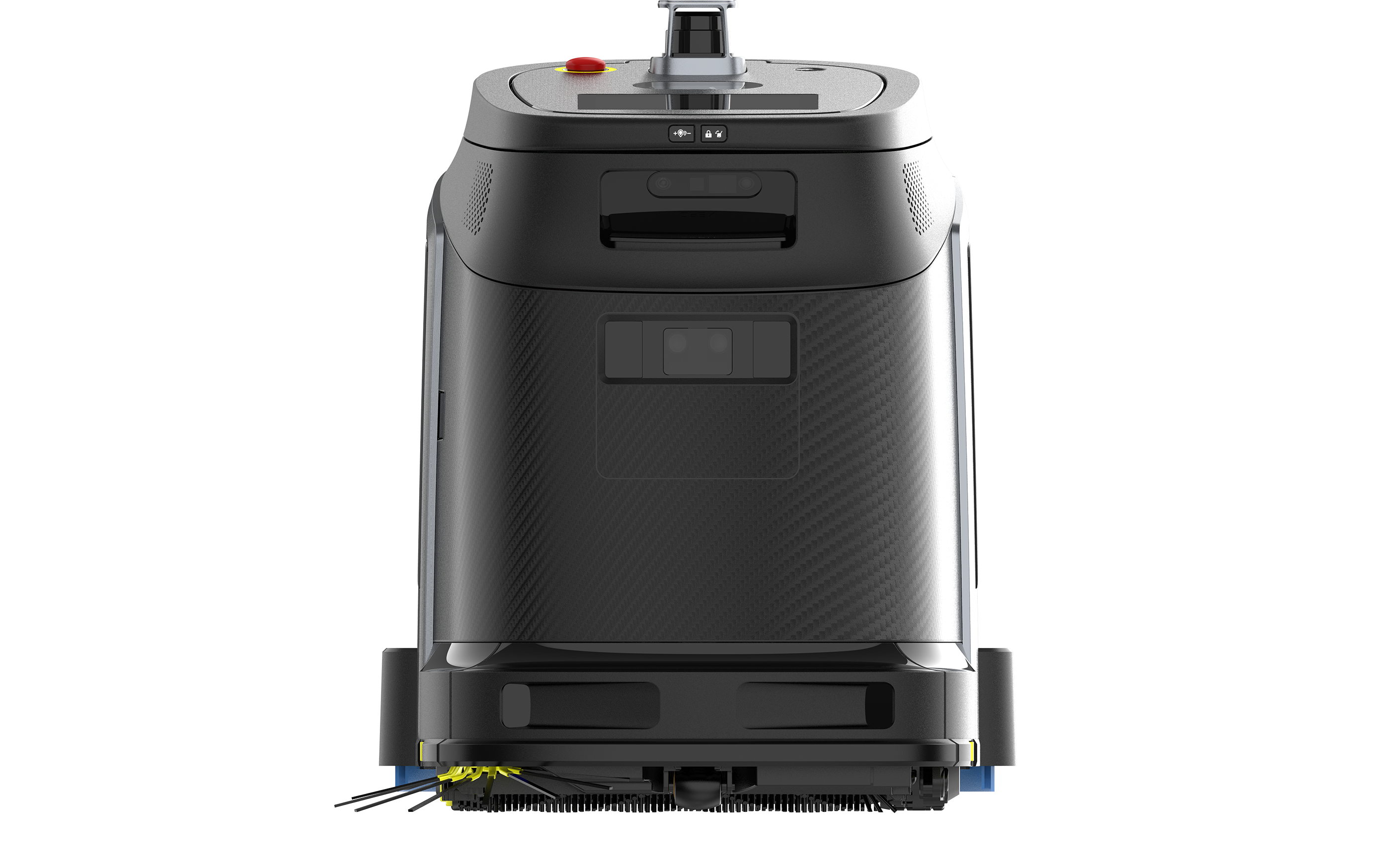
Hai Robotics is a Shenzhen, China-founded automated storage and retrieval system company that has built its global business selling robotic shuttle-and-rack warehouse systems, with its HaiPick line now deployed with customers across multiple continents. The company's core technical bet, robots that climb vertically within storage racks to retrieve totes and bring them to a human or automated picking station, rather than relying on fixed conveyor infrastructure or robots confined to ground-level aisles, is what Hy-Tek and NAPA are deploying inside this specific flow center.
Testing Before Committing
Before signing off on the full deployment, NAPA ran the technology through Hy-Tek's Innovation Lab, a live-warehouse testing environment where the proposed system could be validated against NAPA's actual operational conditions rather than a vendor's generic demonstration environment. That step matters more than it might appear in a press release: automated storage and retrieval systems are expensive, multi-year capital commitments that are difficult and costly to reverse once installed, and a system that performs well on a vendor's showroom floor does not always perform equally well against a specific customer's real SKU mix, order profile and facility layout. By validating the design inside a live warehouse environment before committing to the full flow center conversion, NAPA reduced the risk that it would discover a mismatch between the proposed system and its actual operations only after the capital had already been spent.
Tyler Park, NAPA's senior director in design engineering, framed the project around that same operational specificity: "This project was about designing the right solution for the way we operate today." That framing signals a company prioritizing fit over novelty, choosing a system validated against NAPA's existing workflow rather than one requiring NAPA to restructure its operations around the technology's constraints, a distinction procurement teams evaluating warehouse automation vendors should weigh as heavily as throughput or cost claims.
Why Diverse SKUs Are the Harder Automation Problem
Automated storage and retrieval systems are comparatively easy to justify commercially when a warehouse handles a narrow, predictable range of item sizes and shapes, the kind of uniform-carton environment that e-commerce fulfillment centers are often built around. Automotive and industrial parts distribution is a harder case: NAPA's flow centers stock everything from small fasteners and electrical components to bulky brake rotors and exhaust components, with wildly different storage densities, pick frequencies and handling requirements across that range. Hy-Tek's stated design goal, handling that diverse SKU profile through one automated system rather than segmenting it across multiple specialized systems, is the detail that distinguishes this deployment from a straightforward, off-the-shelf automation rollout.
Hunter Senn, Hai Robotics' vice president of sales, described the project as proof of a broader commercial point: "This project demonstrates the value of combining innovative robotics with experienced systems integration partners." That framing is a useful tell about how Hai Robotics positions itself commercially: not as a vendor selling a self-contained robotic product that a customer installs and operates independently, but as a hardware platform that depends on an integrator's domain expertise, in this case Hy-Tek's warehouse-design experience, to actually solve a specific customer's operational problem. For buyers evaluating automated storage and retrieval vendors, that dependency on integration partners is normal in the industry, but it does mean the quality of the chosen integrator matters as much as the robotic hardware itself.
What NAPA Is Actually Buying: Density, Throughput and Headroom
The companies disclosed three stated goals for the deployment: higher storage density, improved throughput and order accuracy, and the ability to scale with future demand. None of the three were quantified in the announcement, no specific density improvement percentage, no throughput figure, no cost or square-footage data, which limits how precisely outside observers can benchmark this deployment against other automated storage and retrieval projects in the sector. That lack of disclosed figures is typical for an announcement at this stage of a project, before the system has been fully commissioned and run through a complete operational cycle, but it means buyers should treat this announcement as a credible signal of the deal's existence and scope, not as evidence of its performance.
The "room to scale with future demand" goal is worth reading carefully alongside Hai Robotics' underlying technology. Robotic shuttle-and-rack systems like HaiPick are generally easier to expand incrementally, adding more robots or more storage racks to an existing installation, than fixed conveyor-based automation, which often requires a larger, more disruptive capital project to add capacity once the original system is built out. If that scalability advantage holds in practice at NAPA's facility, it would support the companies' framing of this as a long-term platform decision rather than a one-time capacity fix, though that claim, like the throughput and density goals, remains unverified by any disclosed operational data at this stage.
How This Compares With Rival Warehouse Robotics Approaches
NAPA's choice of a cube-and-shuttle style automated storage and retrieval system places it in a specific camp within warehouse automation, distinct from the mobile-robot approach used by companies like Locus Robotics or 6 River Systems, where autonomous mobile robots move across the existing warehouse floor to transport goods or guide human pickers, without climbing storage racks themselves. Hai Robotics' HaiPick approach instead integrates the storage structure and the retrieval robot into a single vertical system, trading the mobile-robot approach's lower upfront disruption to an existing facility layout for higher storage density per square foot, a tradeoff that tends to favor facilities, like NAPA's flow centers, where floor space is a binding constraint and the inventory mix is stable enough to justify a more structurally integrated system.
That distinction matters for how buyers in the broader distribution and logistics sector should read this announcement. A facility choosing between automation approaches is not just choosing a vendor, it is choosing a structural commitment: a cube-and-shuttle system like HaiPick is harder to relocate or reconfigure once installed than a fleet of mobile robots that can be redeployed to a different facility or reassigned to different tasks within the same building. NAPA's decision to validate the system through Hy-Tek's live-warehouse testing process before committing suggests the company weighed that structural permanence carefully rather than defaulting to the automation category most commonly covered in trade press.
The Commercial Logic for a Distributor Choosing Robotics Now
Automotive and industrial parts distribution has faced the same labor-availability and e-commerce-driven service-level pressure that has pushed general warehouse and retail logistics toward automation over the past several years, but the sector has historically moved more slowly than e-commerce fulfillment because of exactly the SKU-diversity problem this deployment is designed to solve. A distributor that can successfully automate storage and retrieval across a genuinely heterogeneous parts catalog, rather than a narrow product category, has a template that could extend to other flow centers in its network without needing a bespoke redesign for each facility's specific mix. Derek Miller, Hy-Tek's vice president of sales, framed the integrator's role around exactly that long-horizon thinking: "our focus was on helping NAPA identify the right solution for its long-term operational goals," language that points toward this flow center functioning as a validated template rather than a one-off project.
Picture what changes inside the facility once the system is running: totes that once required a worker to walk a storage aisle now arrive at a pick station carried by a robot that climbed the rack itself, retrieving a fastener bin and a brake rotor tray through the same automated system rather than two separate processes, each tote arriving at the same pick station regardless of how differently the two items had to be stored. Whether that single-system approach to NAPA's genuinely mixed inventory delivers the density and throughput gains the companies are promising will only be confirmed once the facility has been running at full operational volume long enough to generate real performance data, not press-release language, and competing distributors watching this deployment will be looking for exactly that evidence before committing their own flow centers to a comparable structural overhaul.
This account synthesizes Hai Robotics' October 15, 2026 press release announcing the NAPA Auto Parts deployment, including statements attributed to Derek Miller, Tyler Park and Hunter Senn, as of the stated publication date.
This article is provided for general information purposes only and does not constitute investment, procurement, legal, or engineering advice. Figures reflect the sources listed above as of the stated information cut-off and may change without notice.