N Robot News: Asia’s Robotics Momentum Reshapes Global Industry
China’s strategic push into robotics and embodied intelligence now sits at the heart of national planning, with the latest five-year blueprint elevating the sector alongside semiconductors and advanced manufacturing. This move combines policy support, supply-chain scale, and cost advantages that Western competitors are only beginning to match. Factory robot density continues climbing across Europe, Asia, and the Americas, yet China alone accounted for 54 percent of all new industrial robot installations last year while holding the world’s largest operational fleet.

Embodied AI and Cost Leadership
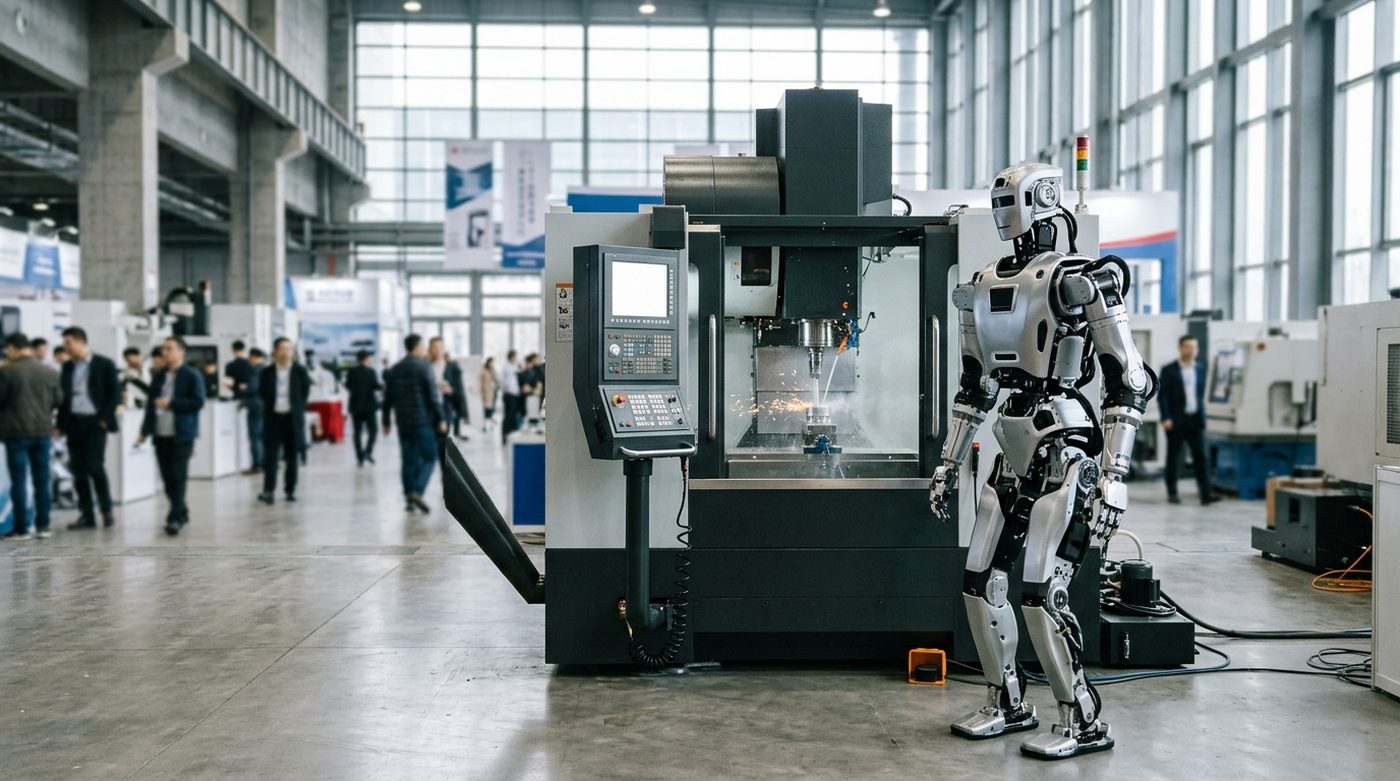
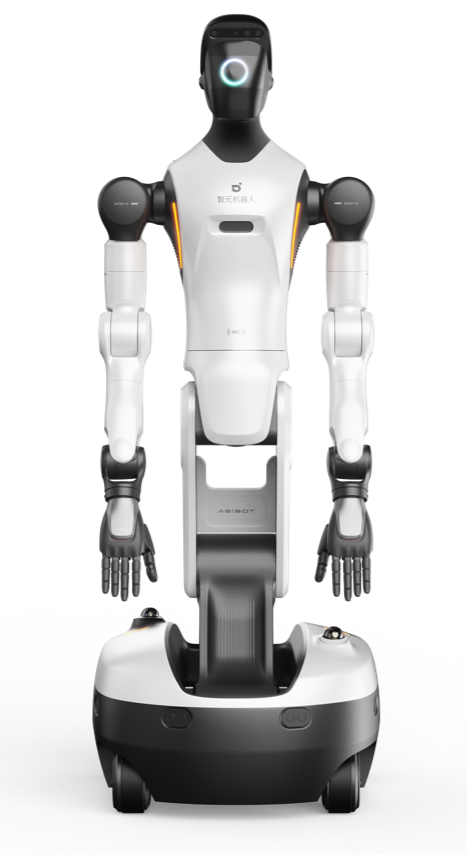
Chinese firms are integrating large-scale vision-language-action models directly into humanoid platforms, cutting per-unit hardware costs by up to 40 percent compared with equivalent Western systems. These robots now perform coordinated locomotion, object manipulation, and real-time decision-making in unstructured environments. Service and logistics fleets are scaling rapidly alongside industrial arms, creating an end-to-end ecosystem from component suppliers to end users.
Global Adoption Pressures Mount
Western investors are watching closely as Chinese supply chains attract capital for next-generation platforms. One industry analyst noted that the speed of iteration in Chinese labs—often measured in weeks rather than quarters—creates a widening capability gap.
What does this mean for manufacturers outside Asia?
It means shorter product cycles and lower entry prices for buyers willing to source from Chinese integrators.
How quickly can Europe and the United States respond?
Policy incentives are expanding, yet talent pipelines and component ecosystems remain thinner.
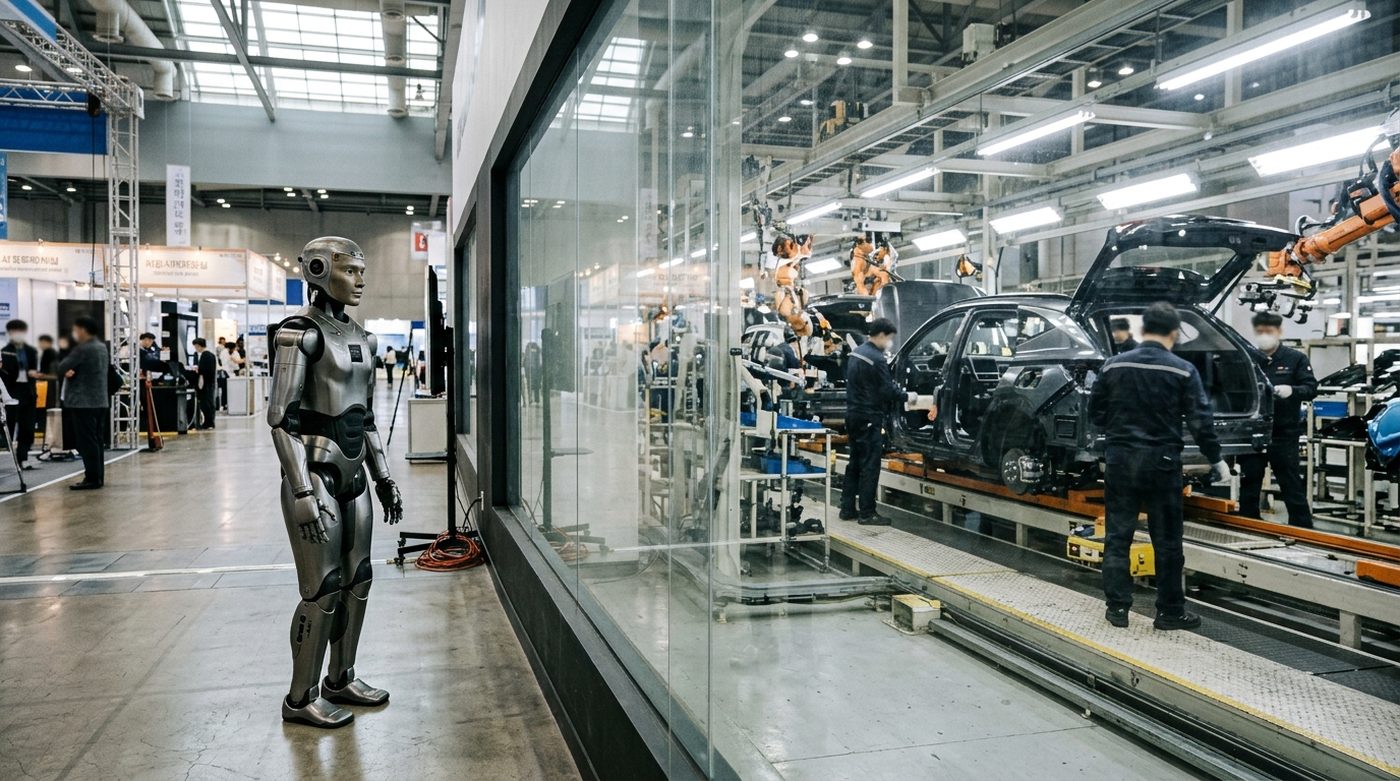
China’s public demonstrations function as both testing grounds and confidence signals, allowing rapid iteration under real-world conditions before global export.

Western Policy Reckoning
Reports from Chatham House and MERICS highlight the risk that low-cost Chinese robotics could erode high-value manufacturing niches long assumed secure in the United States and Europe. At the same time, international robot density statistics show continued growth everywhere, suggesting the overall market is expanding rather than zero-sum. The question now is whether Western firms can leverage their software and safety-certification strengths to remain relevant in an increasingly hardware-abundant world.
N Robot News roundup compiled from multiple sources.
References:
- The Diplomat (March 2026)
- VOA News
- IFR
- Chatham House
- MERICS
- Asia News Network
Posted: 12 March 2026