China’s Robotics Boom Is Redrawing the Global Manufacturing Map
China has become the world’s fastest-growing robotics powerhouse, with a $47 billion domestic market in 2024 and 295,000 industrial robots installed, more than any other country. Domestic firms now supply the majority of robots, driven by AI integration and government support for chips, sensors, and software. This surge is reshaping global manufacturing as foreign suppliers lose share, global companies relocate or partner in China, and Chinese robot makers export turnkey automation systems to emerging markets. Analysts say the next frontier will be expansion beyond factories into logistics, service, and eventually eldercare and retail.


China’s Robotics Surge Is Redrawing the Global Manufacturing Map
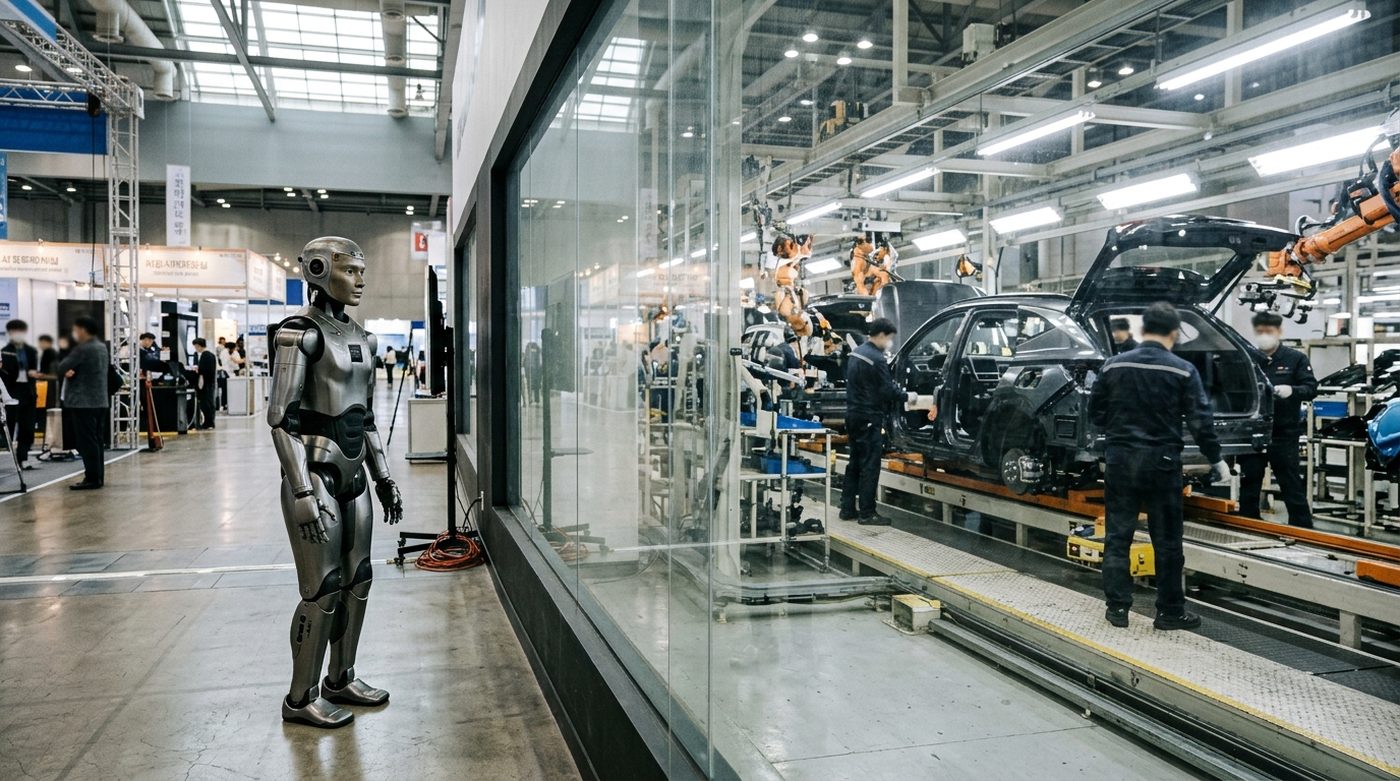
China’s robotics sector has surged ahead of global competitors, transforming the country from a major adopter into a leading producer of industrial automation technology. In 2024, the domestic market reached an estimated $47 billion, with 295,000 industrial robots installed across factories—far outpacing any other nation. Domestic manufacturers now account for 57 percent of these installations, signaling a decisive shift in global supply chains.
What does this scale mean for worldwide competition?
It means foreign suppliers face shrinking market share as Chinese firms refine AI-driven precision and speed.
How quickly can this momentum spread beyond factories?
Analysts expect rapid expansion into logistics and service sectors within three years.
AI Integration Accelerates Domestic Production
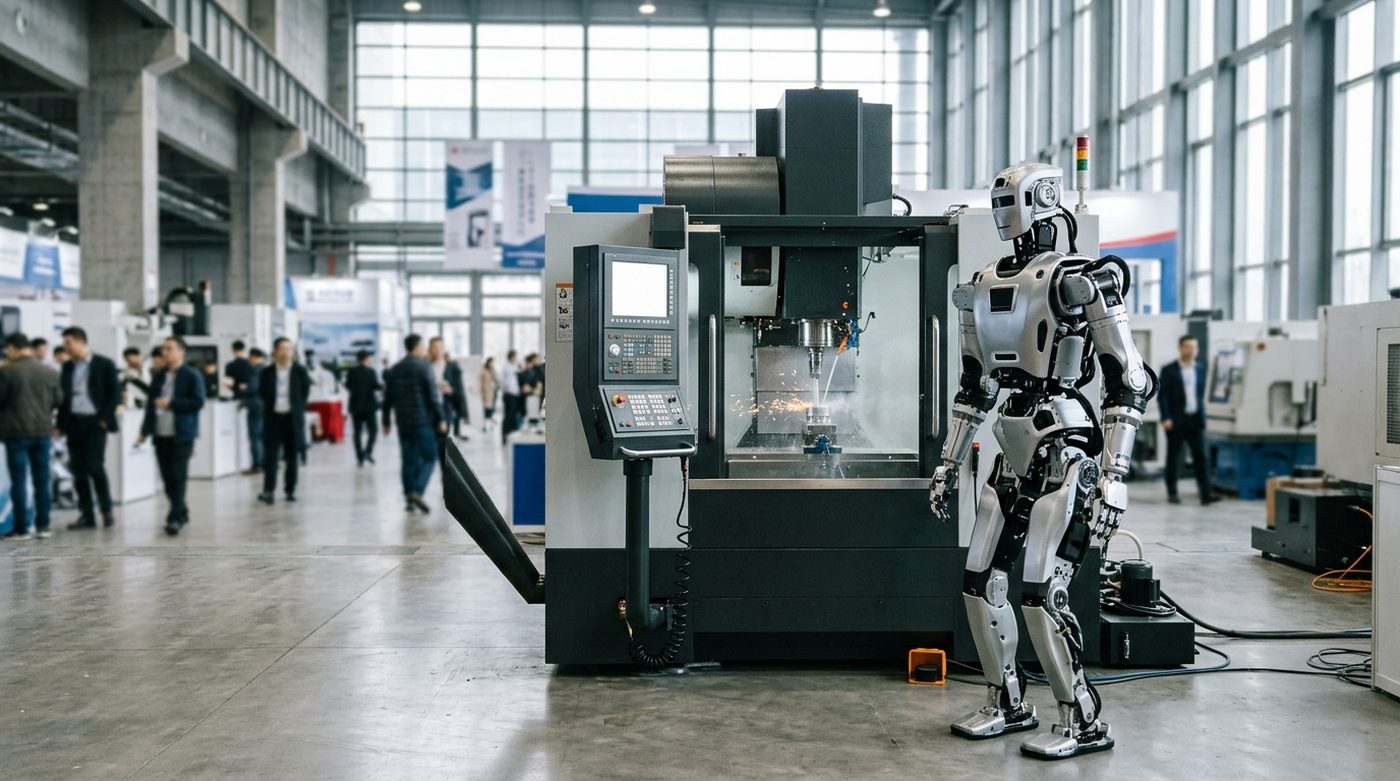
The integration of embodied AI has become central to China’s national strategy, enabling robots to handle complex tasks like adaptive welding and real-time quality inspection without constant human oversight. Government programs now prioritize chips, sensors, and software tailored for these machines, closing the technology gap with European and Japanese leaders.
Supply-Chain Realignment Underway
Global manufacturers are responding by relocating portions of their operations or forming joint ventures inside China to access the new domestic robot ecosystem. This realignment is not merely about cost but about proximity to the fastest-improving automation infrastructure.
What remains uncertain is whether export controls on advanced components will slow China’s progress.
Early data suggest domestic alternatives are already closing performance gaps in mid-tier applications.
Can smaller Asian economies keep pace?
They will likely specialize in niche roles while sourcing core systems from Chinese vendors.
China’s push is no longer about catching up—it is about setting the pace for the next decade of industrial automation.
From Factory Floors to Global Exports
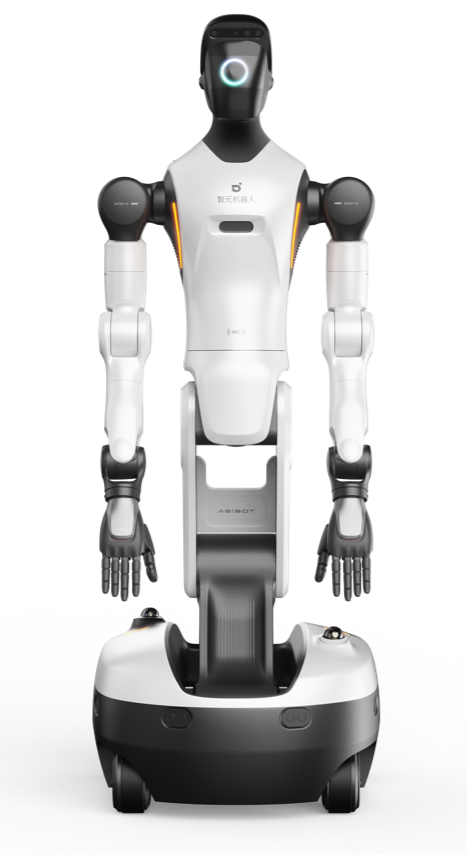
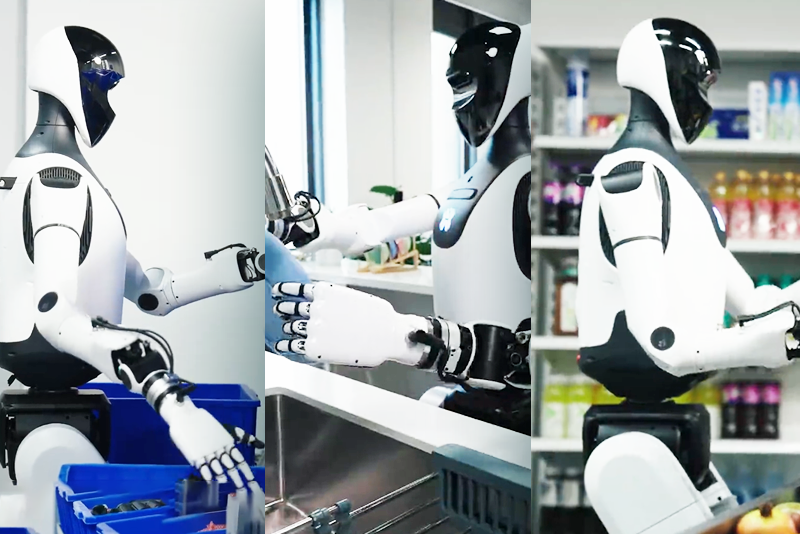
Chinese robot makers are now shipping complete automation lines to Southeast Asia, Africa, and Latin America, bundling hardware with cloud-based AI services. This turnkey approach lowers entry barriers for emerging markets and strengthens China’s influence over future manufacturing standards. Continued investment in humanoid platforms could extend these advantages into eldercare and retail within five years.
The trajectory points to a durable lead in both volume and applied AI capability. Observers will watch 2025 installation figures closely to see whether the 57 percent domestic share climbs further or plateaus under external pressure.
References:
- https://chinapower.csis.org/china-industrial-robots/ (posted March 2025)
- https://ifr.org/ifr-press-releases/news/china-makes-ai-powered-robots-core-of-national-strategy (posted February 2025)