China’s Robotics Surge Reshapes Global Manufacturing Race
China and Asia are rapidly pulling ahead in robotics, driven by heavy investment, state support, and low-cost manufacturing that is pushing humanoid robots and factory automation into mass production. South Korea leads in robot density, while China is scaling humanoids for warehouse and assembly work, prompting Western investors and policymakers to weigh whether to compete, collaborate, or risk falling further behind.


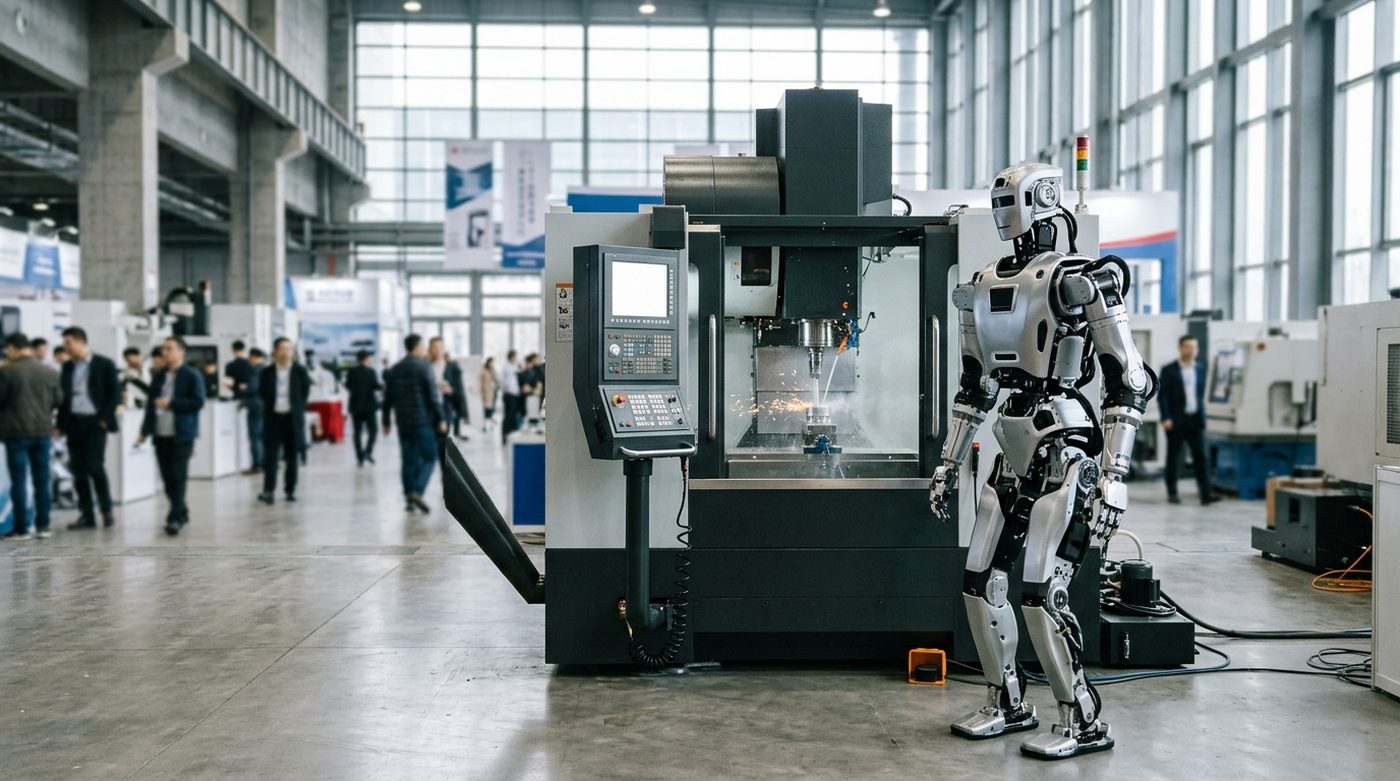
China and Asia have surged ahead in the global robotics arena, with massive investments driving humanoid robots and factory automation into mainstream production. This shift is reshaping industries from automotive to electronics, as state-backed initiatives in China emphasize low-cost manufacturing at unprecedented scales. Western observers, meanwhile, frame the developments as a high-stakes race for technological supremacy, with investors closely monitoring ecosystems in Shanghai and Shenzhen.
Asia's Manufacturing Edge
South Korea maintains the world's highest robot density in factories, with over 1,000 units per 10,000 workers, enabling seamless integration of automation in electronics assembly. China follows closely, deploying thousands of humanoid prototypes capable of walking at 5 km/h while handling payloads up to 20 kilograms. These systems rely on advanced AI vision and torque-controlled actuators, allowing precise tasks like circuit board placement with 0.1-millimeter accuracy. Low-cost components sourced domestically have slashed production prices by 40 percent compared to Western equivalents.
Humanoid Robots Hit Mass Production
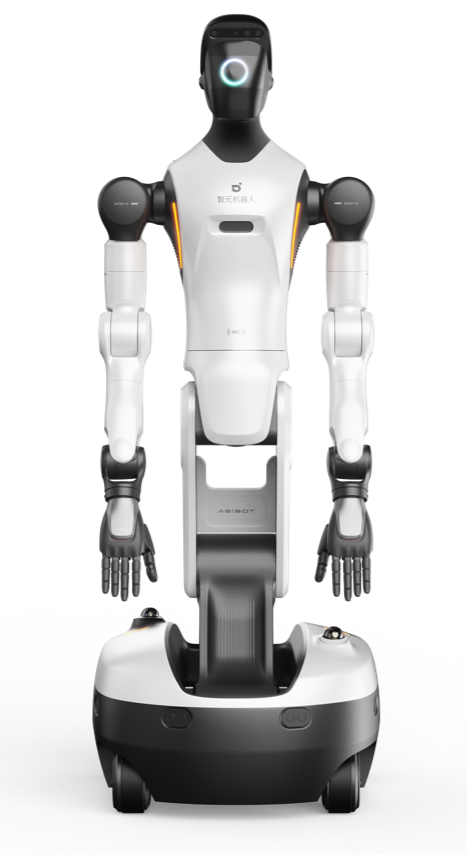
Recent reports highlight China's push toward mass-producing humanoids for warehouse and assembly roles, with models featuring 40+ degrees of freedom and battery life exceeding eight hours. State funding accelerates this via subsidies covering up to 30 percent of R&D costs, fostering rapid iteration. Global expansion follows, as Chinese firms export these robots to Southeast Asian markets hungry for affordable automation solutions.
What capabilities distinguish these systems from earlier generations?
They incorporate real-time adaptive learning algorithms that adjust grip strength dynamically during collaborative tasks with humans.
How does robot density impact output?
Factories in South Korea report 25 percent productivity gains through denser deployments, minimizing downtime via predictive maintenance sensors.
Western Response: Catch-Up or Collaborate?
U.S. and European investors are eyeing China's ecosystem for partnerships, yet coverage often highlights concerns over dependency on foreign supply chains. Technical benchmarks show Western prototypes lagging in cost-efficiency, though they excel in specialized software for edge computing. The narrative centers on whether renewed R&D incentives can close the gap within five years.
"China's robotics revolution isn't just about quantity—it's about deploying capable machines at a pace that forces everyone else to rethink their strategies."

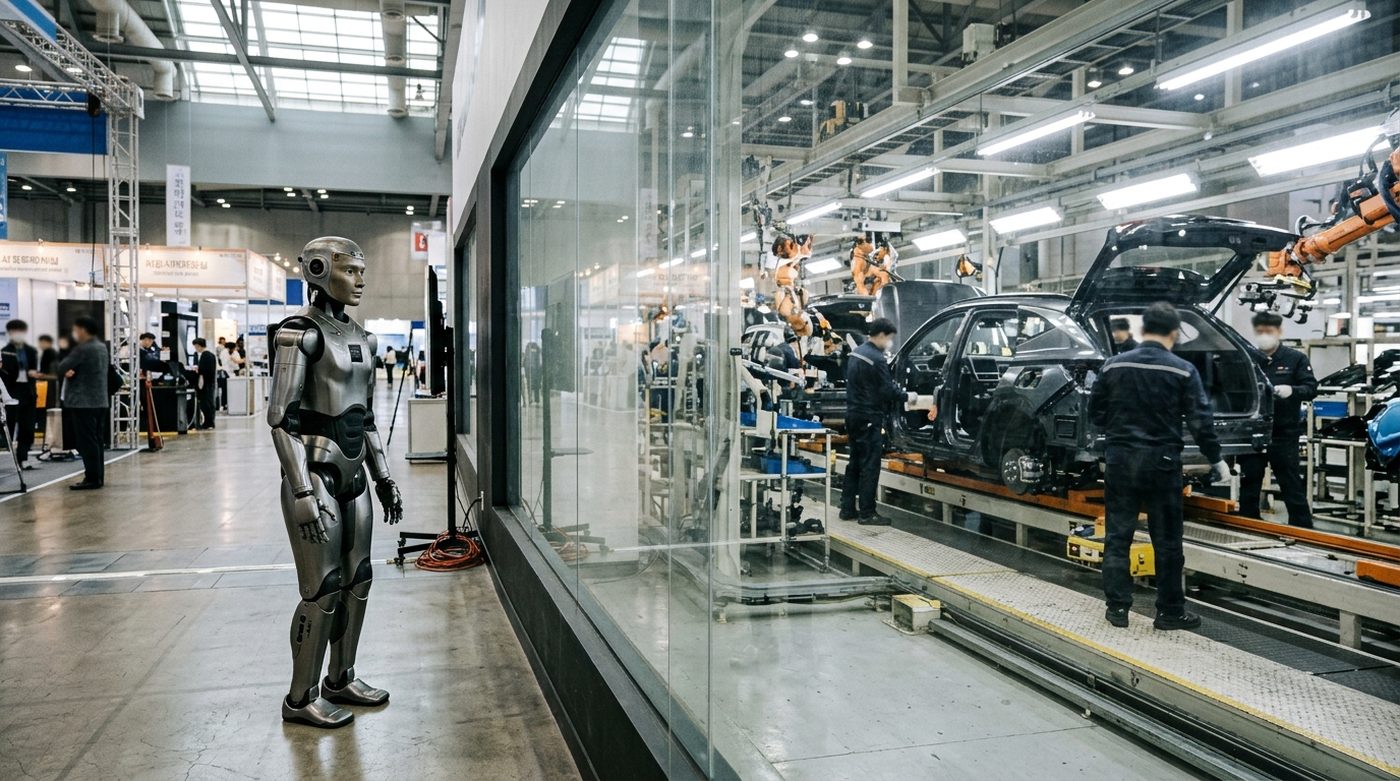
The implications extend beyond factories, as humanoid adoption could displace millions of manual jobs while creating demand for AI ethics frameworks. Observers note that collaborative international standards might mitigate tensions, turning competition into shared progress on safety protocols.
News references: