China’s Robotics Boom Is Reshaping Global Manufacturing and Pressuring Western Rivals
China is rapidly expanding its robotics industry through strong state support, subsidies, and a policy-driven push into humanoid robots and embodied AI, aiming for highly precise, adaptable automation in factories. This cost advantage is pressuring Western and other Asian manufacturers, accelerating global adoption in sectors like logistics and electronics while raising concerns about long-term supply-chain dependence and competition over robotics standards.

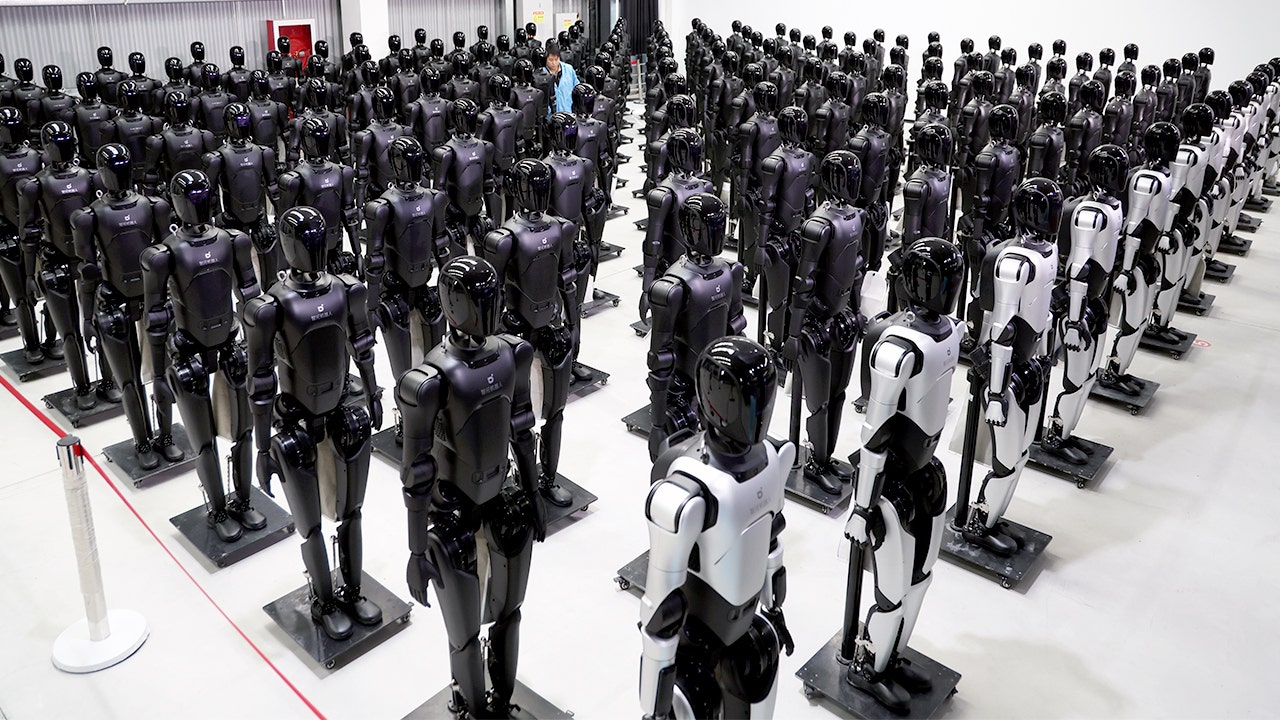
China’s aggressive push into robotics is fundamentally altering global manufacturing dynamics, with the country leveraging state-backed initiatives to achieve unprecedented scale in automation. Recent analyses highlight how policy priorities, including the upcoming Five-Year Plan, are channeling resources into humanoid platforms and embodied AI systems capable of handling complex assembly tasks with precision down to sub-millimeter levels. This surge is not merely about volume but about integrating sensors, AI-driven navigation, and adaptive grippers that allow robots to operate alongside humans in dynamic factory environments.
Policy Backbone Fuels Expansion
Beijing’s strategic emphasis on robotics extends beyond factories into full ecosystem development, from component supply chains to software platforms. Government subsidies have accelerated the deployment of over 300,000 new industrial units annually, pushing robot density metrics higher than many European peers according to International Federation of Robotics data. This creates direct pressure on Western manufacturers struggling with higher per-unit costs.
Asia’s Competitive Landscape Shifts
Japan and South Korea, long-time leaders in precision robotics, now face intensifying rivalry as Chinese firms scale low-cost alternatives with comparable payload capacities and cycle times under 3 seconds for standard pick-and-place operations. Regional markets are expanding rapidly as supply chains reroute toward more affordable Chinese platforms.
What does China’s cost advantage mean for global adoption?
It accelerates deployment in emerging sectors like logistics and electronics, where Western systems often remain 40-60% more expensive.
How are humanoids changing the equation?
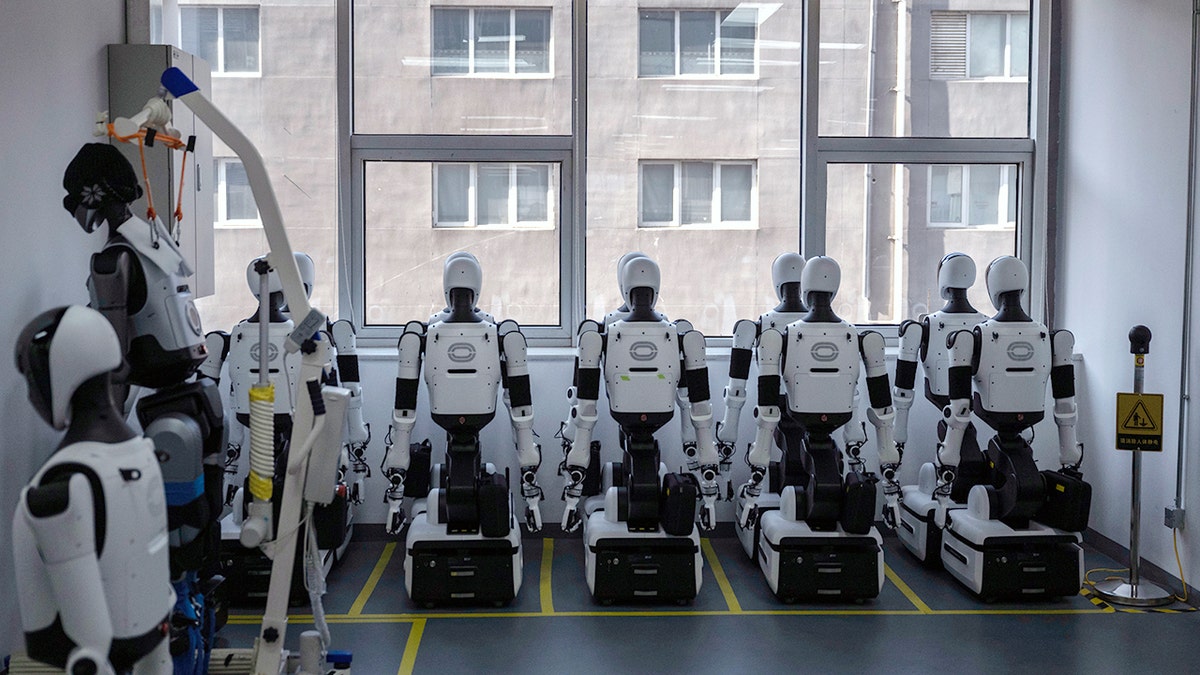
Chinese developers are targeting mass deployment by 2027, integrating embodied AI for tasks requiring real-time environmental adaptation rather than fixed programming.
Western Responses and Strategic Recalibrations
Investors in Europe and North America are closely monitoring these developments, recognizing that China’s integrated approach—from hardware to AI—could lock in long-term dependencies. Reports indicate scrambling efforts to develop equivalent cost structures while maintaining technological edges in safety certification and interoperability standards.
China’s robotics ecosystem is moving from incremental automation to foundational transformation of how goods are produced worldwide.
The implications extend to supply-chain resilience and labor markets, prompting debates on tariffs and technology controls. Overall, the trajectory points to a multipolar robotics future where speed of iteration and policy alignment determine winners.
References: The Diplomat (March 2026), VOA News, Chatham House, MERICS, IFR Press Releases, Asia News Network.