


About
Muscle Corporation (MUSCLE CORPORATION) is an Osaka motion-control and robotics company founded on 26 May 1988 and led by its president, Hirofumi Tamai; the name reflects its aim of making robots that move as smoothly as human muscle. It began as a motor-control developer for ind…
Robotics Media & Highlights
Featured Robotics Video
No featured robotics video yet
There's no video yet
No featured robotics video is linked to this company.
Robotics Snapshot
No primary robotics focus listed.
Related News
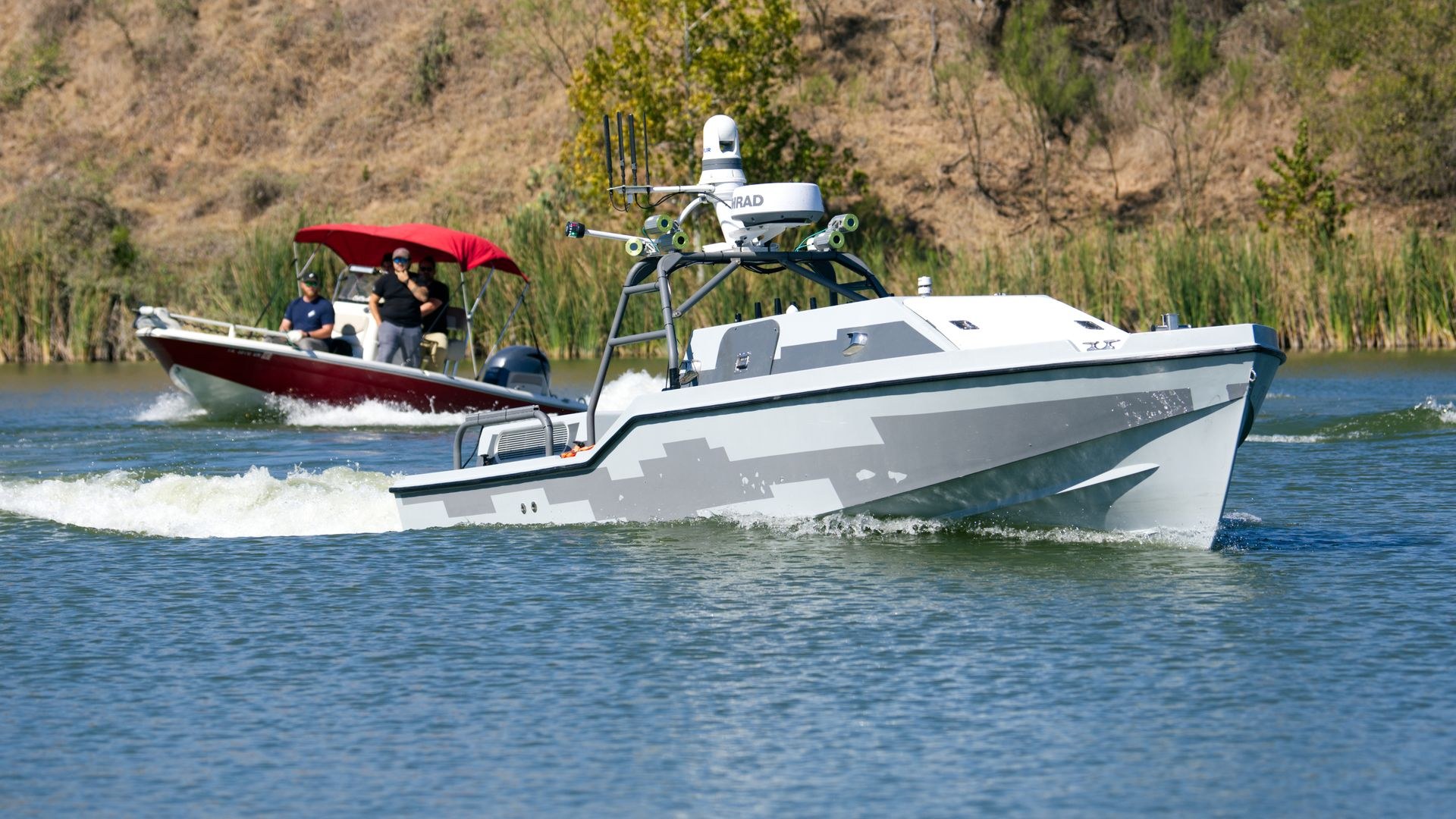
America’s Drone-Boat Champion Just Hired Korea’s Shipbuilding Muscle, and Robots Are the Fine Print
Defense technology company Saronic and Korea’s Samsung Heavy Industries have signed an agreement to bring Korean shipbuilding automation into Port Alpha, the robot-first autonomous shipyard Saronic is building in Brownsville, Texas. The pairing joins American defense capital with the production engineering of one of the world’s most advanced shipbuilders, aimed squarely at China’s overwhelming lead in launch tonnage. For the robotics industry, it signals a national-security-funded procurement wave in welding automation, mobile manipulation, and autonomous material transport. And its labor story inverts the usual automation script: a greenfield robotic yard promising 10,000 jobs created from zero, with robots as the precondition rather than the threat.
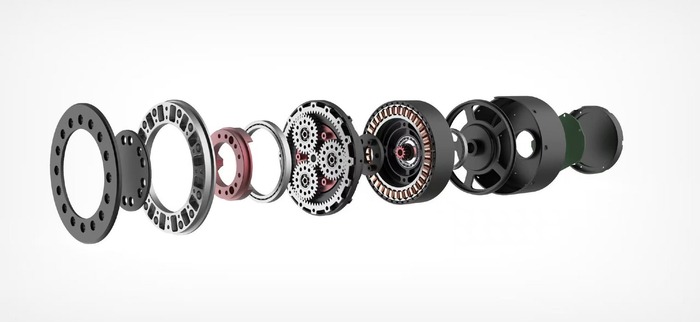
Joint Modules Explained: Why Quanzhibo Just Raised an A+++ Round to Build the Muscle of Physical AI
A three year old hardware startup founded by a thirty three year old engineering PhD has closed its seventh funding round in eighteen months, signaling a massive consolidation in the robotics supply chain. Quanzhibo secured an undisclosed A+++ round led by Hillhouse Capital's GL Ventures, with strategic participation from humanoid developer AgiBot and dexterous hand maker LinkerBot. The company is building high torque robot joint modules, the critical electromechanical "muscles" that power physical AI, and has already shipped over 120,000 units in the first half of 2026. This article explains what joint modules are, why they represent the largest cost bottleneck in humanoid robotics, how Quanzhibo's manufacturing approach differs from global incumbents like Harmonic Drive, and what this funding surge signals for the broader physical AI ecosystem.
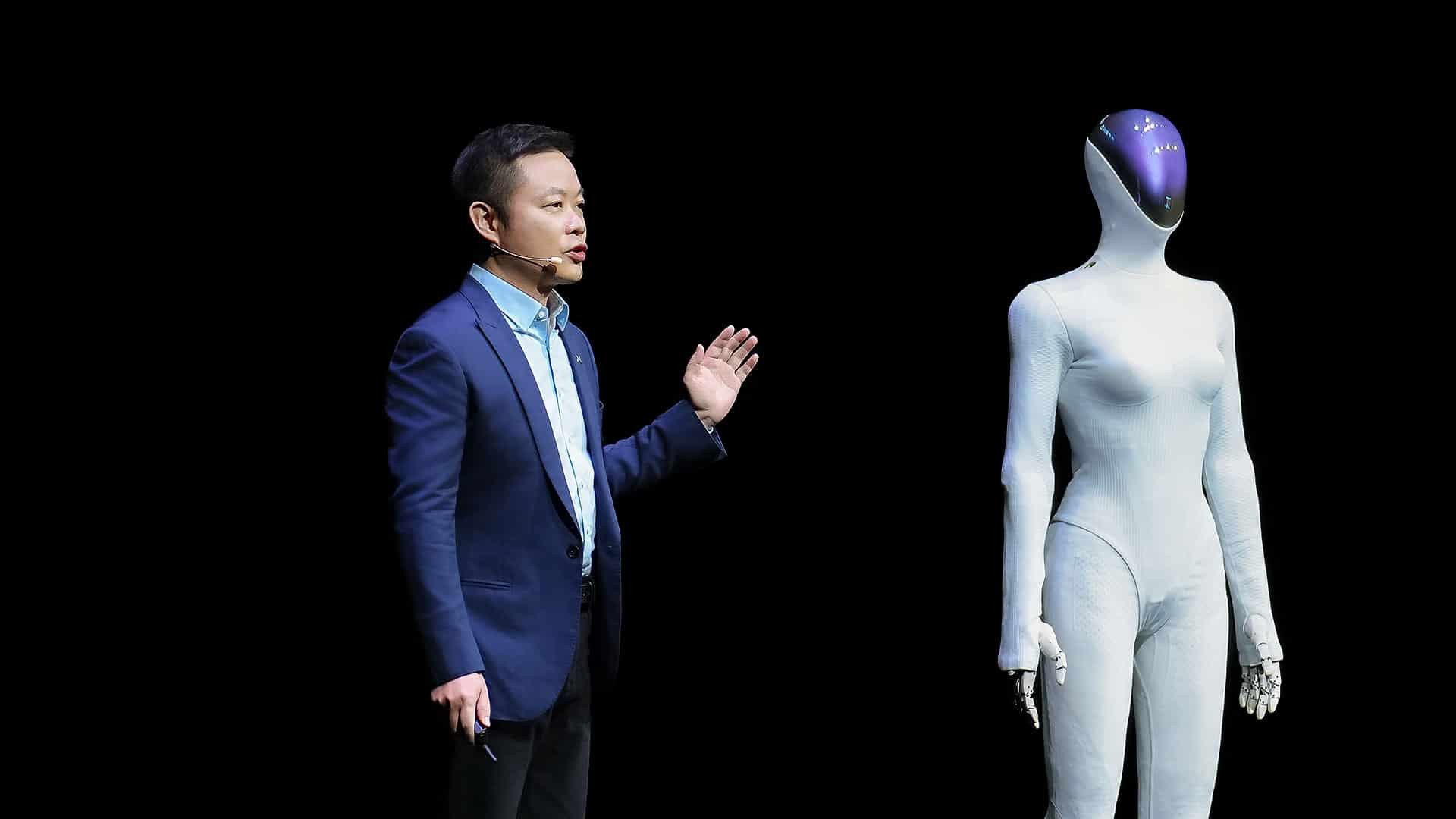
XPeng Starts Building Its Humanoid the Way It Builds Cars, and the Countdown to Mass Production Is On
XPeng's humanoid robot IRON has formally entered small-batch trial production at the company's Guangzhou factory, People's Daily Online and Sina Tech reported on July 24, with the dedicated mass production line now in final systems integration. An internal mobilization meeting fixed the timeline: mass production in 2026, then deployment across XPeng's global stores from 2027 as sales guides and product explainers, with a stated ambition to lift monthly capacity beyond 1,000 units. The EV maker is systematically reusing its automotive supply chain, AI stack, and manufacturing muscle for robots, making IRON the clearest test yet of whether carmakers are the natural winners of the humanoid production race.

Songyan Dynamics sells out 500 N2 humanoids at RMB 9,998 (approximately US$1,380) in two days
Songyan Dynamics launched the N2 humanoid at RMB 9,998 and sold 500 units in two days on JD.com. Backed by RMB 1 billion in new funding and fresh retail partnerships, the company is pushing a price war that targets broad consumer and store adoption.
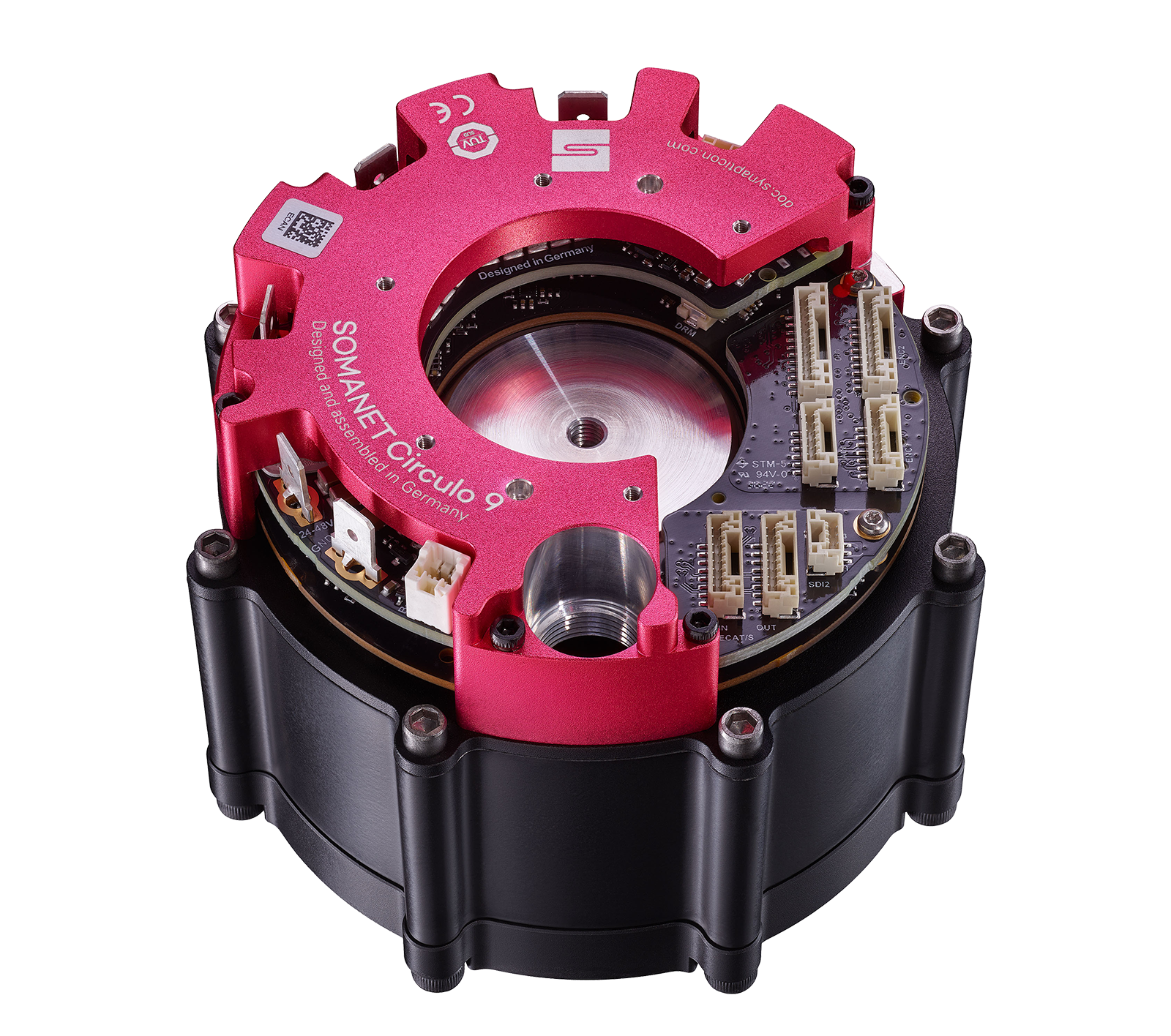
A German Gas-Spring Maker Just Claimed the Most Valuable Part of the Humanoid Robot
Germany's Stabilus and drive-technology specialist Synapticon announced a strategic partnership on July 29 to jointly mass-produce integrated actuators for humanoid robot joints. Small-series production begins at Stabilus plants in Europe in 2027. Large-scale output follows in North America from 2028, close to the leading humanoid makers. Actuators account for roughly half of a humanoid's material value, and Europe's automotive industrial base is now moving to claim that layer.

KAIST and Nvidia Bet That the Next Foundation Model Learns From Muscles, Not the Internet
KAIST announced on July 26 a joint center with Nvidia to develop physical AI that learns from real human motion data. The Human Physical Intelligence Technology Center, co-directed by wearable-robot expert Kong Kyoung-chul and bio-robot expert Kim Jung, will build a Human Motion Foundation Model that predicts and generates human movement, with applications spanning wearable robots, humanoids, rehabilitation, and digital healthcare. It is the second KAIST-Nvidia institution announced in three days, and its raw material is a data asset that internet-trained models cannot replicate.
Related Articles

Inside OriginFlow's Bet on Muscle-Signal Robot Data
Tsinghua PhD candidate Qin Shentao's year-old start-up OriginFlow has raised over US$69 million behind NeuroScale, a wristband-based system that reads muscle signals to capture the force and contact data embodied AI needs, packaged as transferable Human Tokens.
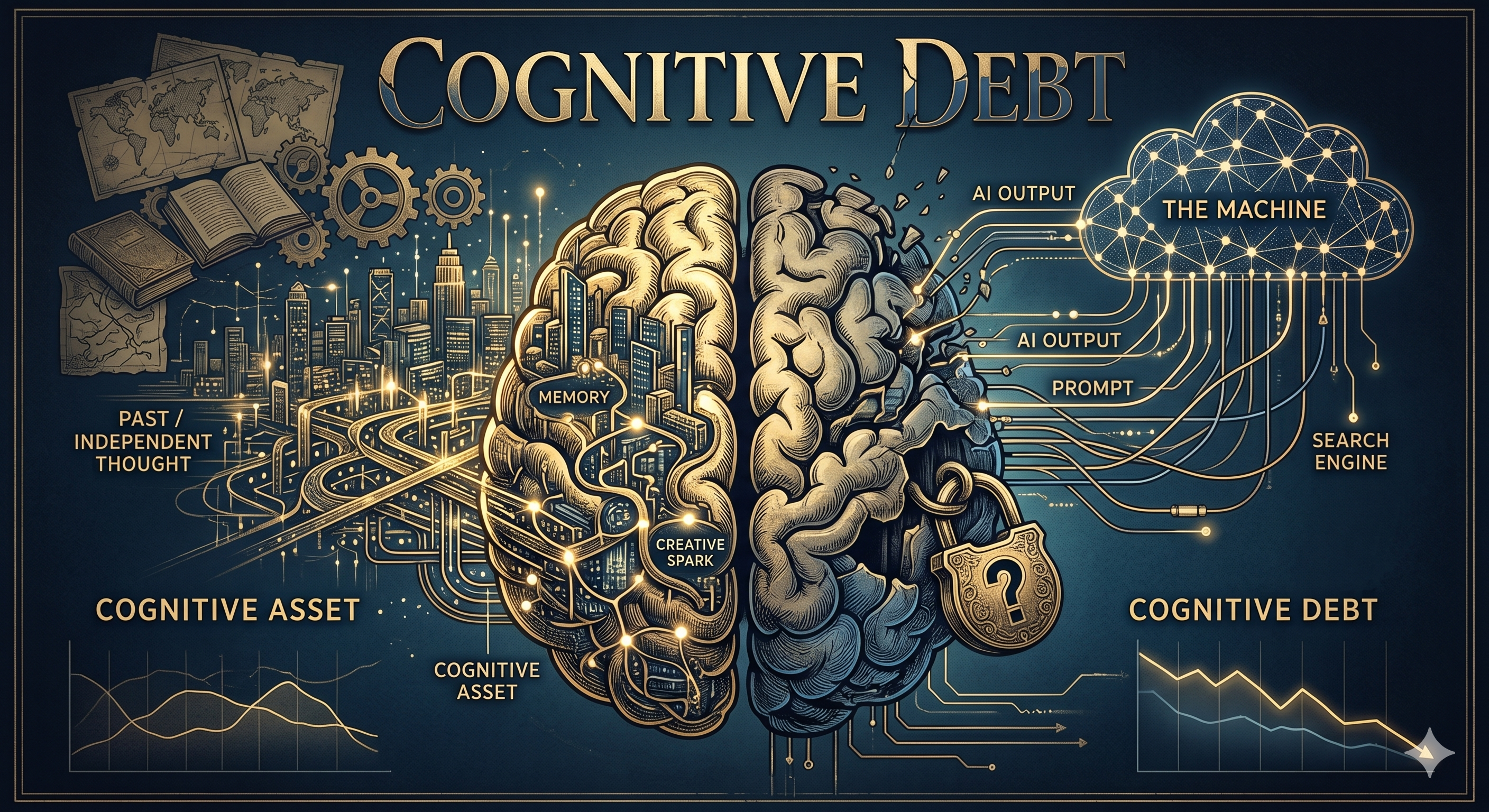
AI's Cognitive Debt: Fiction vs. Reality
AI removes the cognitive struggle of thinking. Like a muscle, the brain atrophies without exercise. Outsourcing reasoning risks losing our intellectual architecture, leaving a superficial society now.

Types of Exoskeletons, What They Do, and Why Adoption Keeps Stalling
The industry says the blockers are battery life and weight. A peer-reviewed study of occupational exoskeletons found setup takes 39 to 110 steps and up to 25 minutes, failing nearly half the time. Passive exoskeletons have no battery at all. They have not reached mass adoption either. The power source is not the constraint.
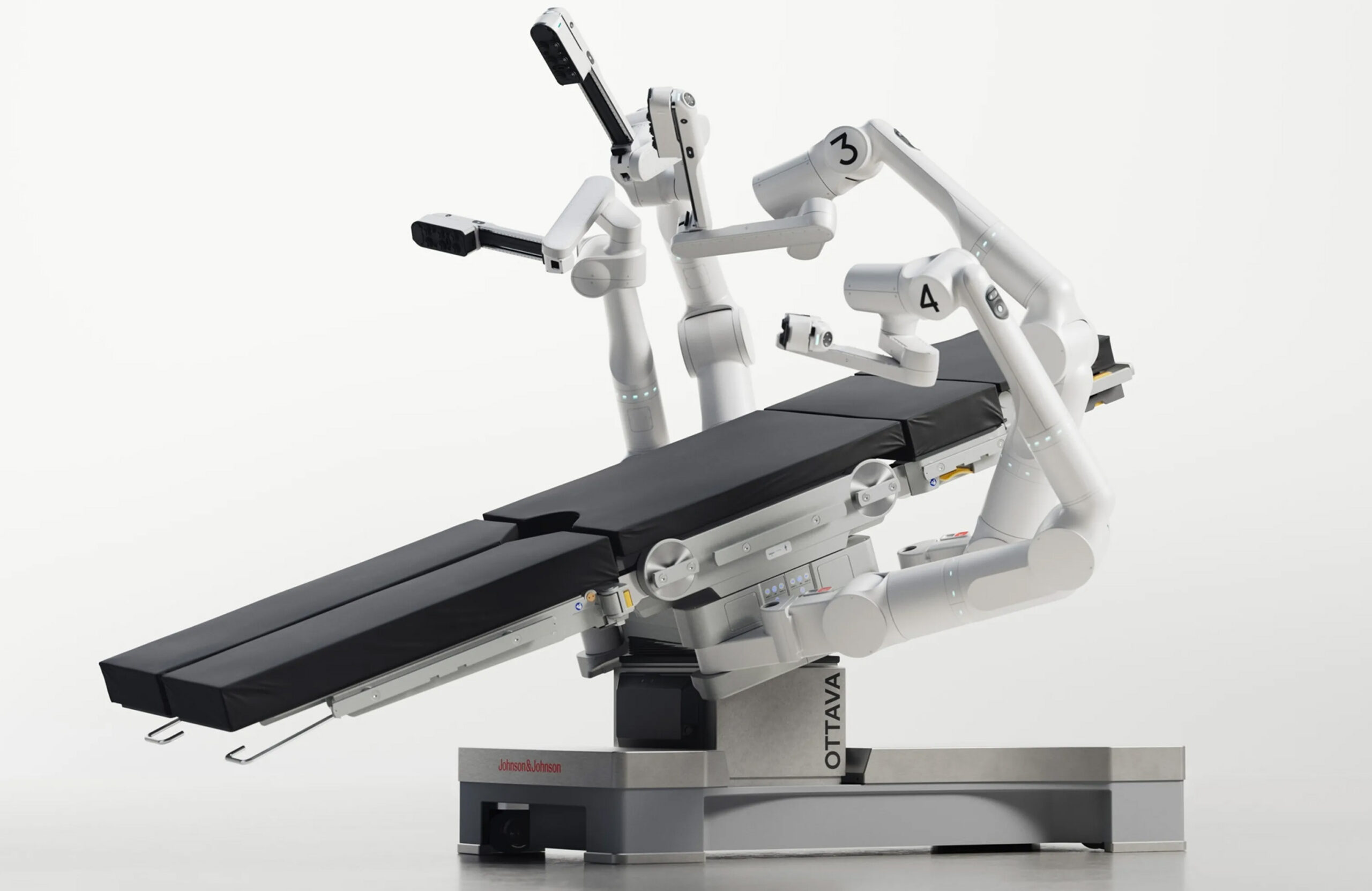
The Surgical Robotics Shakeout: A Bankruptcy, a Duopoly Test, and the Buyer's New Leverage
Surgical robotics just lost one of its most hyped startups to bankruptcy in the same week the premium market gained its first credible second supplier in a generation. This analysis maps the consolidation economics deciding who survives, China's parallel game, and a practical evaluation framework for hospitals entering the duopoly era.
ROBOTS BUILT BY MUSCLE CORPORATION
No Robots Yet
This company has linked robots that are still pending review, so they are not shown publicly yet. Forums, images, and videos appear once those robots are published.
Milestones
| Year | Event | Source |
|---|---|---|
| 1988 | Muscle Corporation founded | — |
LEADERSHIP
Hirofumi Tamai (President and CEO)