


Robotics Media & Highlights
Featured Robotics Video
No featured robotics video yet
There's no video yet
No featured robotics video is linked to this company.
Robotics Snapshot
No primary robotics focus listed.
Related News

KAIST and Nvidia Bet That the Next Foundation Model Learns From Muscles, Not the Internet
KAIST announced on July 26 a joint center with Nvidia to develop physical AI that learns from real human motion data. The Human Physical Intelligence Technology Center, co-directed by wearable-robot expert Kong Kyoung-chul and bio-robot expert Kim Jung, will build a Human Motion Foundation Model that predicts and generates human movement, with applications spanning wearable robots, humanoids, rehabilitation, and digital healthcare. It is the second KAIST-Nvidia institution announced in three days, and its raw material is a data asset that internet-trained models cannot replicate.
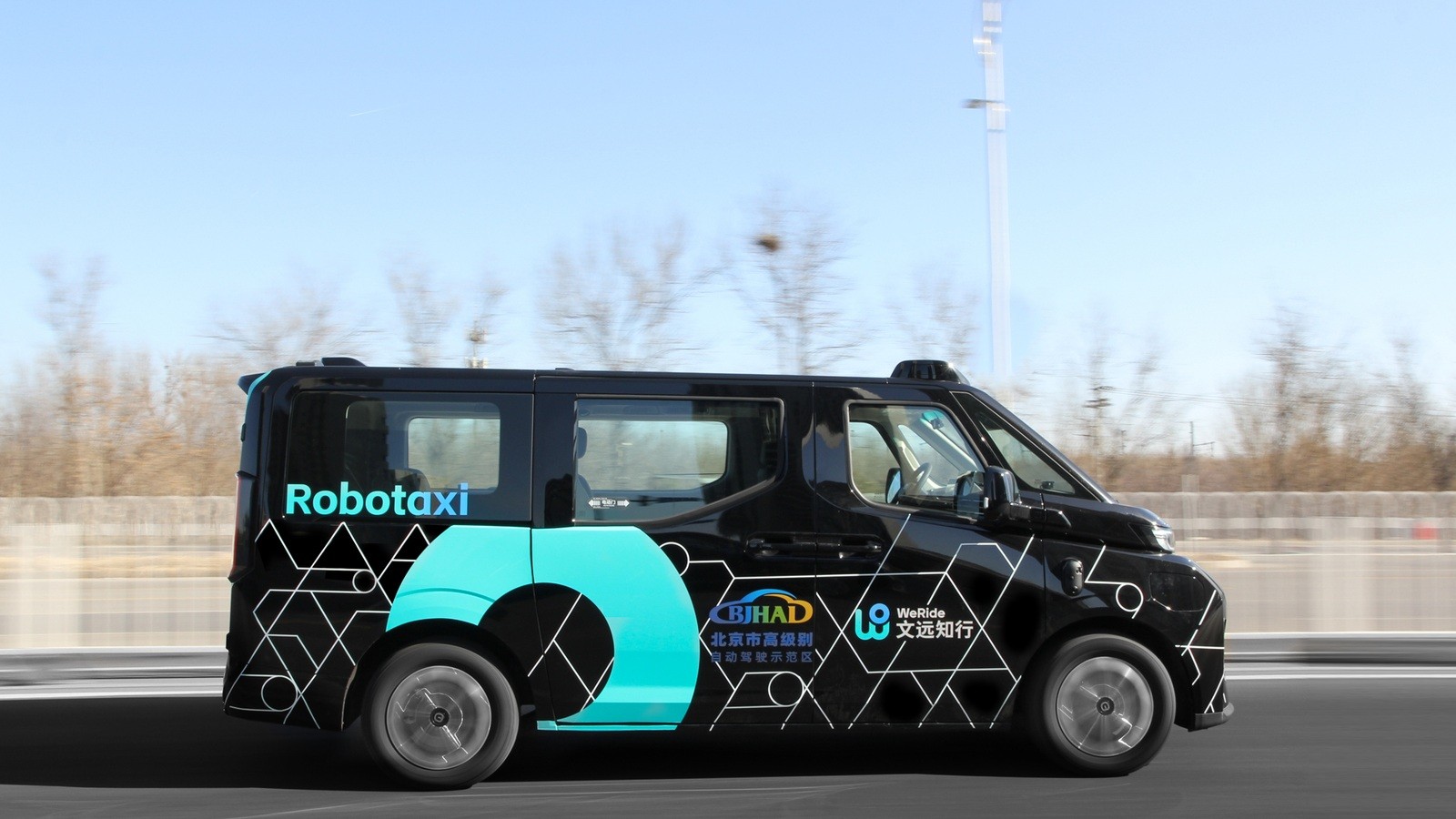
WeRide Introduces WITT Physical AI Cognitive Foundation Model
WeRide has unveiled WITT, a Physical AI Cognitive Foundation Model utilizing Atomic Physical Facts to enhance autonomous driving capabilities and reduce processing costs.

RLWRLD and CJ Logistics Bet On Warehouse-Trained Robot AI
Seoul startup RLWRLD signed an MOU with CJ Logistics to commercialize a dexterity-focused robotics foundation model trained on body-camera-captured worker movement, starting with warehouse deployment tests in Korea before any overseas push.
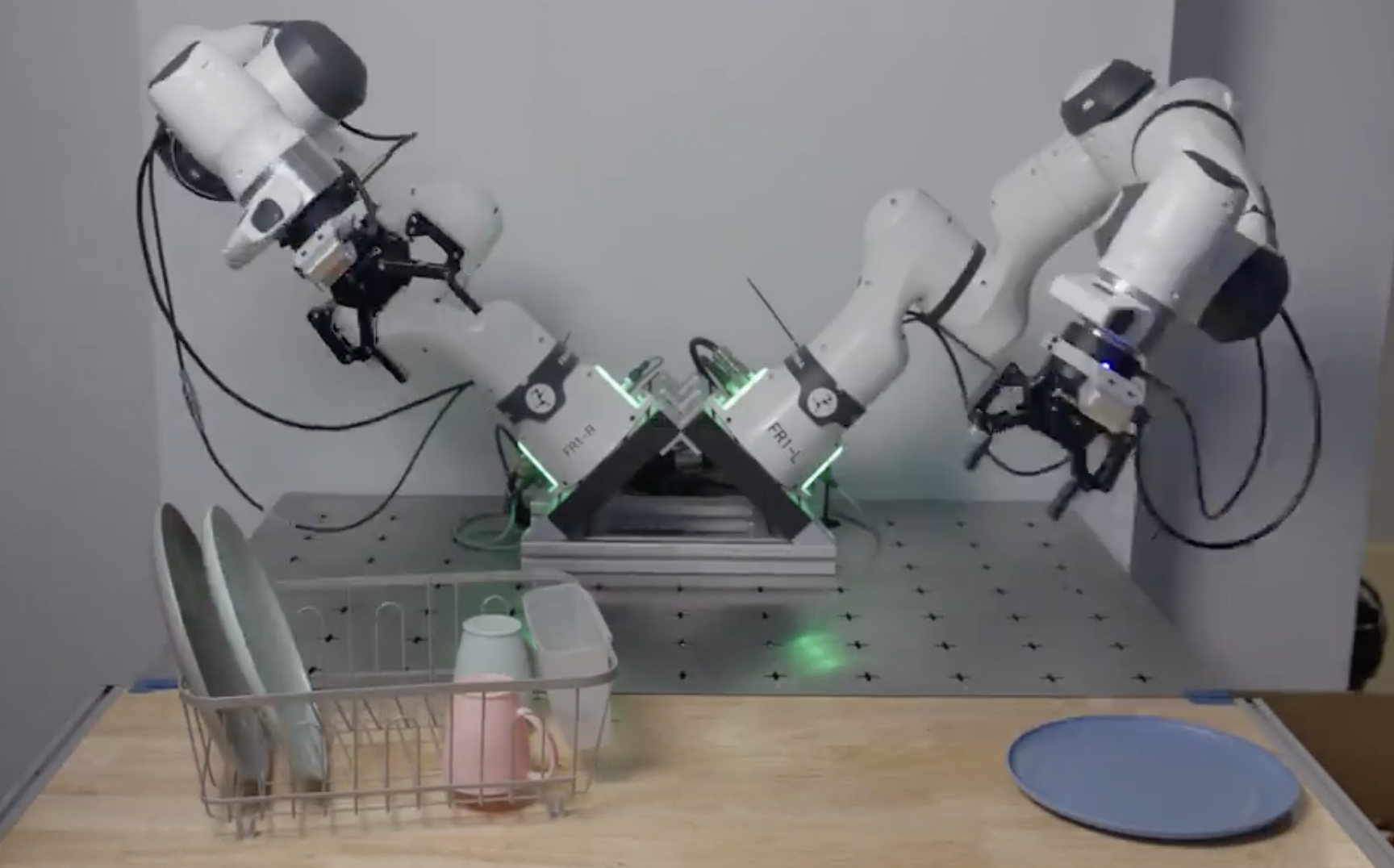
Skild AI's Robot Model Learns New Tasks From a Single Video
Skild AI says its new S1 foundation model learns unfamiliar robot tasks from a single demonstration video, hitting a 66% per-step success rate versus 9% for prior systems, as the Pittsburgh startup passes a US$100 million revenue run rate on NVIDIA's physical AI stack.
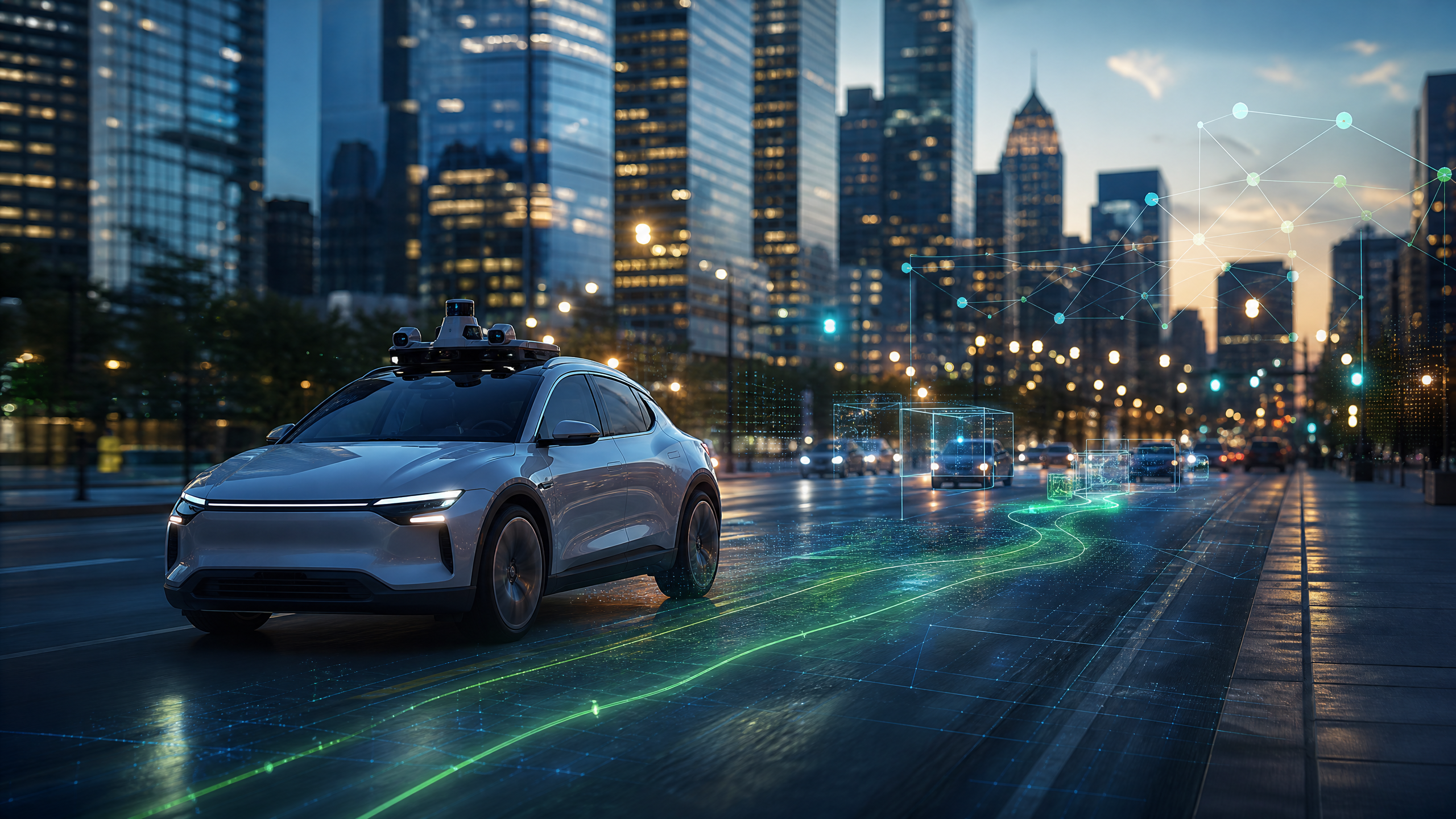
NVIDIA Alpamayo 2 Super Brings Frontier Reasoning to Robotaxis Under Open Commercial License
NVIDIA has released Alpamayo 2 Super for commercial use, delivering frontier-scale autonomous driving reasoning under the permissive OpenMDW-1.1 license managed by the Linux Foundation. The model ranks first on the LingoQA benchmark among nearly 40 evaluated models and generates five tightly coupled outputs per driving scenario, including trajectory planning and chain-of-causation traces.

World Labs Launches R2S2R Engine, Claiming Zero-Data Robot Training
World Labs, the San Francisco spatial-intelligence startup founded by Stanford professor Fei-Fei Li, has launched Real-to-Sim-to-Real (R2S2R), a robot policy training and evaluation engine. Powered by technology from its recent acquisition of robotics simulation startup SceniX, R2S2R aims to solve the robotics data bottleneck by reconstructing real environments into interactive virtual worlds. The company claims policies trained with zero real-world data ran autonomously for one hour on tasks like cable routing and test-tube transfer. As an embodiment-neutral infrastructure play, World Labs is positioning itself as a critical layer between robot hardware and foundation models, targeting early deployments in warehouses, laboratories, and electronics assembly.
Related Articles
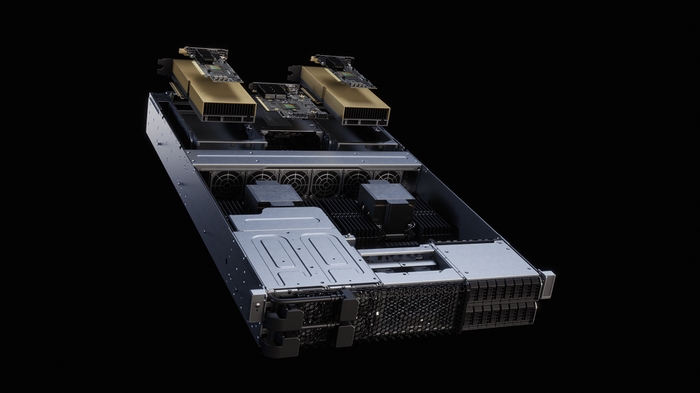
The Next Robotics Bottleneck Is a Power Grid in Johor, Not a Chip Fab
Robot foundation-model training runs on GPU clusters that need real power grids and water permits, and Malaysia's Johor corridor shows that fight is already public, with a fourteen-times gap between reserved and actual data-centre electricity demand.
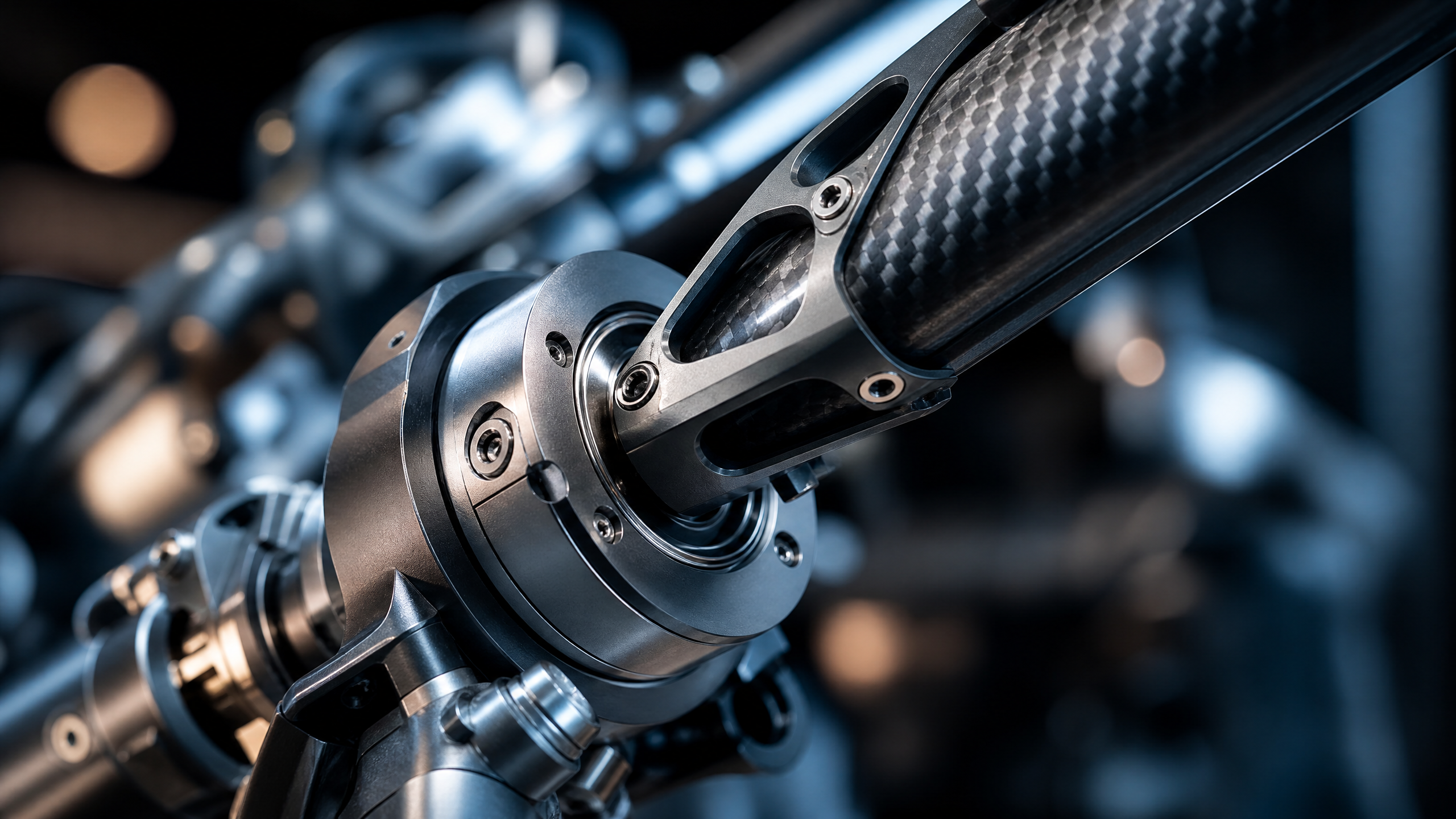
The Hardware Reality Check
The proliferation of robotic foundation models has exposed the physical limitations of the hardware they control. With a teleoperated humanoid performing surgery and a high-profile stage collapse at Computex, the technical focus has shifted from artificial intelligence reasoning to actuation, simulation transfer, and raw electromechanical reliability.
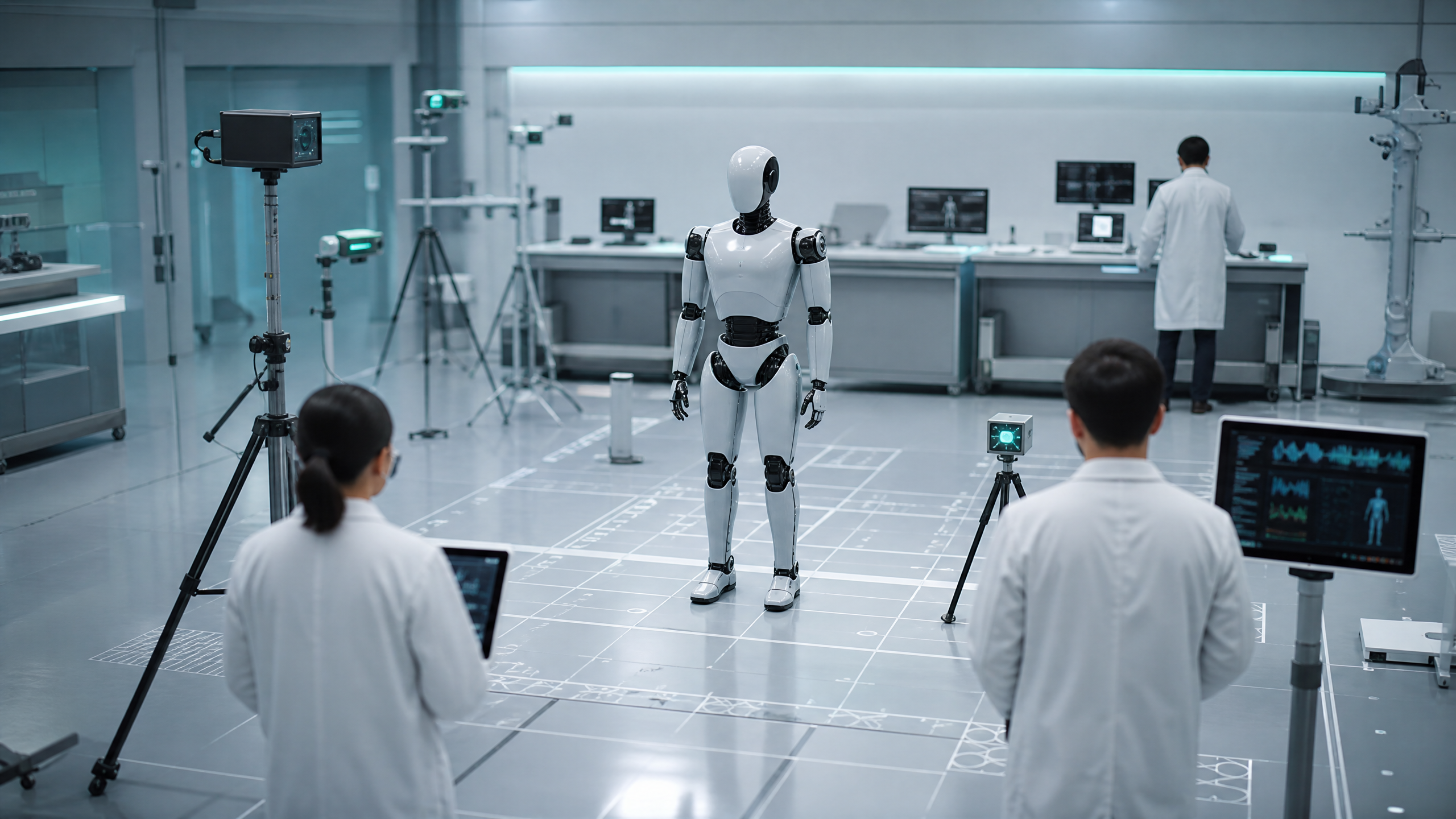
July 2026 Technology Wrap-Up: Trust Became the Bottleneck
July 2026 produced more robot foundation models than any prior month, and the technical center of gravity shifted in response: the scarce layer is no longer models or data but evaluation, certification, and standards. China's MIIT convened its humanoid standardization plenary and stood up a data working group, Europe's ISO 10218:2025 transition began sorting prepared vendors from unprepared ones, and a wave of benchmarks emerged to measure what the model flood actually delivers. The trust layer is becoming the product.
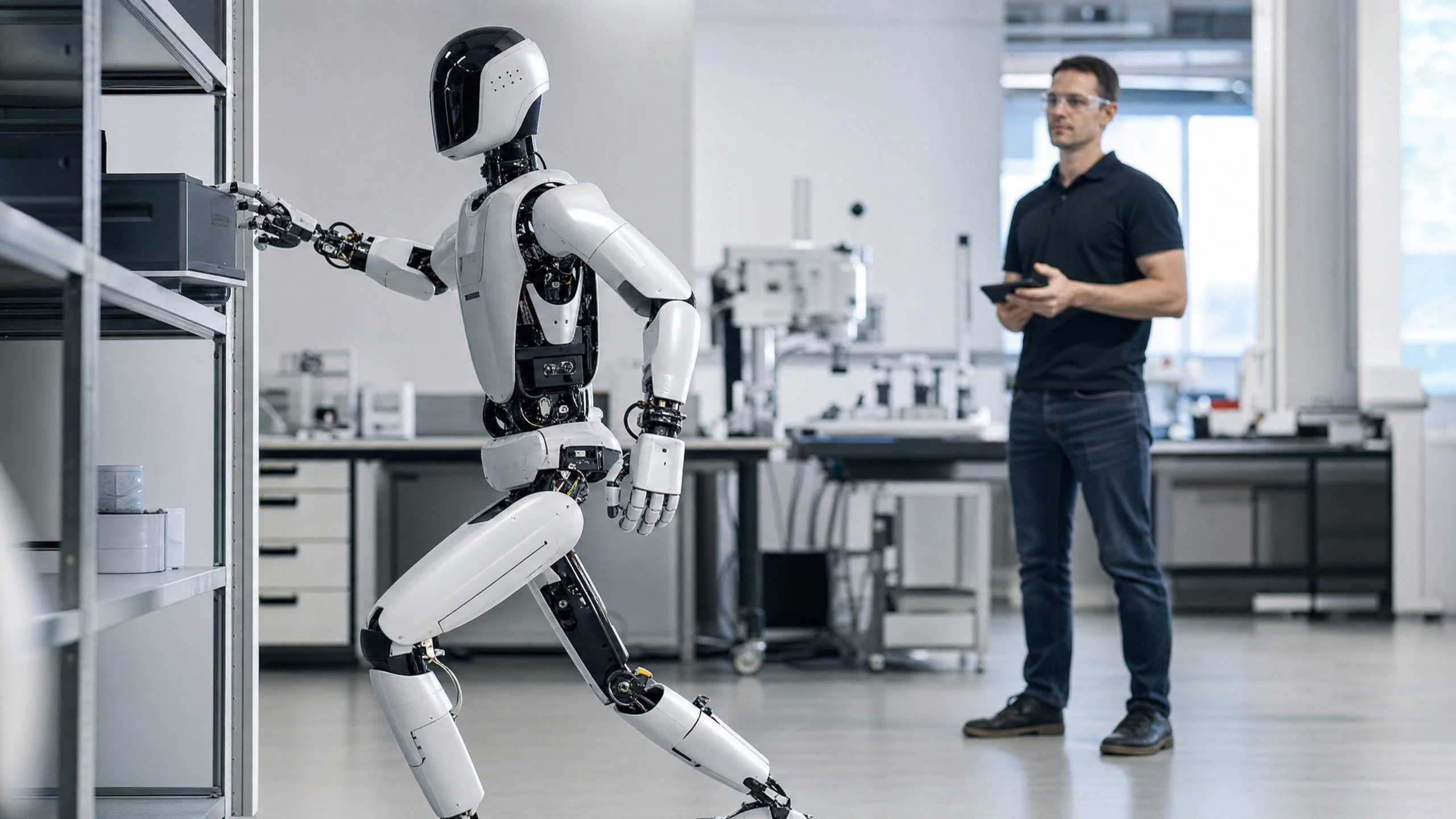
The Loco-Manipulation Race: Can Robots Finally Move and Work at the Same Time?
Two robotics teams on opposite sides of the world have each published a breakthrough approach to the same problem that has stalled humanoid robotics for decades: how do you get a robot to move and work at the same time? Beijing-based Galbot recently announced AstraBrain-WBC 0.5, a GPT-style "cerebellum" foundation model that treats physical motion the way language models treat text. Around the same time, Toronto-based Current Robotics released Curr-0, a full-body dexterous manipulation model built on a single, unified policy. The convergence was not coincidental. Both releases represent different bets on how to solve loco-manipulation, the ability of a humanoid robot to navigate its environment and manipulate objects simultaneously, without stopping, without switching modes, and without falling over.

Open-Source Robotics Won the Software Layer. It Is Losing the Data Layer.
Open source already won in robotics. 55% of commercial robots shipped in 2024 run ROS, the open-source foundation. But ABB, FANUC, and Yaskawa are achieving operating margins above 20% on software and aftermarket services. Two contradictory facts — unless you understand they are measuring different layers. The debate you think is about code has already been settled. The debate that actually matters is about data. And data tends to close.
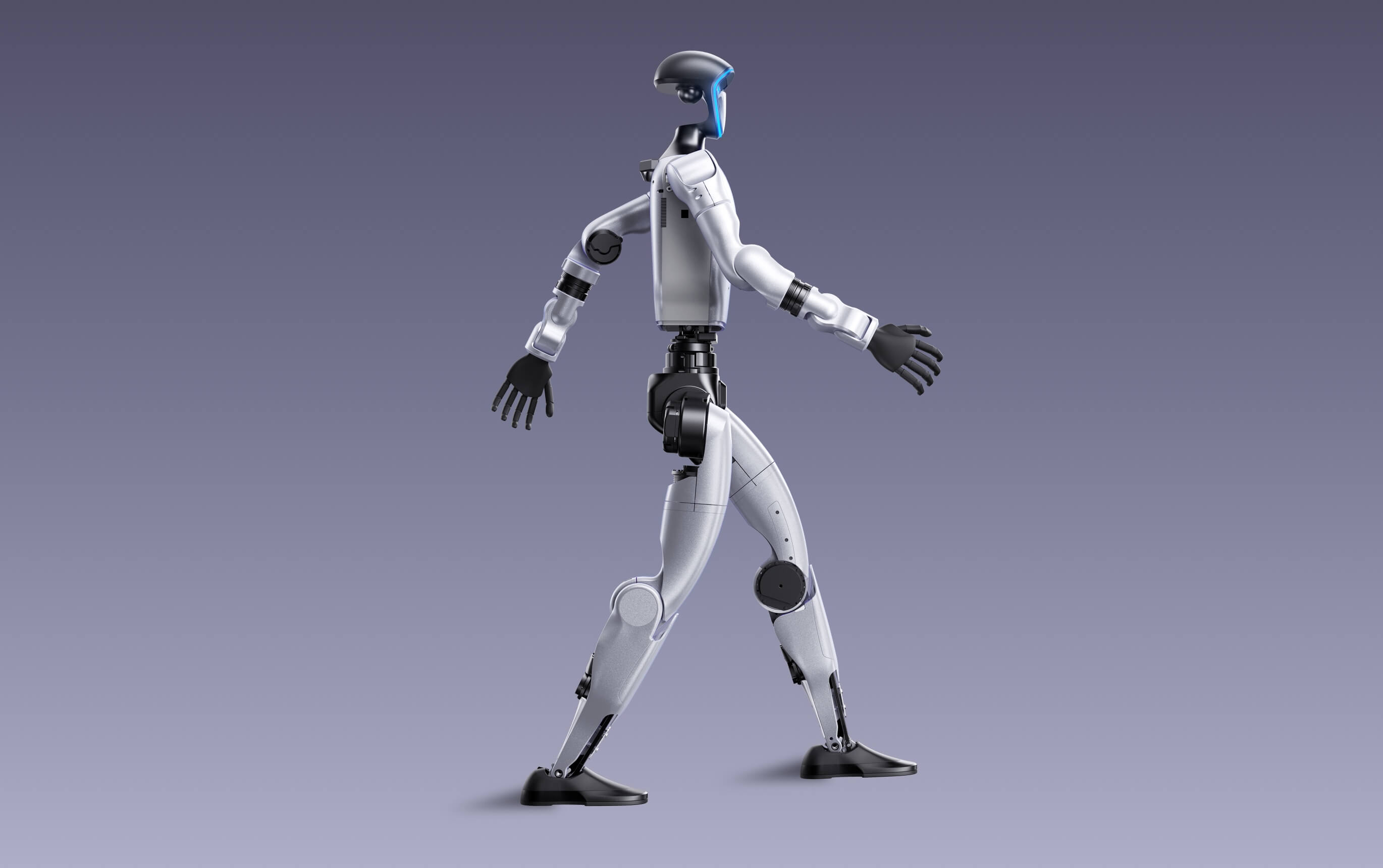
A Humanoid Was Asked to Change a Light Bulb. NVIDIA's Flagship AI Tied a Robot Doing Nothing At All.
A new open benchmark called Fiatlux puts a Unitree G1 humanoid through climbing a ladder and replacing an overhead light bulb in one continuous episode. NVIDIA's flagship GR00T N1.7 model scored statistically the same as a policy that does nothing, and even expert human teleoperation could not complete the climbing subtasks, pointing to whole-body control, not AI reasoning, as the real bottleneck.
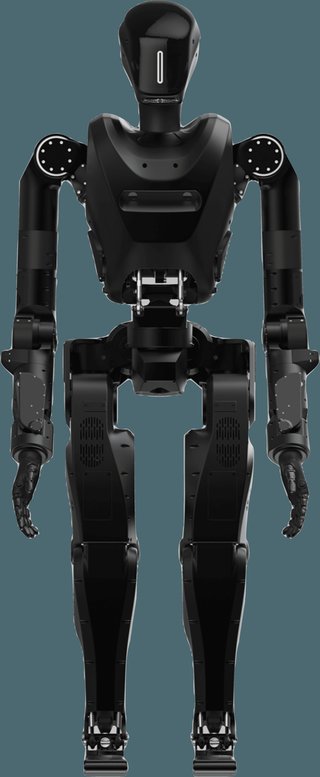
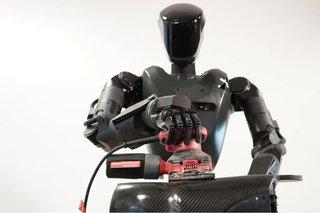
ROBOTS BUILT BY FOUNDATION ROBOTICS
LEADERSHIP
Sankaet Pathak (Co-Founder & CEO) Mike LeBlanc (Co-Founder) Eric Trump (Chief Strategy Advisor)