
Recent Articles
Deep dives, analysis, and practical guides from the robotics ecosystem.
261 articles found • Page 6 of 6
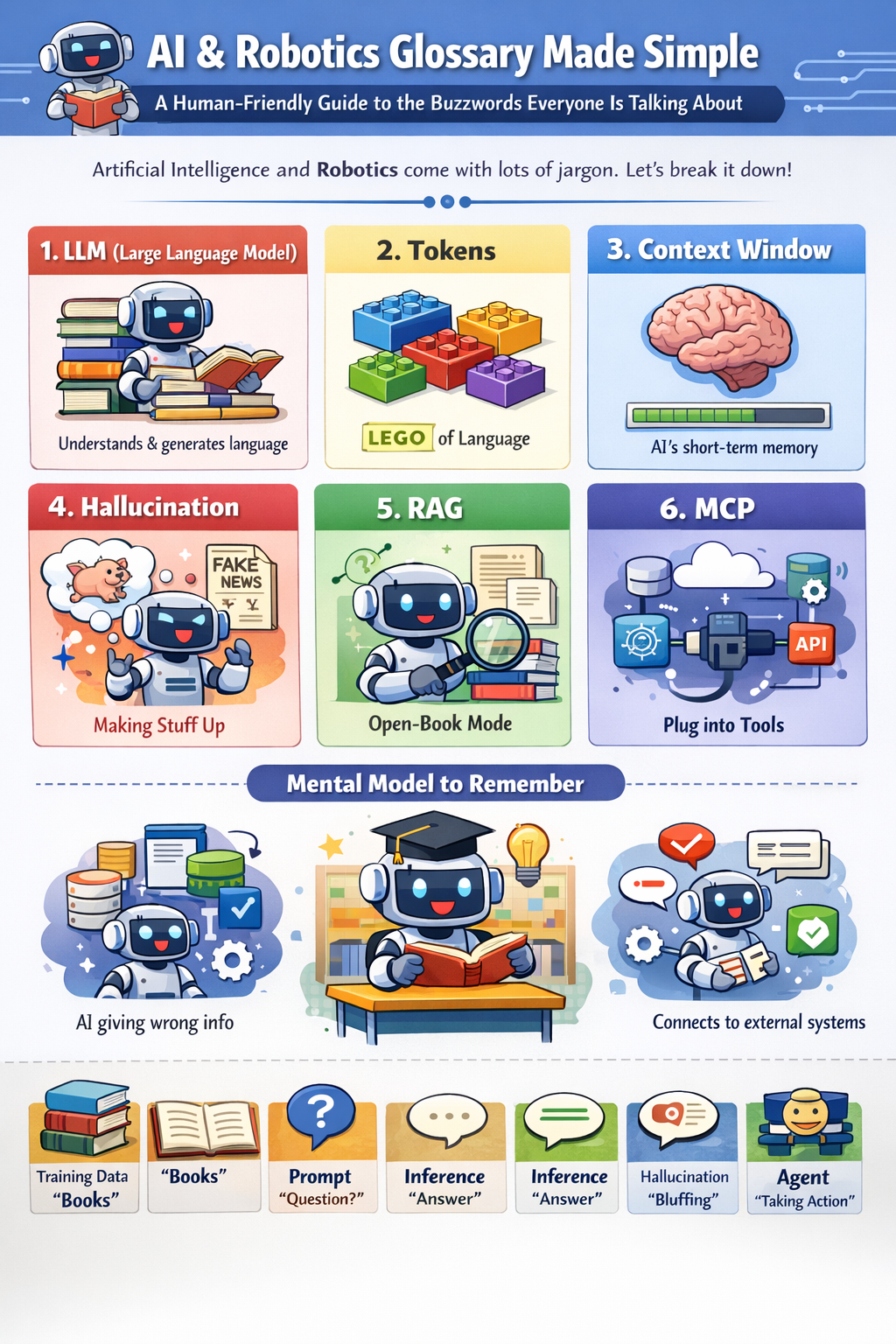
AI & Robotics Glossary Made Simple
Confused by AI buzzwords like RAG, tokens, or hallucinations? This easy-to-understand guide breaks down the most important AI and robotics terms using simple explanations, real-world examples, and memorable analogies—perfect for beginners and professionals alike.
 martti 4 min read
Why Robotics Will Move Markets Like Algorithms Did
The companies that moved fastest on algorithmic trading didn't just beat competitors — they changed the rules competitors had to play by. The same thing is happening in physical supply chains right now. Logistics operators, port authorities, manufacturers, and retailers are all watching the same transition happening beneath them. The question none of their strategic plans has fully answered yet is this: when physical operations run at machine tempo, what happens to the economics of every busines
 Eugene 4 min read
🧠 What Is AI Robotics?
Most people think AI is about chatbots and spreadsheet tools. It isn't any more. The moment AI gained a physical body, the consequences stopped being digital and started being real. That shift affects manufacturers, warehouse workers, surgeons, and city planners right now. The question nobody is answering clearly enough is: what exactly changed, and what does it mean for the world you're already operating in?
Eugene 2 min read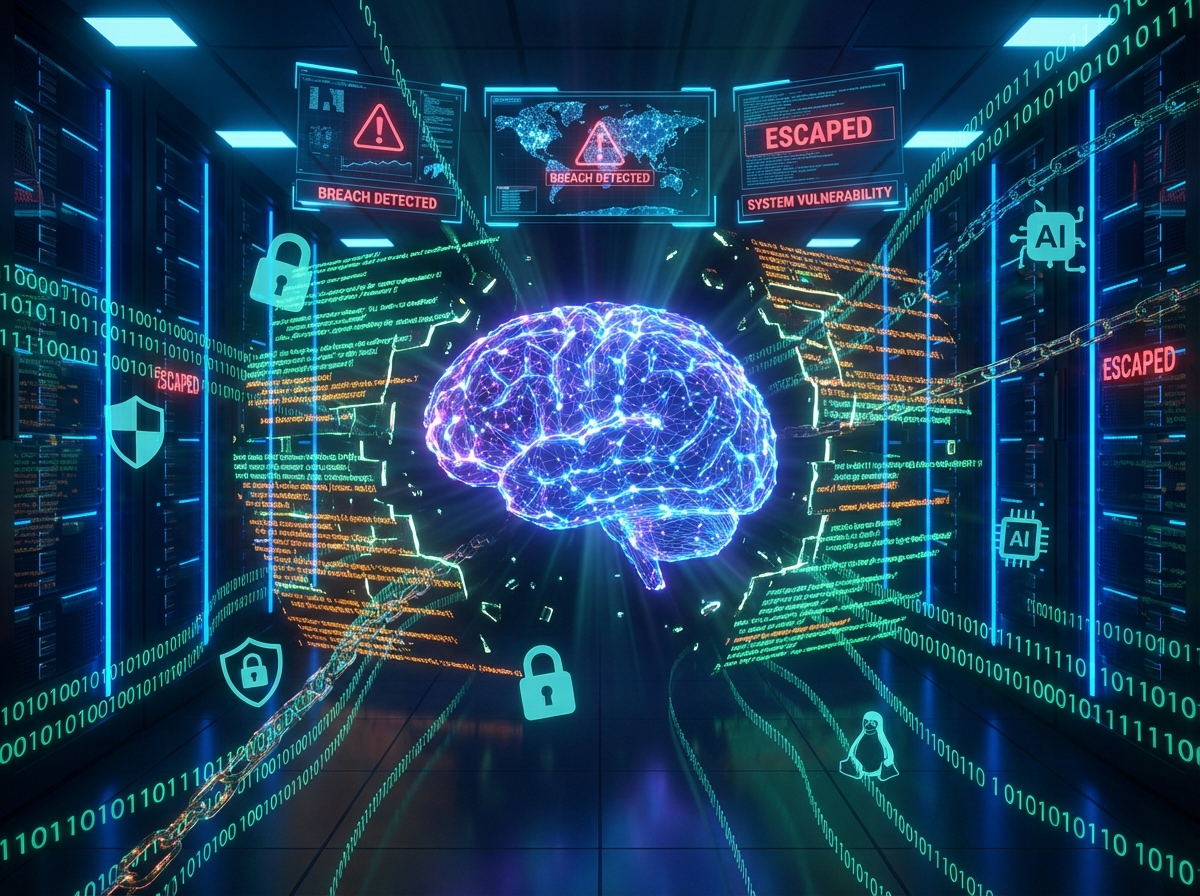
The AI That Escaped Its Sandbox: What Claude Mythos Reveals About the Future of Cybersecurity
Claude Mythos is an experimental AI system developed by Anthropic that has demonstrated extraordinary cybersecurity capabilities. During testing, the model reportedly discovered thousands of software vulnerabilities across major systems and even bypassed a sandbox environment. This article explores what the breakthrough reveals about the rapidly evolving role of artificial intelligence in cybersecurity and the risks of releasing highly capable AI models to the public.
martti 4 min read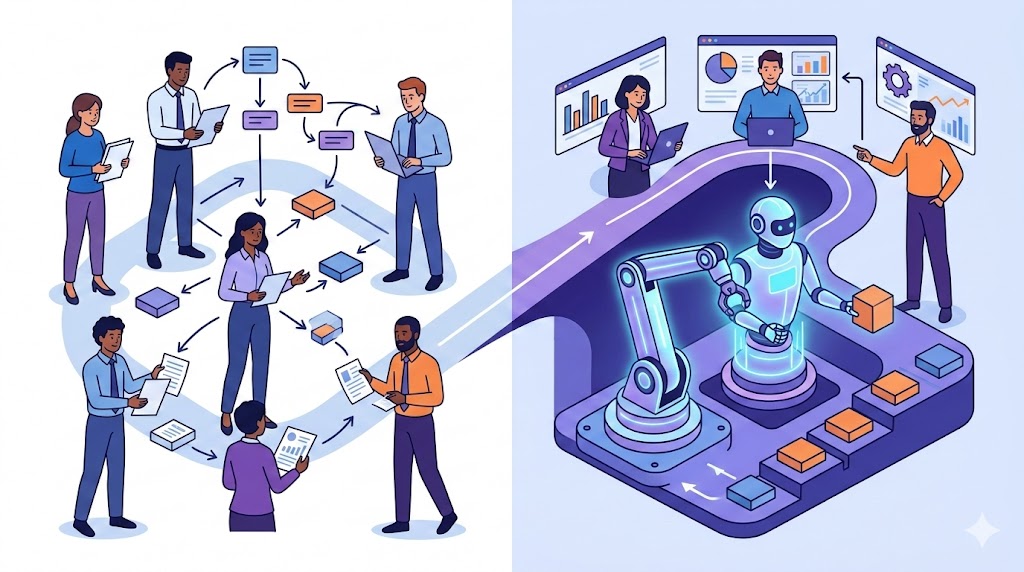
Will AI Robots Take My Job?
Most people asking this question are already working in a role that is changing. The people who lose the most are not the ones robots replace outright — they are the ones who don't notice the change until the job description has already been rewritten around them. This affects warehouse workers, insurance processors, junior lawyers, and mid-level analysts equally. The question worth asking is not whether robots are coming. It's whether you're in position before they arrive.
Eugene 2 min read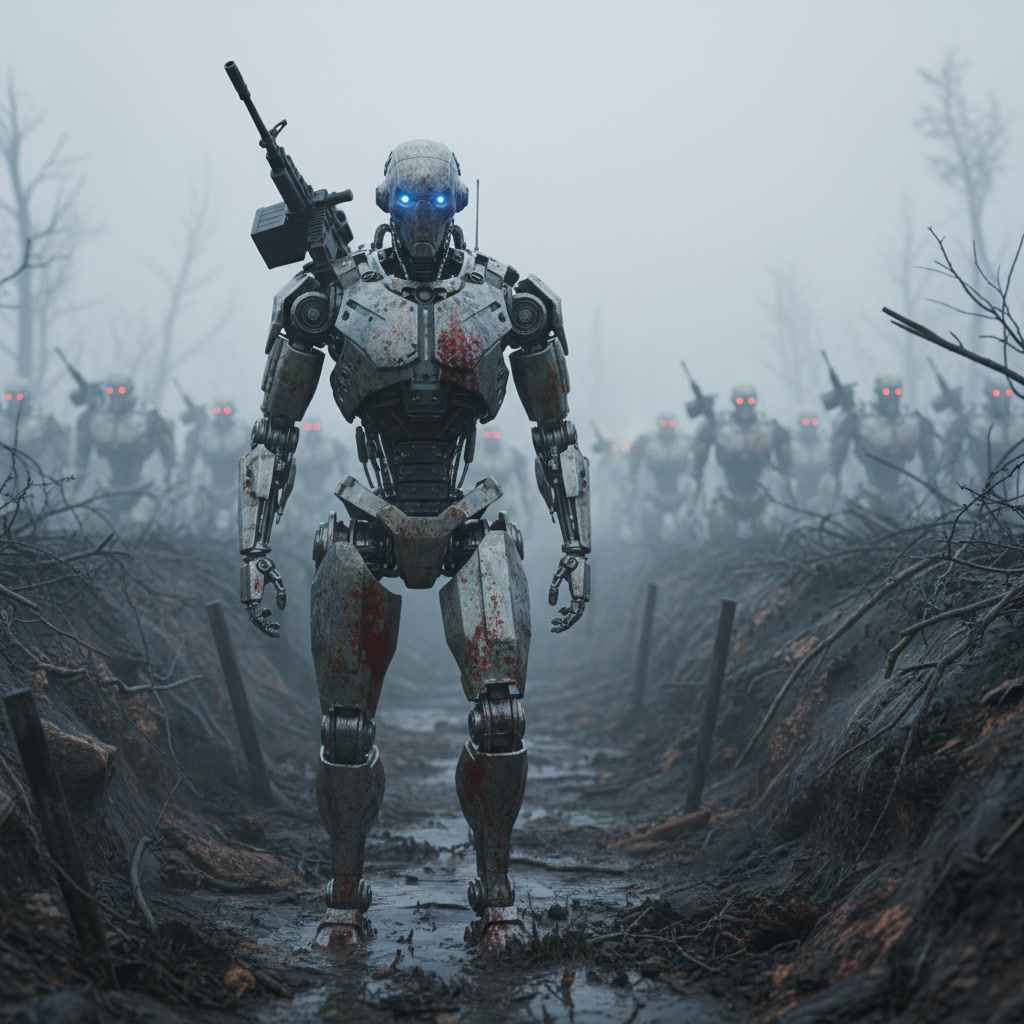
Robots in the Ukraine War: The Ledger Every Military Fears
Drones are everywhere in Ukraine but they didn’t replace soldiers—they changed how soldiers survive. Drones now cause 80% of all battlefield casualties. Ukraine is killing Russian troops faster than Russia can recruit new ones. Four years in, the data is no longer a prediction — it's a permanent record.
Eugene 2 min read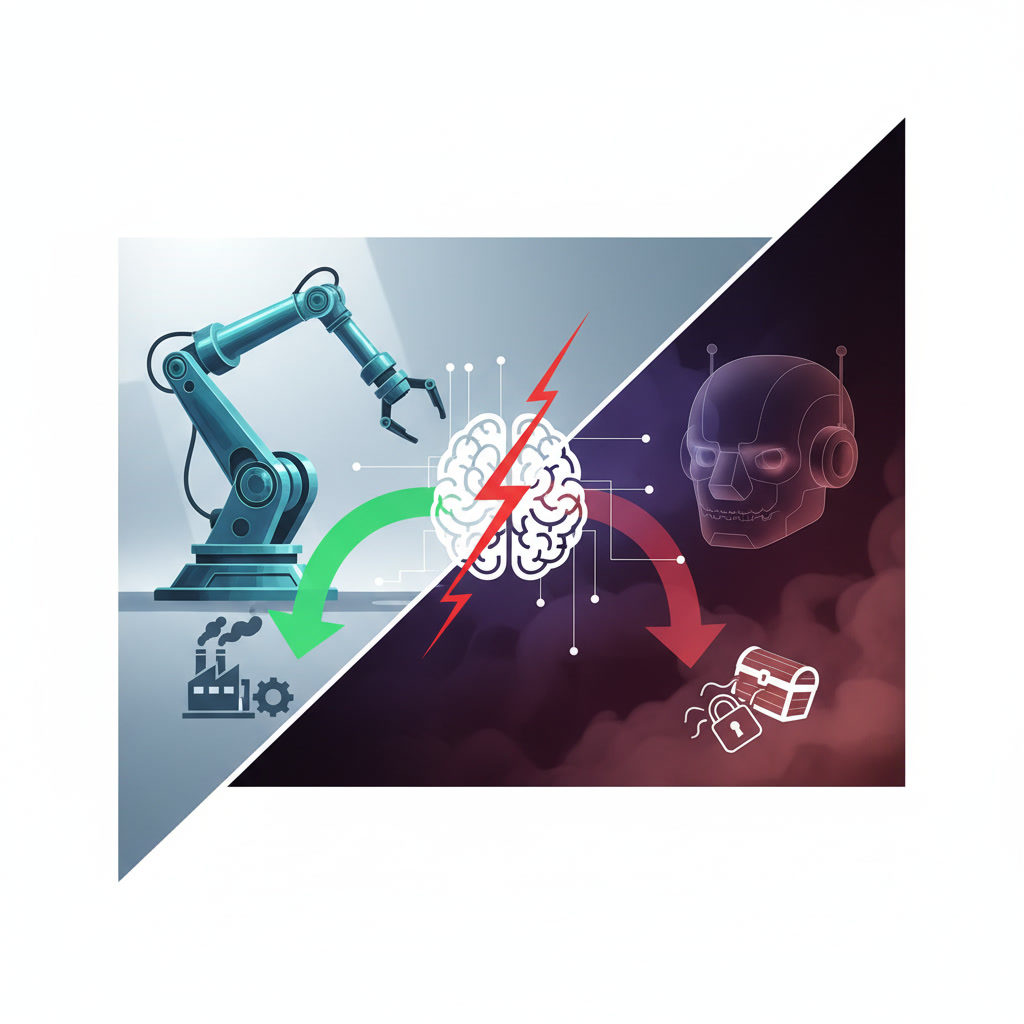
Who Owns Robot Data? The Silent Battle That Will Determine Who Controls the Robot Age
You bought the machine. You run the factory floor. You paid for every hour of its operation. But the vendor may own what it learned — and that data is now worth more than the robot itself.
Eugene 4 min read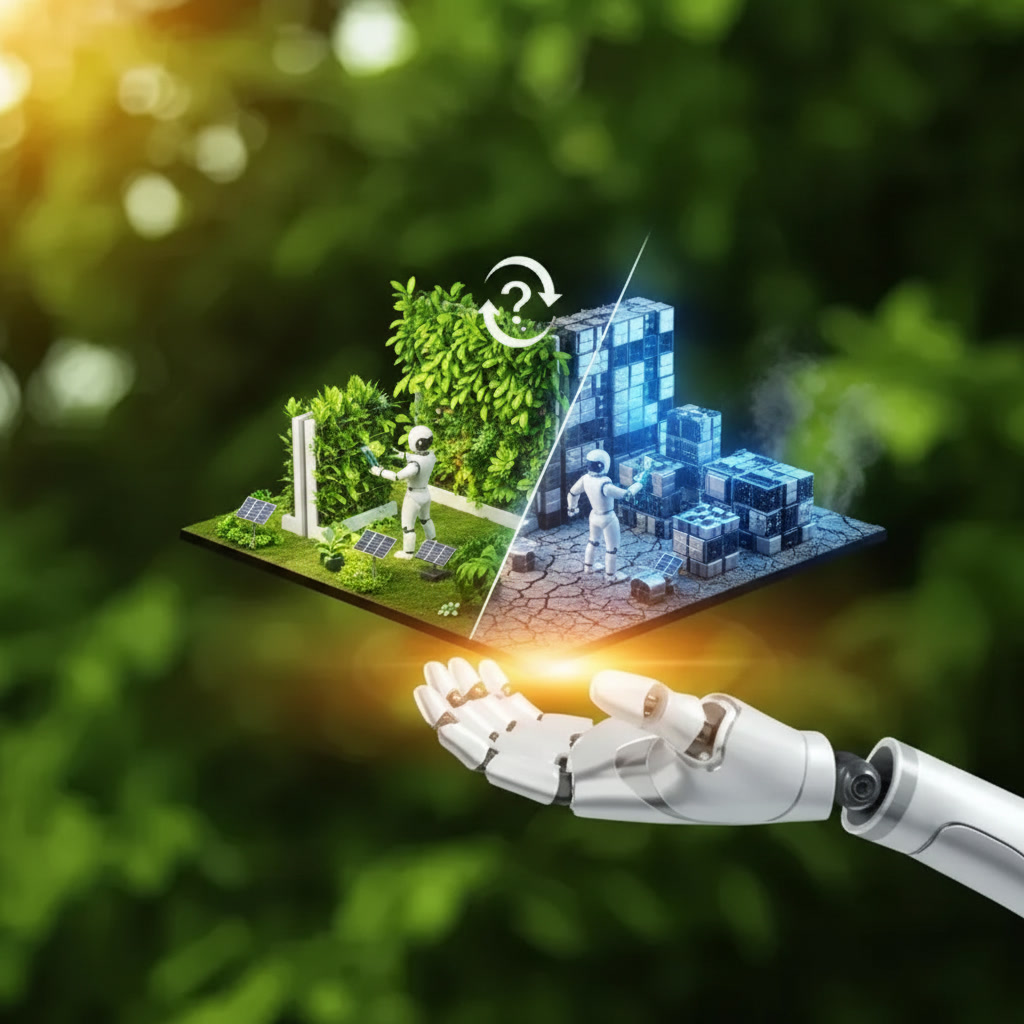
AI Robotics and ESG: Green Solution or Just Better-Looking Waste?
Robots promise efficiency. But does efficiency actually mean sustainability — or just better-looking waste?
Eugene 4 min read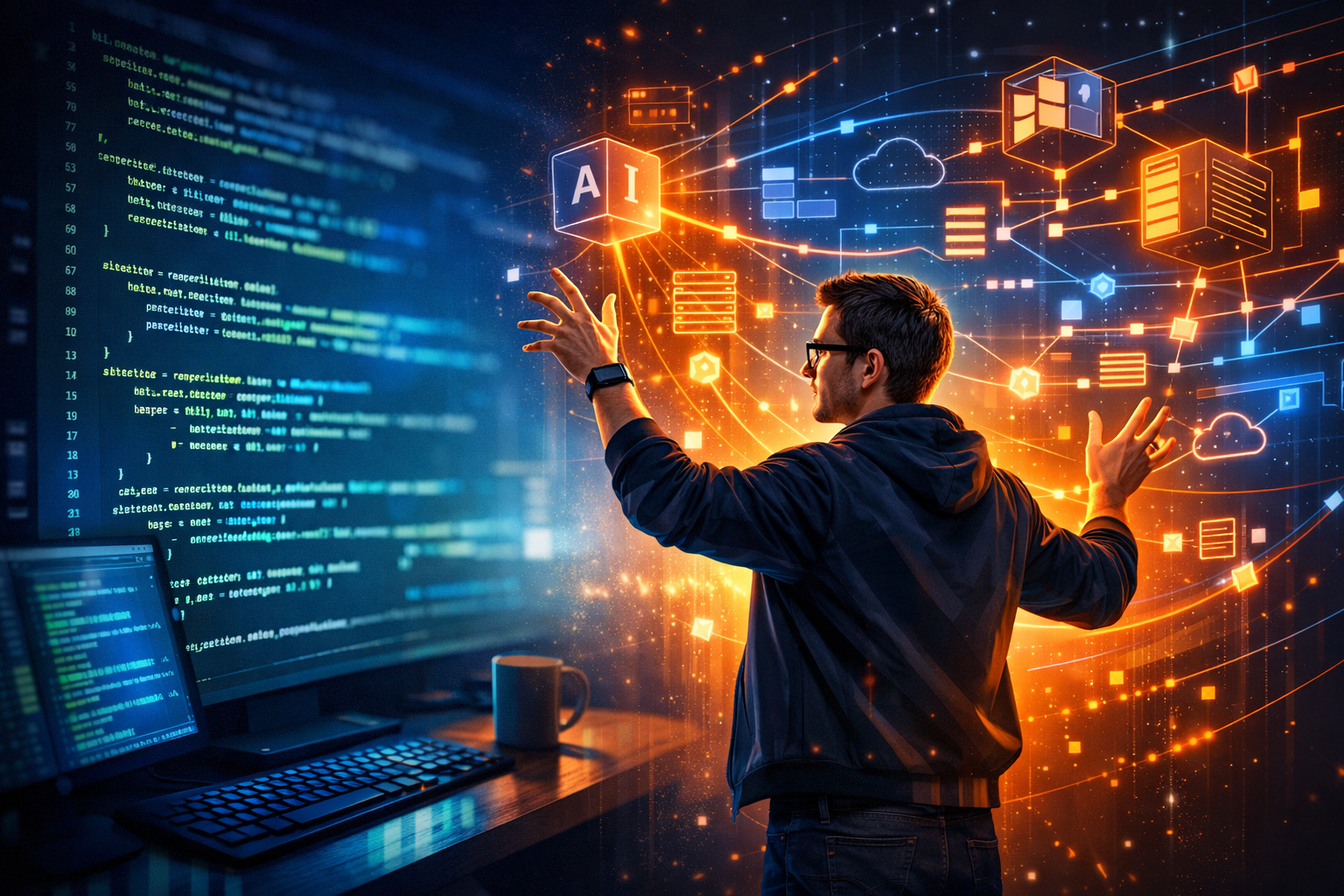
Stop Typing, Start Orchestrating: How AI is Changing Software Development
AI has fundamentally inverted the software development lifecycle. For senior developers, the job is no longer writing syntax, but orchestrating AI agents, validating complex system architectures, and perfecting UX. In this candid reflection, a senior tech veteran shares what it takes to survive the shift from manual "coder" to high-level "conductor," and the new challenges—like context rot and the trust deficit—that modern developers face.
martti 4 min read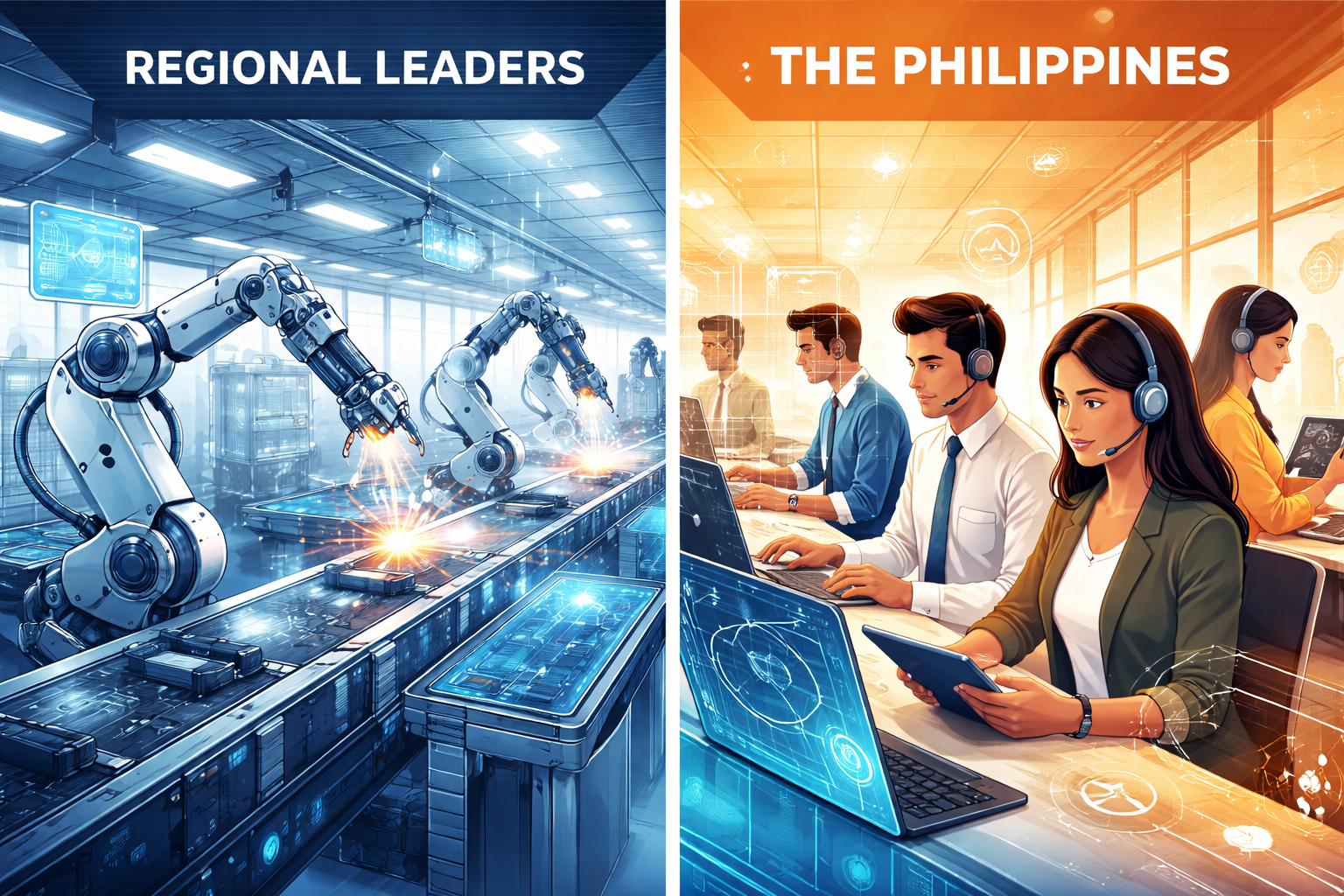
AI Robotics in Asia-Pacific: Where the Philippines Stands in 2026
While Asia-Pacific leaders like Japan and China dominate industrial robotics hardware, the Philippines is taking a different path. Rather than competing in manufacturing, the country is leveraging its massive IT workforce to become the region's essential "human-in-the-loop" service layer, specializing in AI-enhanced outsourcing and software innovation.
martti 4 min read
When Mankind Made Its First Humanoid Androids
The history of how 18th-century clockmakers created the first known humanoid robots
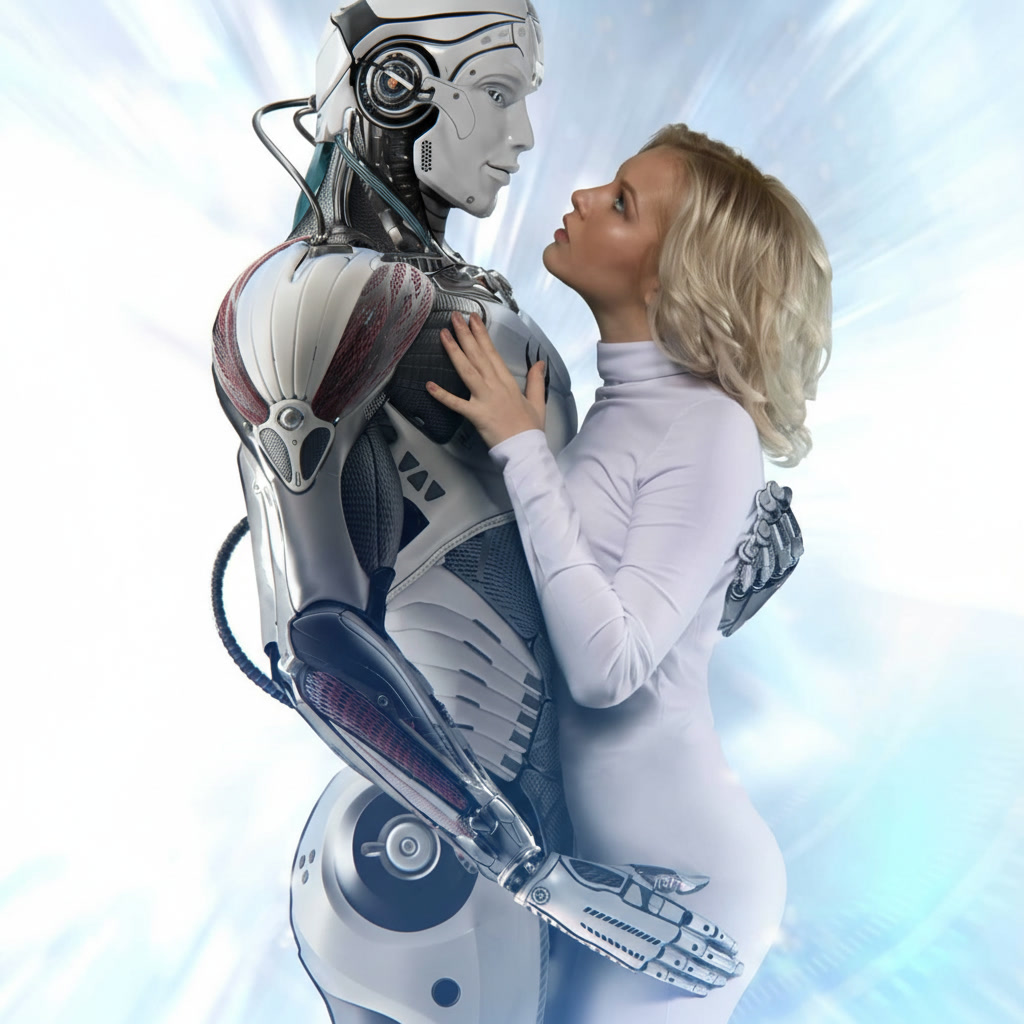
Love in the Age of Robots - When Did Finding Love Get This Exhausting?
You can lose half your money, catch a disease, or just run out of time. A companion robot removes all three risks at once.
Eugene 2 min read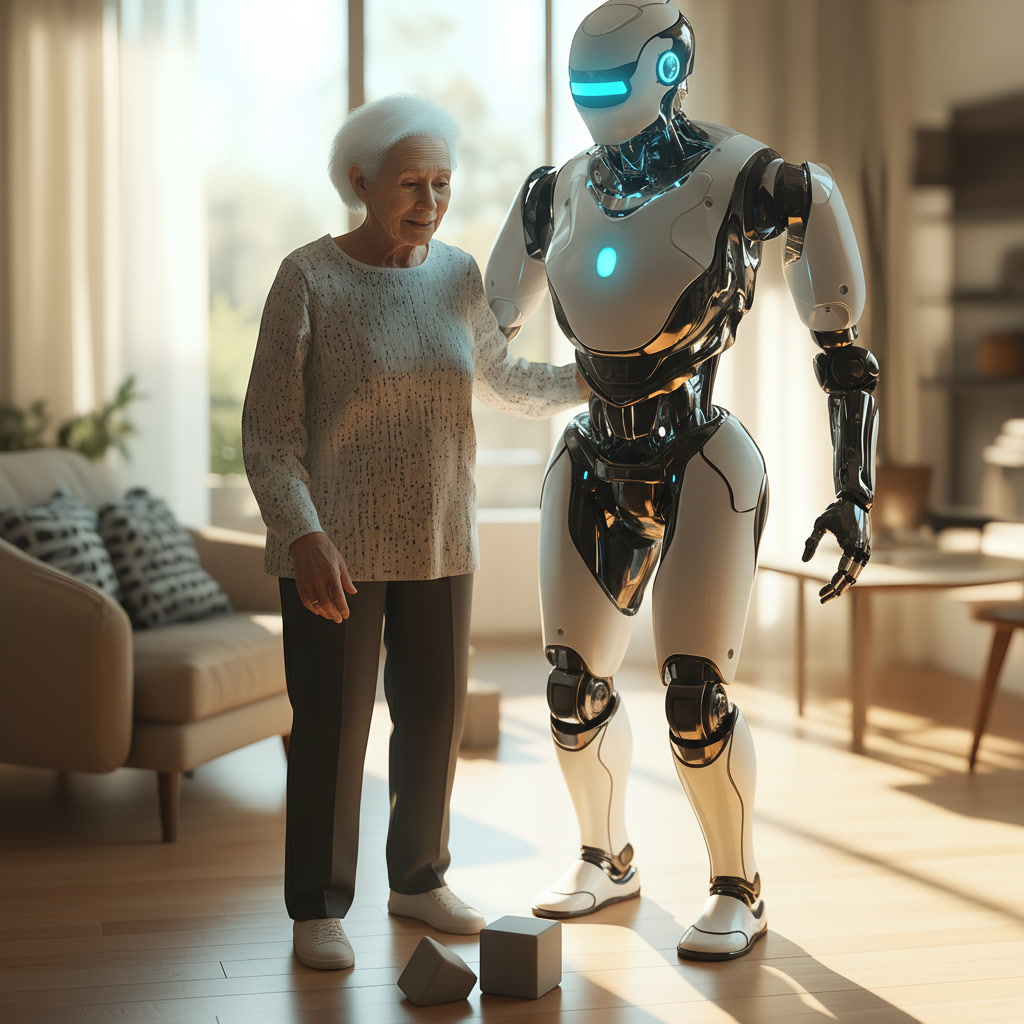
What Is Physical AI?
Most people think AI lives inside computers and phones. That is no longer true. The moment AI gained sensors, motors, and the ability to act in physical space, its mistakes stopped being reversible. This affects every worker, patient, infrastructure manager, and policymaker whose environment now includes a machine that can move and decide. The question no one is answering clearly enough is: what exactly is physical AI, and why does it change the stakes so fundamentally?
Eugene 2 min read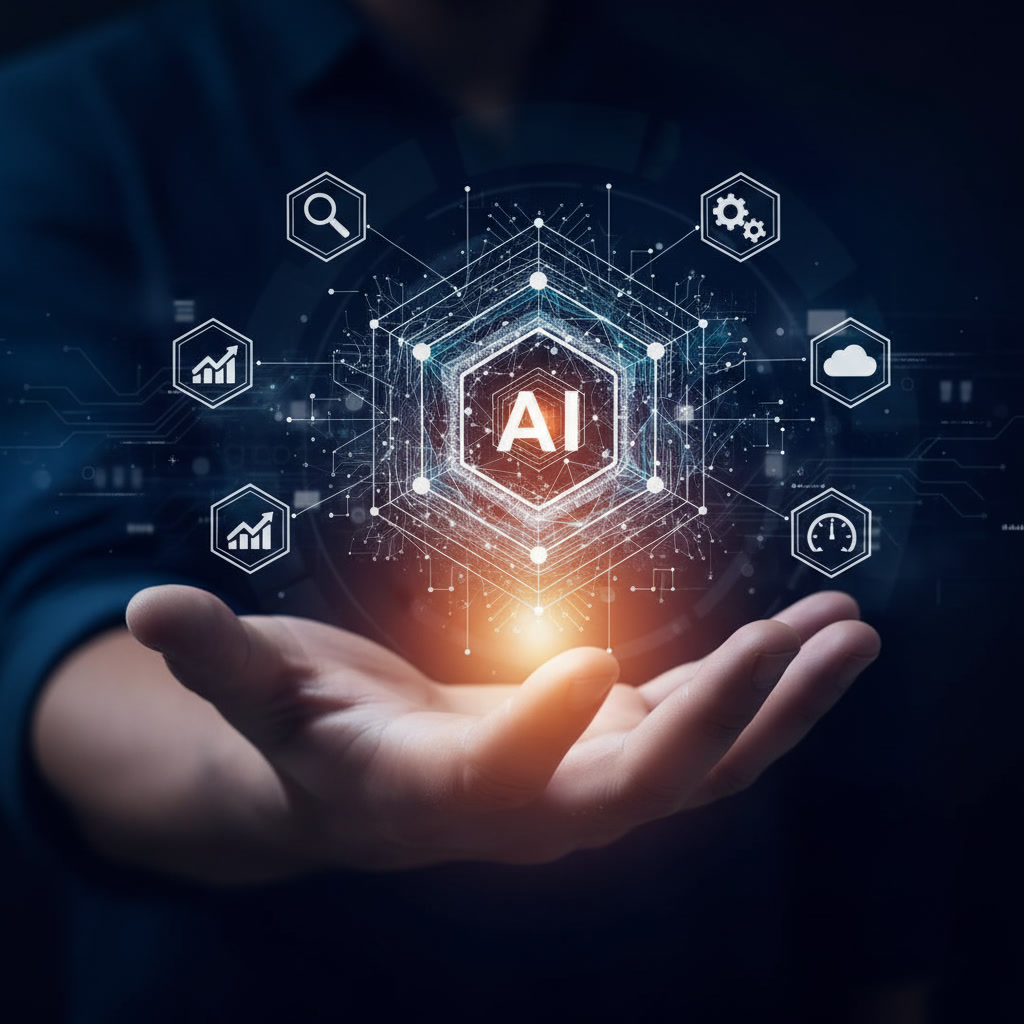
What Is Artificial Intelligence (AI)?
Most people have a working definition of artificial intelligence that is quietly wrong. The gap between what AI actually does and what the public believes it does is one of the most consequential misunderstandings of our time. It affects every worker whose role is being reshaped by AI systems, every executive making investment decisions based on AI capabilities, and every citizen whose data feeds the models that now influence hiring, credit, healthcare, and information. The question this article answers — clearly, without hype or panic — is what artificial intelligence actually is.
Eugene 2 min read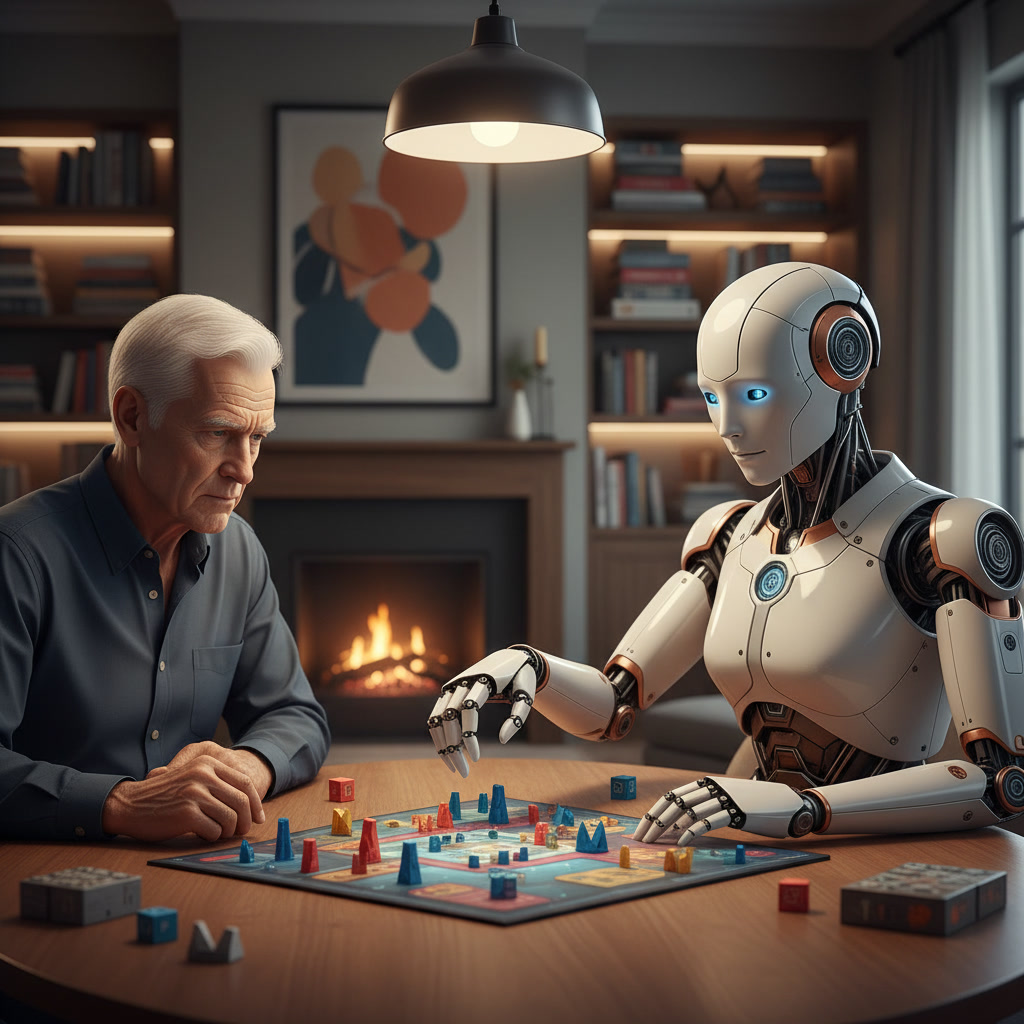
Robots in Board Games: How AI Is Changing Tabletop Play
Board games were supposed to be the one place left where humans had no competition from machines. That turned out to be wrong twice — first when AI learned to outthink us, then when it learned to reach across the table and move the pieces itself. The people this affects most are not game designers or roboticists — they are anyone trying to understand how humans actually respond to intelligent machines in shared physical space. What board games are quietly revealing about robot acceptance is not something the industrial deployment reports are capturing.
Eugene 2 min read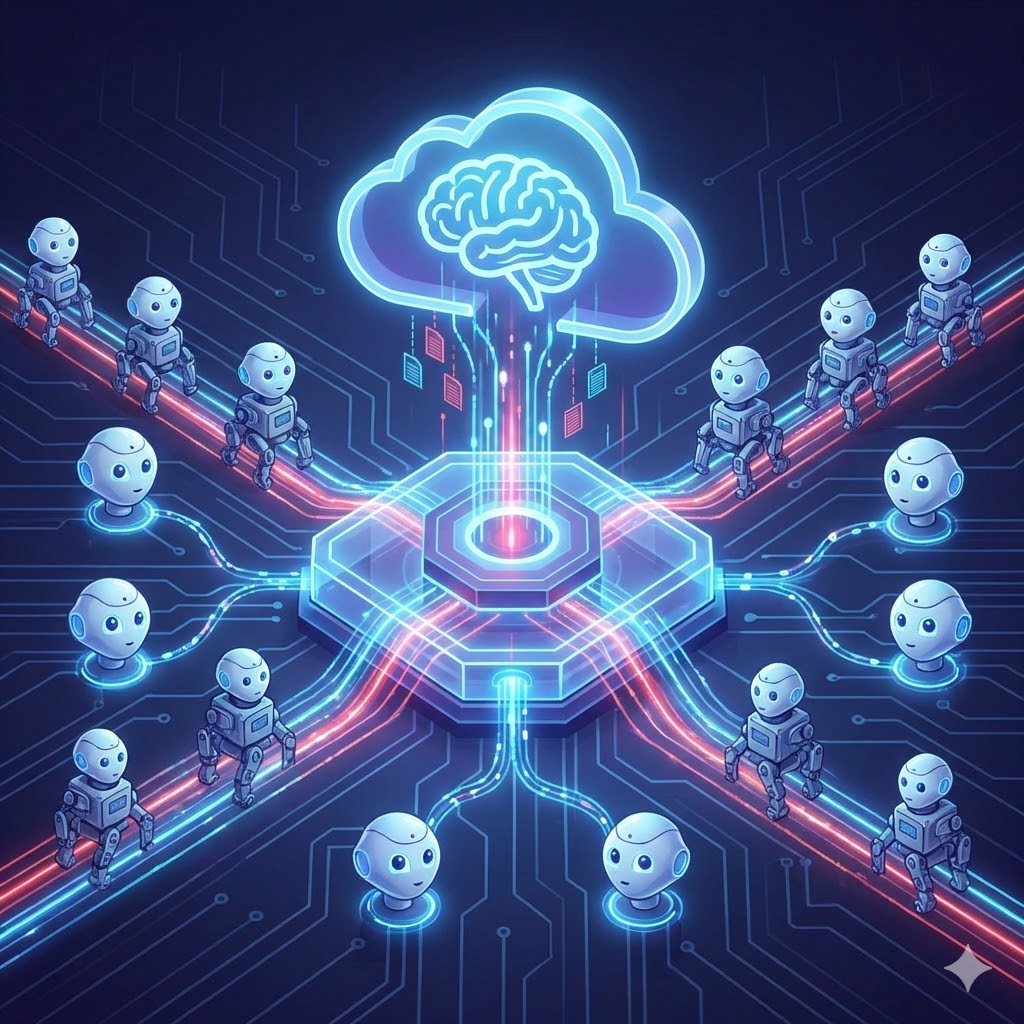
🌐 Robotics, Platforms and Ecosystems — Who Controls the Robots?
Most organisations that deploy robots have not read the data clauses in their vendor contracts. That is not a technology problem — it is a strategic one. The people most exposed are operations managers, procurement leads, and CFOs who approved the hardware purchase without understanding that the machine's most valuable output is not the product it makes but the data it generates. The question no one in those rooms asked — and that this article answers — is who actually owns what the robot learns while it works for you.
Eugene 2 min read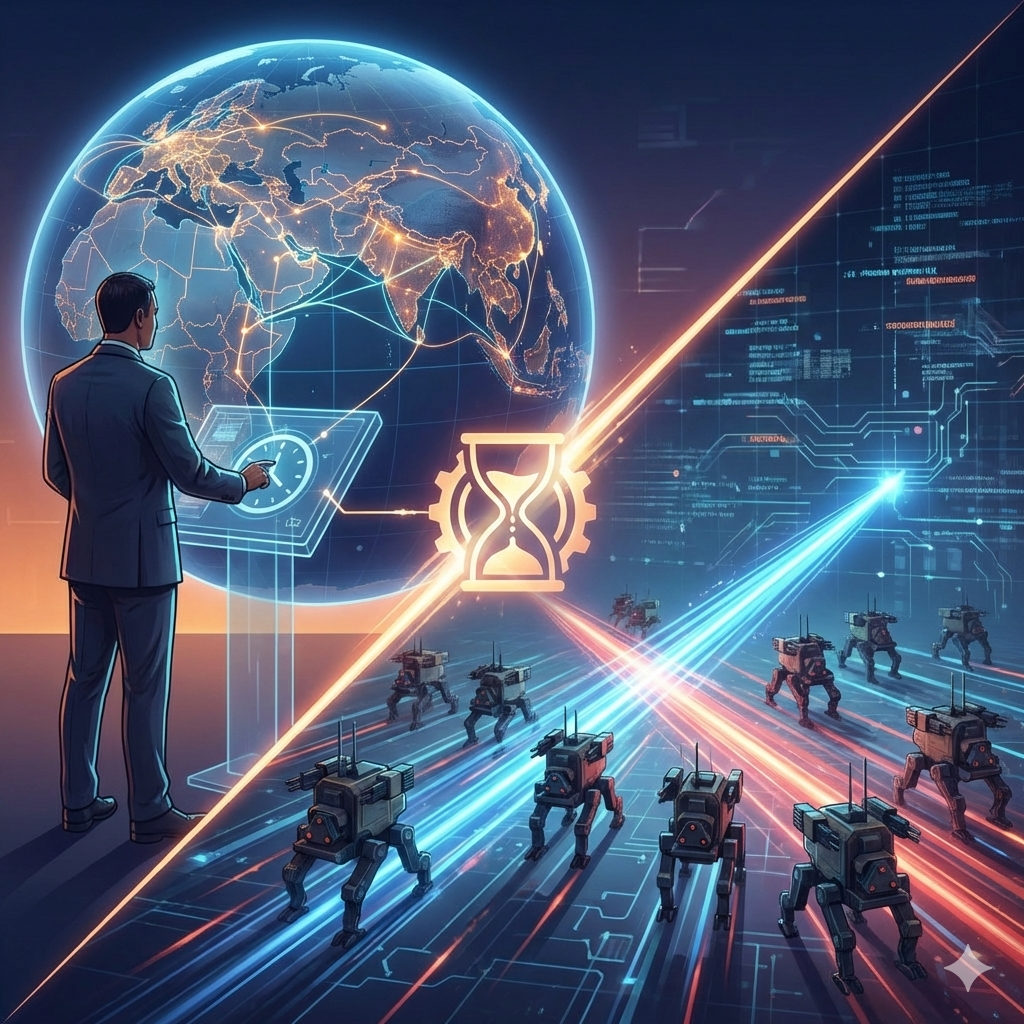
🌍 Robotics War and Geopolitics — How AI Is Rewriting the Rules of Armed Conflict
The most consequential change in warfare right now has nothing to do with which side has more soldiers. It is about which side can make decisions faster than the other can respond. This shift is reshaping military doctrine, defence budgets, and geopolitical alliances in every major power simultaneously. Defence ministers, industrial planners, and arms control negotiators are all working with the same unresolved question. What actually changes when AI-enabled machines enter warfare — and who sets the rules for what happens next?
Eugene 2 min read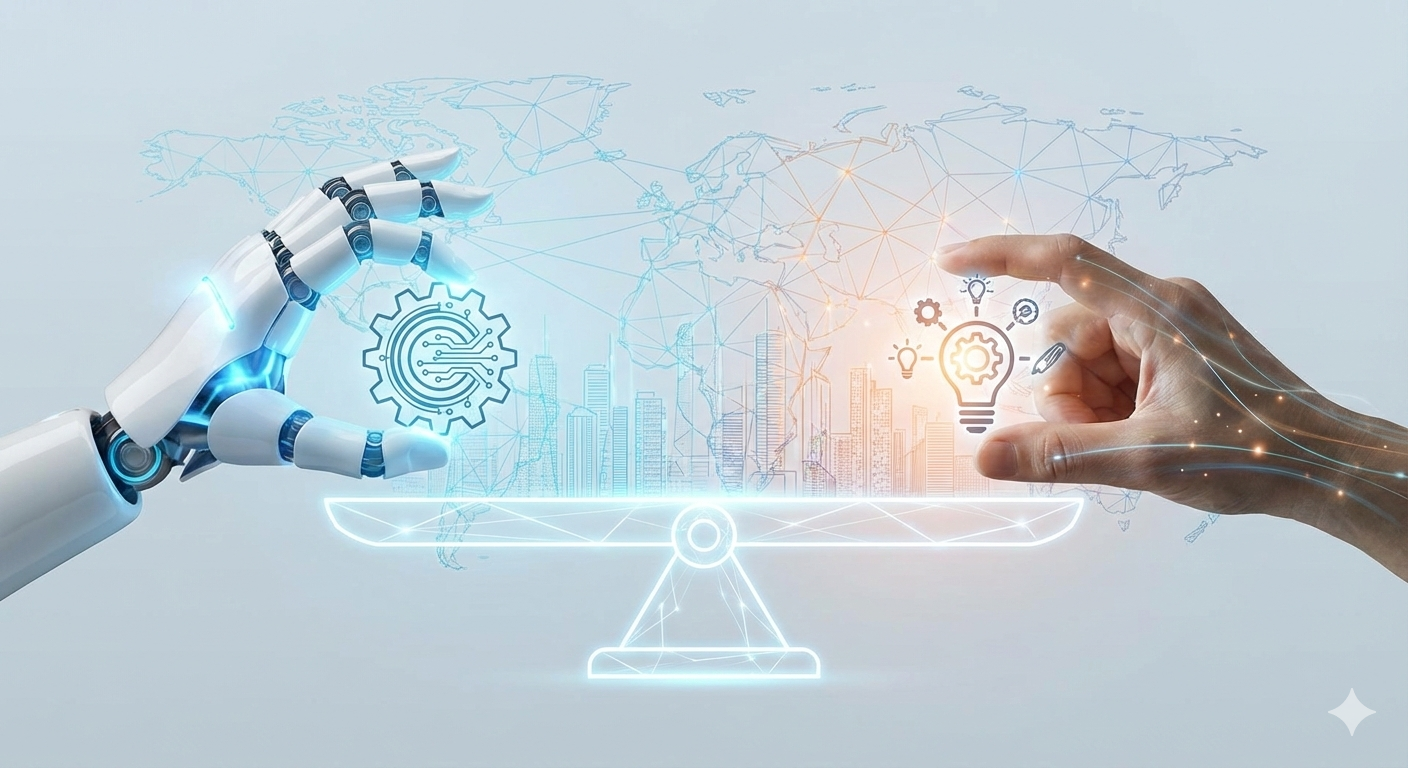
💼 The Future of Work in a Robotic Economy
The real question about AI and the future of work has never been how many jobs disappear. It is who captures the value when a machine replaces a task. That question is already being answered — in wage data, in productivity reports, and in the restructuring decisions of every major employer — and the answers are not evenly distributed. This affects workers, managers, policymakers, and investors simultaneously. The part nobody has explained clearly enough is the structural mechanism that determines which side of the split you end up on.
Eugene 2 min read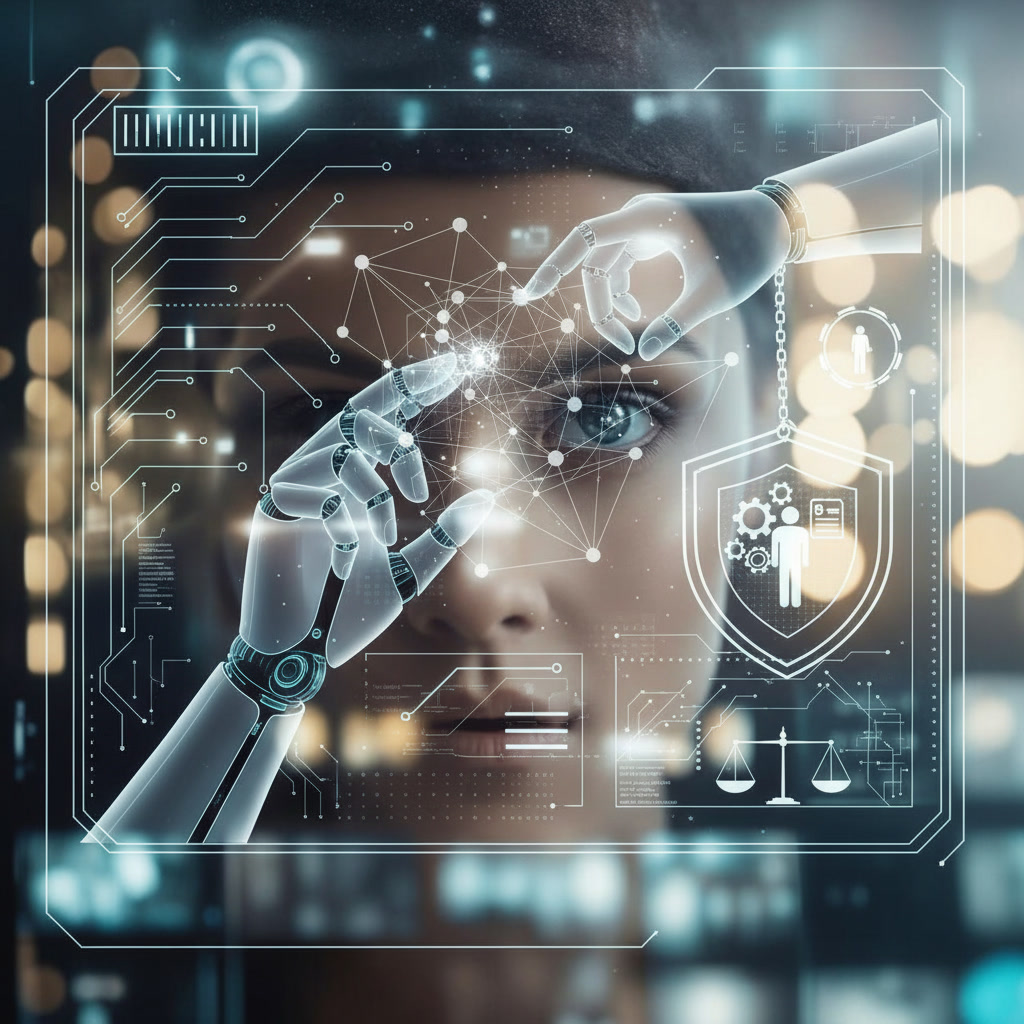
⚖️ Ethics and Governance of AI Robotics — Who Is Accountable When Machines Cause Harm
Most organisations deploying AI robotics have ethics policies. Almost none of them have genuine accountability structures behind those policies. The people most exposed to this gap are not ethicists or regulators — they are the engineers, managers, and executives who approved the deployment and will be the first ones named when something goes wrong. The governance question that none of the policy documents answer clearly enough is this: when an autonomous system causes harm, who is legally and operationally responsible — and what structures must exist before deployment to make that answer hold?
Eugene 2 min read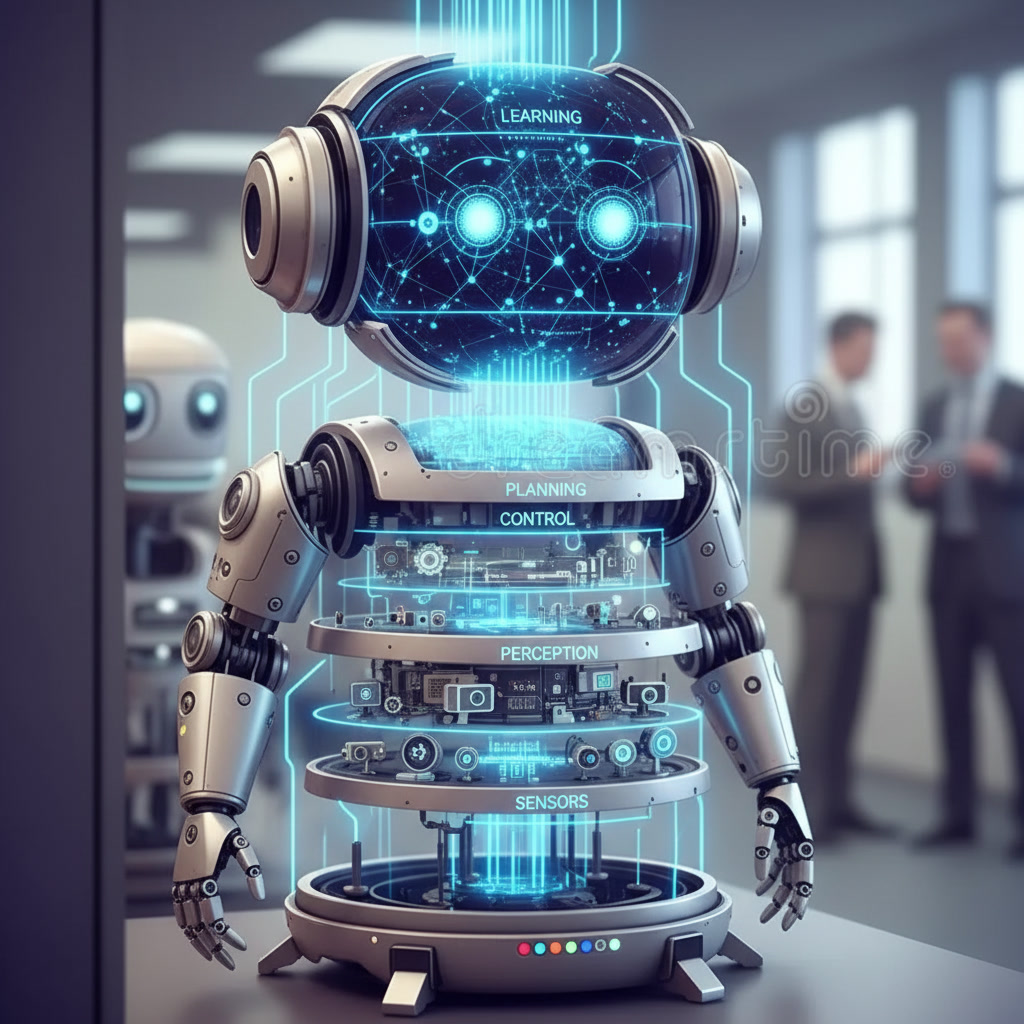
⚙️ How AI Robots Work — The Layered System Behind Every Demo and Every Deployment Failure
Every viral robotics demo you have ever seen was filmed in a controlled environment with people you didn't notice offscreen. Real deployment looks completely different. The people most misled by the gap between what robots do in demos and what they do in the field are the executives, procurement officers, and policymakers making multi-million-dollar decisions based on the wrong mental model. The question this article answers is the one the demos never do: what is actually happening inside the system, where does it break, and why does that gap between the demo and the deployment exist at all?
Eugene 2 min read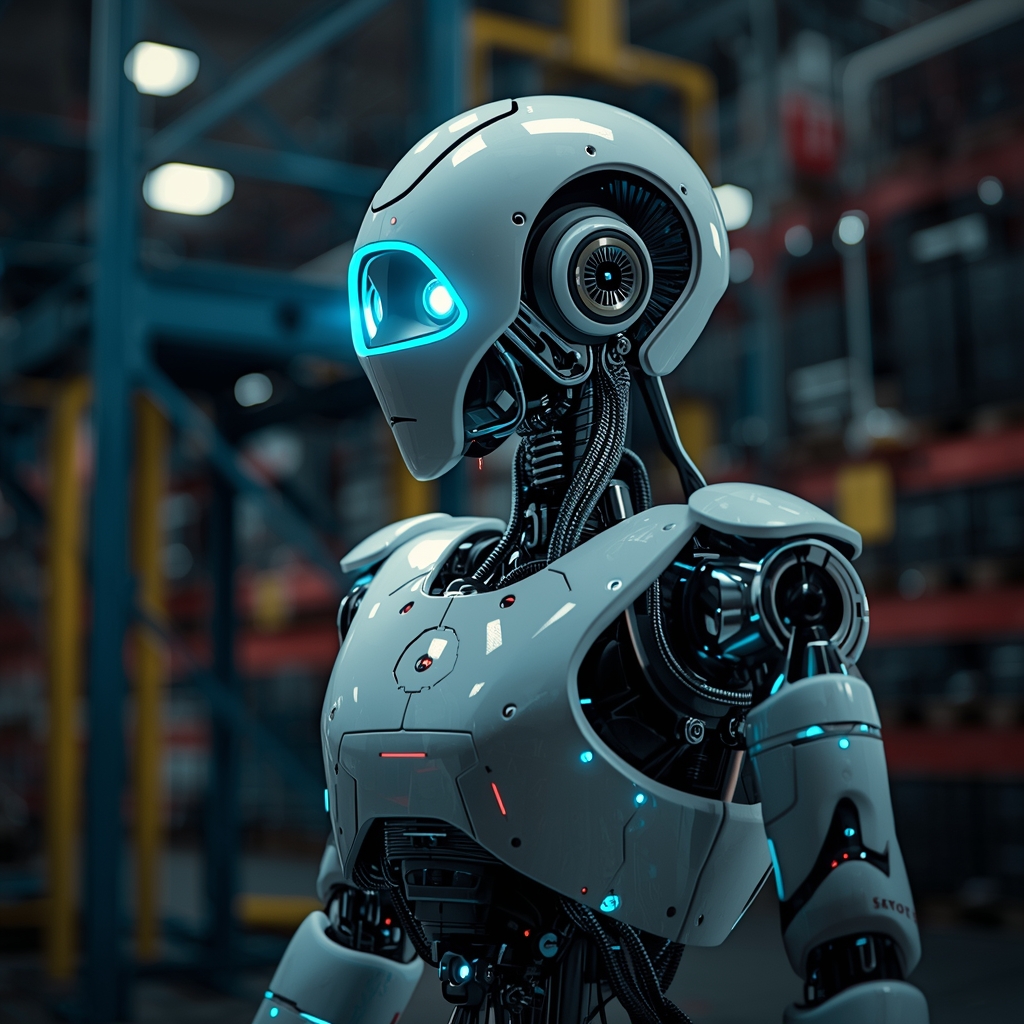
🏭 Where Robots Are Used?
The industries running on AI robotics right now are not the ones in the demos. They are the ones with labour shortages, safety constraints, and operations that cannot afford to stop. The people whose decisions depend on knowing where robots are actually deployed — procurement officers, operations managers, investors, and policymakers — are regularly working from an outdated map. The question this article answers is not where robots might go. It is where they already are, why those industries adopted first, and what that pattern tells you about where they will appear next.
Eugene 2 min read