Shipped, Deployed, Promised: The Three Humanoid Robot Numbers Nobody Is Separating
Humanoid robotics headlines this month all quote big numbers, but shipped, deployed, and promised measure three different things. Untangled, they show real deployment is still small, and the manufacturing capacity build-out is landing in Korea, China, and the US, not Southeast Asia's electronics-assembly hubs.

Three numbers moved through robotics headlines this month: 40,000, 74,000, and 30,000. Read quickly, in the same scroll, they sound like one industry accelerating on every front at once. They are not the same number. They do not measure the same thing. And stacking them together in a single narrative is how a sector talks itself into sounding further along than it actually is.
I spend a good part of my working week doing the unglamorous version of this problem: matching robot models against company disclosures, reconciling vendor claims against what a machine is actually cleared to do, one row at a time, in a taxonomy that nobody outside this platform reads. That work makes you allergic to numbers that get repeated without being defined. This month's crop of humanoid robot figures is a clean case study, and untangling them points at something more interesting than the numbers themselves: the part of Asia actually getting the manufacturing work is not the part you would expect if you assumed this was a rerun of the smartphone supply chain.
Shipped is not the same thing as working
China's Ministry of Industry and Information Technology put a number on the first half of 2026: more than 40,000 humanoid robots shipped, with the full-year figure projected to clear 100,000, roughly a fivefold jump from about 20,000 units in 2025. China's share of global H1 humanoid shipments came in near 97 percent, with AgiBot and Unitree forming a duopoly at the top of the list.
That is a genuinely large number, and MIIT is doing its job by counting industrial output. The failure happens one step downstream, when a shipment count gets read in someone else's headline as a deployment count. A robot that has shipped left a factory floor and was invoiced. It says nothing about whether that robot is running unattended, doing productive work, for meaningful hours, inside a customer's building. Those are two different claims, and only one of them tells you whether the technology works outside a demo.
Deployed is a much smaller, much slower number
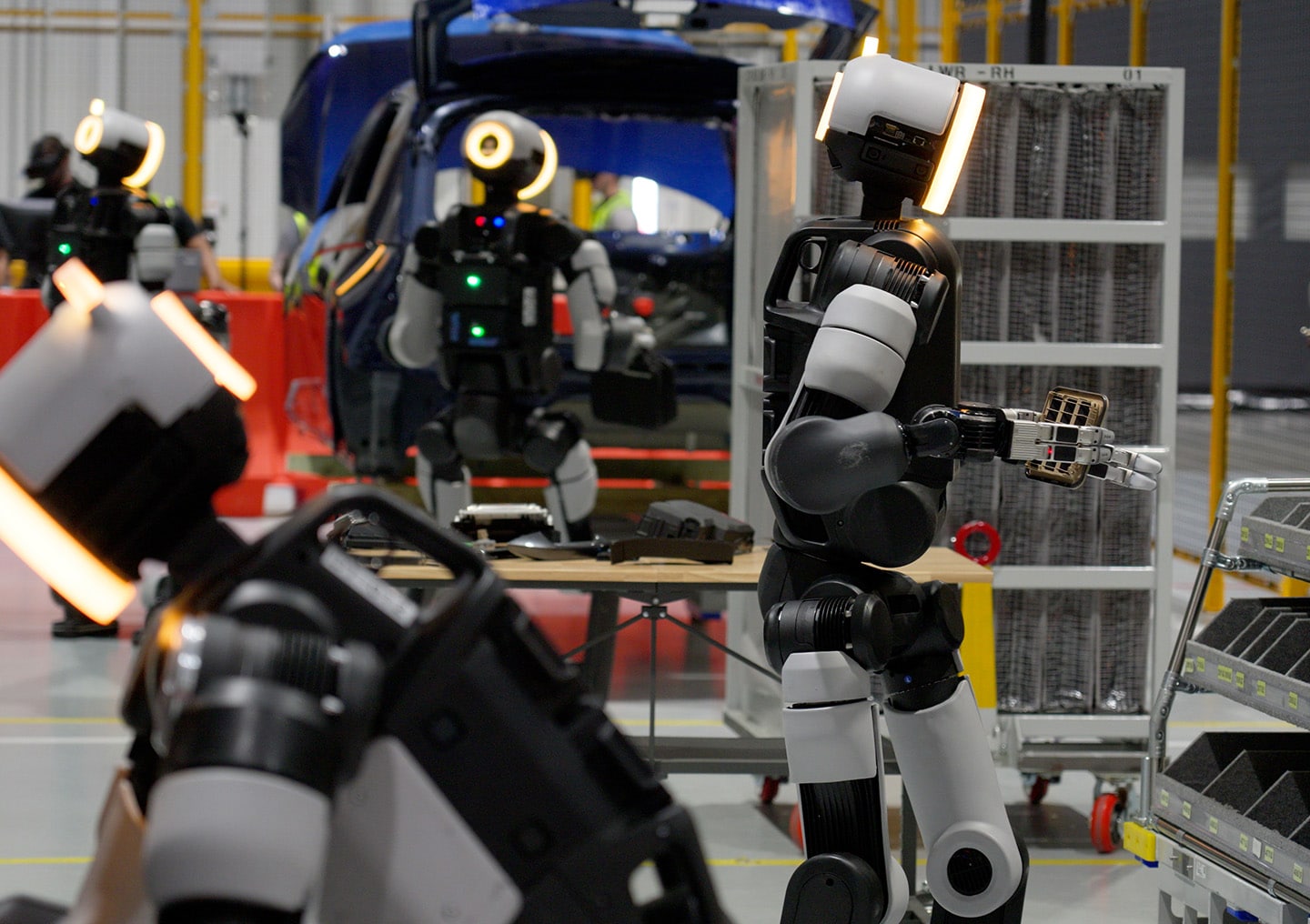
Figure AI's own account of its BotQ facility is worth taking closer to face value, because the company is disclosing a rate rather than a cumulative headline count: production climbed from one Figure 03 per day to one per hour in under 120 days, more than 350 units built in total, over 9,000 actuators produced in-house, first-pass yield above 80 percent across more than ten product variants. That is a real manufacturing achievement.
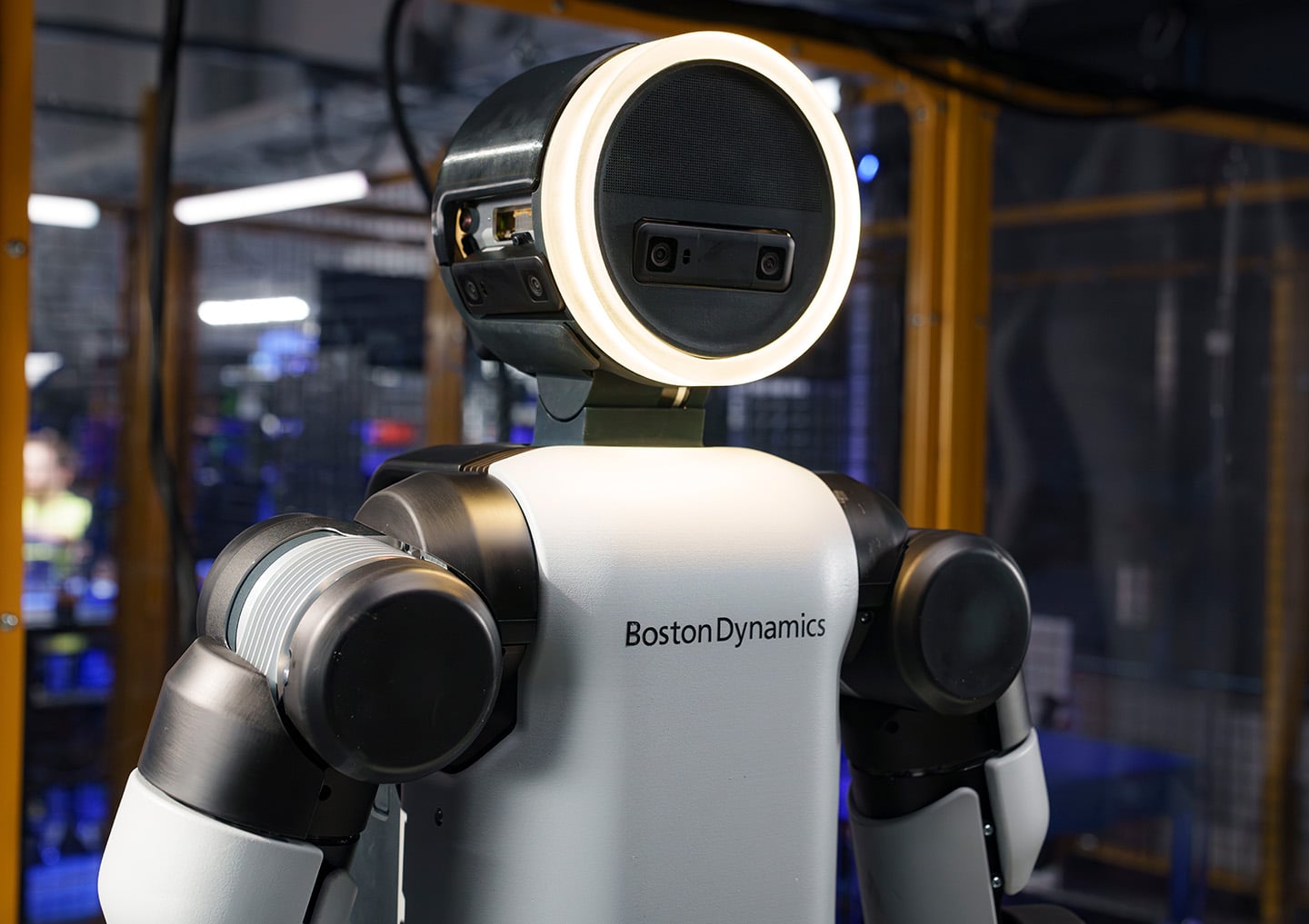
Of those units, only a fraction is actually inside a customer's building doing sustained work. Forty Figure 03 units are running at BMW's Spartanburg plant, following an eleven-month trial of the prior generation, with an extension to BMW's Leipzig plant next. Boston Dynamics' Atlas, the first enterprise-grade humanoid at Hyundai's Metaplant Application Center in Georgia, is doing material handling and order fulfillment, including autonomously returning to charge and swapping its own battery.
Those tasks read almost boring set against the marketing reels, and that is exactly the point. Boring, repeatable, unsupervised operation is the actual bar, and only a small number of machines anywhere have cleared it in public view. Run the shipped-versus-deployed arithmetic and a defensible conclusion falls out: the large majority of humanoid robots built this year have not yet worked a single unsupervised shift on a real production line.
Shipped, deployed, and promised are three different verbs. Only one of them describes a robot doing work today.
Promised numbers are targets, not results
Hyundai's Georgia plan sits in the third category. The company is building toward 30,000 units of annual production capacity by 2028, funded on top of the US$880 million Boston Dynamics acquisition and Hyundai Mobis' existing component base. That is a factory capacity target for two years from now, not a shipment count today, and the first Atlas units at the Metaplant start on parts sequencing, with actual vehicle-assembly work not planned until 2030.
Goldman Sachs's Korea number belongs in the same bucket, and it repays a close read. The bank projects 74,000 units by 2030 produced using Korean supply chains, feeding an estimated 30 percent of global humanoid output by 2035. "Using Korean supply chains" is a components-content number, not a final-assembly count, and it sits oddly next to Korea's own stated domestic target: 1,000 humanoids a year by 2029, backed by roughly US$500 million in 2026 funding through a national manufacturing alliance. Korea's ambition is real. It is an ambition to own the actuators and gearboxes, not to run China-scale assembly lines.
- 40,000 to 100,000+: units shipped from Chinese factories, 2026
- Low hundreds: units doing sustained, unsupervised commercial work anywhere, today
- 30,000 and 74,000: production capacity and supply-chain-content targets set for 2028 and 2030
None of those three rows belong in the same sentence, and this month's coverage kept putting them there anyway.
The tell is in what is missing from Southeast Asia
Read this from a Southeast Asian vantage point and the striking thing is what is absent from every one of those numbers. None of this production is landing in the electronics-assembly corridor that absorbed the last diversification wave out of China. Vietnam, Thailand, and Malaysia spent the past decade building the capacity that took on smartphone and consumer-electronics final assembly as global manufacturers hedged against concentration risk in a single country. Humanoid robots are not following that path, and the reason says more about what a humanoid robot actually is than about anything in this specific pipeline.
A smartphone's manufacturing bottleneck was final assembly and test at volume, exactly the work ASEAN's disciplined, lower-cost labor pools were built to absorb. A humanoid's bottleneck is precision actuators, harmonic drives, and force-controlled joints, machined to tolerances closer to an automotive transmission than a phone chassis. That is why capacity is consolidating in the places that already had auto-parts supply chains built to that tolerance: Korea, China's existing EV and industrial-robot clusters, and the US industrial belt anchored by Hyundai's Georgia investment. It is not diffusing to the places that had cheap final-assembly labor. Southeast Asia's electronics-manufacturing advantage does not automatically transfer to this category, and no unit-shipped headline is built to say so.
The last diversification wave moved final assembly. This one is moving precision machining, and precision machining does not go where labor is cheapest. It goes where the tolerances are already understood.
What actually changes this, and what to watch instead
None of this is fixed permanently. If humanoid manufacturing commoditizes the way electric-vehicle battery packs did over the past decade, sub-assembly and final integration could still disperse to lower-cost hubs once designs stabilize and tolerances loosen from prototype-grade to production-grade. Southeast Asian governments courting this wave, several using the same industrial-policy playbook they applied to EV and battery investment, are not wrong to try positioning for it. But that shift, if it comes, sits years behind the actuator bottleneck easing, not ahead of it, and treating early siting decisions as evidence it has already started is the same category error as treating a shipment count as a deployment count.
The number worth watching is not next quarter's units-shipped headline. It is whether the actuator and precision-gearbox supplier base widens past the handful of Korean and Chinese firms currently dominating it, because that is the leading indicator for where final assembly eventually goes, and where it does not. It is also the number nobody is putting in a press release yet, which is usually a sign it is the one that matters.
This column reflects the author's own analysis and is provided for general information purposes only. It does not constitute investment, procurement, or engineering advice. Figures cited are drawn from public company, government, and financial-institution disclosures as of publication and may change without notice.
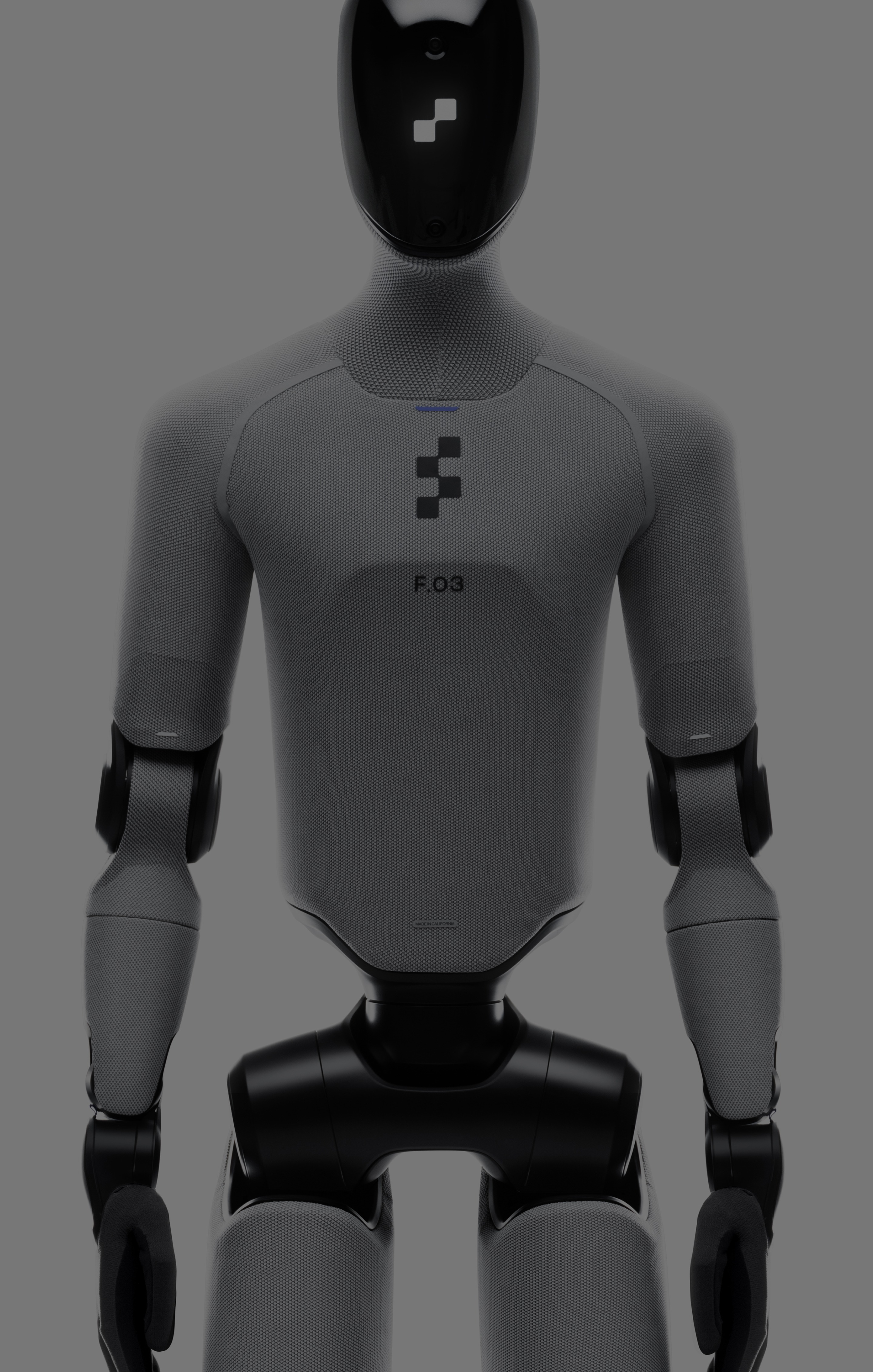
Hero image: Figure 03, courtesy of Figure AI.