VivaTech 2026: Chinese Manufacturers Drive Humanoid Commercialisation While Western Firms Target Enterprise AI
VivaTech 2026 in Paris confirmed what many in the industry have been watching for months: China's humanoid robot manufacturers are no longer prototyping — they are shipping. AGIBOT, Unitree, and Booster Robotics dominated Hall 7.1 with production-ready robots, live brain-computer interface demonstrations, and IPO announcements. Meanwhile, European companies like PAL Robotics and Wandercraft bet on deep industrial integration, and US tech giants focused almost entirely on AI software and quantum computing — with no major American humanoid robot on the exhibition floor. Six months after CES 2026 signalled the end of the hype phase, VivaTech confirmed the deployment phase has begun.

Every year, the global tech industry watches CES in Las Vegas to understand where technology is heading. But if you want to understand where the robot race is actually going, who is winning, who is catching up, and what the next five years will look like, VivaTech in Paris is fast becoming the more important event to watch.
VivaTech 2026, held June 17–20 at the Paris Expo Porte de Versailles, celebrated its 10th anniversary with its most ambitious edition yet. Over 15,000 startups, 1,500+ live demonstrations, and delegations from more than 170 countries packed into a 30% larger exhibition space. And at the centre of it all, drawing the longest queues and the most camera phones, were robots.
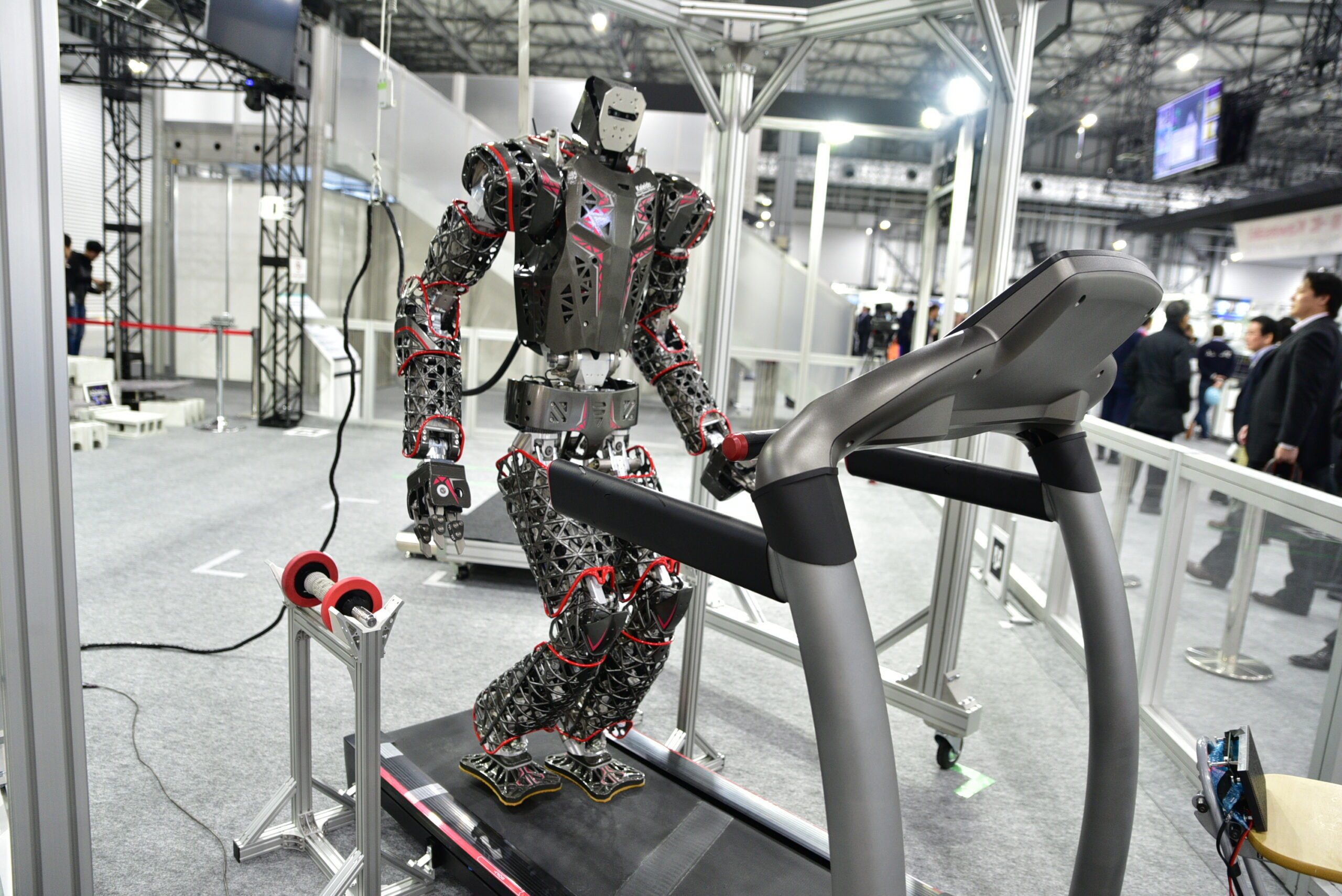
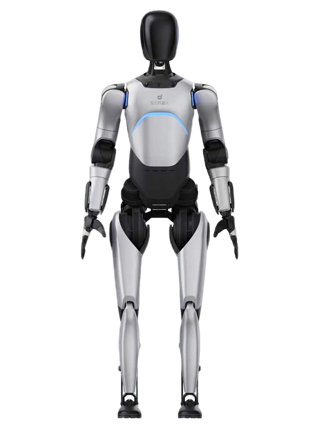
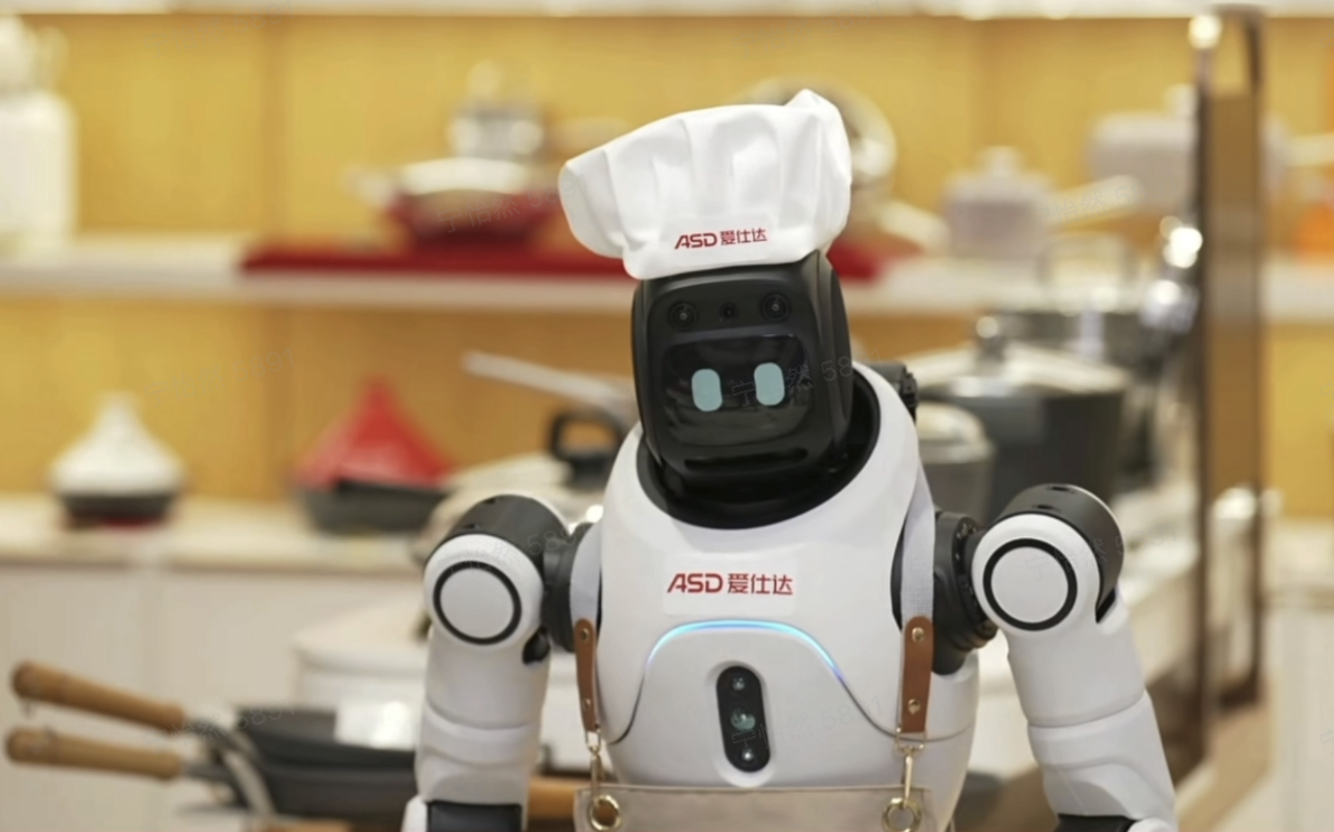
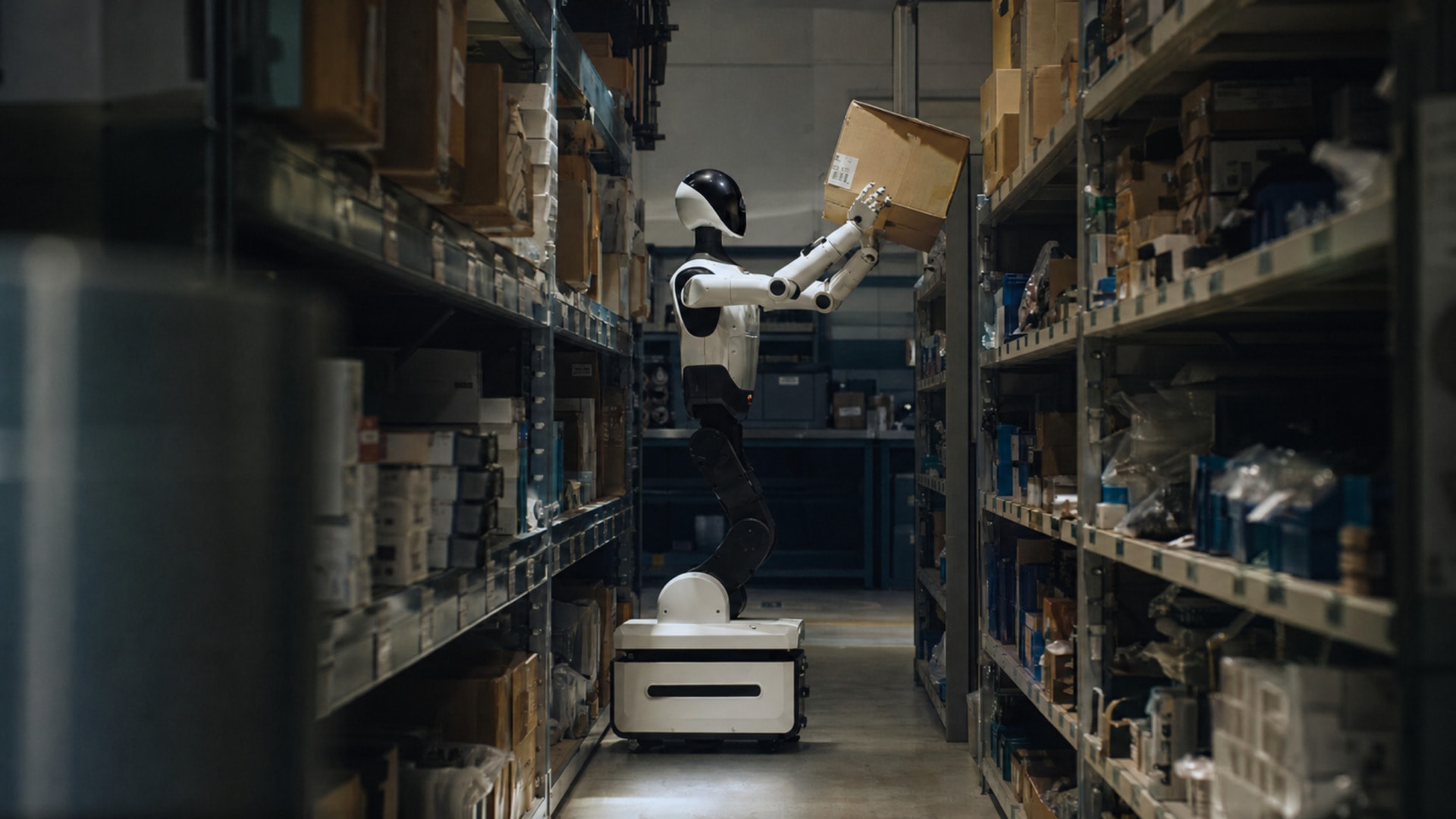
Not the clunky, pre-programmed robots of a decade ago. These were humanoid robots that box, balance, respond to brain signals, and perform coordinated dances. They are being manufactured in the tens of thousands. And the companies building them are, overwhelmingly, Chinese.
China Arrived in Paris Ready for Business
Three Chinese robotics companies dominated Hall 7.1 and became the undisputed talking point of the event.
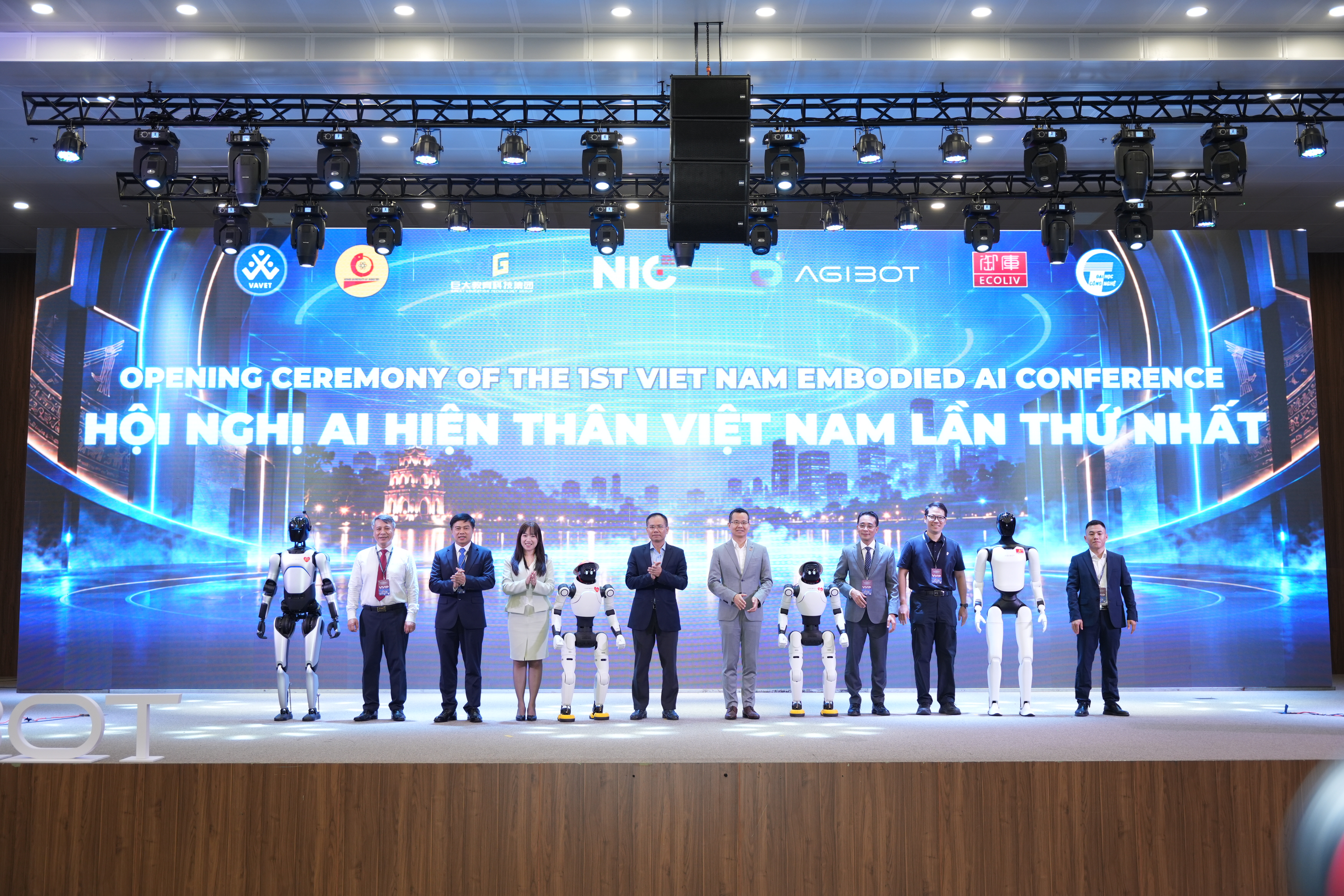
AGIBOT ranked the world's No. 1 humanoid robot manufacturer by independent research firm Omdia, with over 10,000 units delivered in 2025 used VivaTech to showcase its G2 model on the main Discovery Stage and staged a robot parade featuring its D1 and X2 models through the exhibition hall. The company is targeting a Hong Kong IPO at a valuation of $5.1 to $6.4 billion. This was not a startup showing off a prototype. This was a manufacturer demonstrating scale.
Unitree Robotics whose humanoid robots have already performed at China's Spring Festival Gala in front of a billion viewers, brought its R1 model to Paris for live boxing and balancing demonstrations. But the real headline from Unitree's booth was a collaboration with French neuro-AI startup HABS: visitors put on an EEG headband that read their brain activity, and the robot responded to their mental commands in real time. Brain-controlled robots, live on the exhibition floor, in 2026.
Booster Robotics rounded out the Chinese trio with its K1 humanoid, which allows users to program it themselves or build their own applications on top of it, a move clearly aimed at attracting developers and enterprise customers who want to customise their robots for specific tasks.
The message from all three companies was consistent: Chinese humanoid robots are no longer experimental. They are production-ready, commercially available, and getting cheaper every year.
Europe Is Playing a Different Game — and It Has a Point
If Chinese companies came to Paris to show the world they can build robots at scale, European companies came to show the world they can build robots that are trustworthy, specialised, and deeply integrated into regulated industries.
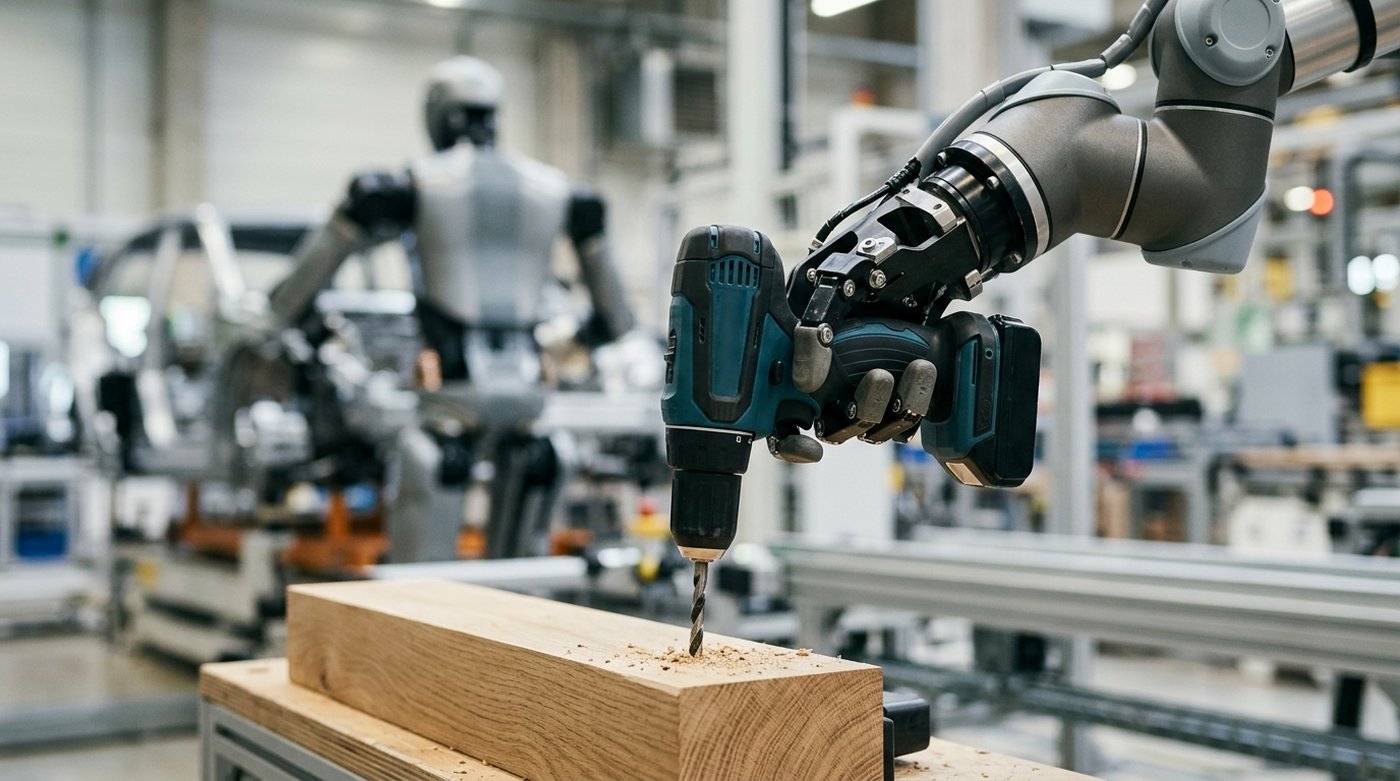
PAL Robotics from Spain with over 20 years of robotics expertise that most people outside the industry have never heard of is quietly showcased two of the most technically sophisticated robots at the event. Its KANGAROO humanoid, developed with support from multiple European research centres, is built for industrial and logistics environments. Its TIAGo Pro service robot features tactile skin perception developed through the EU's NeuTouch research programme. PAL Robotics is not chasing headlines. It is building the infrastructure layer of European robotics.
Wandercraft, the French company that has deployed its Calvin humanoid robot in a Renault factory making it one of the only humanoid robots in the world currently working on a real production line was conspicuously absent from the top-10 robotics lists circulating before the event, but drew significant attention on the floor. The company is reportedly planning to produce tens of thousands of units for Renault in the coming years.
Genesis AI, a French startup backed by $105 million in seed funding from Khosla Ventures, Eclipse, and Bpifrance, is building what it calls a Universal Robotics Foundation Model is essentially a general-purpose AI brain that can be installed in any robot. Co-founded by a former Mistral AI scientist, it also unveiled a high-dexterity robotic hand in 2026. This is the kind of deep-tech bet that Europe is making: not the robot body, but the intelligence inside it.
The US Was Largely Absent from the Physical Robot Floor
This is perhaps the most significant observation from VivaTech 2026 for anyone tracking the global robotics race.
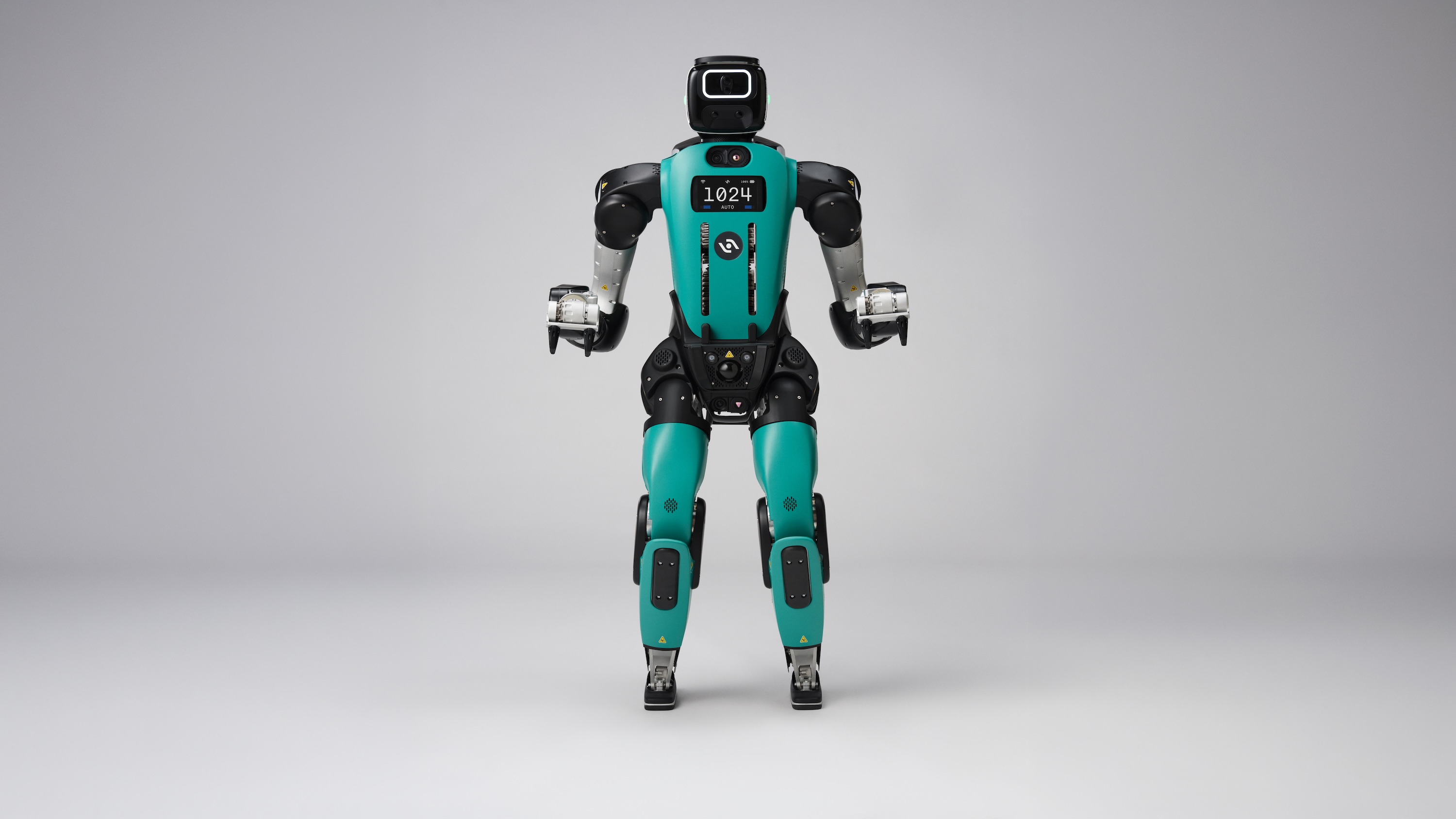
While American companies like Boston Dynamics, Figure AI, Apptronik, and Agility Robotics continue to attract enormous venture capital at home, none of them had a significant physical presence on the VivaTech exhibition floor. The US tech giants that did attend such as Amazon Web Services, IBM, NVIDIA focused almost entirely on AI software, AI agents, and quantum computing.
Amazon founder Jeff Bezos, speaking at the event, predicted that AI will lead to labour shortages rather than mass unemployment, a notably optimistic framing that contrasted sharply with the very visible reality of Chinese humanoid robots performing physical tasks just metres away from his stage.
IBM presented advances in quantum technologies alongside its AI portfolio. Airbus showcased quantum sensing and navigation systems. These are genuinely important technologies. But they are not the robots that were drawing the crowds.
The strategic implication is significant. As TechCrunch noted in its VivaTech preview, Europe and the US are both betting on "industrial AI" the software and systems layer, while China is simultaneously winning the hardware race. The question for the next five years is whether software dominance will be enough to compete with companies that control both the hardware and the software.
From CES to VivaTech: Six Months of Rapid Maturation
To understand how fast this sector is moving, it is worth comparing VivaTech 2026 to CES 2026 in Las Vegas, held just six months earlier in January.
At CES, the dominant conversation was about "separating hype from reality." Companies were presenting pricing targets, deployment timelines, and concrete use cases for the first time. The industry was emerging from the prototype phase.
By VivaTech, that conversation had been replaced by something more concrete. AGIBOT was talking about its 10,000-unit shipment milestone and its upcoming IPO. Unitree was demonstrating brain-computer interface integration. Fourier Intelligence's CEO was being interviewed at VivaTech about a multi-million RMB order from Malaysia, a real commercial contract, not a pilot programme.
In six months, the humanoid robotics industry moved from "here is what we plan to do" to "here is what we have already done." That rate of progress is unusual even by the standards of the current AI era.
Five Startups Worth Watching After VivaTech 2026
Beyond the established players, VivaTech surfaced several emerging companies that deserve attention:
Dexory (United Kingdom) is the most commercially advanced robotics company on this list that most people have still never heard of. The London-based startup has raised $205 million in total funding including a $165 million Series C in October 2025 backed by Eurazeo and its autonomous robots are already scanning up to 10,000 pallet locations per hour inside real warehouses for customers including DHL, Maersk, and Bosch. Dexory's approach is not to replace warehouse workers but to give them a real-time digital twin of every pallet in their facility, updated continuously by robots that run autonomously around the clock. It is one of only two Physical AI and Robotics companies on VivaTech's official Top 100 Rising European Startups 2026 list.
ARX Robotics (Germany) is building the autonomous ground vehicles that militaries and critical infrastructure operators will depend on in the next decade. The Munich-based company raised €42 million in Series A funding in 2025 backed by HV Capital, the NATO Innovation Fund, and Project A and its unmanned ground vehicles are already being evaluated by European defence forces. ARX Robotics is on VivaTech's official Top 100 Rising European Startups 2026 list under Defence Tech, but its relevance extends well beyond the battlefield: the same autonomous navigation, sensor fusion, and edge AI stack that guides a tactical UGV through contested terrain is directly applicable to industrial inspection, border security, and disaster response. It is building the rugged end of the physical AI spectrum that consumer-facing humanoid companies are not addressing.
Axelera AI (Netherlands) is not a robot company. It is the company that makes robots smarter at the edge without draining their batteries. The Eindhoven-based startup raised more than $250 million in February 2026, the largest investment ever made in a European AI semiconductor company, and has already shipped its inference chips to over 500 customers globally. Its Metis AI Processing Unit is designed specifically for computer vision and physical AI workloads inside the robot itself, not in a cloud server. As humanoid robots become more autonomous, the ability to run complex perception and decision models locally and efficiently becomes a critical bottleneck. Axelera AI is building the silicon that removes it. It is on VivaTech's official Top 100 Rising European Startups 2026 list under AI Infrastructure.
Genesis AI (France) is the most ambitious foundational bet in European robotics. Backed by $105 million in seed funding from Khosla Ventures, Eclipse, and Bpifrance, and co-founded by Théophile Gervet, a former scientist at Mistral AI is building a Universal Robotics Foundation Model: a general-purpose AI brain designed to work across any robotic hardware platform. Genesis AI also unveiled a high-dexterity robotic hand in 2026 and told AFP at VivaTech that it plans to re-shore production of its Eno multifunctional robot to Europe, targeting the industrial base in France, Italy, and Germany. The company is confirmed as an official VivaTech exhibitor in Hall 7. Where most robotics companies are building one robot for one use case, Genesis AI is building the intelligence layer that could power all of them.
Enchanted Tools (France) is the most visible proof that social robotics is finally crossing from research lab to real-world deployment. The company's Mirokaï robot with its distinctive long orange ears, wide blue eyes, and ability to communicate in over 50 languages is already deployed in hospitals and airports as a patient and visitor companion. Marketing chief Richard Malterre told AFP at VivaTech that the company is targeting its first mass-produced models by the end of 2026, with at least 60 percent of the robot manufactured in Europe. Enchanted Tools was featured in VivaTech's own official "AI, impact not illusion" editorial showcase. It is not building a robot for a factory floor or a warehouse. It is building the robot that will sit at a hospital reception desk, guide a confused traveller through an airport terminal and eventually keep an elderly person company at home. That market is enormous, underserved, and almost entirely unconquered.
VivaTech 2026 made one thing unmistakably clear: the physical hardware race in humanoid robotics is being won in China and faster than most Western analysts predicted. That does not mean the story is over for European and American companies. The software layer, the enterprise integration layer, and the regulatory compliance layer remain genuinely contested and Europe in particular has real structural advantages in regulated industries like healthcare, aviation, and critical infrastructure.
But for anyone who still thinks of humanoid robotics as a future technology, VivaTech 2026 was a wake-up call. These robots are here. They are being manufactured at scale. They are getting cheaper. And the companies building them are already thinking about their IPOs.
The race is not coming. It is already underway.
Primary Sources:
3. CGTN "VivaTech 2026 highlights AI agents and deep-tech innovation" (June 18, 2026)
4. Euronews / AP "Humanoid robots and smart homes put AI centre stage at VivaTech 2026" (June 18, 2026)
5. TechCrunch "Why VivaTech 2026 is the place to see Europe's AI strategy take shape" (June 2, 2026)
6. PAL Robotics "VivaTech 2026 | PAL Robotics Events"
7. VivaTech Official "AI, impact not illusion" (June 14, 2026)
Photo: VivaTech 2026 Paris Expo Porte de Versailles. Source: VivaTech official media.