Seres Debuts "Xiaosai" Humanoid Robot, Signaling Automakers' Push into Embodied AI
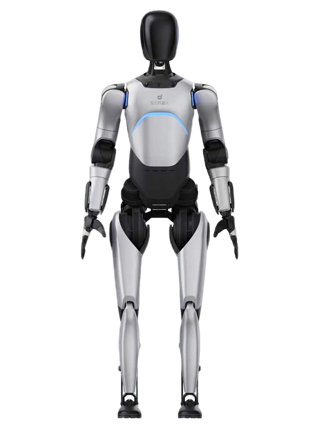
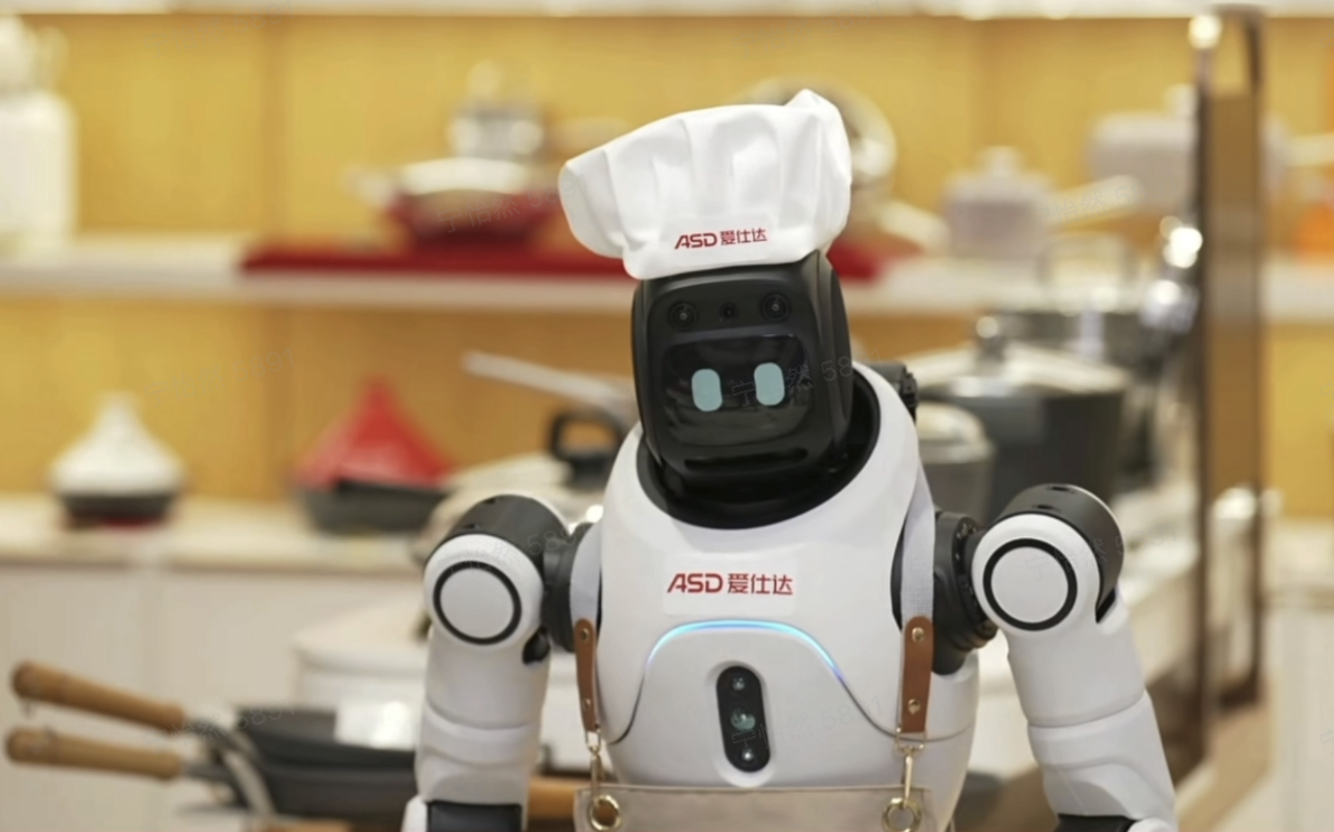
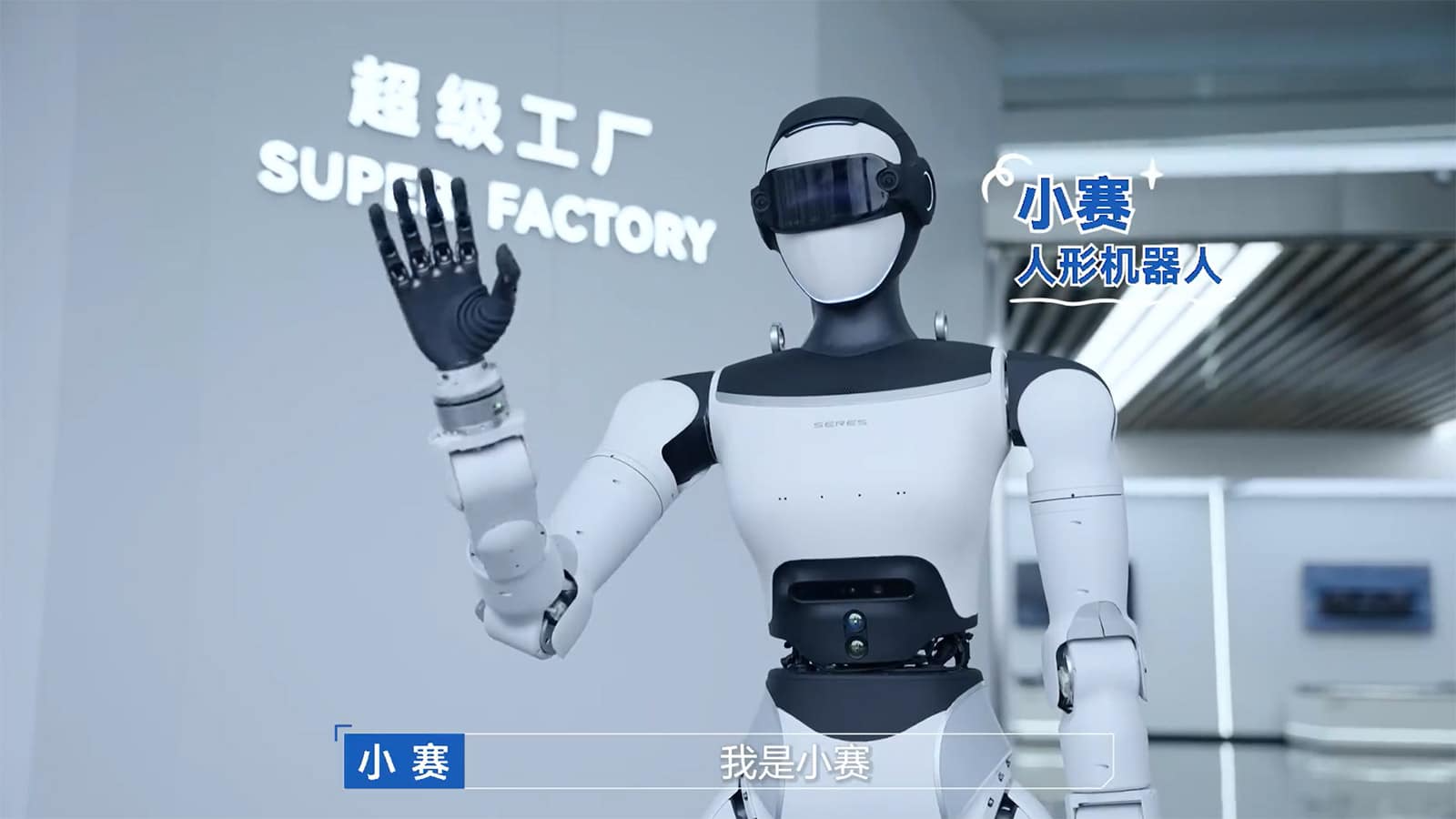
When Seres Group introduced its first humanoid robot on June 15, it did not do so from a stage. Xiaosai made its public debut inside the Chongqing Longxing Super Factory which is home to more than 3,000 industrial robots greeting visitors, leading tours, and operating alongside a full fleet of inspection and logistics robots that the company has been deploying for years.
3,000 Robots Before Xiaosai Ever Arrived
Seres' path to Xiaosai reflects a methodical build rather than a reactive entry into a crowded market. The company established its dedicated robotics entity, Chongqing Seres Phoenix Intelligent Innovation Technology Co. in late 2023, with registered capital of RMB 1.22 billion, backed by Chongqing government-affiliated partner. In March 2025, it formed a joint venture with Beihang University in Beijing, covering R&D and sales of intelligent robots, and began recruiting embodied AI engineers.
The AI stack powering Xiaosai's decision-making and human-machine interaction draws on a cooperation agreement signed with ByteDance's cloud and AI division Volcengine in October 2025. Under the arrangement, Volcengine provides language, vision, and multimodal model capabilities alongside compute infrastructure, while Seres contributes hardware integration and manufacturing-environment expertise. The partnership reflects a broader pattern in Chinese robotics: software-heavy AI companies and hardware-capable manufacturers finding each other as complementary partners.
Seres Vice President Kang Bo, who introduced Xiaosai via a factory tour video on Weibo, confirmed that additional embodied intelligence products are in development across bipedal, quadrupedal, wheeled, and wheel-leg hybrid form factors, all expected to debut within 2026.
What Xiaosai Does — and How It Fits a Broader Robot Strategy
At its current stage, Xiaosai handles reception, guided navigation, and voice interaction within the factory environment. Its visual recognition system allows it to greet visitors autonomously and engage in natural conversation. In the debut video, Xiaosai greeted well-known Chinese actor Huang Bo and Seres chairman Zhang Zhengping before leading them through the production floor.
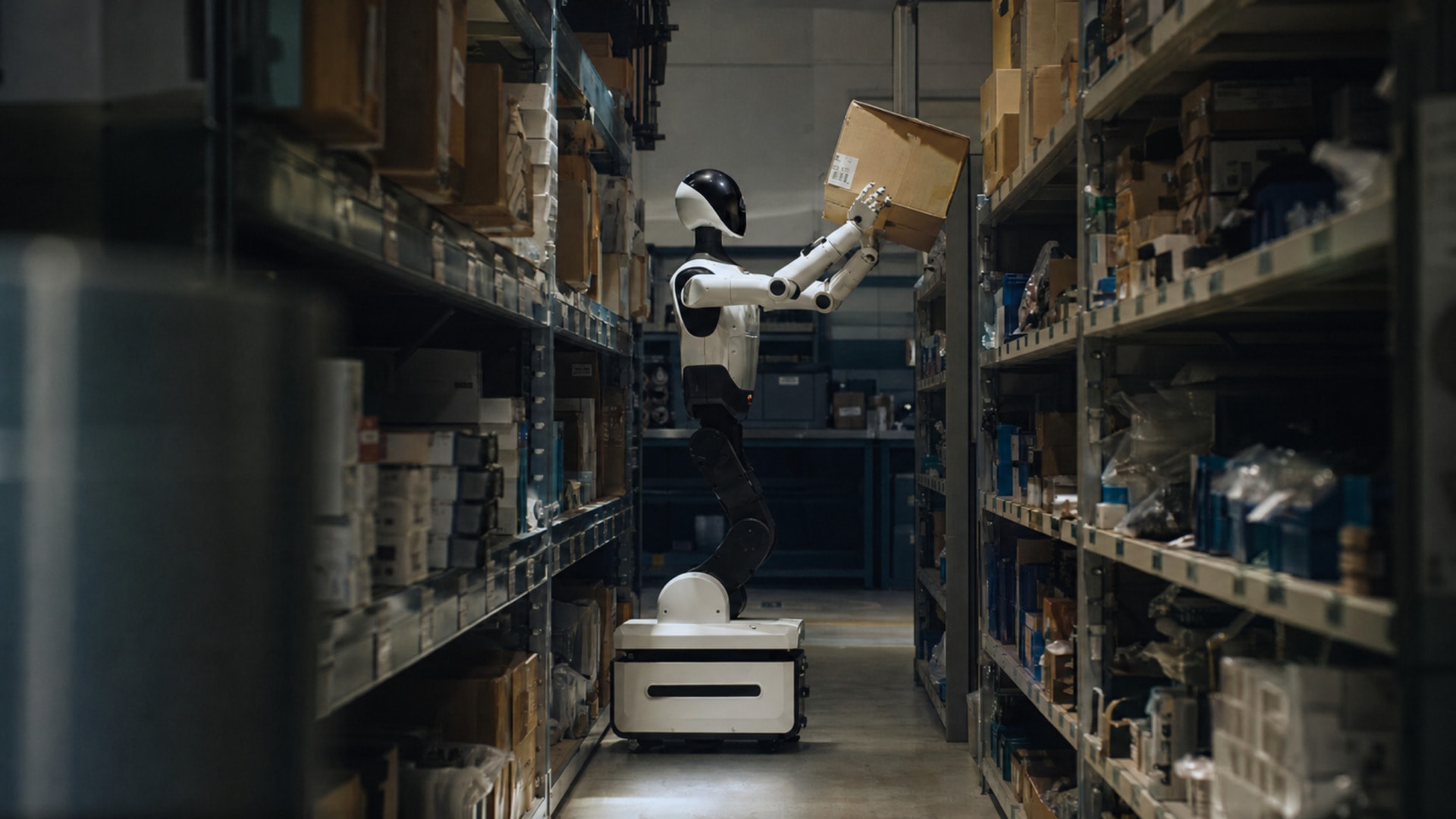
Xiaosai operates alongside a purpose-built robot team already embedded in the factory's daily workflow: Xiaosai 01 handles chassis assembly quality inspection, Xiaosai 02 verifies exterior configuration of finished vehicles before they leave the line, logistics robots execute autonomous material transport, and follow-me delivery robots handle last-metre distribution within the facility.
The product philosophy behind this lineup is deliberately pragmatic. Rather than applying a humanoid form factor to every use case, Seres has matched robot types to environments: bipedal humanoids for human-facing roles in spaces designed for people, wheeled robots for production-line logistics where cost and throughput matter more than form. Kang Bo described this as a multi-scenario approach, different shapes for different problems covering both B2B industrial clients and, eventually, consumer applications.
Automakers as a New Force in Robotics
Seres' entry adds another significant name to a list that has grown rapidly in 2026. Xpeng's CEO He Xiaopeng personally took the helm of the company's robotics unit in June to accelerate commercialisation of the IRON humanoid. BYD confirmed its humanoid programme and is reportedly considering selling robots through its dealer network. Chery's Aimoga brand is already selling a consumer humanoid at RMB 285,800 (approximately USD 42,000). SAIC, GAC, and Changan have all made robotics announcements of varying specificity.
The common argument for automaker entry is manufacturing capability. Chinese EV manufacturers have spent the past decade building supply chains, quality control systems, and AI-assisted production infrastructure at a scale that most dedicated robotics startups cannot match. The case for their involvement in humanoid robotics is not that they understand robot intelligence better than specialist companies, they understand how to make things at volume, and volume is ultimately what the humanoid robot market will require to reach commercial scale.
What distinguishes Seres from some of its peers is the decision to show an operational robot in a working factory, rather than a prototype on a stage. The three-year infrastructure build, the Volcengine AI partnership, and the factory-first debut together suggest a company that has been preparing for this moment carefully and chose to announce readiness rather than ambition.
What Comes Next
Seres has indicated that Xiaosai is the first in a broader product family. The company's roadmap covers multiple robot form factors designed for different operational environments, with further announcements expected before the end of 2026. The Volcengine partnership provides a scalable AI foundation, and the existing factory deployment gives Seres a live testing environment that most competitors do not have access to at launch.
The harder question is how Xiaosai performs in unstructured environments beyond the factory floor, what the commercial pricing model looks like, and whether Seres can compete with dedicated humanoid robotics companies on technical depth remain open. But as a first public step, Xiaosai's debut inside a fully operational manufacturing facility sets a bar that is harder to dismiss than a render image or a controlled stage demo.
Sources:
1. Kang Bo (赛力斯集团副总裁), Weibo video post, June 15, 2026
2. CnEVPost "Seres debuts humanoid as Chinese automakers pile into robotics," Phate Zhang, June 15, 2026
3. Leaderobot (立德机器人) “不走寻常路,赛力斯在工厂悄悄官宣了第一台人形机器人," June 17, 2026
4. OFWeek Robot — "赛力斯:'小赛'人形机器人正式亮相!能提振股价吗?," June 16, 2026
5. AI Weekly — "Seres Debuts Xiaosai Humanoid Robot With ByteDance AI," June 15, 2026
All editorial content is independently written by RobotAIGeek based on publicly available sources.