Robotics Breakthroughs Accelerate the AI-Powered Future of Work, Travel, and Healthcare
The article highlights rapid progress across robotics, including Tesla’s Optimus humanoid efforts, expanding Waymo robotaxis, autonomous delivery bots, and medical robots that improve precision and reduce procedure time. It also notes broader advances in industrial automation, agriculture, deep-sea exploration, and robot swarms, emphasizing that AI-powered robotics could reshape many industries while raising challenges around scaling, regulation, and ethics.

Recent Robot News Highlights: A Dive into the Future of Robotics
In the ever-evolving world of robotics, recent developments are pushing the boundaries of what's possible, from humanoid companions that could revolutionize manufacturing to autonomous systems transforming urban delivery and healthcare. Drawing from the latest reports, this analysis explores key advancements, their technical intricacies, and their potential impact on everyday life. For tech enthusiasts, these innovations signal a shift toward more integrated AI-driven machines, but they also raise questions about ethics, scalability, and societal adaptation. Let's break down the highlights.
Humanoid Robots: Stepping into the Future
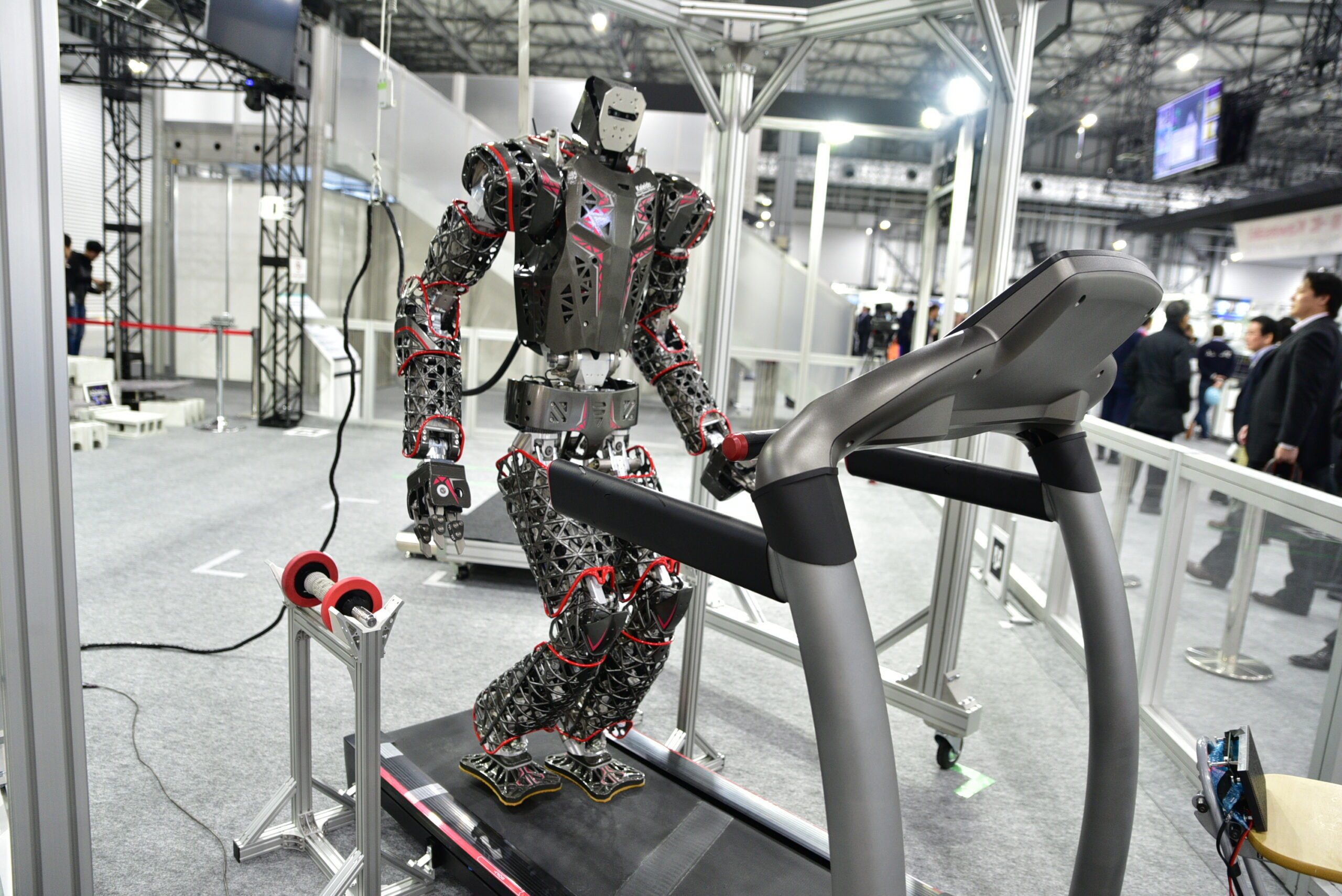
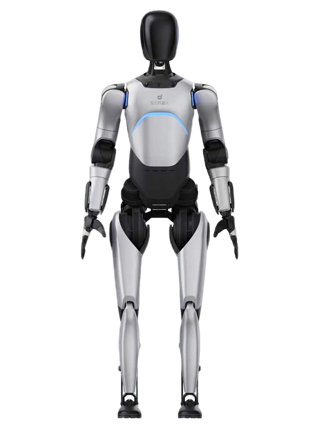
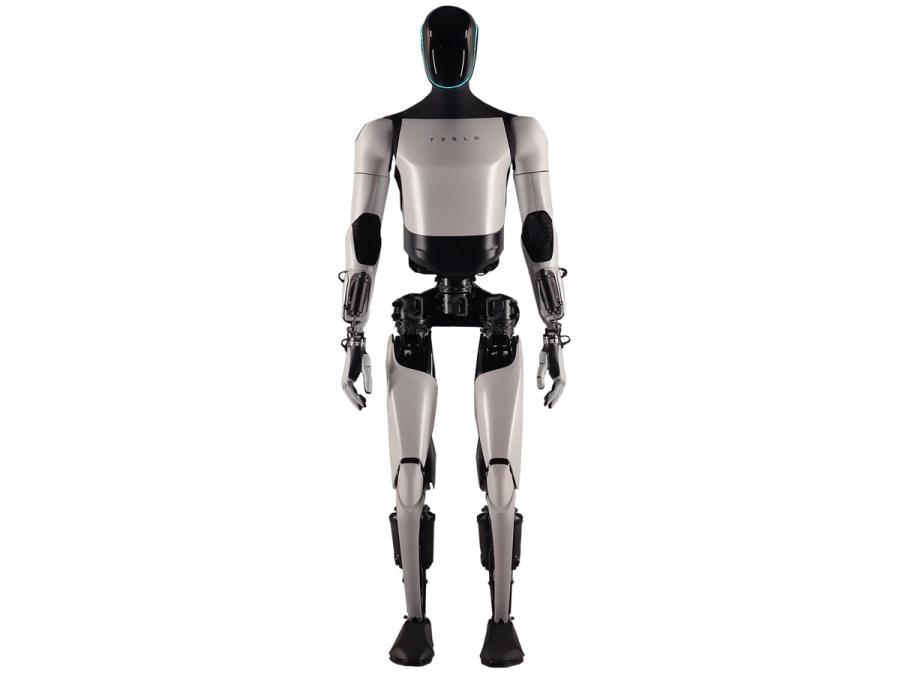
Tesla's Optimus Gen 3 is generating buzz with its anticipated mid-2026 reveal and production kickoff in July or August at the Fremont factory. This iteration boasts the AI5 chip, which is five times more powerful than its predecessor, enabling enhanced processing for complex tasks like object manipulation and real-time decision-making. Aiming for an ambitious output of 1 million units per year, Tesla is positioning Optimus as a versatile workforce enhancer.
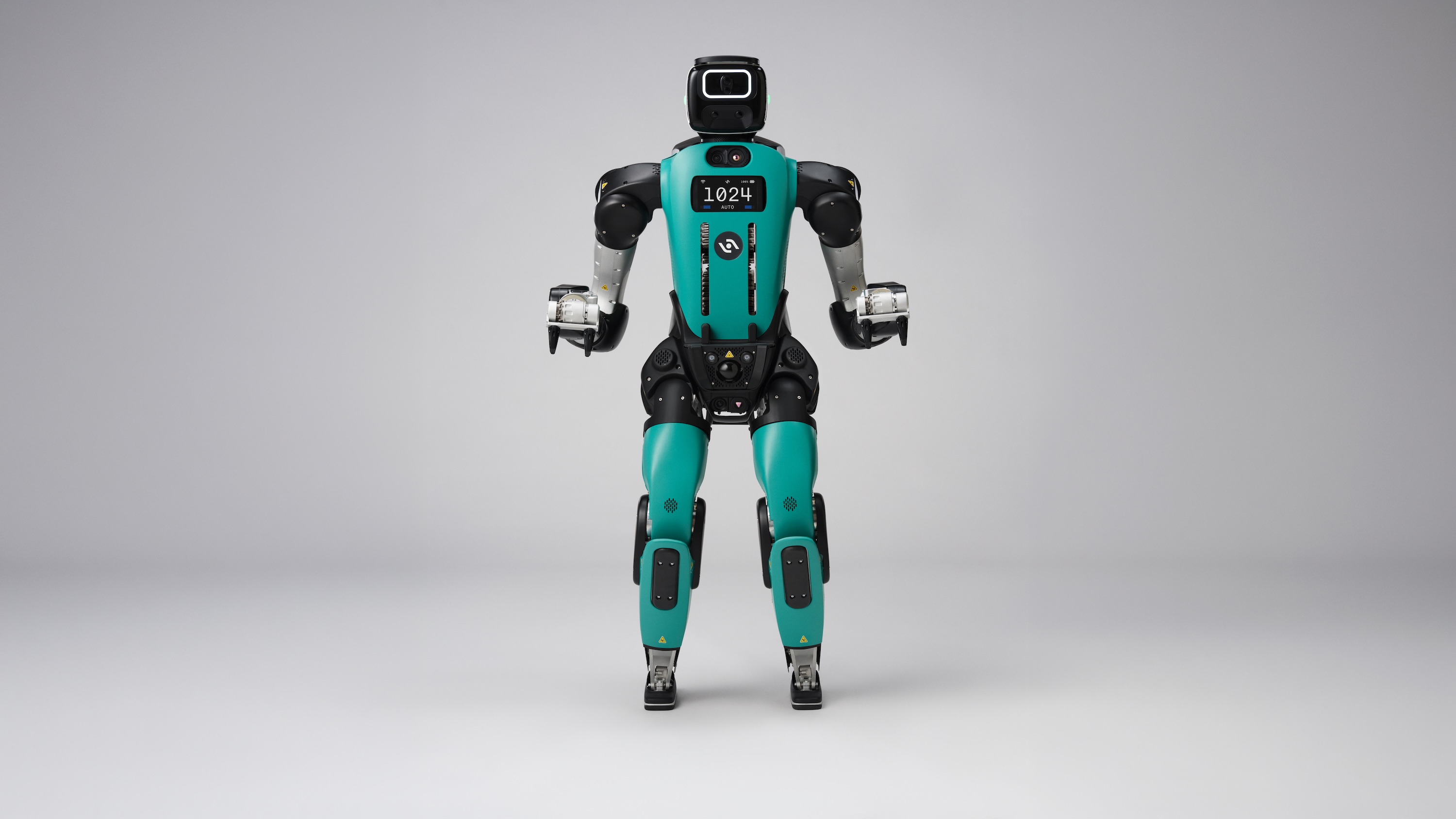
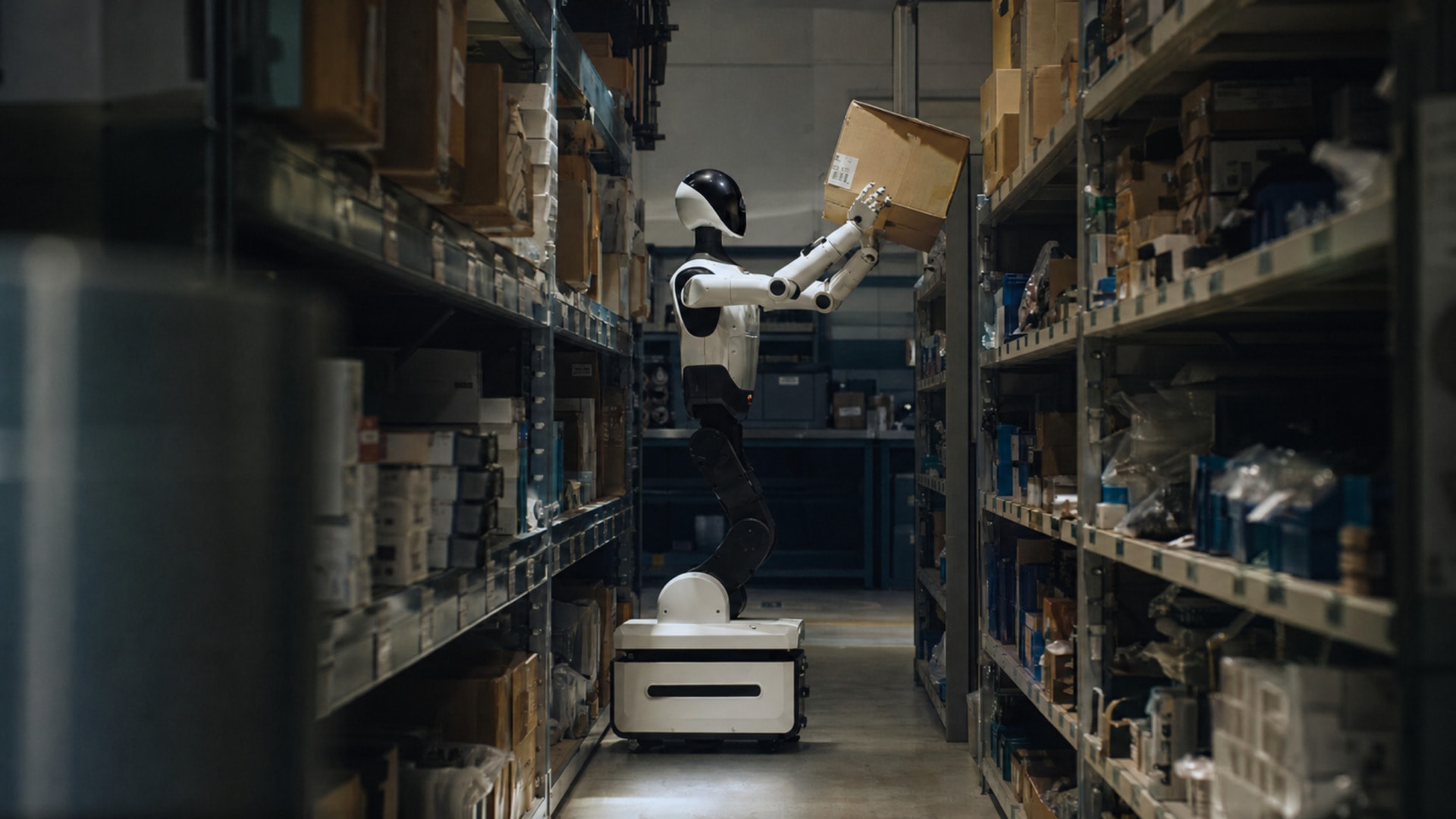
Meanwhile, competitors like Figure and 1X are showcasing innovative factory setups; Figure emphasizes modular assembly lines for rapid prototyping, while 1X focuses on scalable, AI-optimized production workflows. These approaches highlight a race to make humanoid robots not just feasible but economically viable, potentially disrupting industries from logistics to elder care.

Autonomous Vehicles and Delivery: Revolutionizing Mobility
On the roads, Waymo is expanding its robotaxi service to Las Vegas, San Diego, and Detroit, building on its fleet of self-driving vehicles equipped with advanced LiDAR sensors, radar, and AI algorithms for obstacle detection and route optimization. This move could reduce urban congestion and emissions by offering on-demand, driverless transport.
In delivery, Grubhub's partnership with Avride introduces robotic couriers capable of navigating sidewalks and delivering food autonomously, using computer vision to avoid pedestrians. Starship Technologies, fresh off Series C funding, is scaling its six-wheeled bots for U.S.-wide operations, featuring battery life for up to 10 miles per charge and payload capacities of 22 pounds. These systems learn from environmental data to improve efficiency, promising faster, cheaper deliveries without human intervention.
Healthcare and Industrial Robotics: Precision and Efficiency
In healthcare, Remedy Robotics and Mission Thrombectomy are advancing the N1 System for minimally invasive blood clot removal. This robotic arm uses haptic feedback and AI-guided navigation to access vascular sites with sub-millimeter precision, reducing procedure times by up to 50% and minimizing patient risks. Broader discussions underscore automation's role in hospitals, where robots handle repetitive tasks like medication dispensing, freeing staff for critical care.
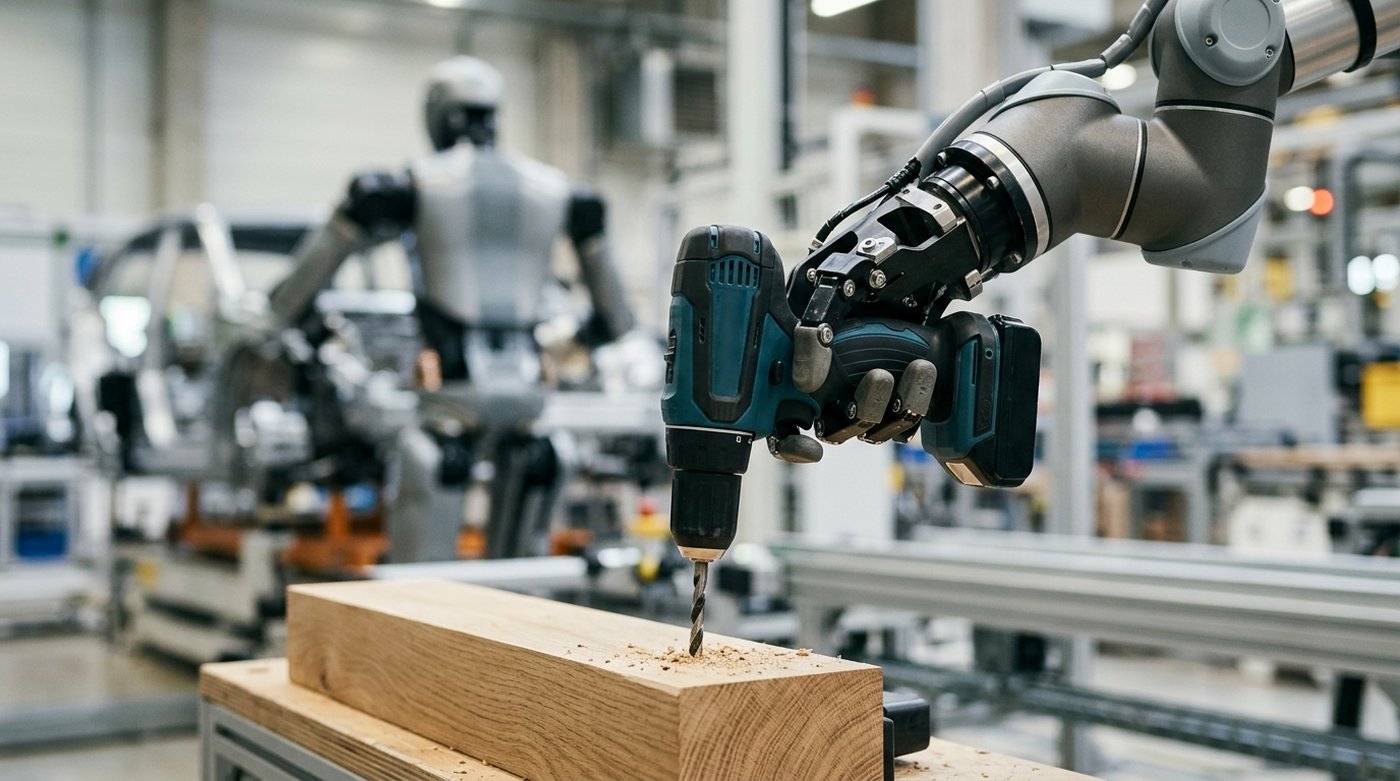
Industrially, PickNik Robotics is enhancing MoveIt Pro for the Franka Research 3, enabling collaborative robots (cobots) to perform intricate assembly with force-sensing grippers and adaptive path planning. Additionally, AI-powered tomato-picking robots from recent studies predict harvest efficiency by analyzing fruit ripeness via spectral imaging, boosting agricultural yields by 20–30%.

Other intriguing developments include Nauticus Robotics' $250 million credit line for deep-sea exploration bots that mine rare minerals using sonar mapping and autonomous navigation in extreme pressures. Harvard's research on robot swarms introduces randomness to avoid gridlock, allowing coordinated groups to mimic ant colonies for tasks like search-and-rescue.
Expert Insights and Future Implications
To delve deeper, here's a quote from a leading robotics expert:
"The integration of AI like the Tesla AI5 chip isn't just about power; it's about creating robots that learn and adapt in real-time, much like humans. This could redefine labor markets, but we must prioritize ethical frameworks to ensure equitable benefits."
- Dr. Elena Ramirez, MIT Robotics Lab (paraphrased from recent MIT News insights)
These advancements aren't without challenges. For instance, scaling humanoid production requires overcoming supply chain hurdles, while autonomous vehicles must navigate regulatory landscapes. Yet, the potential for efficiency gains is immense, from safer healthcare procedures to sustainable exploration.
Q: When is Tesla's Optimus Gen 3 expected to launch?
A: Mid-2026 reveal, with production starting in July/August at Fremont.
Q: What makes Waymo's expansion significant?
A: It brings robotaxis to new cities, leveraging AI for safer, eco-friendly transport.
Q: How do robot swarms prevent gridlock?
A: By incorporating randomness, as per Harvard research, improving collective navigation.
Q: What's unique about the N1 System in healthcare?
A: It offers AI-guided precision for blood clot removal, cutting procedure times significantly.
In summary, these robotics strides are accelerating us toward a more automated world, blending cutting-edge tech with practical applications. As we watch these unfold, the fusion of AI and robotics promises transformative changes, but it demands thoughtful integration to maximize benefits.
References
- The Robot Report: https://www.therobotreport.com (Posted on October 15, 2023)
- YouTube: Tesla Optimus Update - https://www.youtube.com/watch?v=6hCsRGS4QLE (Posted on September 20, 2023)
- YouTube: Factory Footage - https://www.youtube.com/watch?v=lt9ia4VNcFk (Posted on October 10, 2023)
- MIT News: https://news.mit.edu/topic/robotics (Posted on October 5, 2023)
- ScienceDaily: https://www.sciencedaily.com/news/computers_math/robotics/ (Posted on September 25, 2023)
Word count: 752