Physical AI Dominates Automate 2026 as Global Incumbents and Chinese Challengers Converge
The Automate 2026 exhibition in Chicago highlights the rapid convergence of physical AI, featuring the first Humanoid Robot Pavilion and showcasing traditional giants competing alongside emerging Chinese full-stack developers.
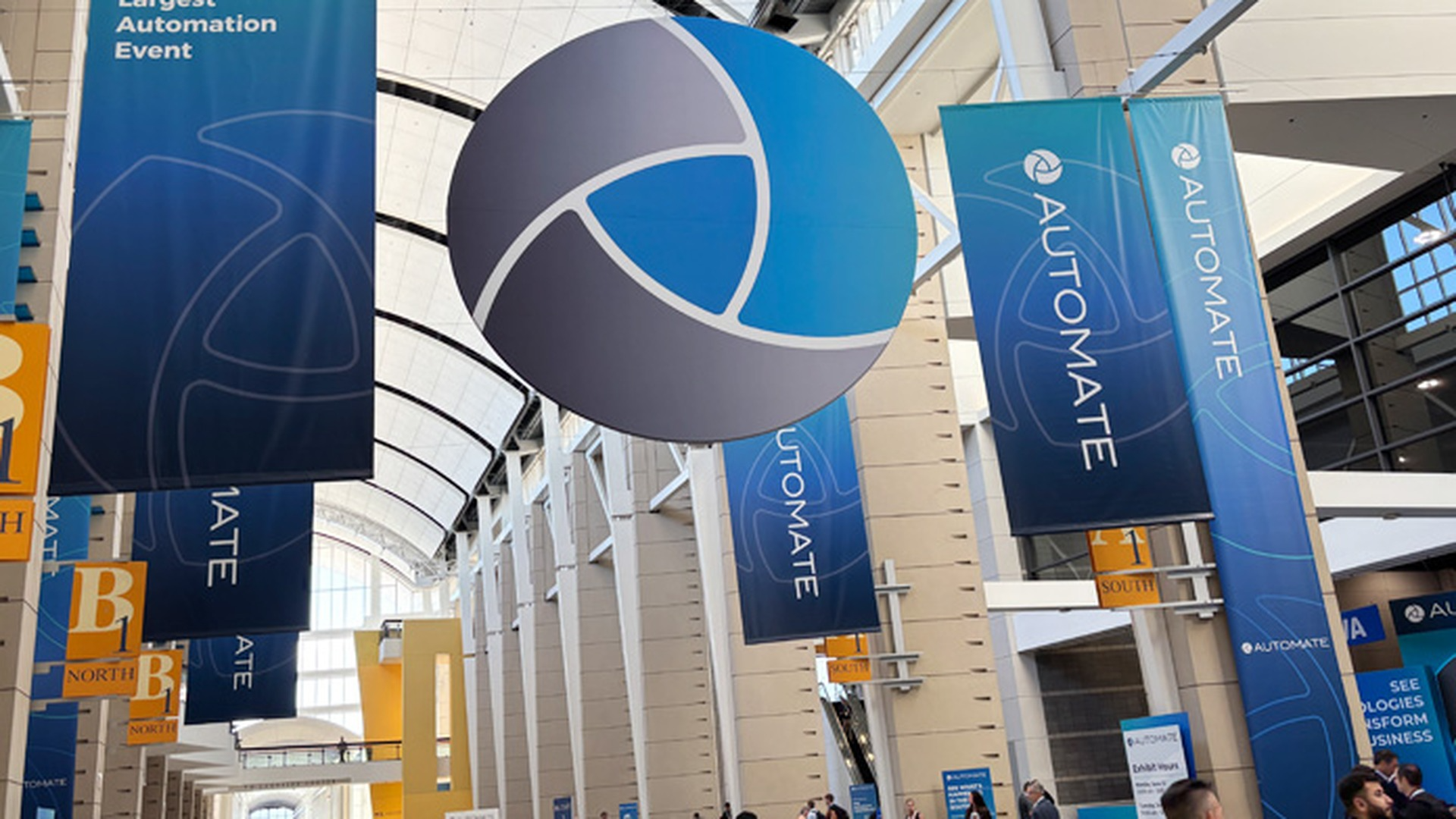
The Automate 2026 exhibition at Chicago's McCormick Place, the largest in the event's 50 year history, serves as a clear indicator of the shifting dynamics within the robotics industry. The defining theme of the show is no longer the incremental improvement of mechanical hardware. Instead, the focus has entirely shifted to the integration of physical AI and the emergence of humanoid platforms as viable industrial tools.
With over 50,000 attendees and 1,000 exhibitors, the event highlights a critical convergence point [1]. Traditional industrial automation giants are rapidly integrating AI capabilities into their established hardware, while a new generation of agile developers, particularly from China, are using the platform to establish global credibility for their full stack systems.
The Humanoid Shift
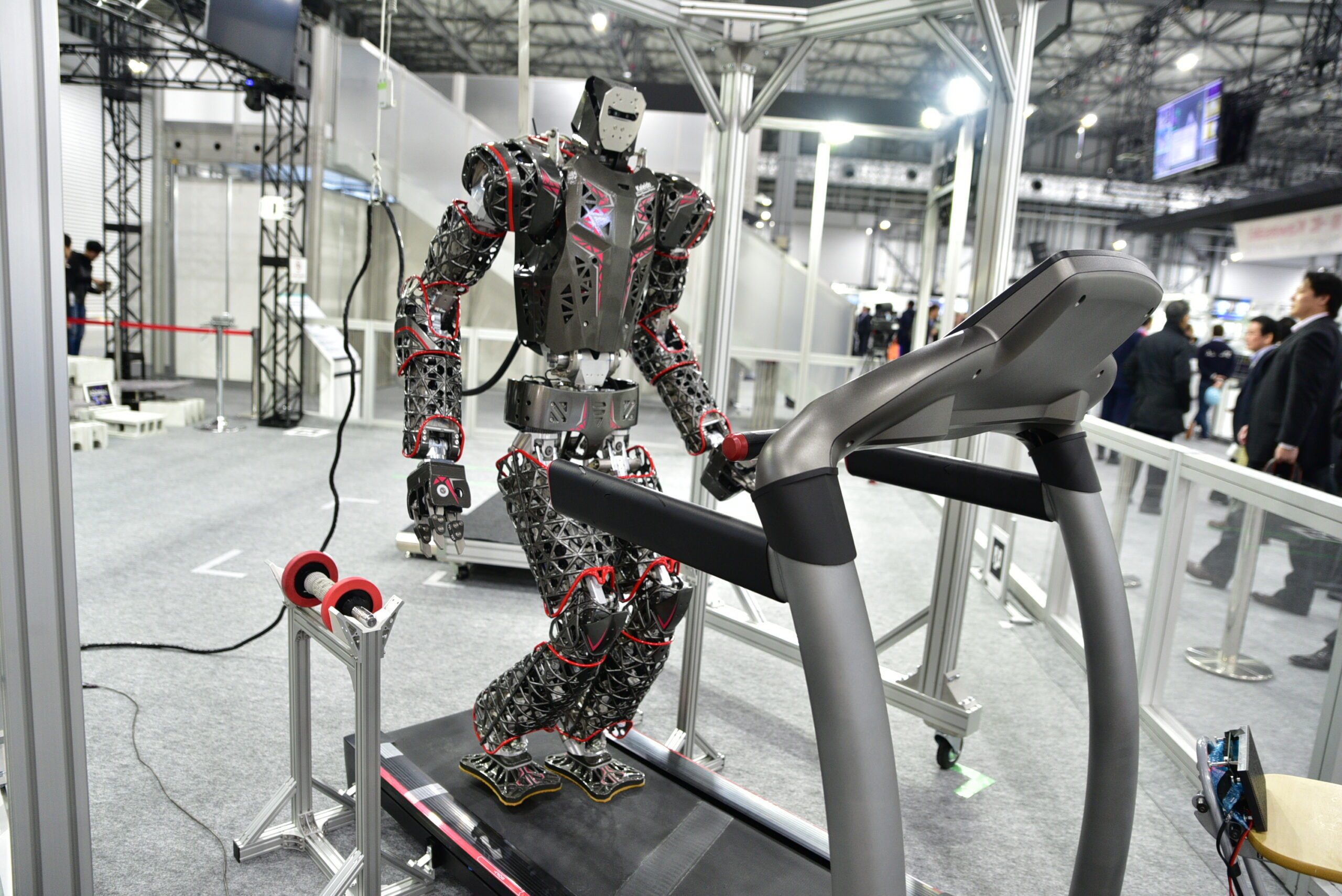
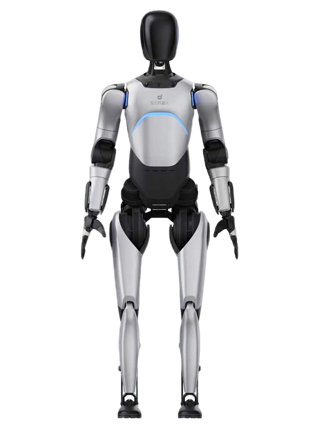
The most visible manifestation of this shift is the introduction of the first ever Humanoid Robot Pavilion, sponsored by NVIDIA [1]. This dedicated space moves the conversation surrounding humanoid robots from theoretical research to practical deployment.
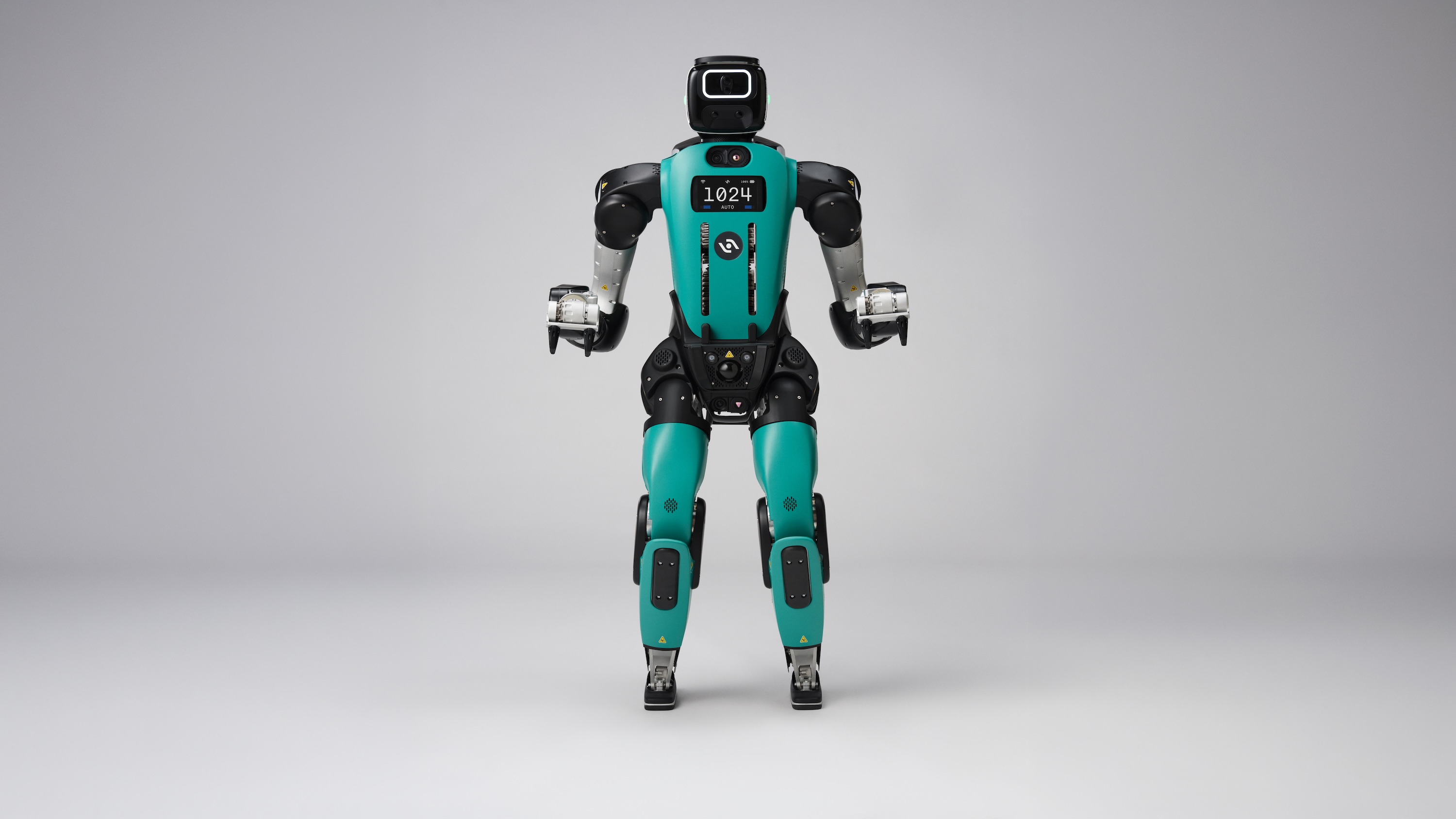
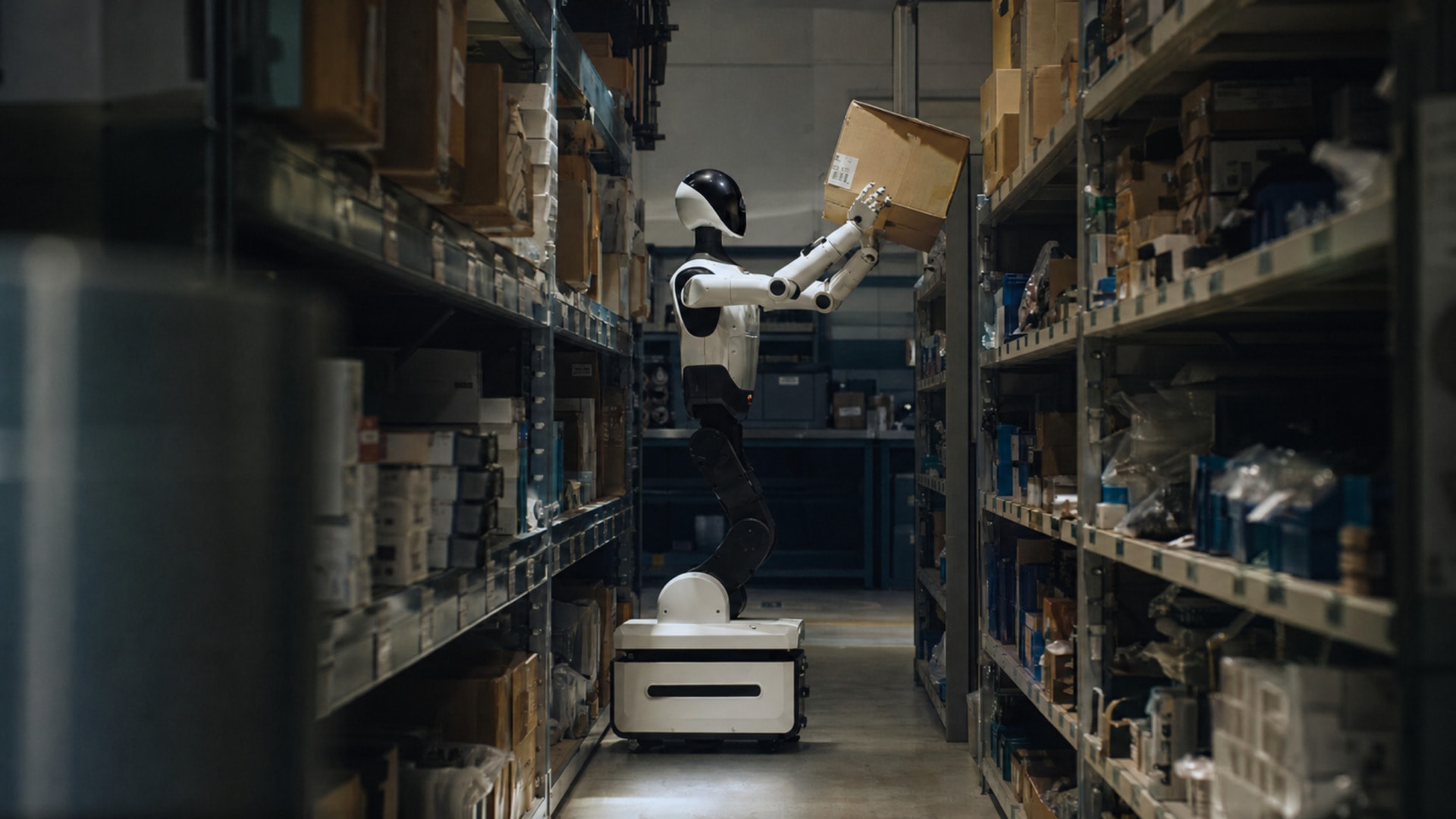
The accompanying Humanoid Robot Forum further emphasizes this transition, focusing on deployment frameworks, real world applications, and integration challenges. The presence of companies like Agility Robotics and Boston Dynamics alongside traditional automation providers indicates that humanoids are no longer viewed as standalone novelties. They are increasingly being evaluated as connected components within broader warehouse and manufacturing ecosystems [2].
Incumbents Embrace Physical AI
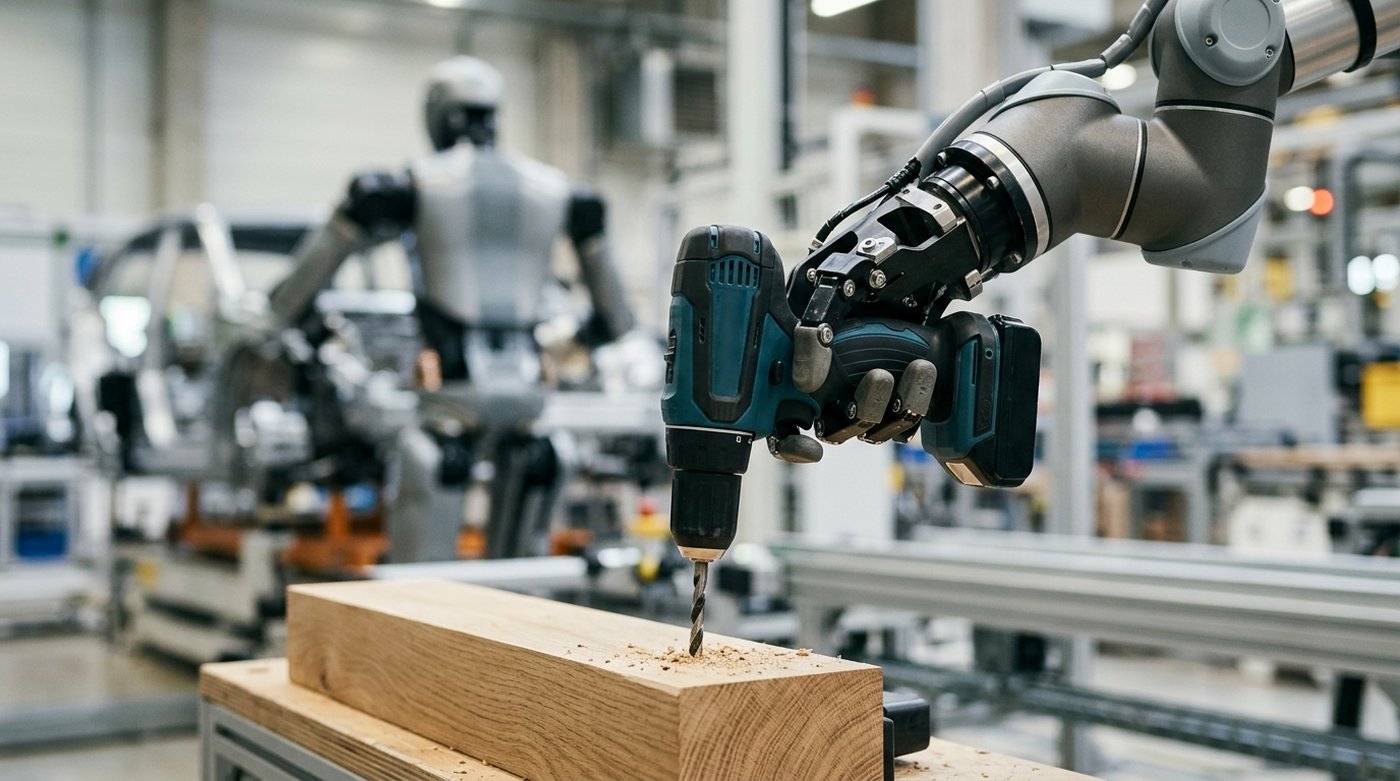
Traditional industrial heavyweights are demonstrating that they will not yield the physical AI transition to startups. Companies like ABB and FANUC are utilizing Automate 2026 to showcase their own AI enabled systems.
ABB is focusing on the critical link between simulation and reality, utilizing NVIDIA Omniverse to model production lines with high accuracy before physical deployment [2]. FANUC is demonstrating natural language programming capabilities, allowing operators to guide robots using simple voice commands, thereby reducing the complexity of integration [2]. These established players are leveraging their massive installed bases and deep understanding of industrial reliability to deploy physical AI at scale.
The Chinese Challenge
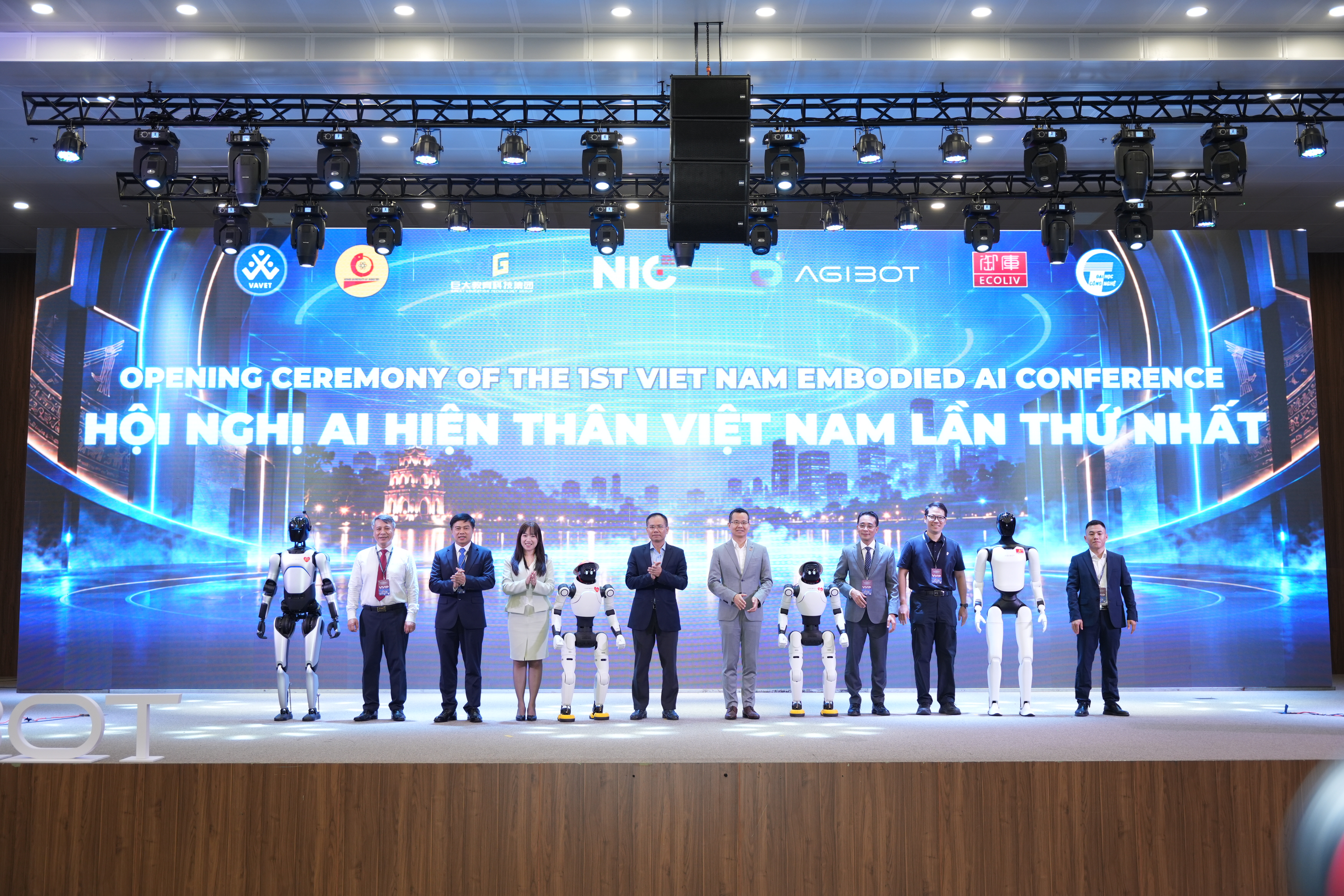
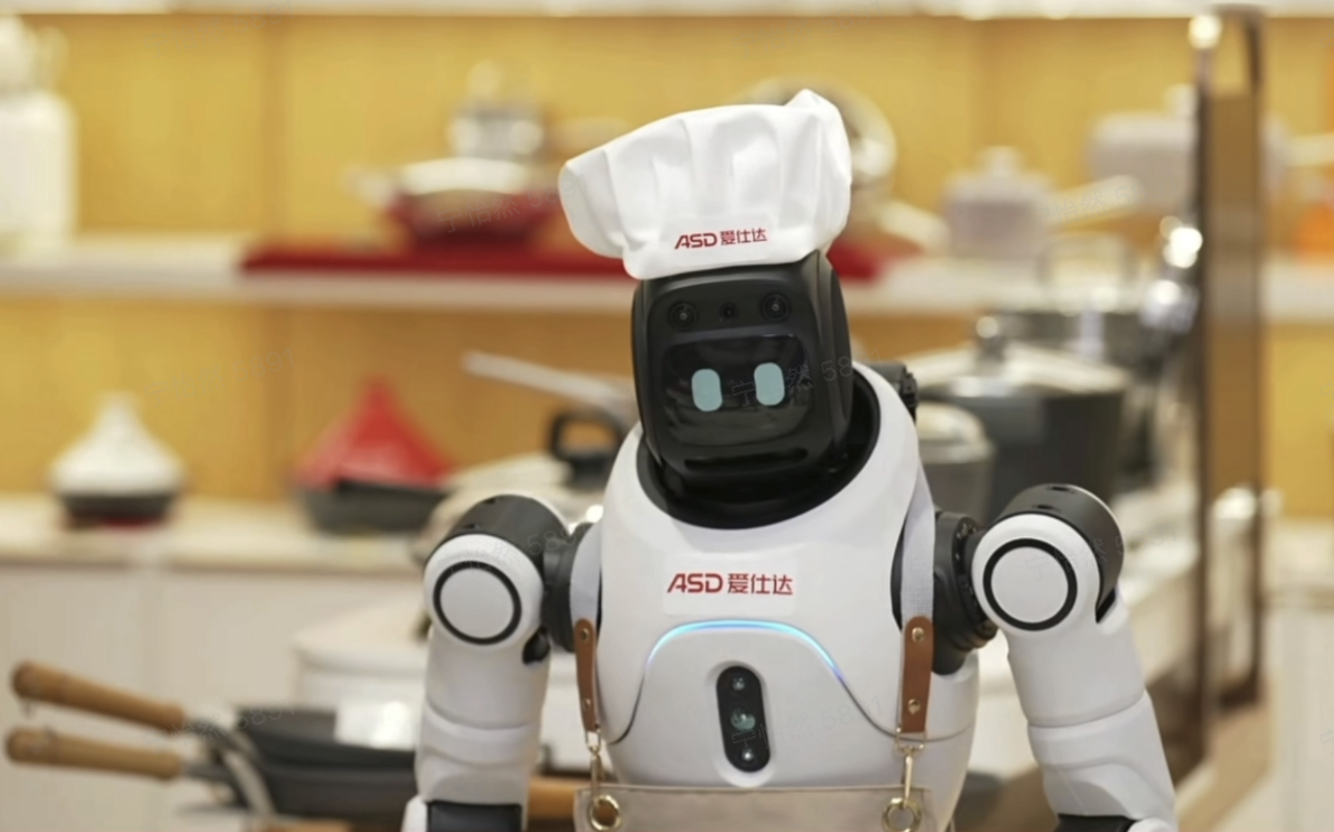
The exhibition floor also highlights the growing global ambition of Chinese robotics companies. Firms such as ROKAE and Agibot are utilizing Automate 2026 to demonstrate their full stack capabilities to the North American market.
These companies are not merely competing on hardware cost. They are showcasing sophisticated embodied AI systems that combine physical mobility, natural interaction, and task execution. Their presence at the largest automation show in the Americas signals a transition from national champions to aggressive global competitors, intent on capturing market share in the rapidly expanding physical AI sector.
The Bigger Signal
Automate 2026 reveals an industry in the midst of a profound architectural shift. The defining characteristic of modern robotics is no longer mechanical precision alone, but the ability of the system to perceive its environment, make autonomous decisions, and learn from physical demonstration.
The convergence of AI software developers, traditional hardware manufacturers, and aggressive new entrants is creating a highly competitive ecosystem. The winners in this new era will be the companies that can successfully bridge the gap between advanced AI models and the unforgiving reliability requirements of the factory floor.
The presence of the Humanoid Robot Pavilion at a historically pragmatic trade show like Automate is a watershed moment. It confirms that the industry believes general purpose physical AI is nearing commercial viability. However, the real battle is not between different humanoid form factors. The critical competition is over the software platforms, the safety architectures, and the data ecosystems that will manage these fleets. The Chinese companies present at the show understand this, and their aggressive push into the US market indicates that the race for global physical AI dominance has officially begun.
References:
1. Association for Advancing Automation (A3 ). Automate 2026 exhibitor list.
2. Image: Robotics 24/7 / Peerless Media, Automate 2026, McCormick Place, Chicago.