NVIDIA Halos: The Safety Infrastructure Unlocking Humanoid Scale URI Slug: nvidia-halos-safety-infrastructure-humanoid-scale-2026
NVIDIA introduces Halos for Robotics, the industry's first full-stack safety system for physical AI, providing the essential certification pathway needed to move humanoid robots from pilots to production.
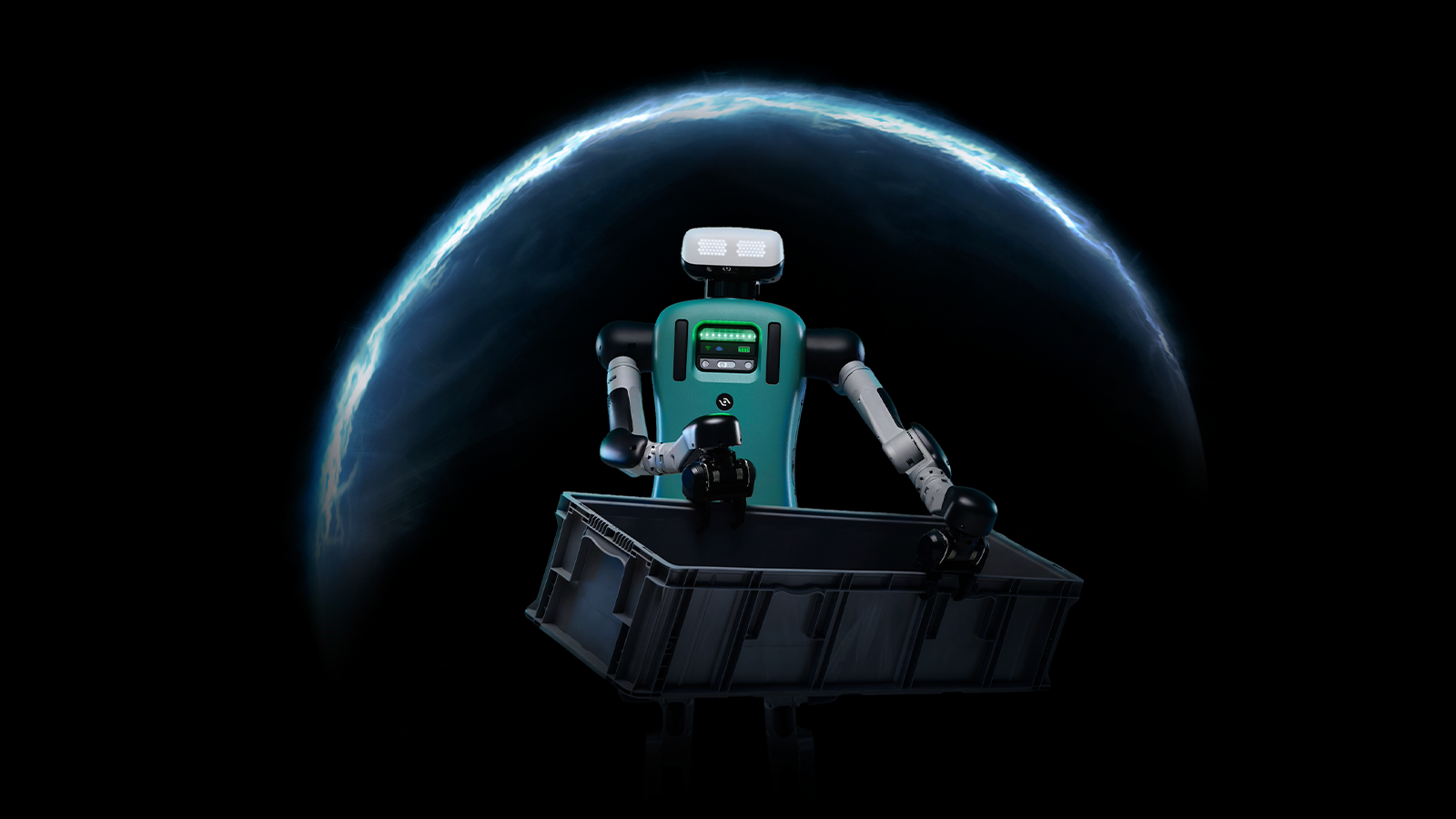
The transition of humanoid robots from experimental laboratories to active factory floors has encountered a predictable but formidable barrier. That barrier is not dexterity, battery life, or compute power. It is functional safety certification. At the Automate 2026 conference in Chicago, NVIDIA addressed this bottleneck directly with the launch of NVIDIA Halos for Robotics, the industry's first full-stack safety system designed specifically for physical AI.
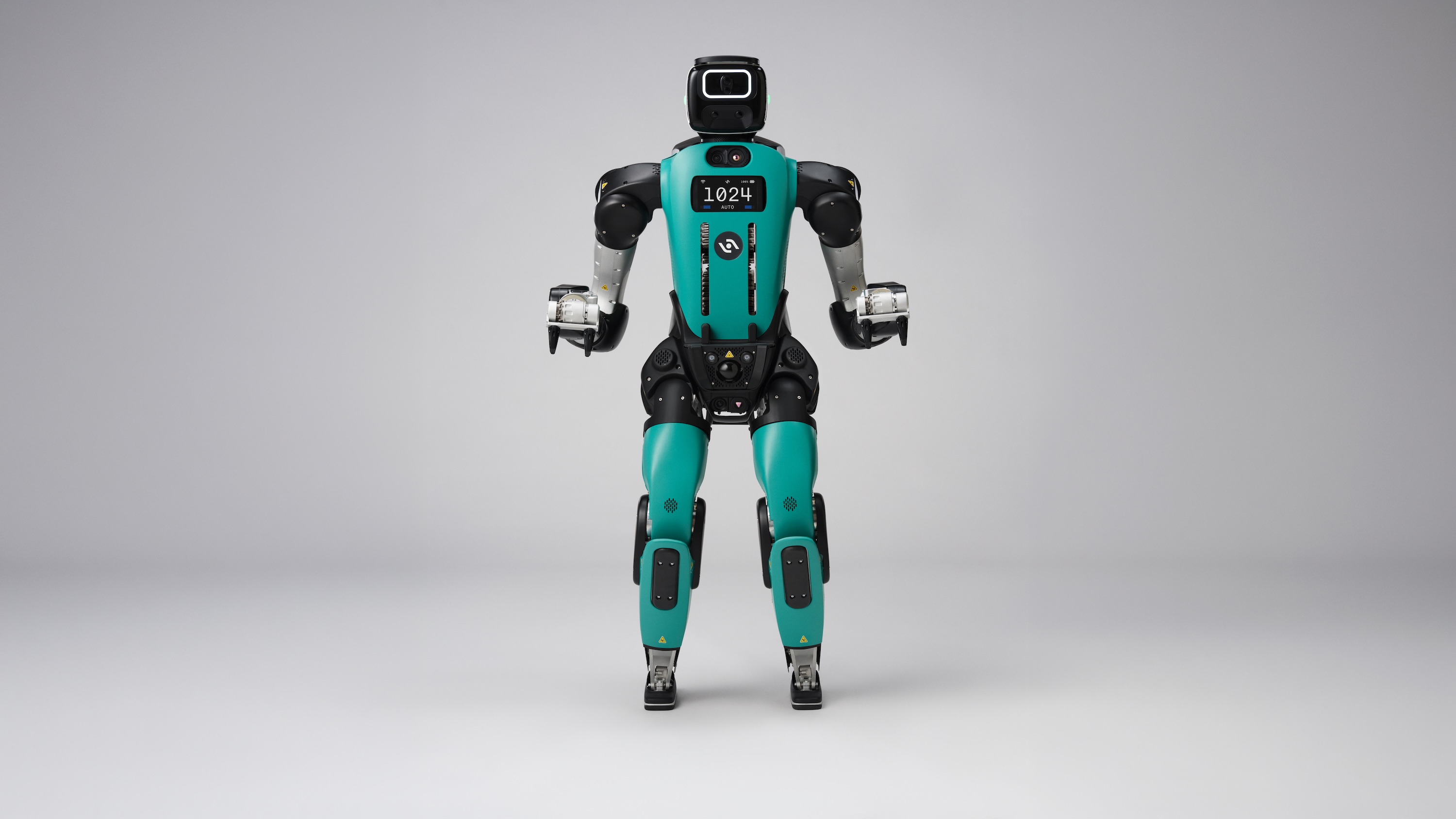
The platform extends the safety architecture NVIDIA originally developed for autonomous vehicles into the industrial robotics sector. Agility Robotics, the manufacturer of the Digit humanoid, is the first company to integrate the Halos system, signaling a critical shift in how the industry approaches the deployment of autonomous machines alongside human workers [1].
The Certification Bottleneck
Safety certification is the biggest barrier between pilot deployments and production scale.
Industrial environments operate under strict regulatory frameworks designed to protect human workers. Traditional industrial robots are typically confined within physical safety cages. Collaborative robots, or cobots, operate without cages but are limited in speed and payload. Humanoid robots, designed to move freely through unstructured environments and interact dynamically with human colleagues, do not fit neatly into existing safety paradigms.
Before a major logistics or manufacturing company can deploy hundreds of humanoid robots, the systems must pass rigorous third party safety certifications such as IEC 61508 and ISO 13849. Achieving this certification requires a provable, auditable safety architecture that spans the hardware, the operating system, and the AI models governing behavior.
Standardizing the Safety Stack
NVIDIA Halos provides a standardized, unified safety architecture that connects AI compute, system software, sensor data, and safety applications [1].
The system is built on the NVIDIA IGX Thor platform, which provides industrial grade AI compute with a physically isolated functional safety island. This hardware is paired with the Halos OS software stack and the Holoscan Sensor Bridge, ensuring that the entire data pipeline, from external sensors to the central processor, operates within a secure and verifiable framework [2].
By providing a pre assessed safety foundation, NVIDIA allows robotics manufacturers to focus on their proprietary applications rather than engineering the underlying safety architecture from scratch. This approach significantly accelerates the path to commercial deployment.
The Inspection Lab Advantage
The hardware and software components of Halos are supported by the NVIDIA Halos AI Systems Inspection Lab. This facility is the world's first ANAB accredited program for functional and AI safety for physical AI [1].
The lab helps partners prepare their systems for final certification by leading bodies such as TÜV Rheinland and UL Solutions. Agility Robotics is utilizing this lab to ensure that Digit's safety related software, AI components, and cybersecurity protections meet all necessary standards before seeking final third party certification [1]. This collaborative approach to compliance reduces the risk and timeline associated with bringing complex physical AI systems to market.
The Bigger Signal
The introduction of NVIDIA Halos indicates that the robotics industry is moving beyond the demonstration phase and confronting the unglamorous realities of industrial integration. The ability to perform a task is only half the equation. The ability to prove that the task will be performed safely, every single time, under any condition, is what unlocks commercial scale.
By establishing a standardized safety platform, NVIDIA is positioning itself as the foundational layer for the next generation of autonomous machines. The companies that adopt these standardized safety architectures will have a significant advantage in deploying their systems into highly regulated industrial environments.
RobotAIGeek Perspective The conversation around humanoid robots frequently focuses on their physical capabilities or the sophistication of their foundation models. However, the true gating factor for widespread adoption is trust. Facility managers will not deploy systems they cannot verify. The NVIDIA Halos platform provides the mathematical and architectural proof required to establish that trust. This development marks the moment when physical AI stops being a novel experiment and becomes a certifiable industrial tool.
References