ITOCHU Strikes Physical AI Alliance With MAMEZO to Tackle Japan's Robot Labor Gap
ITOCHU has formed a three-way alliance with MAMEZO and CTC to accelerate physical AI deployment across Japan, signaling a broader industrial push to address labor shortages with robotics.


ITOCHU Strikes Physical AI Alliance With MAMEZO to Tackle Japan's Robot Labor Gap
Japan's robotics ambitions just picked up a heavyweight trading partner. ITOCHU Corporation, one of Japan's largest general trading houses, announced today a business alliance with MAMEZO Co., Ltd., a Tokyo-based specialist in physical AI — the branch of artificial intelligence that lets software perceive, reason about, and physically act on the real world through robots and machinery. Joining them is ITOCHU Techno-Solutions Corporation (CTC), ITOCHU's IT infrastructure arm, rounding out a three-way partnership aimed at pushing autonomous robotics out of the lab and onto factory floors, warehouses, and infrastructure sites across the country.
The deal is notable less for flashy hardware and more for what it signals structurally: Japan's biggest conglomerates are now assembling end-to-end robotics supply chains rather than just buying robots off the shelf. ITOCHU has already signed a capital alliance with Roodhalsgans 3 Co., Ltd., MAMEZO's parent company, and subscribed to a portion of its preferred shares — a move that ties the trading house's balance sheet directly to physical AI's commercial success rather than treating it as an experimental side bet.
What Physical AI Actually Means Here
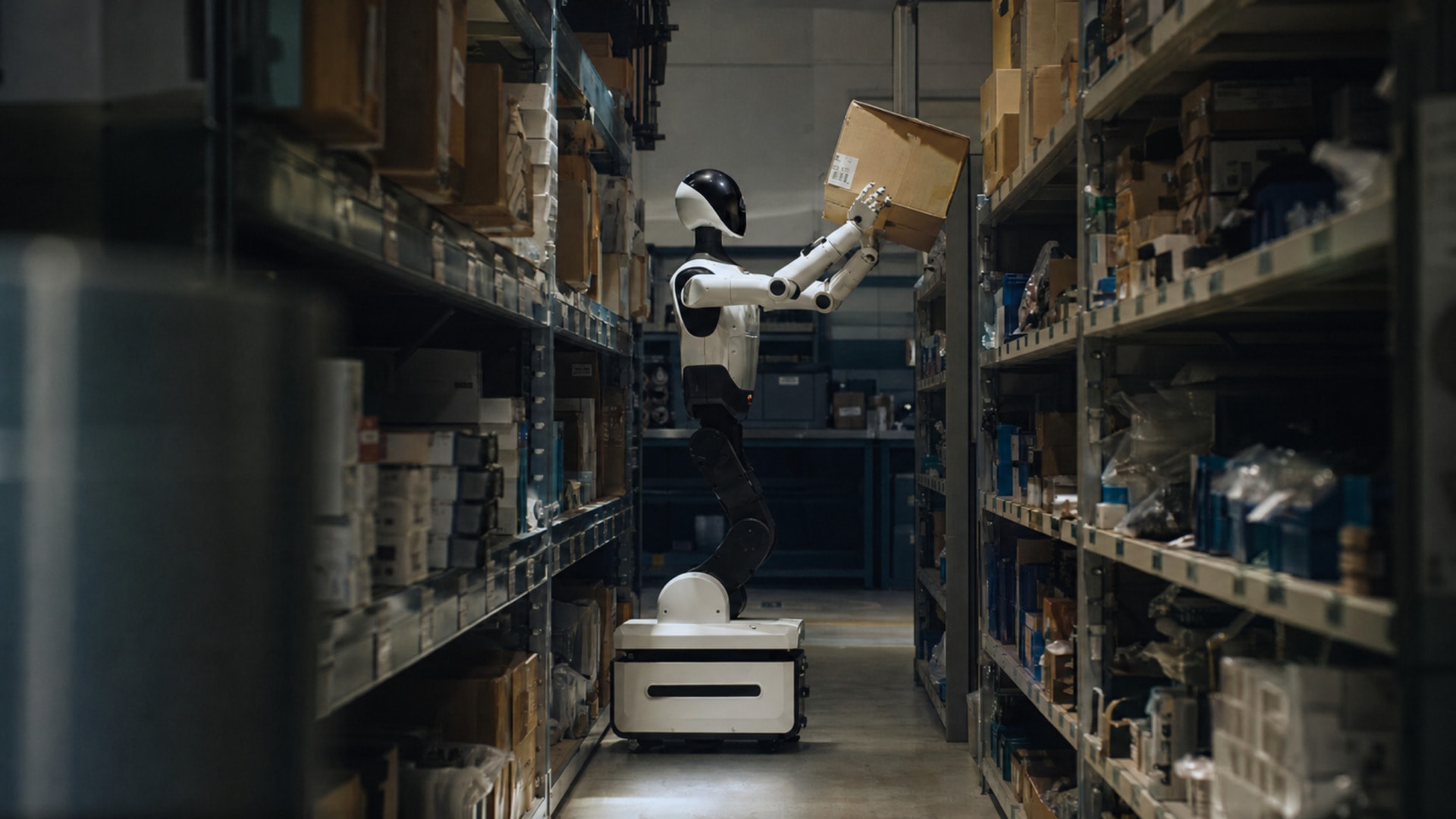
Physical AI, as MAMEZO practices it, combines AI-driven perception and decision-making with robotic and IoT hardware that executes tasks in unstructured, real-world environments — the opposite of the fixed, pre-programmed robotic arms that have dominated factories for decades. MAMEZO's stated edge is end-to-end capability: it handles everything from initial concept and system design through hardware build-out, deployment, and ongoing operation. That full-stack scope matters because most physical AI pilots stall not at the demo stage but during integration — connecting perception models, robot control systems, and existing plant IT infrastructure into something that survives daily operations. CTC brings the missing piece: deep expertise in enterprise IT infrastructure, systems development, and operations, an area ITOCHU has built out over years of digital transformation work with Japanese manufacturers.
Why Trading Houses Are Getting Into Robotics
ITOCHU isn't a robotics company by trade — it's a sogo shosha, a trading conglomerate spanning food, energy, textiles, and machinery. Its entry into physical AI reflects a broader pattern across Japan's industrial base: production, logistics, infrastructure inspection, and mobility sectors are simultaneously squeezed by a shrinking labor force and pressure to raise productivity. Automating those processes profitably, though, requires more than a capable robot; it requires financing, customer relationships, systems integration, and long-term maintenance contracts — the exact toolkit a trading house and an IT integrator bring to the table. ITOCHU's role is to open its broad customer base to MAMEZO's technology, effectively acting as a distribution and financing channel for physical AI deployments that MAMEZO alone would struggle to scale.
Through this alliance, ITOCHU and CTC will enhance its structure for comprehensively supporting customers engaged in production, logistics, infrastructure and other fields from conceptualization of a system to its construction, implementation and operation. — ITOCHU Corporation, official announcementThe Bigger Signal for the Industry
This alliance lands the same week Japan's industry ministry pledged roughly ¥387.3 billion toward a domestic physical AI foundation model led by Noetra, with SoftBank and Preferred Networks involved, and just days after reports of a national plan targeting 10 million AI-equipped robots deployed across 18 sectors by 2040. Read together, the pattern is clear: Japan is treating physical AI as industrial policy, not just corporate R&D, and trading houses like ITOCHU are positioning themselves as the deployment layer that turns government-backed foundation models and startup robotics IP into actual installed systems. Whether MAMEZO's technology can scale beyond bespoke pilots into a repeatable, sector-wide product is the open question the announcement doesn't answer — commercial terms, robot specifications, and rollout timelines were not disclosed.
Questions Readers Are Asking
Q: What is physical AI, in plain terms?
A: It's AI that doesn't just generate text or images but perceives its surroundings and controls physical machines — robots, forklifts, inspection drones — to complete real-world tasks autonomously.
Q: What does MAMEZO actually build?
A: MAMEZO develops software and hardware for robotics and automation, offering end-to-end support from system design through deployment and operation, largely for factory automation and digital transformation projects.
Q: Why does ITOCHU need a robotics partner instead of building this in-house?
A: ITOCHU's strength is its customer network and capital, not robotics engineering. Partnering lets it monetize physical AI demand quickly while MAMEZO and CTC handle the technical execution.
Q: When will this alliance produce actual deployed robots?
A: The companies say they will jointly propose, demonstrate and implement solutions going forward, but no specific deployment dates or customer names have been announced yet.
For now, the alliance is a structural move rather than a product launch — there's no new robot, no benchmark, no factory floor demo to point to yet. What it confirms is that Japan's largest trading houses see physical AI as investable infrastructure, worth capital alliances and preferred-share subscriptions, at the same moment the national government is funding foundation models for the same purpose. The companies that win this phase won't necessarily be the ones with the most impressive robot demo; they'll be the ones that can actually wire perception, hardware, IT systems, and customer contracts together at scale.
Reference: "ITOCHU Announces Business Alliance with MAMEZO Co., Ltd., Which Excels in Physical AI Technology," published via MarketScreener/Publicnow, distributed by ITOCHU Corporation on July 3, 2026 at 01:22 UTC. Source: https://in.marketscreener.com/news/itochu-announces-business-alliance-with-mamezo-co-ltd-which-excels-in-physical-ai-technologyne-ce7f5fd3de8df026