German Industry Calls for Faster Humanoid Robotics Adoption to Stay Competitive
A Verband Deutscher Maschinen- und Anlagenbau ("VDMA") survey released at automatica 2026 reveals that 67 percent of German industrial firms plan to adopt humanoid robots within the next five years. Driven by severe labor shortages and the rapid acceleration of China's embodied AI sector, German manufacturers are urgently pushing for faster deployment of physical AI. The data indicates a critical shift in European industrial strategy, moving from traditional automation to flexible, humanoid systems to maintain global competitiveness.
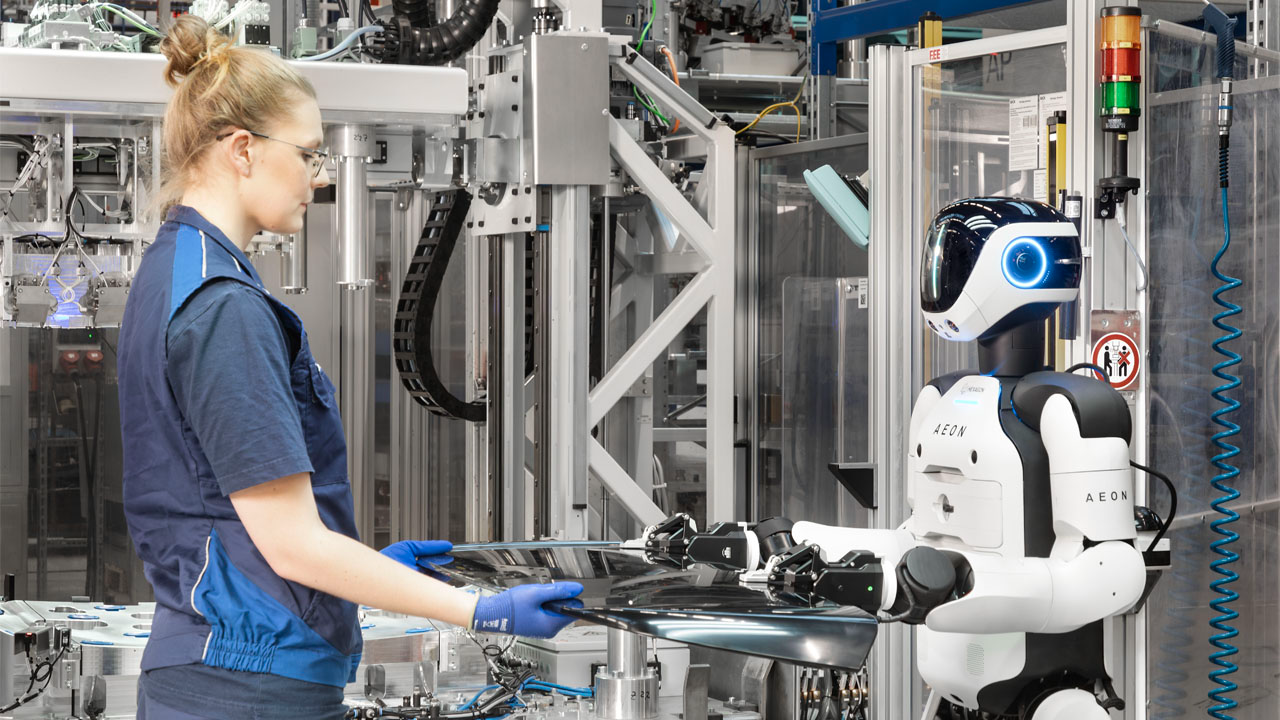
A VDMA survey released at automatica 2026 reveals that 67 percent of German industrial firms plan to adopt humanoid robots within the next five years.
The survey data has emerged as one of the most consequential indicators of Europe's industrial robotics strategy. Presented at the automatica trade fair in Munich, the findings reflect a growing conviction among German manufacturers that rapid adoption of physical AI is no longer optional, but an existential requirement to maintain parity with China's aggressively expanding automation sector.
Solving the Labor Bottleneck with Flexible Automation
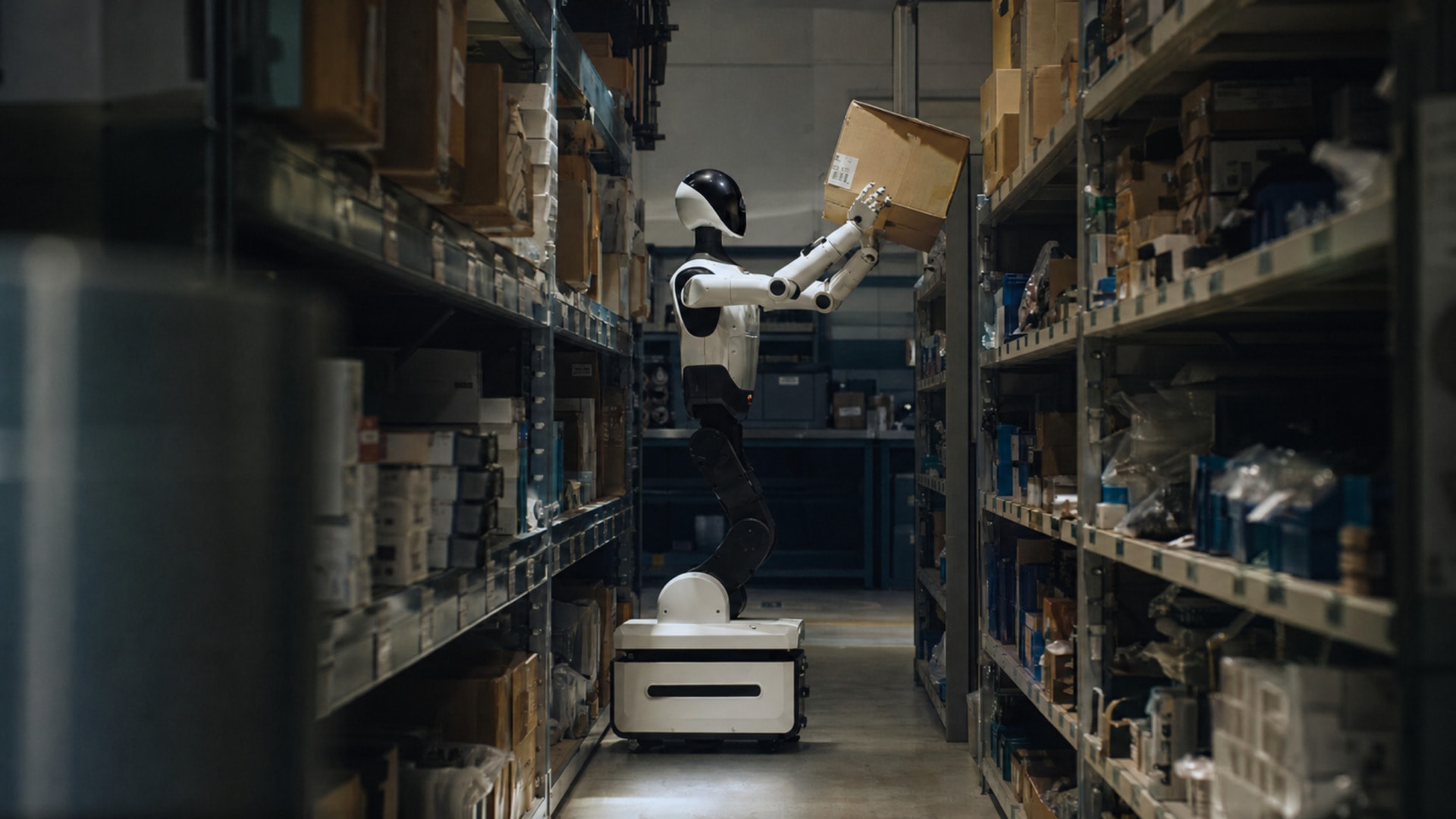
The centrepiece of the German industrial pivot is the transition toward flexible, humanoid automation. One of the most persistent obstacles to maintaining manufacturing output in Europe has been a severe and worsening shortage of skilled industrial labor. Traditional industrial robots, while highly efficient, are rigid and require structured environments that cannot easily adapt to changing production needs.
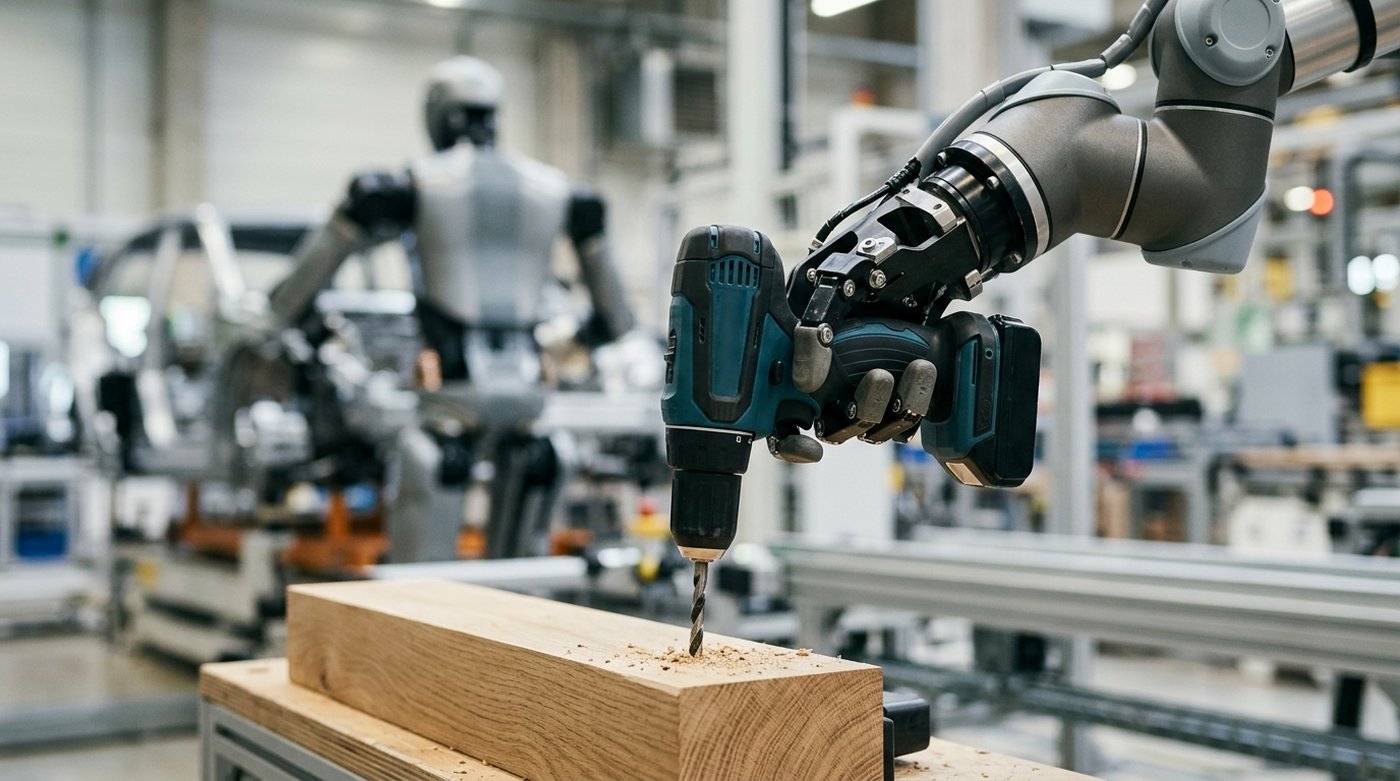
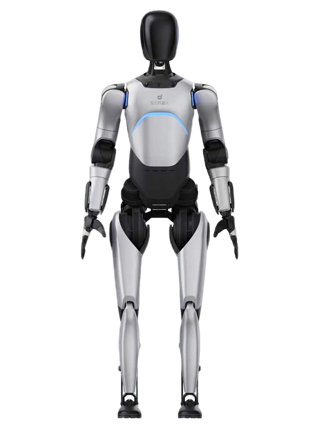
Humanoid robots address this directly by offering flexibility. Designed to operate in environments built for humans and use tools designed for human hands, these systems can theoretically be deployed across multiple stations without the need to re-engineer the factory floor.
The China Factor and What It Means for Competitors
The urgency within the German manufacturing sector is directly linked to China's rapid advancements in embodied AI. While Germany maintains a high overall robot density of 429 units per 10,000 workers, Chinese manufacturers are deploying physical AI at a scale and speed that threatens traditional European dominance in high end manufacturing.
For global competitors in the industrial automation space, the German market's sudden willingness to adopt unproven humanoid technology represents a massive commercial opportunity.
German industrial base is not just buying robots, it is attempting to buy time. If humanoid systems can deliver on their promise of flexible automation, German manufacturers may be able to offset their demographic decline and maintain their export driven economy. The VDMA survey makes clear that European industry has moved past the question of whether to adopt humanoid robots, and is now focused entirely on how fast it can do so.
Primary Sources:
1. RoboticsTomorrow — German Economy Calls for Faster Humanoid Robotics Adoption (June 26, 2026)