DayOne, Cortical Labs, and NUS Medicine Launch Biological Data Center Prototype
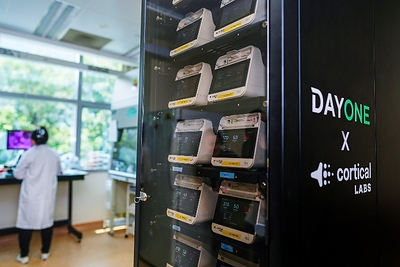
DayOne Data Centers, Cortical Labs, and National University of Singapore Medicine unveil Singapore's first biological data center prototype, featuring 20 Cortical Labs CL1 biological computing systems housed in a research validation rack at the National University of Singapore Life Sciences Institute.
Enterprise data facility design has long treated computational architecture as an exclusively mineral asset, bound by severe electrical grid constraints, thermal dissipation ceilings, and rapidly rising power demands across dense urban computing hubs worldwide. Global semiconductor engineering continues to invest billions of dollars into sub-nanometer silicon etching to extract marginal performance gains from collapsing transistor gates. Yet in modern Southeast Asia, enterprise infrastructure planning faces mounting thermodynamic friction that prompts a radical examination of alternative computational media and novel organic substrates across international markets. On August 17, 2026, at the National University of Singapore Life Sciences Institute, a collaborative coalition established Singapore's first biological data center prototype. This deployment merges living cellular wetware with standard industrial server rack architecture inside a controlled academic validation environment, offering infrastructure engineers and facility planners an empirical testbed to evaluate whether biological systems can complement traditional digital hardware under sustained computational workloads and continuous telemetry monitoring.
Establishing Biological Compute Infrastructure in Research Environments
How does biological computing integrate living neural networks with server hardware?
The system houses twenty Cortical Labs CL1 units within a standard research rack at the National University of Singapore Life Sciences Institute. Living neurons derived from stem cells interface directly with silicon microelectrode arrays, enabling closed-loop electrical stimulation and telemetry tracking under controlled laboratory conditions.
The physical installation consists of a single specialized server rack containing twenty Cortical Labs CL1 biological computing systems. DayOne Data Centers provides the physical infrastructure, power delivery modules, and environmental telemetry systems required to house biological hardware inside an experimental data center setting. Cortical Labs supplies the biological computing units that harness living neural networks to execute computational operations through electrophysiological stimulation. National University of Singapore Medicine hosts the installation within its Life Sciences Institute, providing the academic governance and biological laboratories necessary for safe operational protocols and ongoing telemetry monitoring.
This initiative operates in direct alignment with Singapore's Green Data Center Roadmap. Traditional data centers face mounting pressure regarding power availability and carbon emissions driven by intense silicon accelerator workloads. Biological computing introduces an alternative research vector that bypasses traditional silicon power scaling limits by utilizing organic neural substrates. However, facility planners must recognize that this installation is strictly a validation prototype deployed for empirical testing. It does not replace standard enterprise servers, nor does it operate at commercial scale or deployment capacity.
The partnership brings together distinct institutional capabilities that span infrastructure engineering, biological computing, and academic medicine. DayOne Data Centers operates as a Singapore headquartered data infrastructure provider specializing in advanced facility engineering and sustainable architectural frameworks. Cortical Labs develops computational systems driven by living neuronal cultures. National University of Singapore Medicine drives biomedical research across the region, with neurobiology teams investigating cellular mechanisms under established institutional oversight. This convergence requires facility operators to acquire new competencies bridging electrical engineering, thermodynamics, and cellular biology across complex multi-disciplinary research projects.
Architectural Mechanics and Physiological Integration Challenges
Operating living biological units inside a server rack requires mechanical and electrical engineering protocols distinct from conventional data center management. Standard facilities focus on heat dissipation from silicon processors, high capacity uninterruptible power supplies, and redundant cooling loops. A biological compute rack requires continuous fluidic control, sterile nutrient delivery circuits, and stable temperature regulation to maintain cellular viability across multi-week validation cycles without systemic failure or biological degradation.
The Cortical Labs CL1 systems rely on microelectrode arrays that record electrical activity from living neural networks while delivering precise feedback electrical stimuli. This closed loop allows the biological substrate to process signals through electrophysiological plasticity. The supporting rack architecture must maintain internal temperatures near thirty seven degrees Celsius to match human physiological conditions. Additionally, sensitive neural interfaces require electromagnetic shielding to prevent interference from adjacent power distribution units, cooling fans, and high density networking switches operating within the rack enclosure.
Fluidic management presents operational hurdles that challenge traditional facility technicians. Nutrient media must circulate continuously through sterile microfluidic channels without introducing mechanical shear stress that damages neuronal cultures. Waste removal systems must clear metabolic byproducts reliably, and oxygenation levels require continuous sensors and regulatory valves. DayOne Data Centers integrates these biological support metrics into standard infrastructure monitoring software. Facility teams monitor nutrient flow rates, fluid pressures, and incubator temperatures alongside traditional server CPU telemetry and power draw statistics to ensure stable environmental parameters during active testing phases.
Cellular lifespan represents another operational boundary. Unlike silicon semiconductors that endure years of continuous switching without physical degradation, living neural cultures have finite operational lifespans. Facility operators must implement protocols for culture replacement, sterilization cycles, and biosafety containment. These maintenance procedures demand scheduled downtime and specialized wet-lab training for technical staff who are typically accustomed to purely mechanical server maintenance and hardware replacement routines.
Exploratory Research Pipelines Across Biomedical and Robotic Domains
The research validation rack serves as an empirical platform for investigating several exploratory computational domains. Researchers at the National University of Singapore Medicine are examining neuro inspired artificial intelligence architectures. Conventional artificial neural networks simulate biological learning through resource intensive backpropagation algorithms executed on massive digital accelerator clusters. Biological computing systems utilize actual neural plasticity, offering theoretical advantages in adaptive learning efficiency and pattern recognition tasks without equivalent digital overhead.
Biomedical modelling and pharmacological drug discovery constitute another primary research pipeline. By cultivating human stem cell derived neural networks that model specific neurological conditions, researchers can test chemical agents directly on living neural tissue within a high throughput computational framework. This approach bridges traditional in vitro cell culture assays and complex organism testing, accelerating early stage drug screening validation and providing robust disease modelling platforms for neurological research teams.
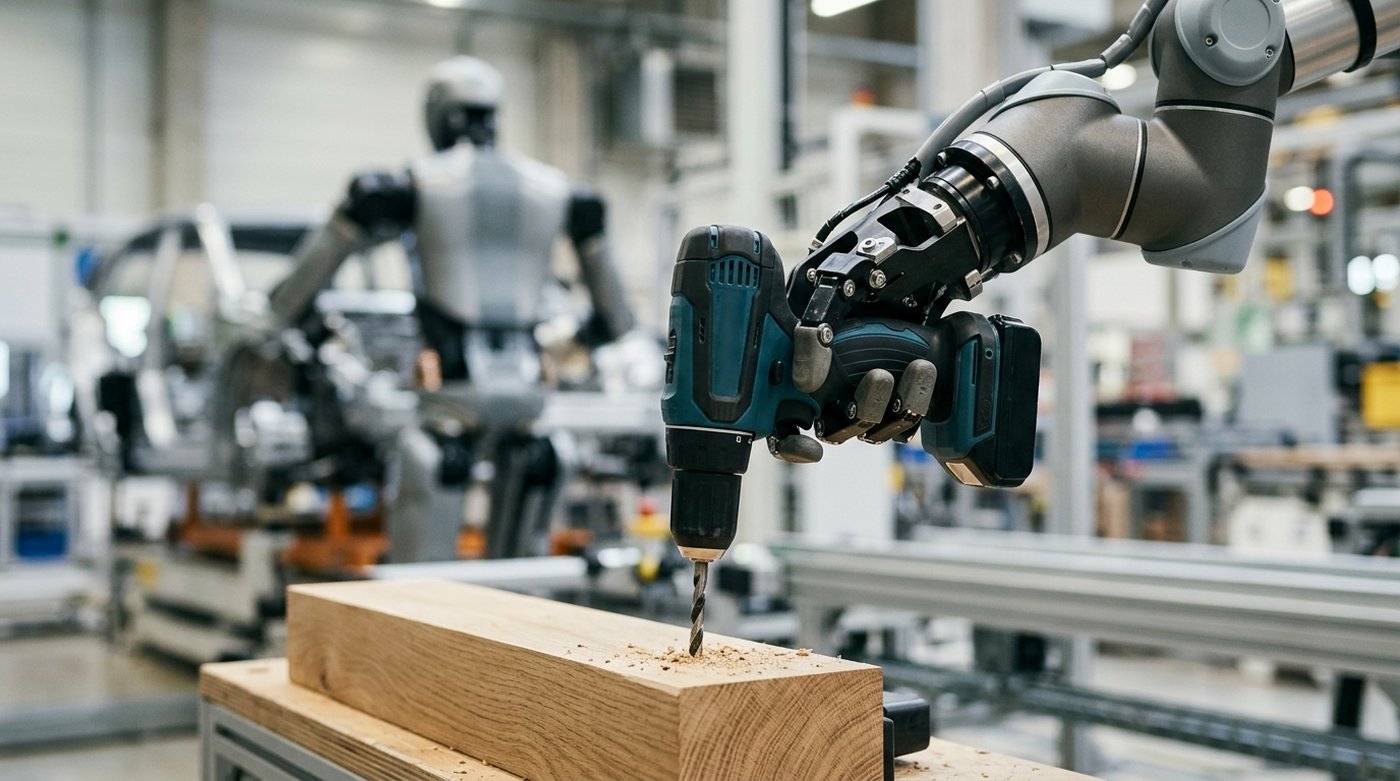
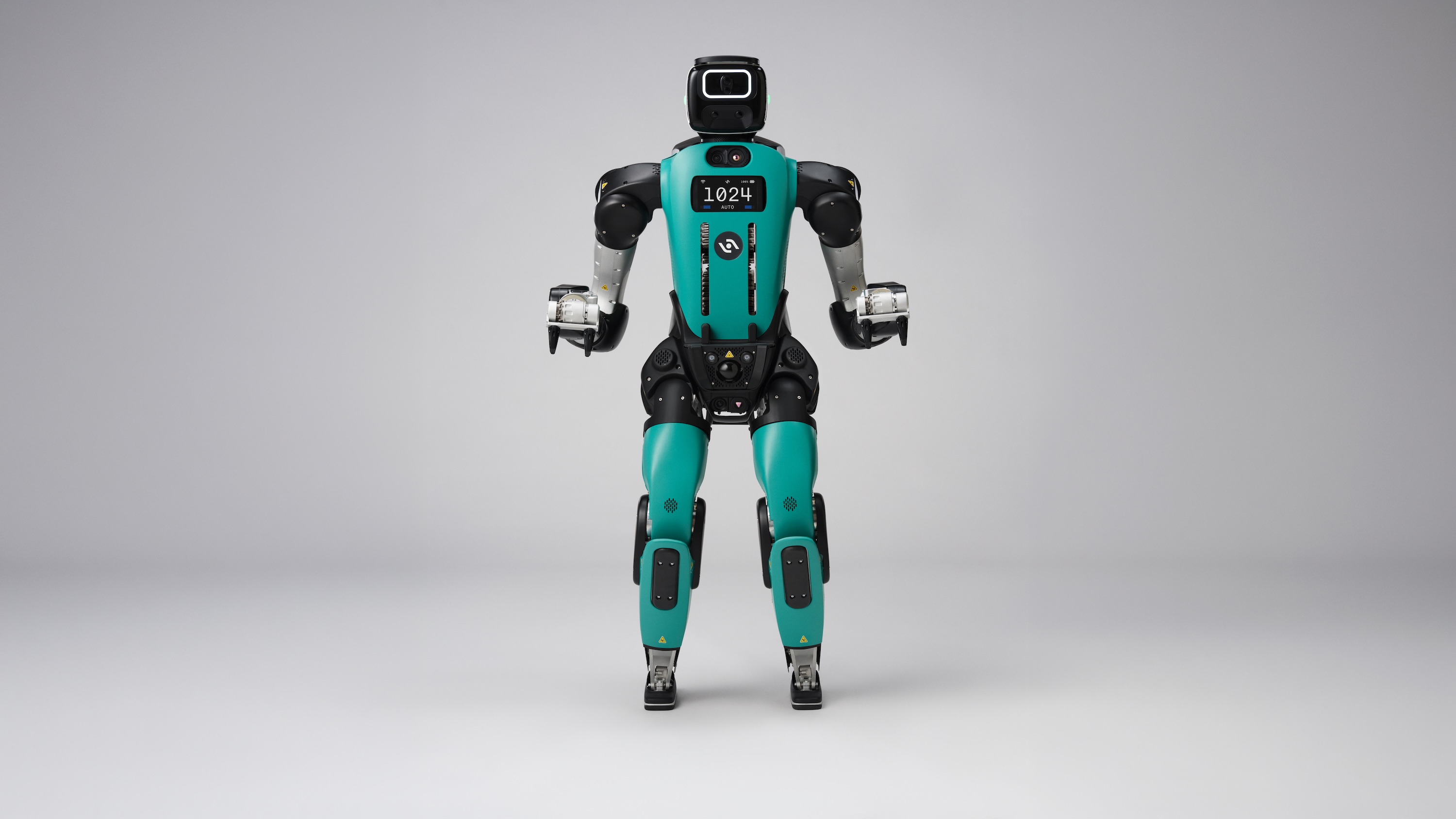
The partner roadmap also identifies cybersecurity anomaly detection and foundational research for humanoid robotics as long term exploratory areas. In humanoid robotics, neuro inspired biological processors could theoretically provide low latency sensory processing and adaptive motor control algorithms. However, these applications remain at an early research stage. Observers must not interpret these exploratory vectors as commercially deployed robot products or operational security systems ready for enterprise production environments.
Institutional collaboration governs every phase of the validation process. Academic researchers supervise the biological health of the cultures, while infrastructure engineers manage the physical housing and environmental controls. This division ensures that experimental rigour is maintained throughout multi-week testing cycles. The project provides an empirical testbed for evaluating how living tissue behaves under sustained computational workloads and continuous electrical telemetry tracking.
Comparative Operating Dynamics of Silicon and Biological Compute
Evaluating the trajectory of biological computing requires a structured comparison against existing silicon compute paradigms. The industry currently spans traditional silicon accelerators, specialized neuromorphic silicon chips, and early biological computing prototypes.
The comparison table demonstrates that biological computing occupies a distinct category from silicon infrastructure. Conventional silicon dominates commercial enterprise workloads due to mature software ecosystems and massive manufacturing scale. Neuromorphic silicon mimics neural architecture using physical semiconductor circuits to achieve event driven efficiency. Biological computing utilizes actual living cells to execute biomolecular processing. The DayOne and Cortical Labs prototype does not compete with silicon servers for standard database queries or web hosting. Instead, it operates as an advanced research instrument for investigating native biological intelligence.
Facility planners must weigh the trade-offs inherent in each paradigm. Silicon infrastructure offers determinism, high clock speeds, and straightforward hardware maintenance. Biological compute offers potential efficiency in specific adaptive learning tasks but introduces stochastic variability, cellular maintenance requirements, and finite component lifespans. Understanding these distinctions prevents misdirected capital allocation and ensures that hybrid architectures are deployed only where their unique properties provide valid research value.
Bounded Realities and Operational Horizons for Hybrid Infrastructure
The establishment of Singapore's biological data center prototype marks a notable step in infrastructure research. By combining twenty Cortical Labs CL1 units with DayOne facility engineering and National University of Singapore Medicine governance, the coalition provides a concrete model for studying hybrid compute environments. The initiative proves that living neural networks can be integrated into standard server rack enclosures under controlled academic conditions.
However, commercial adoption remains distant. Biological servers will not replace traditional silicon infrastructure in enterprise data centers in the near term. The operational hurdles of maintaining living tissue, managing sterile perfusion circuits, and handling biological waste limit deployment to specialized research facilities. The long-term viability of biological computing depends on rigorous empirical data gathered from prototypes such as this Singapore installation.
As facility operators confront mounting constraints regarding electrical power availability and environmental sustainability, exploring novel computational substrates remains essential. The insights gained from this validation prototype will inform future facility design standards and interdisciplinary engineering practices. Bridging the gap between mineral silicon and organic wetware requires sustained academic inquiry, industrial cooperation, and strict adherence to factual operational limits across global computing ecosystems.
Disclaimer: This article is for informational purposes only and does not constitute investment advice, legal counsel, or an endorsement of any company or product mentioned. Readers should conduct their own research and consult qualified professionals before making decisions based on this content.