China's TianGong 3.0 Humanoid Robot Eyes Mass Delivery in H2 2026 — Powered by a Purpose-Built AI Chip
Beijing's X-Humanoid and D-Robotics have confirmed TianGong 3.0 — a 169 cm, 43-DOF general humanoid — will enter mass production in H2 2026, powered by the Xuri S600 chip and WISE KAIWU AI platform. The robot targets factory floors, logistics, and hazardous environments with open interfaces designed to slash deployment costs. It's China's most commercially ambitious humanoid push yet.

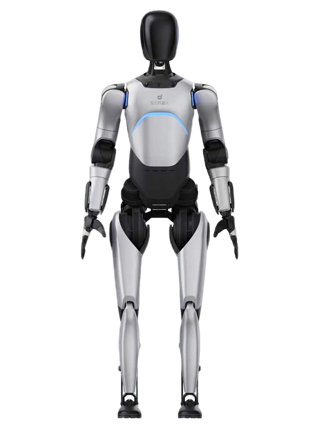
China's humanoid robotics race just hit a major milestone. The Beijing Innovation Center of Humanoid Robotics (X-Humanoid), in partnership with semiconductor powerhouse D-Robotics, has announced that TianGong 3.0 — its flagship full-size general humanoid robot — is on track for mass production and commercial delivery in the second half of 2026. The announcement, made at Gasgoo Munich in early June 2026, signals a pivotal leap from prototype showcase to real-world industrial deployment, and it's drawing close attention from the global robotics community.
From Lab to Factory Floor: TianGong 3.0's Dual-Core Architecture
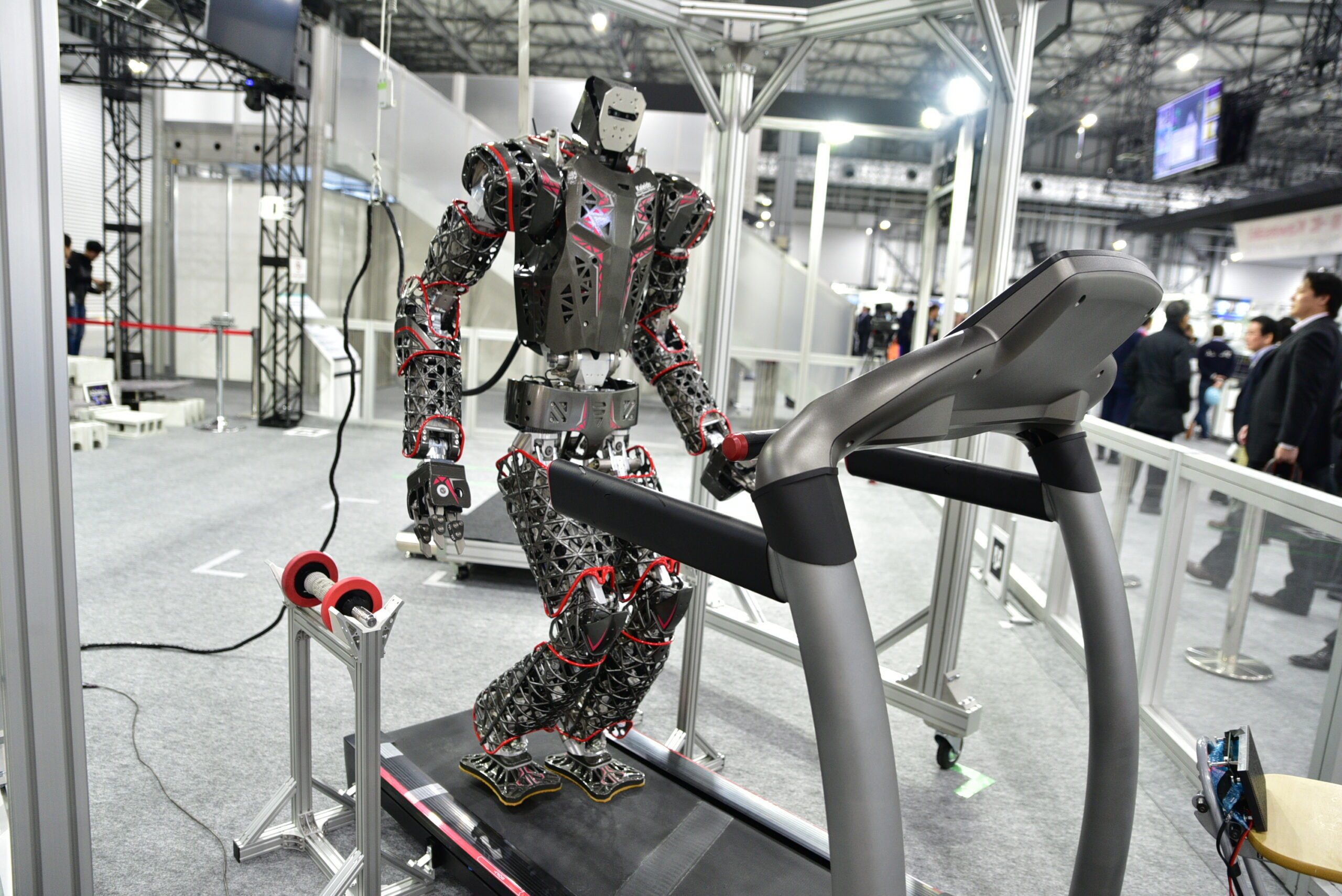
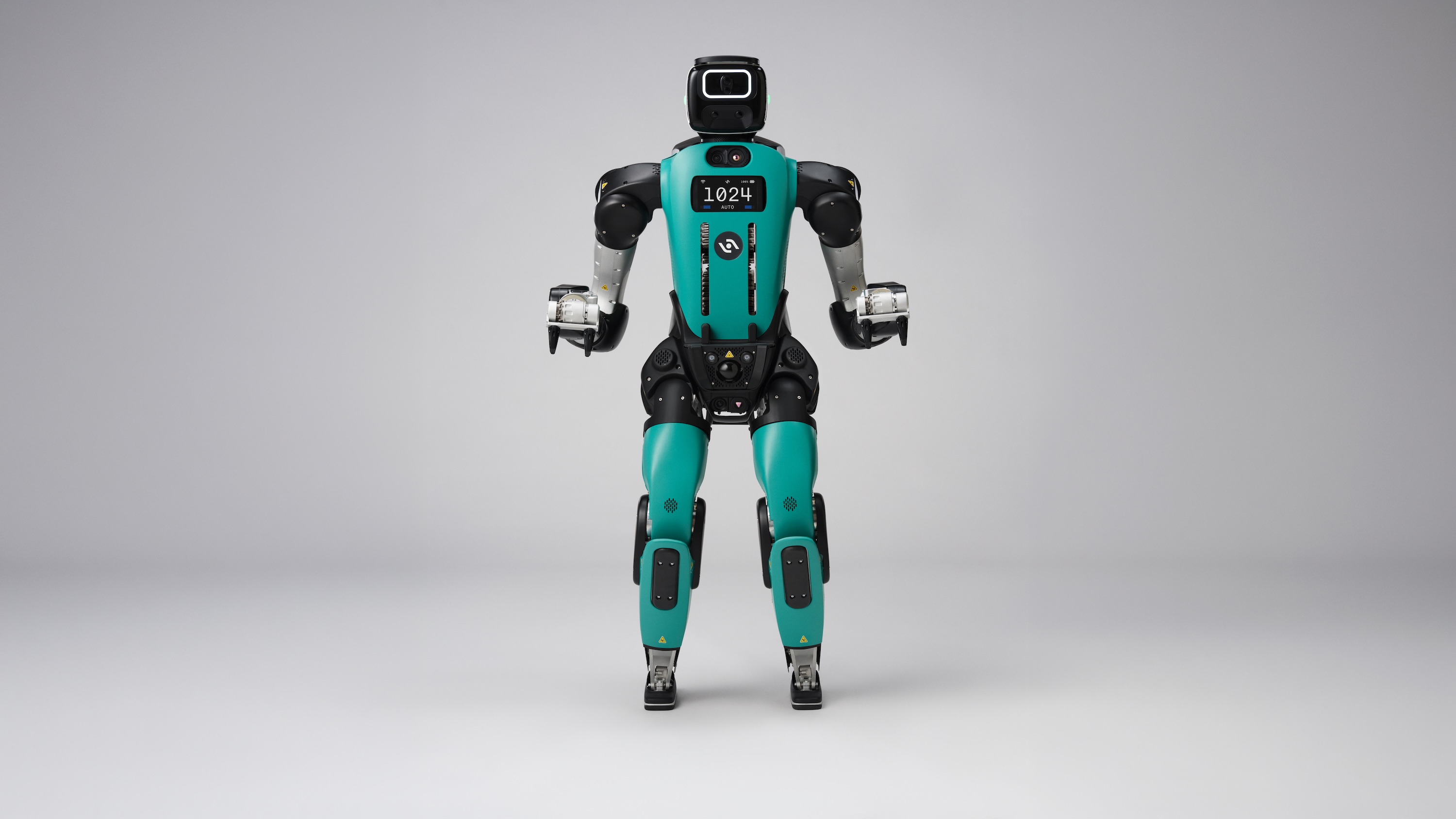
At the heart of TianGong 3.0 is a carefully engineered dual-foundation architecture. On the hardware side, it runs on X-Humanoid's proprietary "Embodied Tiangong" platform — a 169 cm, 62 kg frame packing 43 degrees of freedom, engineered for high-dynamic motion, balance, and industrial dexterity. The software counterpart is the WISE KAIWU general embodied intelligence platform, which establishes a full closed-loop of perception-decision-execution. Together, these layers enable TianGong 3.0 to operate with increasing autonomy — transitioning from remote-controlled movements toward fully self-directed task execution across complex 3D environments.
The critical compute backbone is D-Robotics' Xuri S600 high-computing chip, purpose-designed for embodied intelligence workloads. What makes this partnership technically remarkable is the depth of co-development: X-Humanoid fed real-world operational data directly back into the Xuri S600's architectural design. The result is hardware optimised not for benchmarks in isolation, but for the actual demands of warehouse logistics, production line assembly, and service environments. Model parameter distillation and architecture lightweighting techniques were used to compress the native large AI model to under 20% of its original size — achieving tight software-hardware synergy without sacrificing cognitive capability.
Solving the Industry's Hardest Deployment Problems
One of the persistent frustrations in commercial robotics has been the gap between laboratory performance and real-world usability — particularly the punishing cost and complexity of customising robots for each new deployment environment. TianGong 3.0 directly targets this pain point. The platform ships with open hardware and software adaptation interfaces, dramatically lowering the barrier for secondary development by third parties. Industrial operators no longer need to rebuild from scratch when switching application scenarios; instead, they can layer their own logic on top of a proven, standardised base.
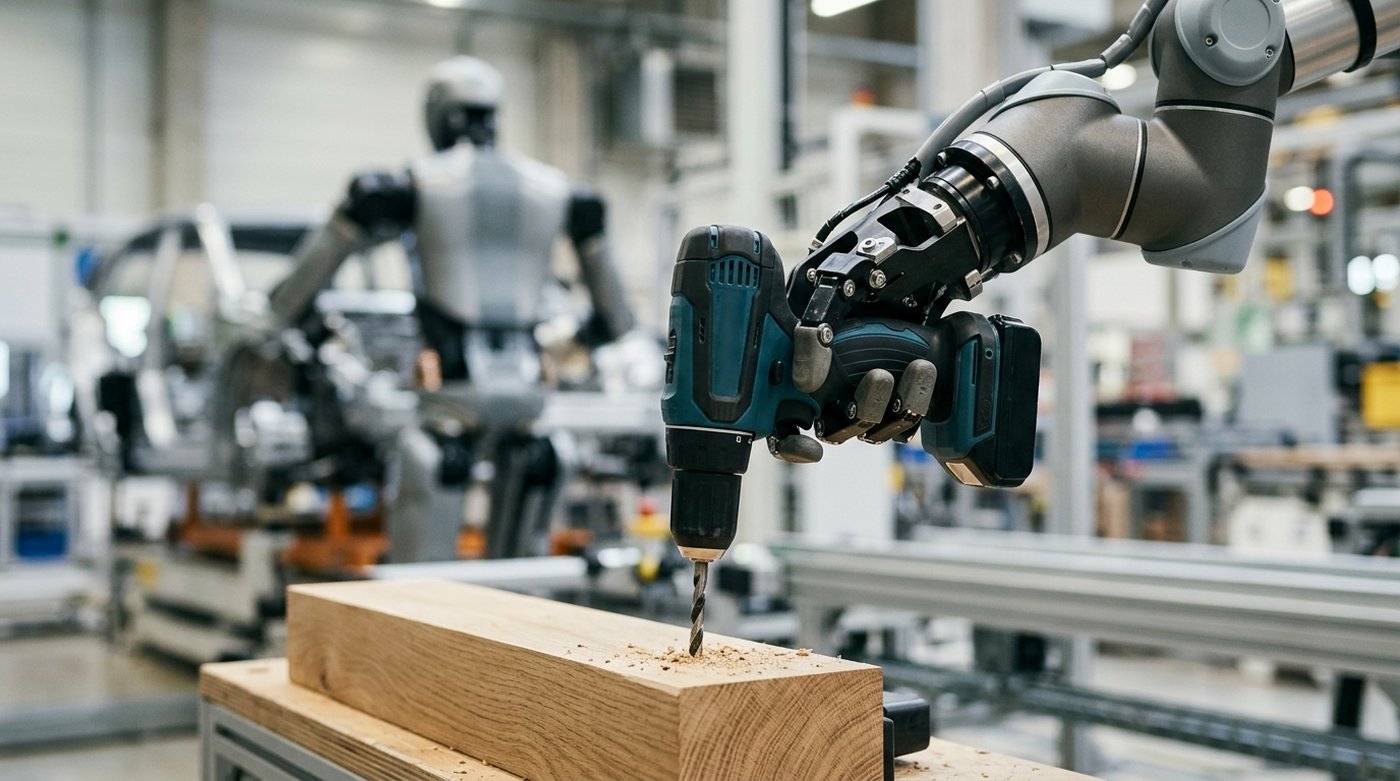
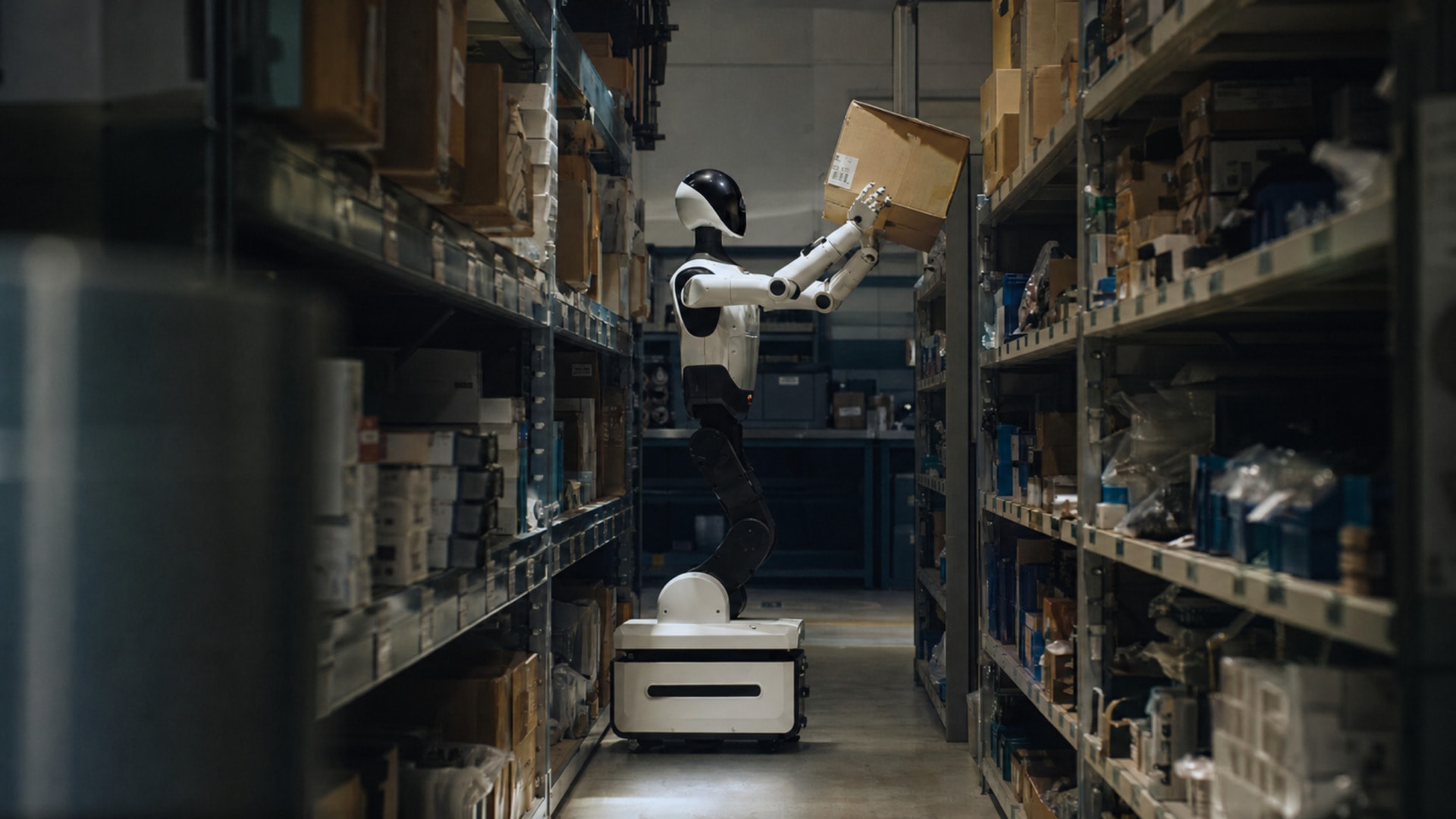
Over more than a year of joint technical debugging and real-world stress testing, the X-Humanoid and D-Robotics teams resolved core integration challenges around computing load management, operational logic, and adaptation to unpredictable environments. The planned deployment targets for TianGong 3.0 span four core verticals: production-line assembly operations, warehousing and logistics, intelligent commercial services, and maintenance tasks in specialised or hazardous environments. Notably, the platform also supports multi-machine autonomous collaboration — meaning fleets of TianGong units can coordinate with each other without human-in-the-loop supervision.
"Tiangong 3.0 is positioned as fully autonomous, more open, and easier to use — representing a leap from standalone operation to multi-machine autonomous collaboration in real industrial settings." — Beijing Innovation Center of Humanoid Robotics (X-Humanoid), June 2026 Mass Delivery in H2 2026: What It Means for the Global Race
The commercial timeline matters as much as the technical specs. With mass production slated for the second half of 2026 and a reported 50% reduction in unit cost compared to previous generations — achieved through partnerships including Geek Robotics — TianGong 3.0 is engineered to scale. This pricing ambition echoes a broader Chinese robotics strategy: accelerate not just capability, but affordability, to dominate global supply chains for humanoid hardware before Western competitors can consolidate their own platforms.
TianGong's progress doesn't exist in a vacuum. In May 2026, the Tiangong robot claimed gold in the 100-metre sprint at the inaugural World Humanoid Robot Games in Beijing — a symbolic but media-savvy demonstration of its physical mobility. Earlier, in March 2026, a Tiangong unit completed a test run for the upgraded Beijing E-Town Humanoid Robot Half Marathon, underlining X-Humanoid's strategy of combining industrial deployment with high-visibility athletic demonstrations to build public and investor confidence.
Whether TianGong 3.0 delivers on its H2 2026 mass-production pledge will be a closely watched test — both of X-Humanoid's execution capability and of China's broader ambition to turn humanoid robots from a headline attraction into an industrial workhorse. If the unit cost and open-platform strategy hold up in practice, this may well be the product that closes the gap between robotics spectacle and genuine at-scale deployment. The second half of 2026 just got a lot more interesting.
Source: Gasgoo — Published: June 9, 2026
Q: What chip powers TianGong 3.0, and why does it matter?
A: TianGong 3.0 is powered by D-Robotics' Xuri S600, co-developed using real-world test data from the robot itself. It runs the WISE KAIWU AI platform after model compression to under 20% of its original size, delivering efficient on-device inference for autonomous decision-making.
Q: When will TianGong 3.0 be commercially available, and for what use cases?
A: Mass production and delivery are scheduled for H2 2026. Initial target applications include production-line operations, warehousing and logistics, intelligent services, and maintenance in hazardous or specialised environments.
Q: How does TianGong 3.0 address the high customisation costs that have plagued humanoid robot deployments?
A: The platform ships with open hardware and software adaptation interfaces, reducing the need for bespoke engineering for each new scenario — significantly lowering the cost and time required for cross-environment compatibility.