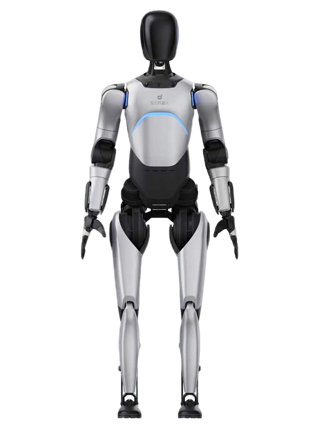
China Builds the Infrastructure for Embodied AI What the National Pilot Base in Hangzhou Means
The launch of the National Pilot Base for Embodied AI Applications in Hangzhou marks a critical shift in China's robotics strategy. Backed by the National Development and Reform Commission (NDRC), the base provides a centralized testing, certification, and scenario demonstration environment for over 50 robotics companies. Through this middle testing phase of hardware development, Beijing is actively accelerating the commercialization timeline for domestic humanoid and embodied AI manufacturers.
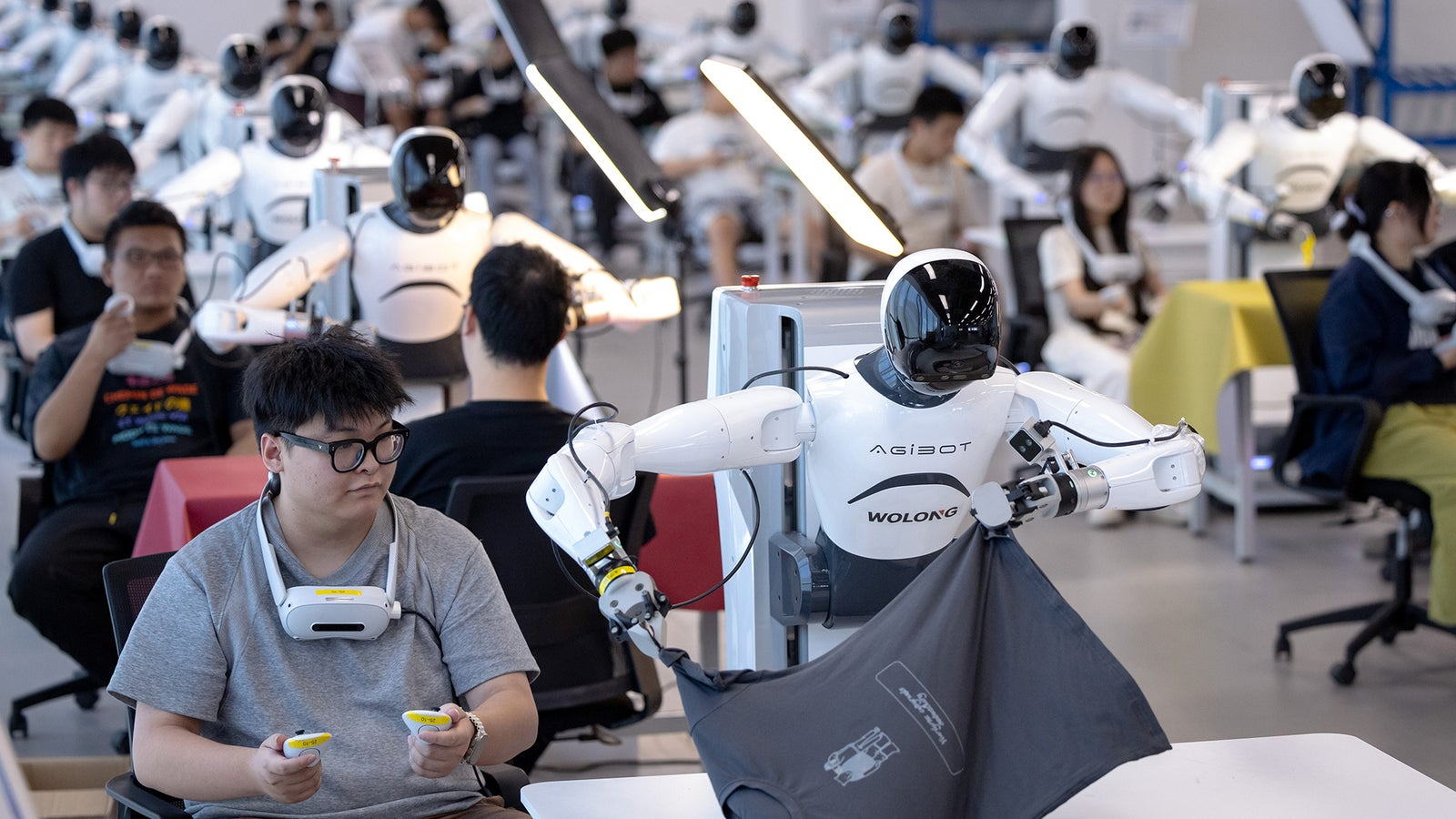
The launch of the National Pilot Base for Embodied AI Applications in Hangzhou marks a critical shift in China's robotics strategy.
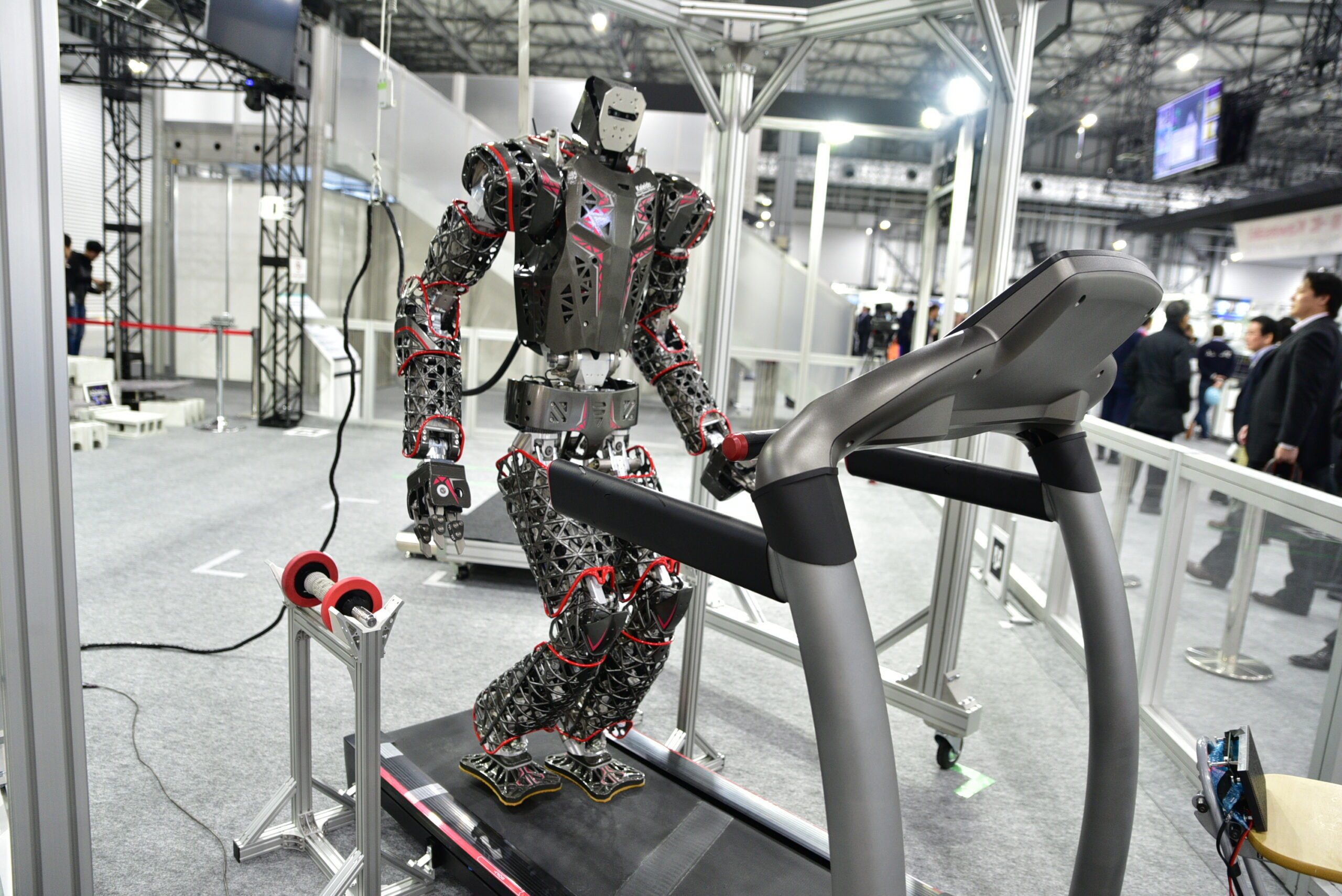
The facility has emerged as one of the most consequential infrastructure investments in China's domestic robotics race. Backed by the National Development and Reform Commission (NDRC), the base provides a centralized testing, certification, and scenario demonstration environment. It currently hosts over 50 robotics companies and more than 100 humanoid units, reflecting the state's determination to dominate the commercialization of physical AI.
Solving the Middle Testing Bottleneck
The centrepiece of the Hangzhou initiative is its focus on the middle testing phase of hardware development. One of the most persistent obstacles to commercializing embodied AI has been the massive capital required to test prototype robots in realistic, varied environments before mass production.
The National Pilot Base addresses this directly by offering 10 distinct application scenarios, ranging from industrial manufacturing to domestic service environments. By providing state access to these testing grounds, the NDRC is effectively lowering the barrier to entry for Chinese startups, allowing them to iterate hardware designs faster and cheaper than their international counterparts.
The Certification Advantage and What It Means for Competitors
The Hangzhou base also serves as a centralized hub for performance evaluation and safety certification. This provides Chinese manufacturers with a structural advantage that pure play software startups would hope to see replication. Establishing national standards for embodied AI safety and performance within a state backed facility ensures that domestic robots will be pre-cleared for deployment across China's vast industrial and consumer sectors.
For international competitors, China's combination of state testing infrastructure, national certification pathways and fast commercialization targets represents a formidable moat.
The NDRC is not just funding robot companies, it is building the public infrastructure that makes embodied AI commercially viable in China. If the Hangzhou Pilot Base delivers on its promise, the facility that controls the testing and certification standards may ultimately dictate the pace of global commercialization. For international competitors, the most significant implication is not the funding itself, but the speed advantage that state middle testing gives Chinese manufacturers as they move from prototype to production.
Primary Sources:
1 Xinhua News Agency — Hangzhou National Pilot Base Launch (May 29, 2026)
2 People's Daily — China Embodied AI Infrastructure Development (May 30, 2026)
Disclaimer: All editorial content is independently written by RobotAIGeek based on publicly available Chinese and English-language sources. Quoted material is attributed to its original publisher and not independently verified by RobotAIGeek.