China Accelerates Embodied AI Rules Amid 508% Humanoid Shipment Surge
As global humanoid shipments surge past 18,000 units in 2025, China's embodied AI industry is urging faster regulation to manage deployment risks and prevent a market bubble.
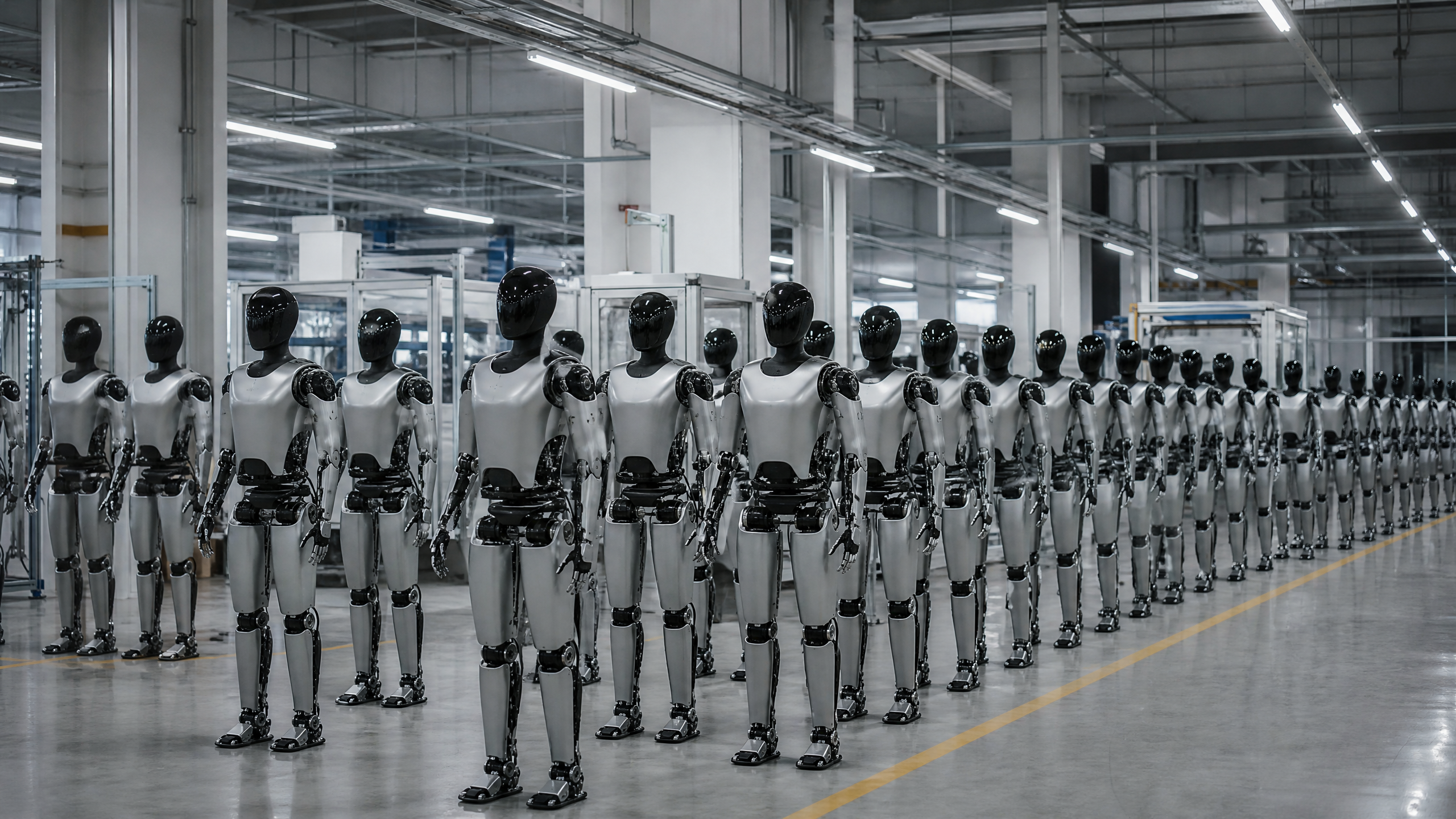
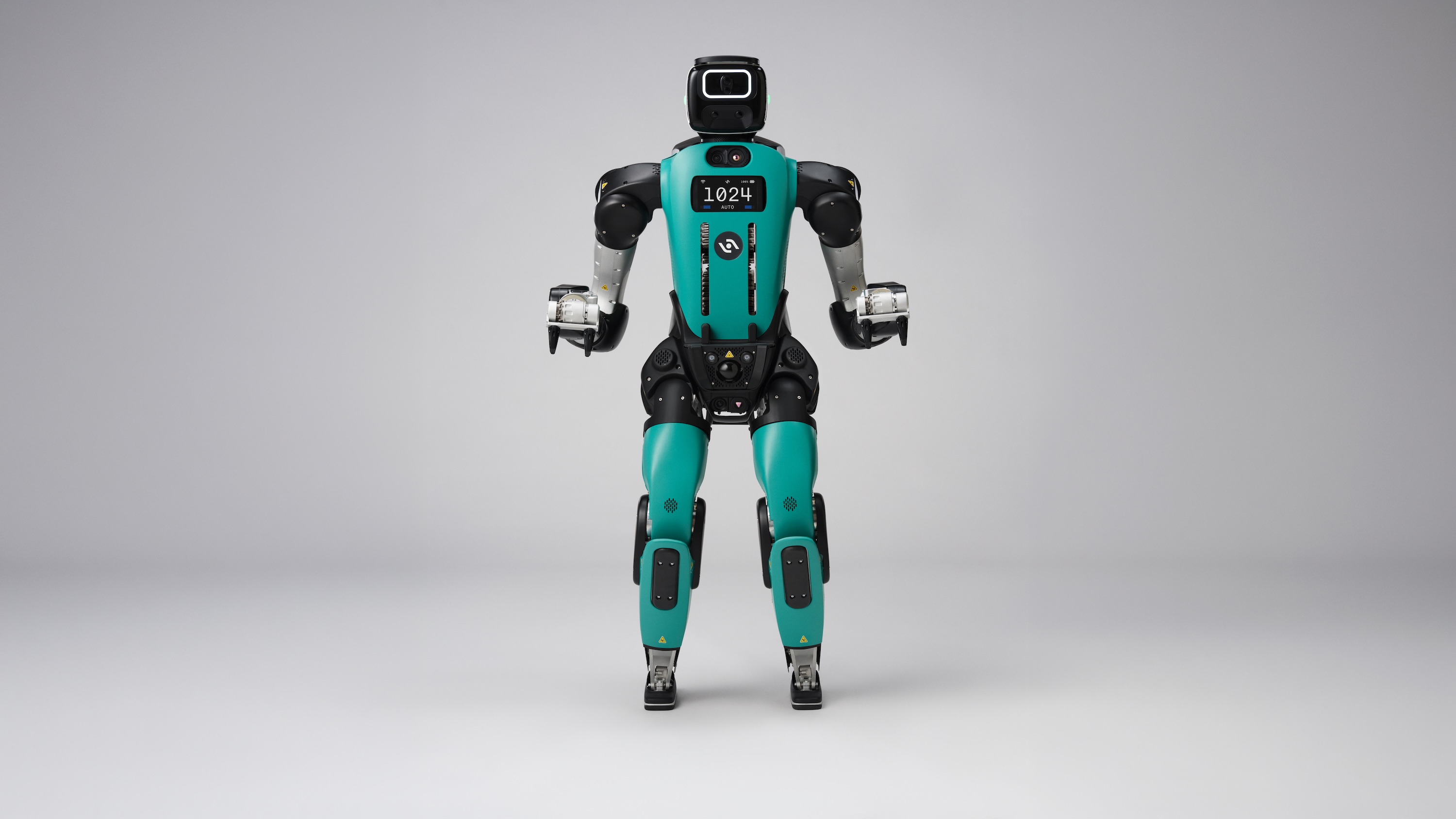
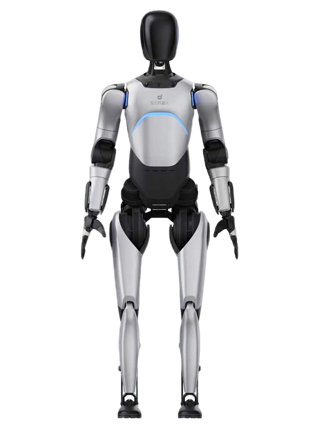
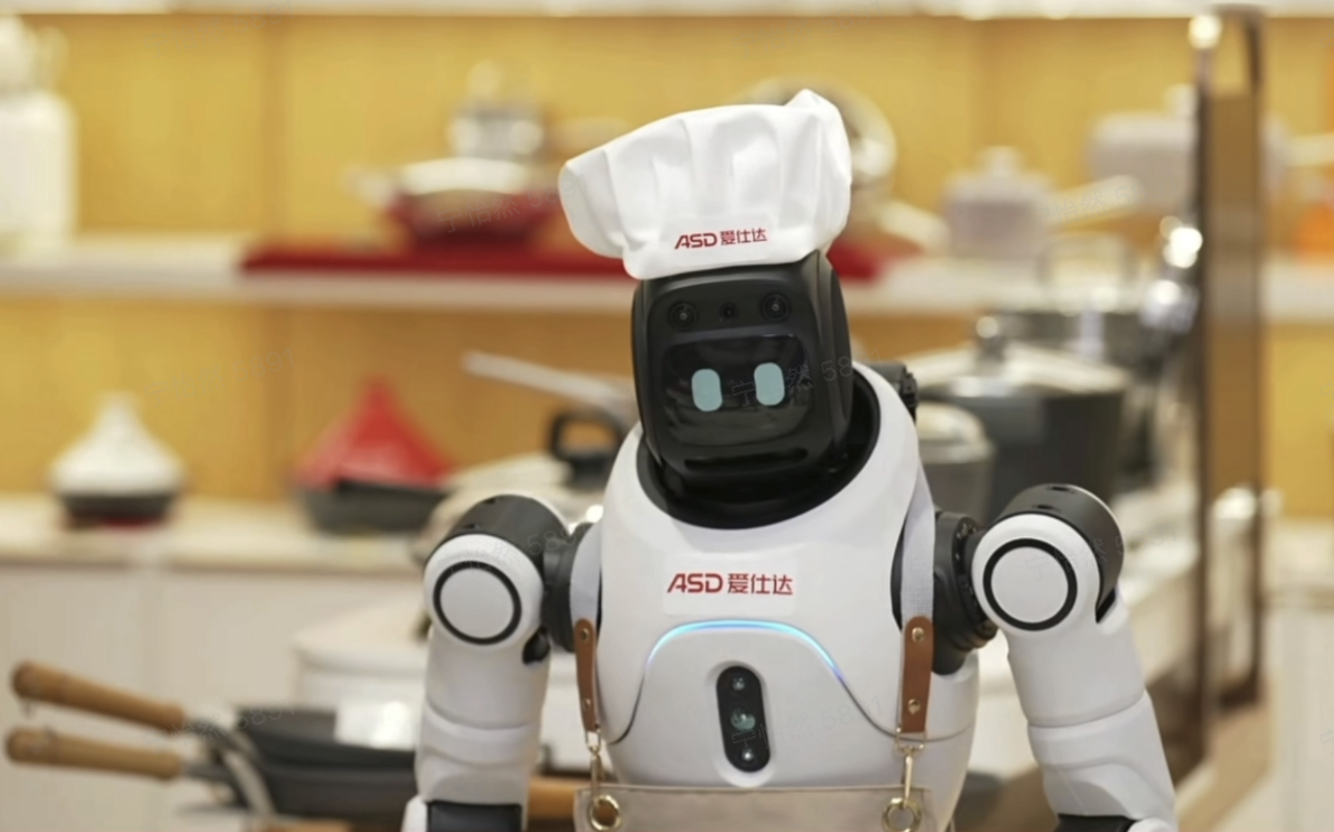
The global humanoid robotics market is transitioning from prototype demonstrations to commercial volume, driven by a massive expansion in Chinese manufacturing capacity. According to a report issued during the Shanghai International Embodied Intelligence Expo 2026, global humanoid shipments reached approximately 18,000 units in 2025, representing a 508 percent year-over-year increase from roughly 3,000 units in 2024 [1]. Chinese companies accounted for approximately 74 percent of this global shipment share, establishing the country as the fastest-growing embodied artificial intelligence market [1]. This rapid scale-up has triggered a corresponding push for regulatory frameworks, with industry leaders urging faster rule-making to manage deployment risks and prevent a market bubble [2].
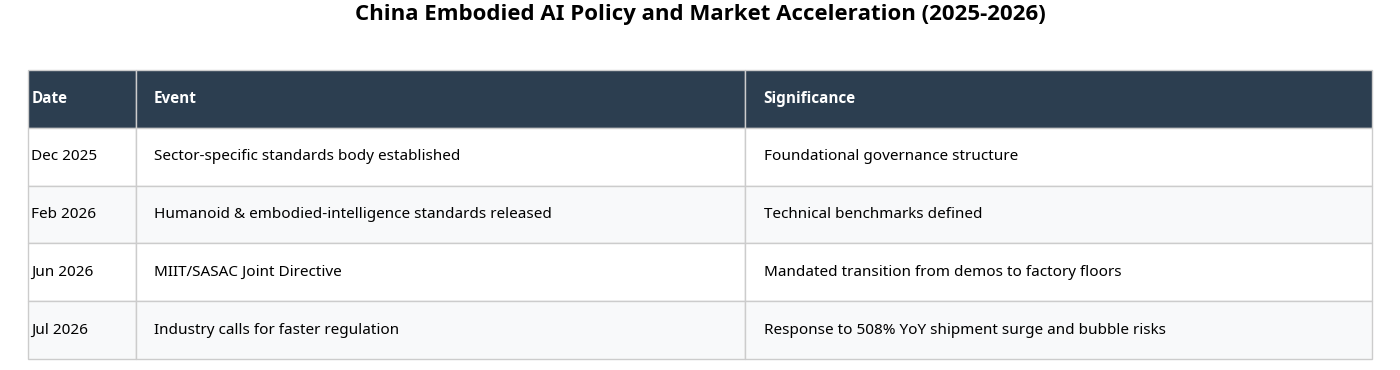
The surge in production volume is forcing a rapid maturation of China's regulatory environment for embodied artificial intelligence. In February 2026, a comprehensive standards system for humanoid robots and embodied intelligence was released, following the establishment of a sector-specific standards body in December 2025 [2].
The Policy Shift and Regulatory Maturation
The push for regulation is a direct response to the physical risks of deploying autonomous systems in real-world environments. As the chief executive officer of DroidUp noted, the ethics and safety risks associated with bionic robots require immediate attention as these systems move out of controlled laboratories and into public and industrial spaces [3]. The regulatory framework is not merely about safety; it is a mechanism to organize a rapidly expanding industrial base. By establishing clear rules, policymakers aim to standardize components, ensure interoperability, and prevent the fragmentation that often accompanies rapid technological booms.
This regulatory maturation builds upon previous state directives. The Ministry of Industry and Information Technology and the State-owned Assets Supervision and Administration Commission have previously issued directives to guide the development of the sector, while state publications like Qiushi have highlighted the potential for trillion-yuan markets in physical artificial intelligence. The establishment of a sector-specific standards body in December 2025 and the subsequent release of a comprehensive standards system for humanoid robots and embodied intelligence in February 2026 demonstrate a coordinated effort to build the rulebook alongside the manufacturing base [2]. The speed at which these regulatory bodies have been formed and standards issued reflects the urgency felt by both industry leaders and government officials to maintain control over a rapidly accelerating sector.
Market Data and the 508 Percent Surge
The scale of the industry's expansion was detailed in a report issued during the Shanghai International Embodied Intelligence Expo 2026, which closed on July 4 at the National Exhibition and Convention Center in Shanghai [1]. The report highlighted that global humanoid shipments reached approximately 18,000 units in 2025, a 508 percent year-over-year increase from the roughly 3,000 units shipped in 2024 [1]. Chinese companies captured approximately 74 percent of this global shipment share, cementing the country's position as the primary supplier of embodied artificial intelligence hardware [1].
Looking ahead, the International Data Corporation projects that the global embodied artificial intelligence market will reach 1.5 trillion dollars by 2030 [1]. However, the current market mix reveals a more nuanced reality. Industrial robots account for approximately 45 percent of the market, followed by service robots at 25 percent and special-purpose robots at 15 percent [1]. Humanoid robots constitute just 5 percent of the market, although they are identified as the fastest-growing segment and the future engine of the industry [1]. This disparity between current market share and projected growth underscores the speculative nature of the humanoid segment, further justifying the calls for regulatory oversight to manage expectations and prevent a market bubble.
Regional Hubs and Manufacturing Concentration
The rapid growth of the embodied artificial intelligence sector is driving intense regional competition within China to build the manufacturing supply chain. The Yangtze River Delta region now hosts more than 50 percent of China's embodied artificial intelligence companies and financing, creating a concentrated hub of manufacturing and development [1]. This concentration provides significant advantages in terms of supply chain efficiency, talent acquisition, and access to capital. The clustering of these companies allows for rapid iteration and collaboration, accelerating the pace of innovation and reducing time-to-market for new products.
Other regions are aggressively competing for market share. In the Beijing-Tianjin-Hebei region, the Tianjin Economic-Technological Development Area has emerged as a significant hub. UBTECH, the Hong Kong-listed company often referred to as the first stock of humanoid robots, signed an investment deal on June 22 to establish a northern smart manufacturing base, an industrial innovation center, an operations and maintenance service hub, and a secondary development platform in the area. This facility aims to achieve large-scale local mass production and create a closed loop from research and development to manufacturing and after-sales service. Similarly, Unitree signed a strategic cooperation agreement with the Tianjin Municipal Government and the Tianjin Economic-Technological Development Area during the World Intelligence Expo 2026. This agreement focuses on deploying robots in scenarios such as security patrol inspection, fire rescue, vocational education, and industrial maintenance across sectors including ports, petrochemicals, and equipment manufacturing.
The Component Supply Chain and Dexterous Manipulation
The expansion of the humanoid robot market is driving significant growth in the component supply chain, particularly in the area of dexterous manipulation. The market for dexterous robotic hands in China grew to a 50 billion yuan industry in 2025, up from 13 billion yuan in 2024. This growth reflects the critical importance of manipulation capabilities for the commercial deployment of humanoid robots. Without the ability to interact with the physical world in a precise and adaptable manner, the utility of humanoid robots remains severely limited.
Companies like LinkerBot are scaling production rapidly, reportedly manufacturing 5,000 hands per month and chasing a 6 billion dollar valuation. Other players, such as Wuji and AGILINK, are also securing significant funding and advancing the technology. AGILINK, for example, closed a funding round of approximately 1 billion yuan on July 2. The development of advanced components like the OmniHand 3 Ultra-M, which features contact intelligence, is essential for enabling humanoid robots to perform complex tasks in unstructured environments. The rapid advancement of these components is a key driver of the overall growth of the embodied artificial intelligence sector.
Global Context and Industrial Base
China's dominance in the humanoid robot market is built upon a massive foundation of traditional industrial automation. According to data from the International Federation of Robotics, China has approximately 2 million operational industrial robots, which is 4.5 times the number deployed in Japan. In addition, China accounted for 54 percent of global industrial robot installations in 2024. This extensive deployment of industrial robots has created a robust ecosystem of suppliers, integrators, and skilled workers that can be leveraged for the production of humanoid robots.
This massive installed base provides Chinese manufacturers with unparalleled experience in hardware production, supply chain management, and system integration. As the industry transitions toward embodied artificial intelligence, companies are leveraging this experience to scale the production of humanoid robots and other advanced systems. The ability to manufacture complex hardware at scale and at a competitive cost is a significant advantage in the global market. This manufacturing prowess, combined with the rapid development of artificial intelligence software, positions China as a formidable competitor in the global robotics industry.
Hard Truths and Deployment Limitations
Despite the impressive growth figures, the embodied artificial intelligence industry faces significant challenges. The industry's internal warnings about bubble risks suggest that the current proliferation of humanoid startups may face a consolidation phase [2]. The rapid influx of capital and the proliferation of new companies have created a highly competitive environment, and not all players will survive as the market matures. The push for regulation is partly an attempt to manage this consolidation process and ensure that the industry develops in a sustainable manner.
Moreover, the immediate commercial value of embodied artificial intelligence remains concentrated in specialized, single-purpose systems rather than general-purpose humanoids. The 508 percent surge in humanoid shipments indicates strong momentum, but the absolute volume of 18,000 units remains small compared to the millions of traditional industrial robots currently deployed globally. The transition from controlled demonstrations to reliable, continuous operation in real-world environments requires significant advancements in software, hardware reliability, and safety systems. The gap between prototype demonstrations and commercial deployment remains a significant hurdle for many companies in the sector.
The deployment of humanoid robots in industrial settings also faces practical limitations. While these systems offer the potential for high flexibility and adaptability, they currently lack the speed, precision, and payload capacity of traditional industrial robots. For many manufacturing tasks, specialized automation remains the most cost-effective and reliable solution. The integration of humanoid robots into existing workflows will require careful planning and a clear understanding of their capabilities and limitations. Procurement teams must carefully evaluate the specific requirements of their operations before committing to large-scale deployments of humanoid robots.
Procurement Implications and Operational Impact
The push for regulation amid rapid scaling signals a critical transition phase for the embodied artificial intelligence industry. For procurement teams and operations leaders, the focus must shift from evaluating technical demonstrations to assessing vendor compliance, safety certifications, and supply chain stability. The establishment of formal standards in China will likely influence global expectations for humanoid safety and performance, particularly given the country's dominant 74 percent share of global shipments. Procurement strategies must adapt to this changing environment, prioritizing vendors that can demonstrate compliance with emerging standards.
Buyers should prioritize vendors with clear paths to compliance, robust safety architectures, and the financial stability to survive a potential market correction. The long-term viability of a robotics deployment depends as much on the manufacturer's adherence to emerging standards as it does on the robot's physical capabilities. Procurement strategies must account for the evolving regulatory environment and the potential for industry consolidation. Engaging with vendors early in the procurement process to understand their approach to compliance and safety will be essential for mitigating risk.
When evaluating potential vendors, procurement teams should also consider the maturity of the manufacturer's supply chain and their ability to provide long-term support and maintenance. The rapid pace of technological development in the embodied artificial intelligence sector means that systems can quickly become obsolete. Vendors with strong research and development capabilities and a commitment to continuous improvement are more likely to provide sustainable solutions. The ability to upgrade and maintain systems over their lifecycle will be a critical factor in the total cost of ownership.
By building the rulebook alongside the manufacturing base, China is positioning itself not just as the primary supplier of embodied artificial intelligence hardware, but as the architect of the standards that will govern its global deployment. This dual approach of aggressive scaling and proactive regulation will define the competitive environment for physical artificial intelligence over the next decade. Procurement teams that understand this dynamic will be better positioned to manage the complexities of the emerging embodied artificial intelligence market.
References
1. China Daily. (2026, July 6). Report issued during Shanghai International Embodied Intelligence Expo 2026. https://www.chinadaily.com.cn/a/202607/06/WS6a4b63bca310986e2b463bc4.html
2. MLex. (2026, July 3). China's embodied AI industry urges faster regulation amid bubble risks. https://www.mlex.com/mlex/artificial-intelligence
3. Yicai. (2026, July 2). DroidUp CEO on bionic robot ethics risk.