BMW Deploys Figure 03 Humanoid for Logistics Sequencing at Spartanburg Plant
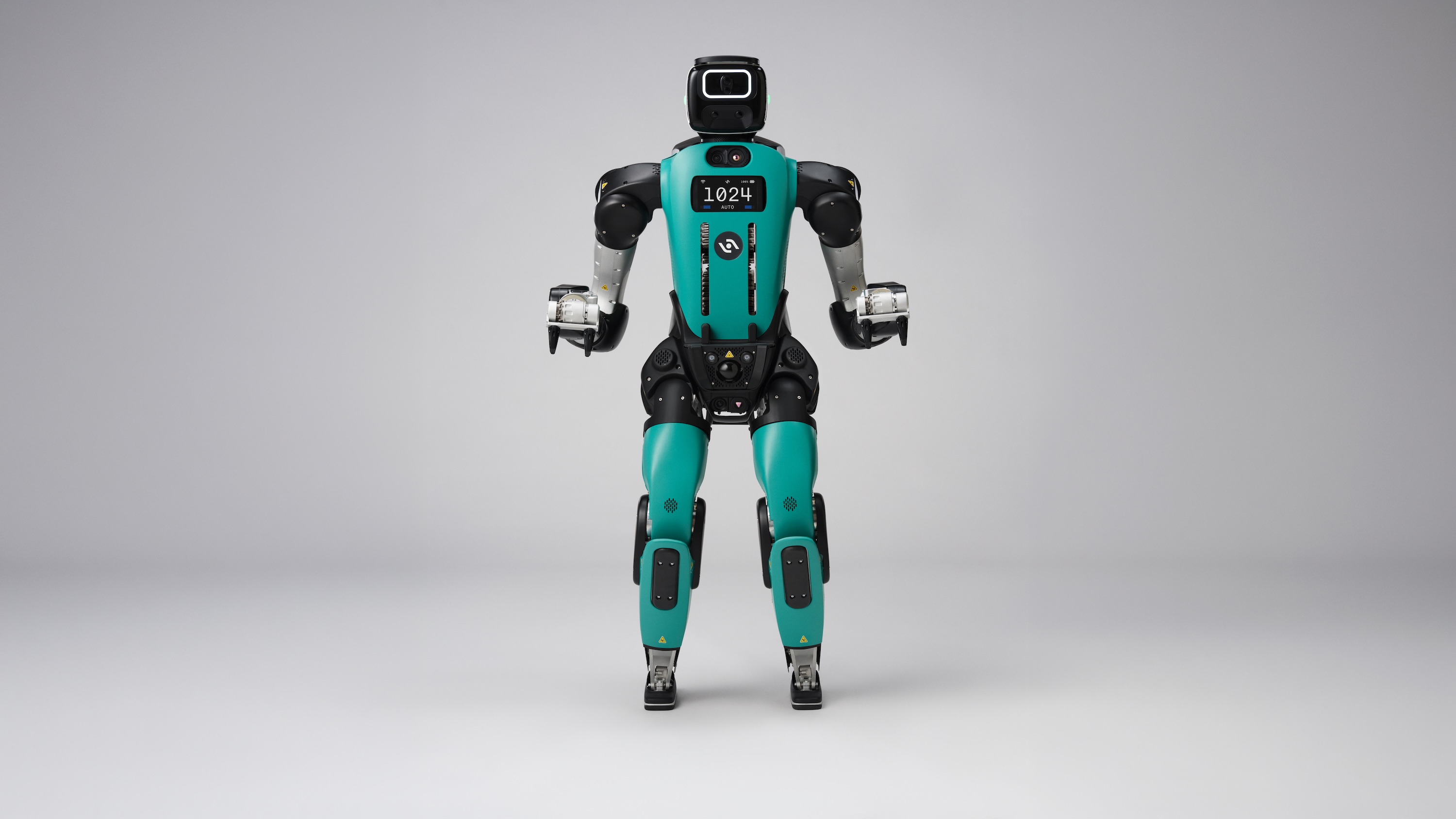
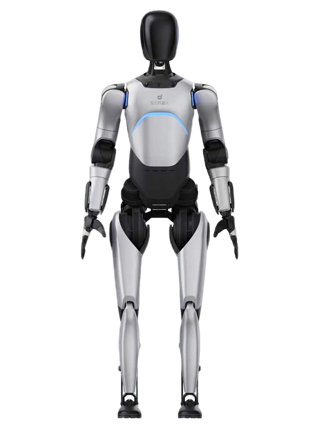
BMW Group will deploy the Figure 03 humanoid robot at its Spartanburg, South Carolina plant for a logistics sequencing task, following an eleven month pilot of the earlier Figure 02 in the body shop. The decision moves humanoid robots from a single proven task into broader assembly and logistics work, and it signals that automotive manufacturers are ready to scale physical artificial intelligence on the floor.
What Happened
BMW Group confirmed on June 29, 2026 that it will deploy Figure AI's latest humanoid robot, the Figure 03, at its Plant Spartanburg in South Carolina. The decision follows an eleven month pilot of the previous generation Figure 02, which supported the production of more than 30,000 BMW X3 vehicles by inserting sheet metal parts for the welding process in the body shop. The new robot will take on a logistics sequencing task rather than a welding task, which marks a clear step from a single proven application into broader factory work.
What the Figure 03 Adds
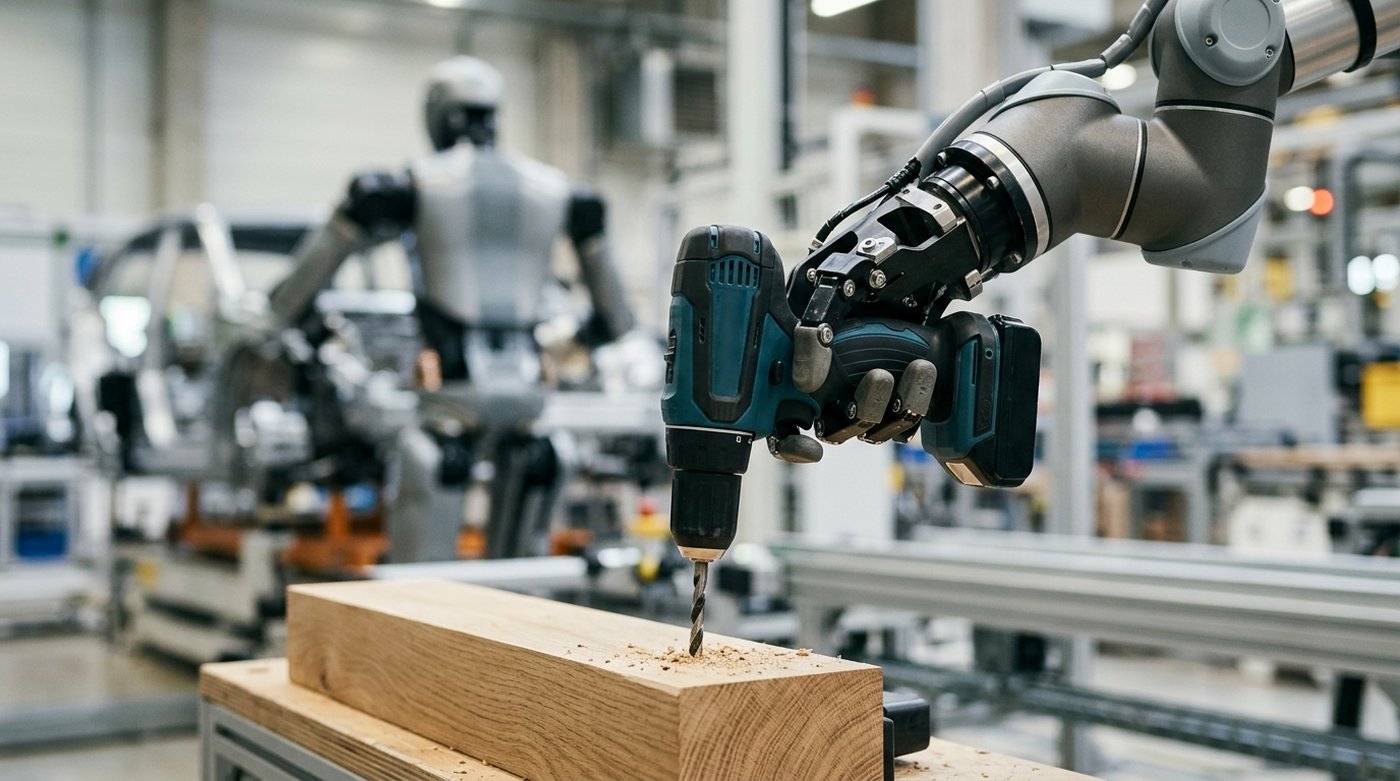
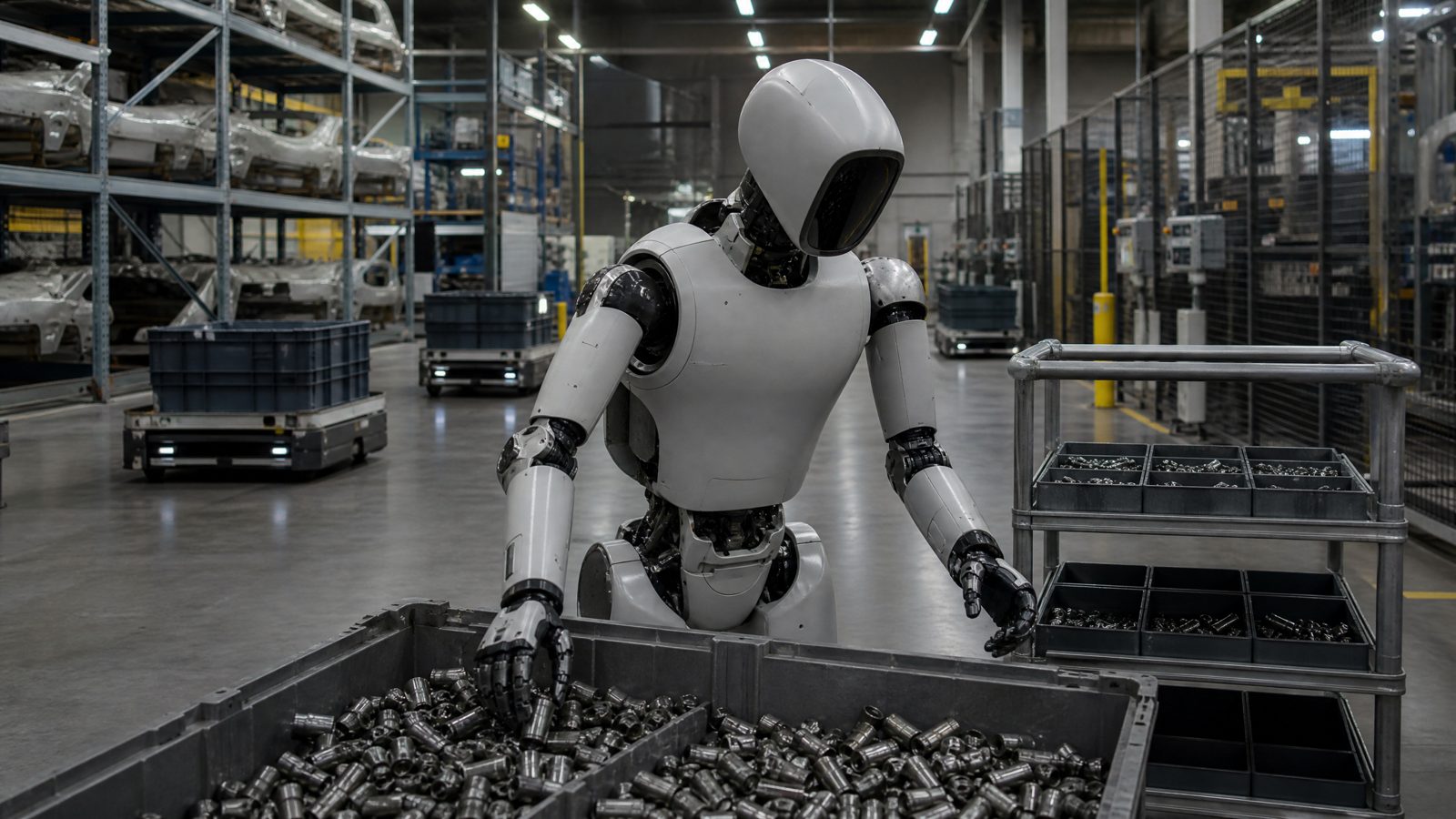
The Figure 03 introduces several features built for wider use inside a working plant. According to Figure AI founder and chief executive officer Brett Adcock, the robot adds soft components designed for enhanced safety, wireless charging for higher availability, and audio functions for speech to speech communication. It also carries improved hands fitted with tactile sensors and palm cameras, both intended to increase precision and dexterity. In the new sequencing use case, components arrive unsorted in large containers, the robot picks them up and sorts them into a sequencing trolley, and the trolley is then moved to a collection point. An automated tugger train or a smart transport robot carries the parts to the installation location so that assembly employees receive them just in sequence.
Why It Matters
The shift from welding support to logistics sequencing is significant because sequencing is a frequent, repeatable task across automotive production logistics, which gives it real room to scale. Ulrich Wieland, vice president of production control and logistics at BMW Manufacturing, described Plant Spartanburg as the birthplace of humanoid robotics in the automaker's day to day operations. The framing matters for buyers across manufacturing, because it positions humanoids as a flexible and reliable part of the workforce rather than a laboratory novelty, and it targets exactly the monotonous, ergonomically demanding, and safety critical activities that are hardest to staff.
The Bigger Signal
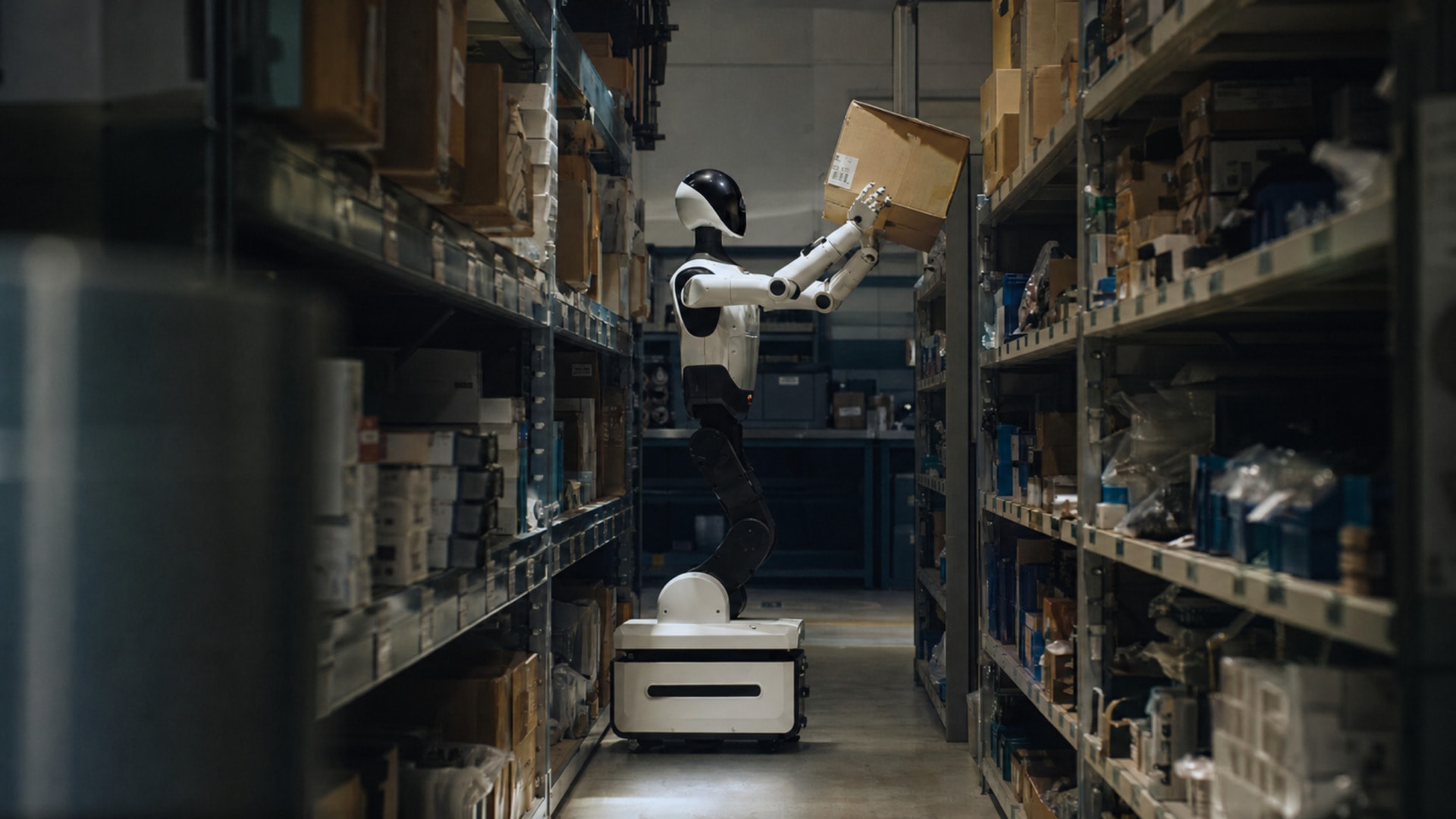
BMW is not betting on a single robot or a single supplier. The company is also testing a wheeled humanoid from Hexagon AB at its Leipzig plant in Germany, and it uses Boston Dynamics Spot quadruped robots for routine inspections at its Hams Hall plant near Birmingham in the United Kingdom. Taken together, this is a multi vendor, multi form factor automation strategy from one of the largest automakers in the world, and it tells procurement and automation teams that humanoid deployment has moved past proof of concept into competitive sourcing. The companies that supply reliable hands, safe soft components, and dependable uptime will win the next round of factory contracts, and the Spartanburg sequencing deployment is the clearest marker yet that the buying has already begun.
Disclaimer: This article is provided for general information purposes only and does not constitute investment, financial, or commercial advice. Details reflect statements from the cited primary source as reported on the publication date.
Image credit: Generated illustrative image, brand-neutral, for editorial use.
Source:
· The Robot Report, "BMW Group deploys Figure 03 humanoid after tests with previous version," June 29, 2026. https://www.therobotreport.com/bmw-group-deploys-figure-03-humanoid-after-tests-previous-version/
· Direct quotations attributed to Ulrich Wieland (BMW Manufacturing) and Brett Adcock (Figure AI) as reported in the primary source.