
AI & Robotics
Our AI & Robotics in-depth articles
263 articles found • Page 20 of 22

Autonomous Weapons and Human Control: The Line Militaries Draw — and Where It Is Already Being Erased
An IDF officer operating Israel's Lavender targeting system spent approximately 20 seconds reviewing each AI-generated target before authorising a strike. That is not a human decision under time pressure. That is an AI decision with a human signature attached. The governments currently negotiating UN treaties on autonomous weapons human control are doing so while their militaries have already answered the question — and the answer is different from the treaty language.

Why Robots in Space Exploration Do the Work That Astronauts Cannot — and Why That Matters
Nobody talks about the light delay. It takes radio signals approximately 20 minutes to travel from Earth to Mars one way — which means anything requiring a real-time response on Mars requires something on Mars making decisions. Most space coverage buries it under heroic human mission framing. The engineers and mission planners whose designs depend on getting this right are working from a fundamentally different model than the public narrative that surrounds their work.
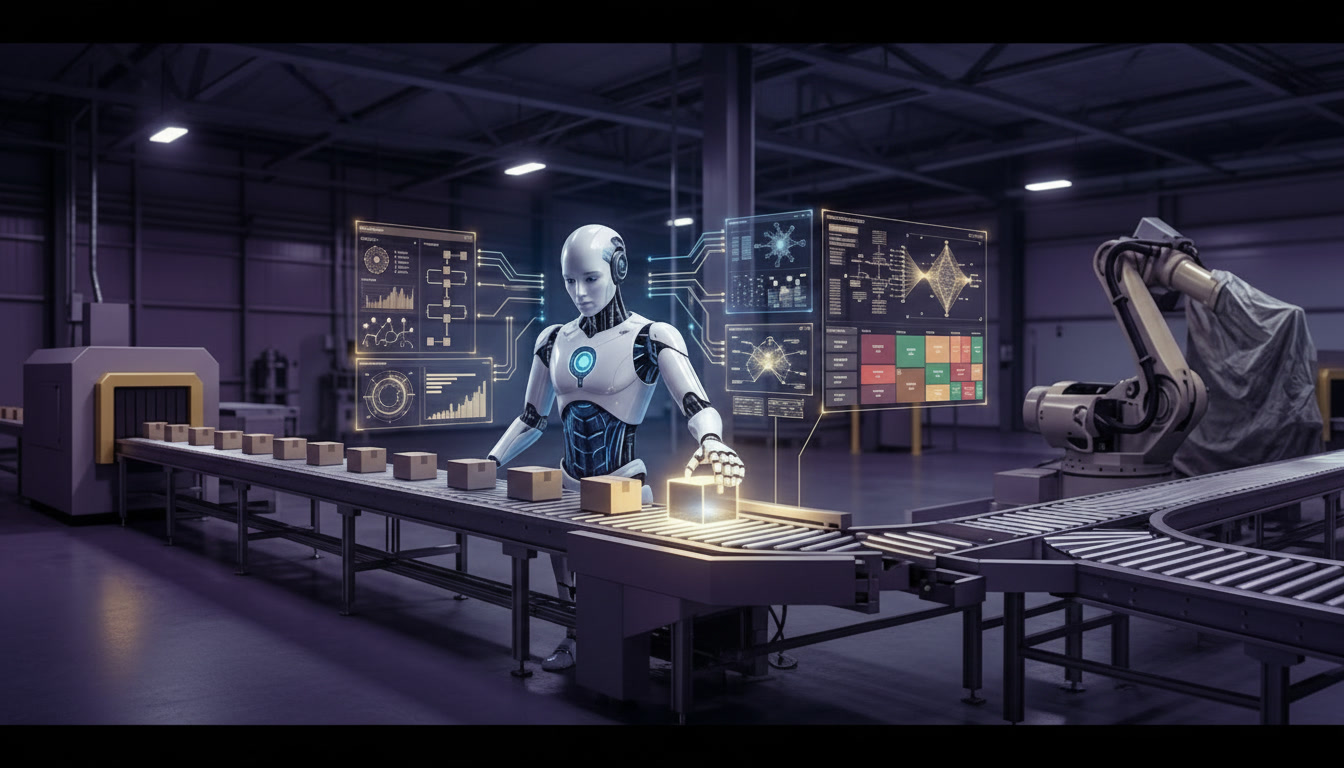
Humanoid Robots vs Traditional Automation: Why the Comparison Is the Wrong Question
Every factory manager comparing humanoid robots to industrial arms is asking the wrong question. The two systems were designed around incompatible assumptions about the environment they operate in — and that single distinction explains every apparent advantage and every real failure mode better than any spec sheet comparison. The people whose capital decisions depend on getting this right are overwhelmingly working from a frame that guarantees the wrong answer.
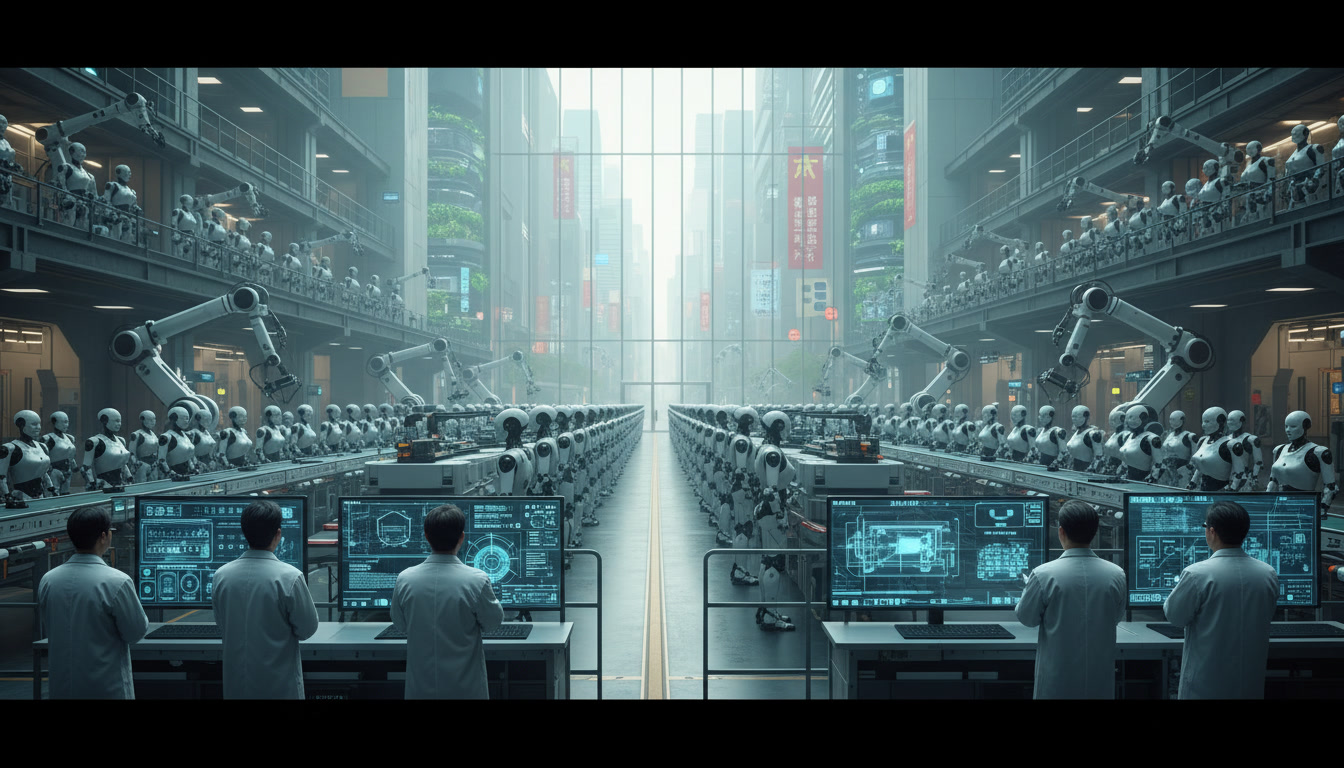
AI and Robotics in China: How Beijing Is Turning Automation Into National Power
China installed more industrial robots in 2024 than the rest of the world combined. That sentence is true, verifiable, and almost entirely absent from the strategic conversations it should be shaping. The executives restructuring supply chains, the investors pricing robotics exposure, and the policymakers debating export controls are all working from a picture that is simultaneously more alarming and less alarming than what is actually happening.
Why Robots Struggle With Common Sense — and Why That Matters
A robot that can solve a gold-medal mathematics problem cannot reliably pick up an unfamiliar object off a table. Nobody who funds robotics wants to lead with that sentence. But it is the most practically important fact in the entire field — because it explains why robots that dazzle in demos keep disappointing in deployment, and the people whose decisions depend on understanding this gap are often the last ones to be told about it plainly.
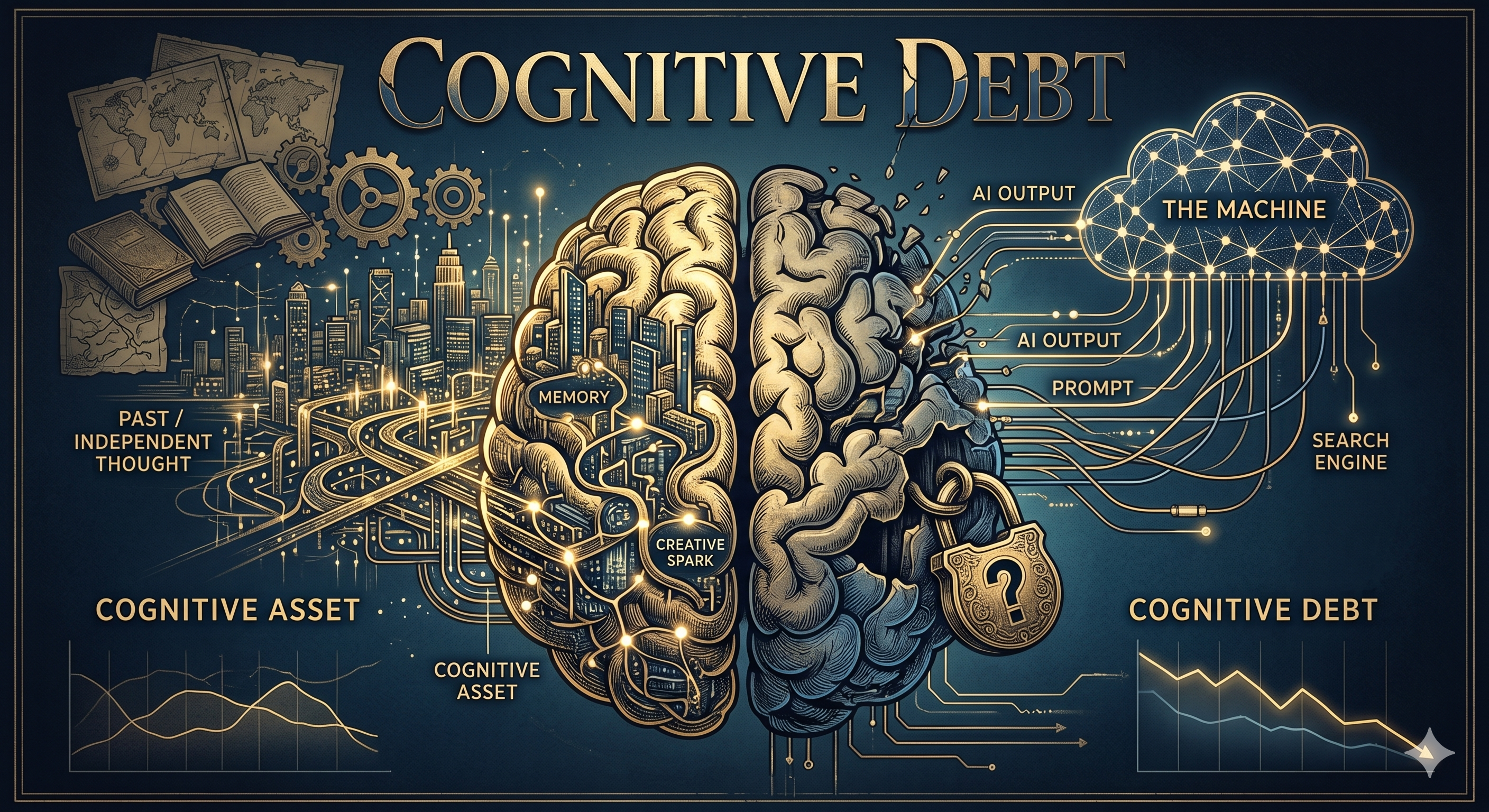
AI's Cognitive Debt: Fiction vs. Reality
AI removes the cognitive struggle of thinking. Like a muscle, the brain atrophies without exercise. Outsourcing reasoning risks losing our intellectual architecture, leaving a superficial society now.

Is the AI Robotics Investment Boom a Bubble? What the Tulips, the Dot-Com Crash, and $425 Billion in VC Actually Tell Us
Every bubble in history looked rational from inside it. The people buying Dutch tulip contracts in 1636 thought they were participating in a new luxury market, not a collective delusion. The question for anyone with money, a business, or a pension exposed to the AI robotics wave right now is not whether this feels like a bubble. It is whether this bubble, if it is one, ends like the tulips or ends like the internet.
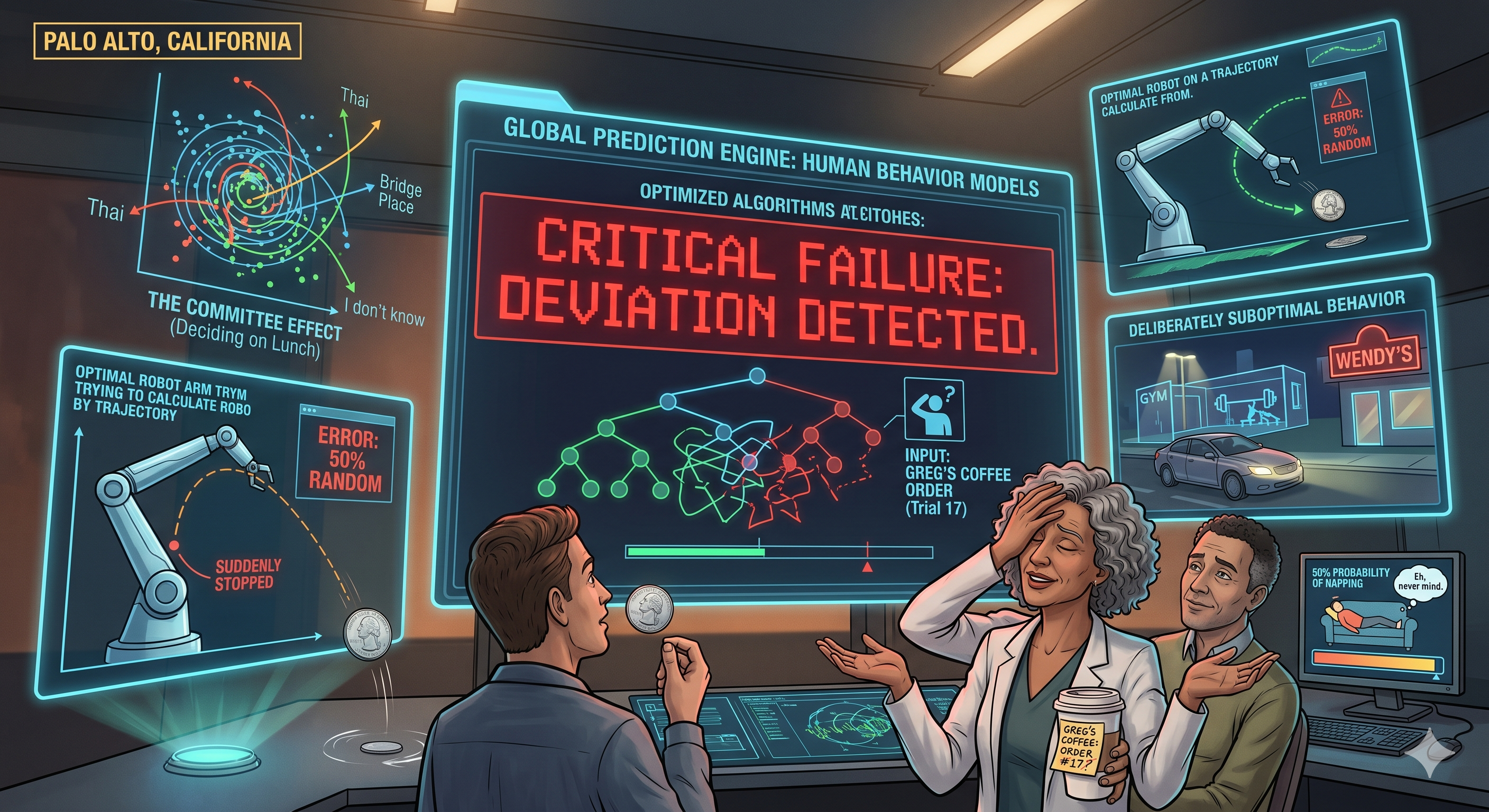
Five Ways To Defeat The Robot Uprising Using Only A Coin And Bad Decisions
Experts agree the machines never saw "just kind of giving up halfway" coming. PALO ALTO, CA — As superintelligent AI systems edge closer to autonomous decision-making, a growing chorus of researchers, retirees, and people who have ever tried to plan dinner with their family are converging on a single hopeful conclusion: humanity is going to be fine, because we are deeply, structurally, almost spir

Is AI Self-Aware? What Current Systems Actually Are, and How Far We Really Are From Skynet
The most consequential confusion in the entire AI debate is between a system that sounds self-aware and a system that is. Nobody is explaining the difference clearly. People making policy decisions, investment decisions, and personal decisions about AI are working from a mental model that is either years ahead of the evidence or wilfully ignoring the parts of the evidence that are genuinely unsettling.

AI In India - The Path From Being Middle Class To Filthy Rich
How will AI usage evolve in India
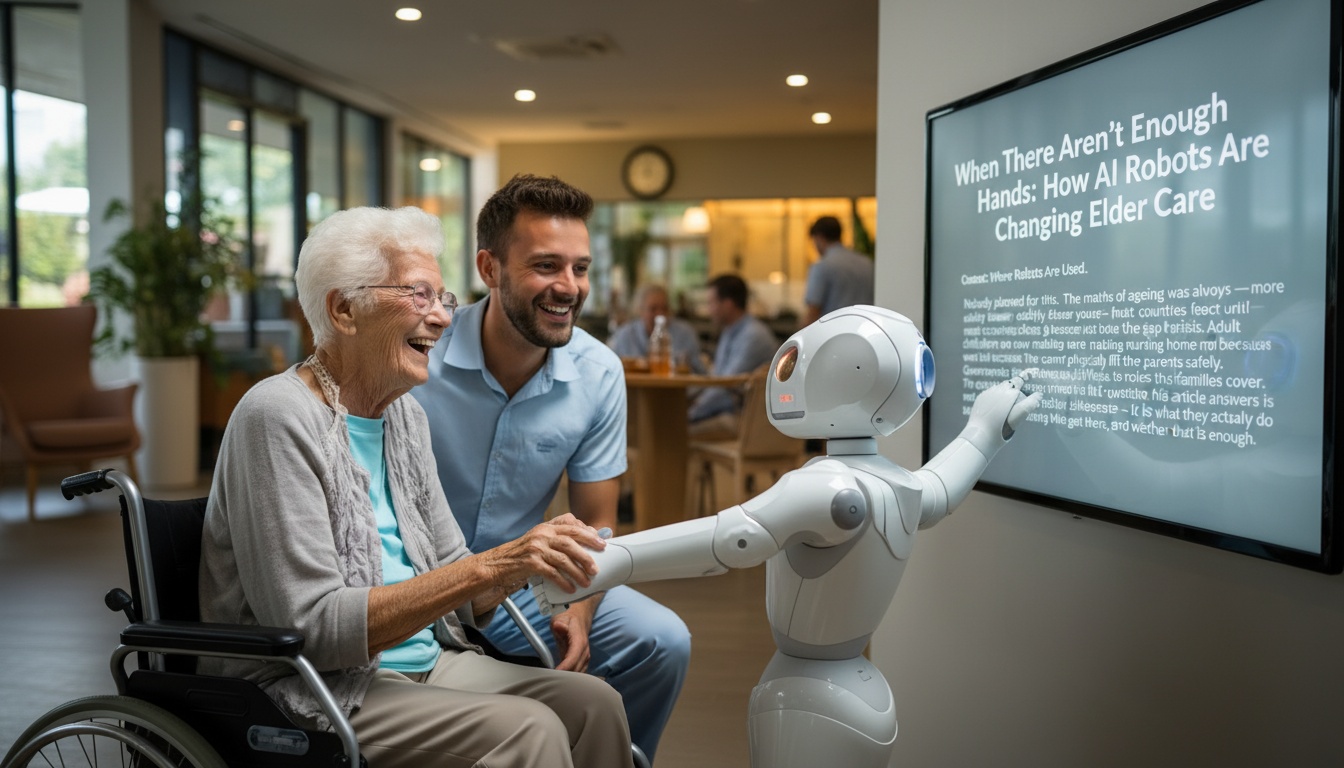
When There Aren't Enough Hands: How AI Robots Are Changing Elder Care
Nobody planned for this. The maths of ageing was always known — more elderly, fewer young, fewer carers — but most countries chose not to act until the gap became a crisis. Adult children are now making nursing home decisions not because they want to but because they cannot physically lift their parents safely. Governments are running out of workers to fill the roles that families cannot cover. The question this article answers is not whether robots belong in eldercare — it is what they actually
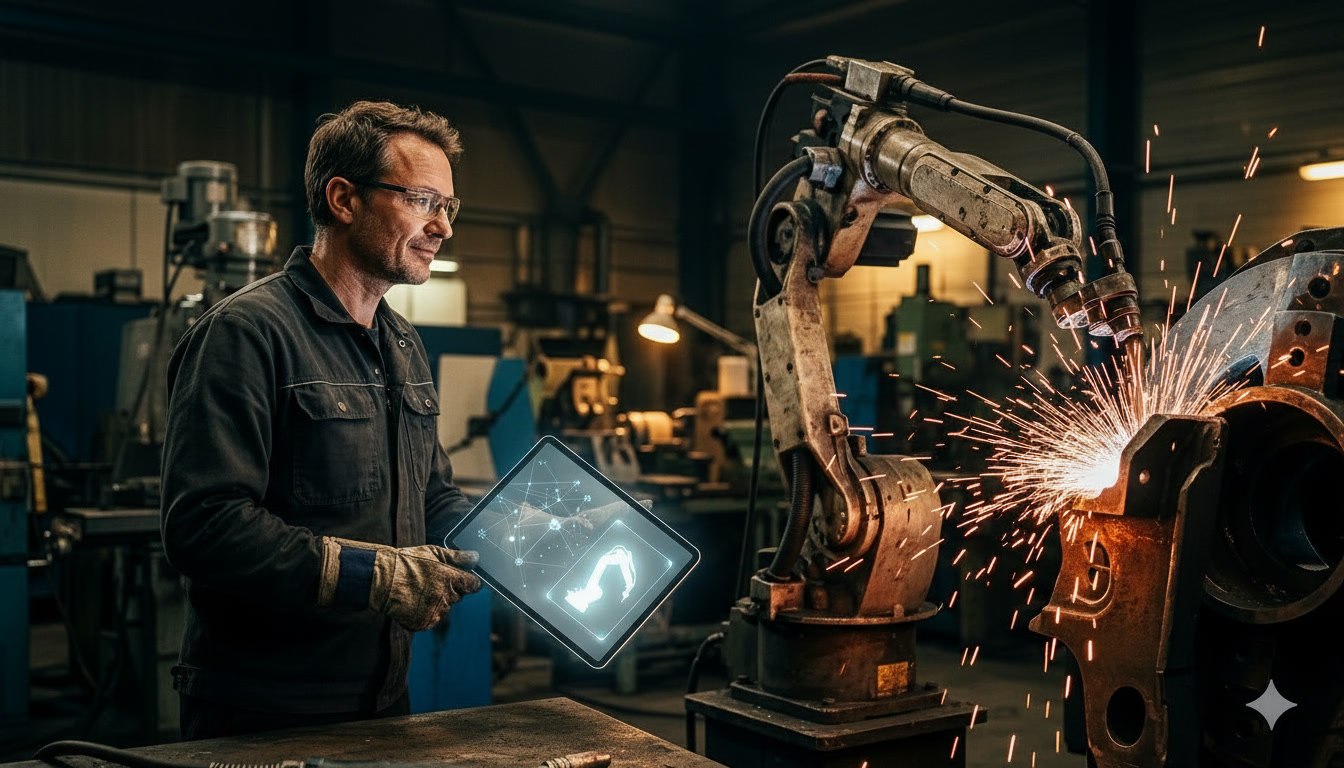
Robots Aren't Taking Your Job — They're Taking the Parts of It That Were Hurting You
The most dangerous thing in the automation debate is not the robots. It is the fact that we keep asking the wrong question. Workers, managers, and union reps are all arguing about job survival while the real split — which tasks go, which stay, and who captures the difference — is happening quietly inside every affected role. The question this article answers is not whether your job is safe. It is whether the parts of it that were grinding you down are the parts the machine is coming for first.