BMW Deploys Figure 03 Humanoid as Germany's Leipzig Plant Tests Wheeled AEON Robot
BMW is expanding its physical AI strategy with Figure 03 in Spartanburg while Leipzig tests Hexagon's wheeled AEON humanoid, showing the automaker's multi-robot approach to factory automation.

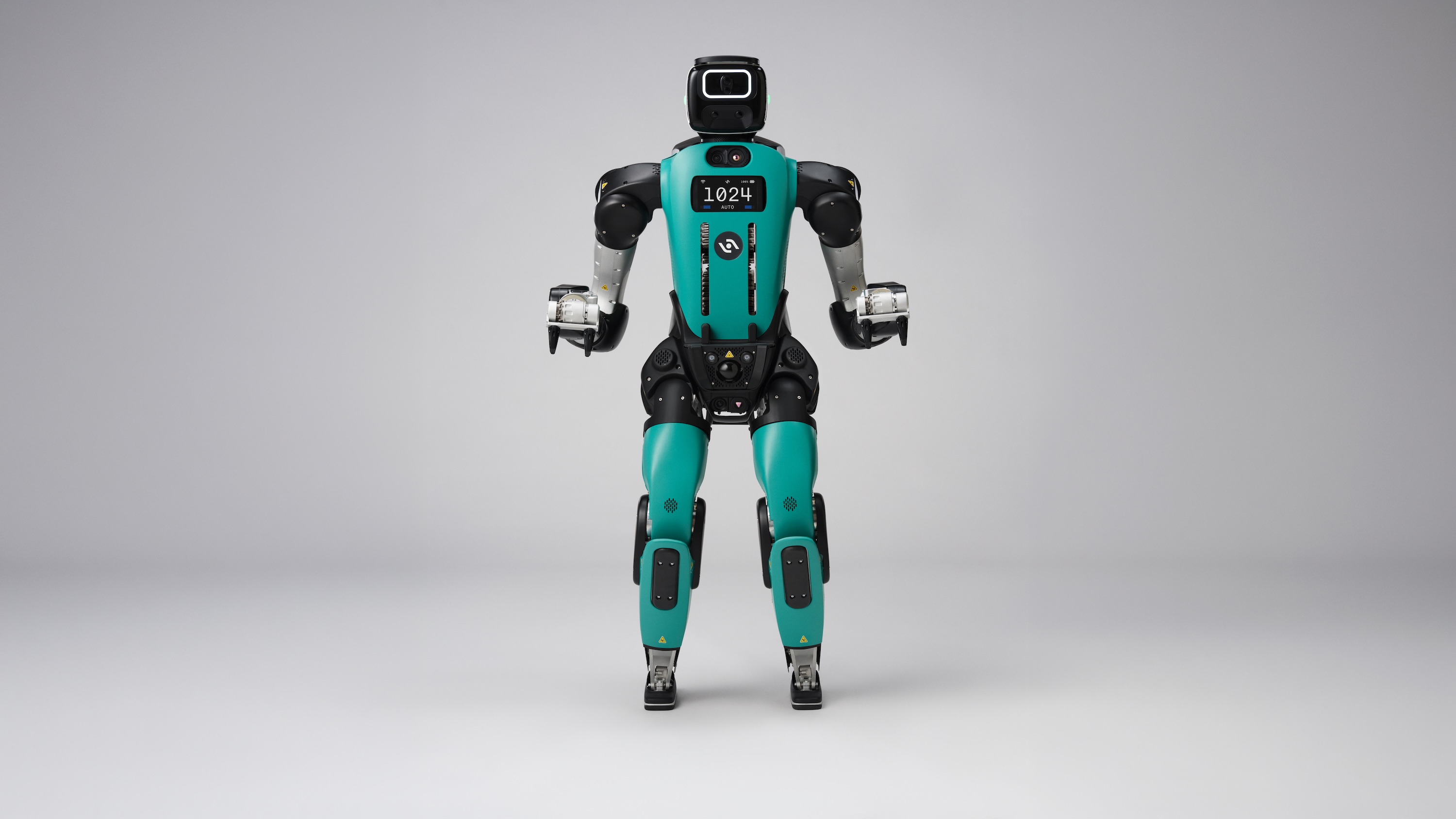
BMW Group is scaling up its bet on Physical AI. Fresh off an 11-month run with Figure AI's Figure 02 humanoid at its Spartanburg, South Carolina plant, the automaker announced last week it will deploy the newer Figure 03 robot for a logistics sequencing role — while, on the other side of the Atlantic, its Leipzig factory in Germany is quietly running a parallel experiment with a very different kind of humanoid.
What Changed: Figure 03 Gets to Work
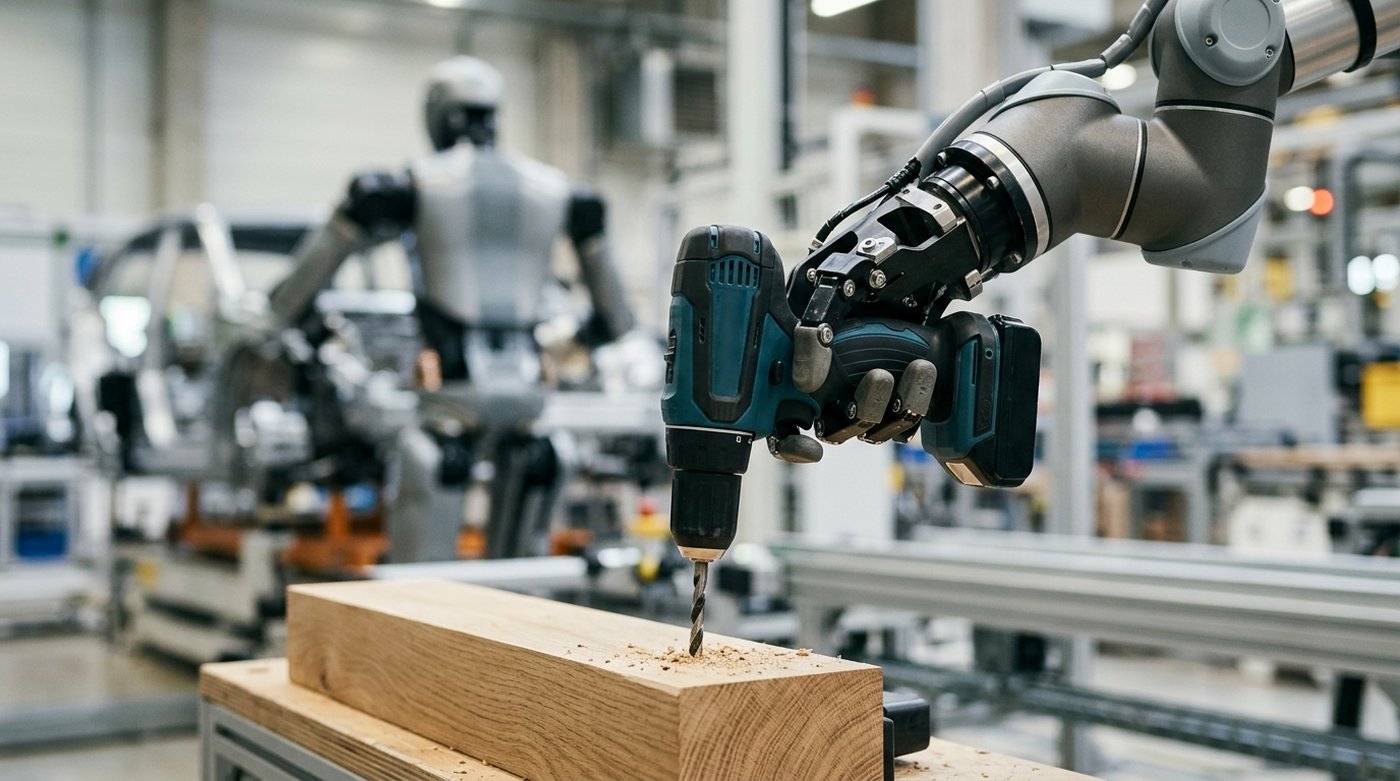
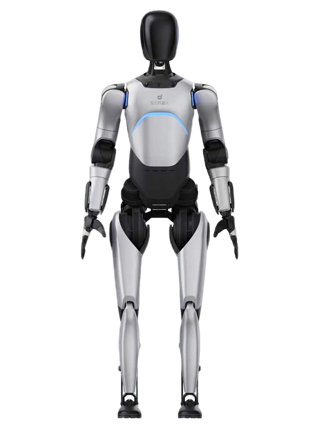
Figure 02 spent its deployment in BMW's body shop, inserting sheet-metal parts ahead of welding — a job demanding both speed and precision. According to BMW, that robot supported production of more than 30,000 X3 vehicles. Figure 03 inherits that track record but takes on a new task: sequencing. Unsorted parts arrive in large containers, and the robot picks and sorts them into a trolley, which an automated tugger train then carries to the assembly line "just in sequence." Figure AI founder and CEO Brett Adcock said Figure 03 adds soft components for safety, wireless charging, speech-to-speech audio, and tactile-sensor hands with palm cameras for finer dexterity — upgrades aimed squarely at making the robot viable outside controlled demo conditions.
Germany's Angle: Leipzig Tests a Robot on Wheels, Not Feet
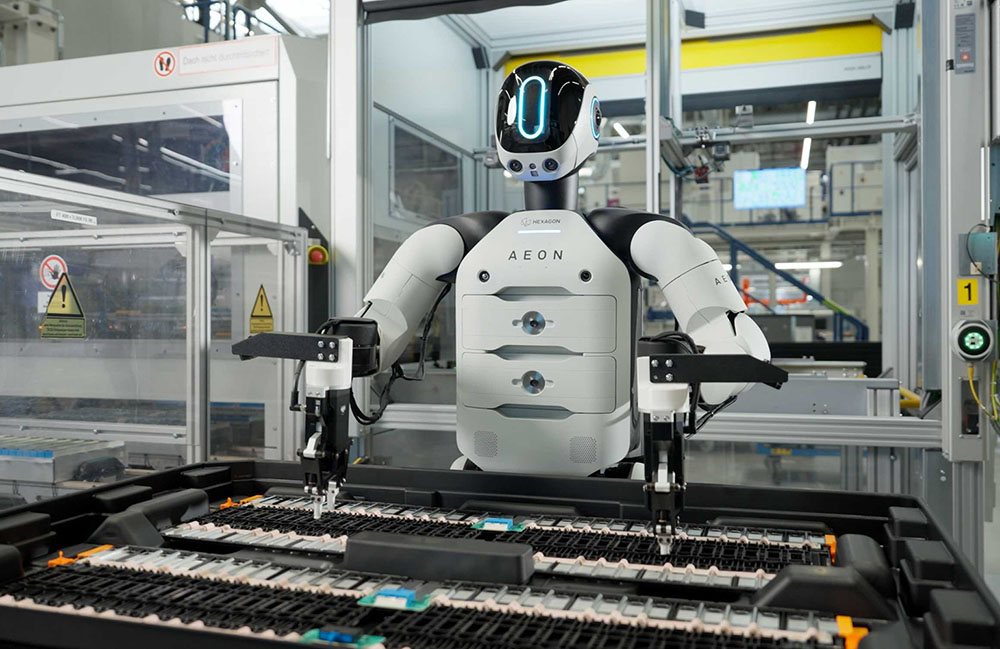
While Spartanburg gets the headlines, BMW's Group Plant Leipzig has been running its own Physical AI pilot with Hexagon Robotics' AEON humanoid since December 2025. AEON is unusual: it has two legs, but each ends in a wheel rather than a foot, letting it roll across flat factory floors faster than a walking robot while still stepping over obstacles when needed. BMW says the Leipzig trials are aimed at integrating humanoids into existing car production and scoping future use in battery and component manufacturing. A second test phase is planned for April 2026, building toward a full pilot this summer. It's a smaller, quieter program than the Figure rollout in the U.S., but it puts Germany — Europe's largest auto manufacturing base — squarely inside the industry's humanoid experiment.
Why This Matters Beyond BMW
BMW now runs three distinct robot form factors across three countries: bipedal humanoids in the U.S., a wheeled humanoid in Germany, and Boston Dynamics' quadruped Spot doing inspection rounds at its Hams Hall plant near Birmingham, UK. That spread isn't accidental — it's a deliberate hedge. No single humanoid form has proven itself as the industry standard yet, and BMW is testing hardware diversity right alongside the software and safety questions that come with putting robots next to human workers. Ulrich Wieland, BMW Manufacturing's vice president of production control and logistics, framed the strategy plainly.
"Plant Spartanburg is the birthplace of humanoid robotics in BMW Manufacturing's operational day-to-day activities. Having already successfully completed a pilot with Figure 02 in our body shop, we are now looking forward to deploying Figure 03 for a sequencing use case in logistics." — Ulrich Wieland, VP of Production Control and Logistics, BMW Manufacturing
The bigger signal here is about deployment maturity, not novelty. Humanoid robots have generated years of flashy demo videos, but BMW's decision to move to a second-generation robot for a new task — rather than simply repeating the first pilot — suggests these systems are starting to earn their place on the factory floor rather than just proving they can stand upright. Brett Adcock put it in similarly grounded terms: "Our 11-month deployment of Figure 02 proved that humanoids are no longer lab experiments — they can be a valuable asset in establishing a flexible, reliable manufacturing workforce."
Quick Q&A
Q: What's actually new in Figure 03 compared to Figure 02?
A: Soft, safety-oriented components, wireless charging, speech-to-speech audio, and tactile-sensor hands with palm cameras for more precise, dexterous handling of parts.
Q: Why is the Leipzig, Germany deployment different from Spartanburg?
A: Leipzig is testing Hexagon's AEON, a wheeled — not walking — humanoid, exploring whether it fits car, battery, and component production differently than a bipedal robot would.
Q: When does BMW's German pilot move from testing to production?
A: BMW ran an initial test deployment in December 2025, plans another test phase from April 2026, and expects the full pilot phase to begin in summer 2026.
Q: What kind of factory tasks are these robots aimed at?
A: BMW says the priority is monotonous, ergonomically demanding, or safety-critical work — jobs where reducing physical strain on human employees is the main goal, not just cutting headcount.
What's still unproven is scale. Both the Figure and Hexagon programs remain pilots — impressive in scope, but still bounded to specific lines and tasks rather than plant-wide rollouts. The real test for physical AI in manufacturing won't be whether a humanoid can sort parts into a trolley under supervision; it'll be whether these systems can run unsupervised, at volume, across shifts, without the kind of hand-holding that pilot programs typically still require. BMW's spread of bipedal, wheeled, and quadruped robots across three factories in three countries suggests even the company betting the most on this technology isn't ready to declare a winner yet.