Agility Is Going Public Selling Robots. Everyone Else Is Buying the Factory Instead.
Agility's Nasdaq listing, Foundry's self-owned factory, HII's contingent robotics deal, and Unitree's thinner Q3 margins all point the same direction: the money in robotics is moving toward whoever owns the assembly process, not whoever sells the robot.

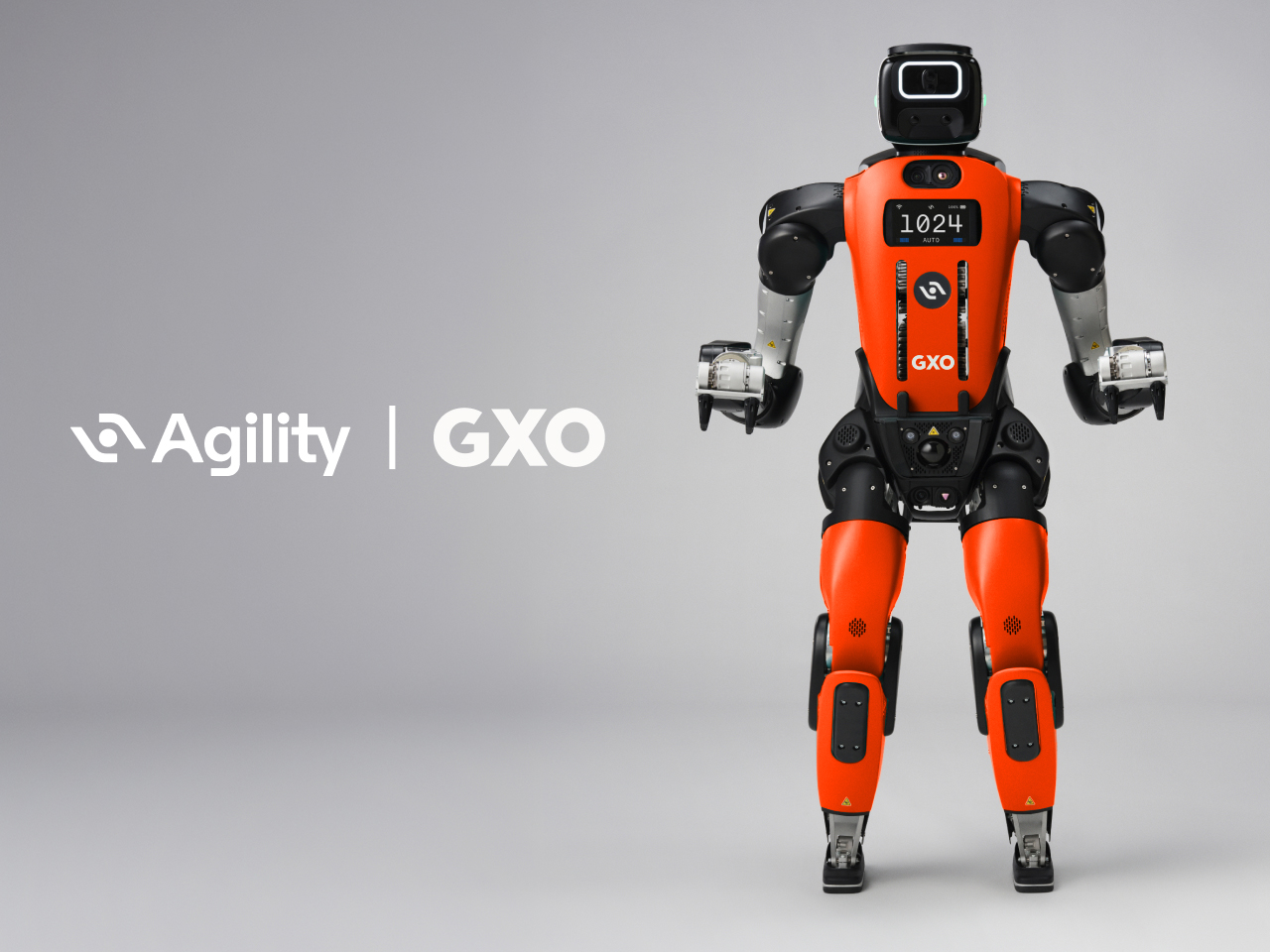
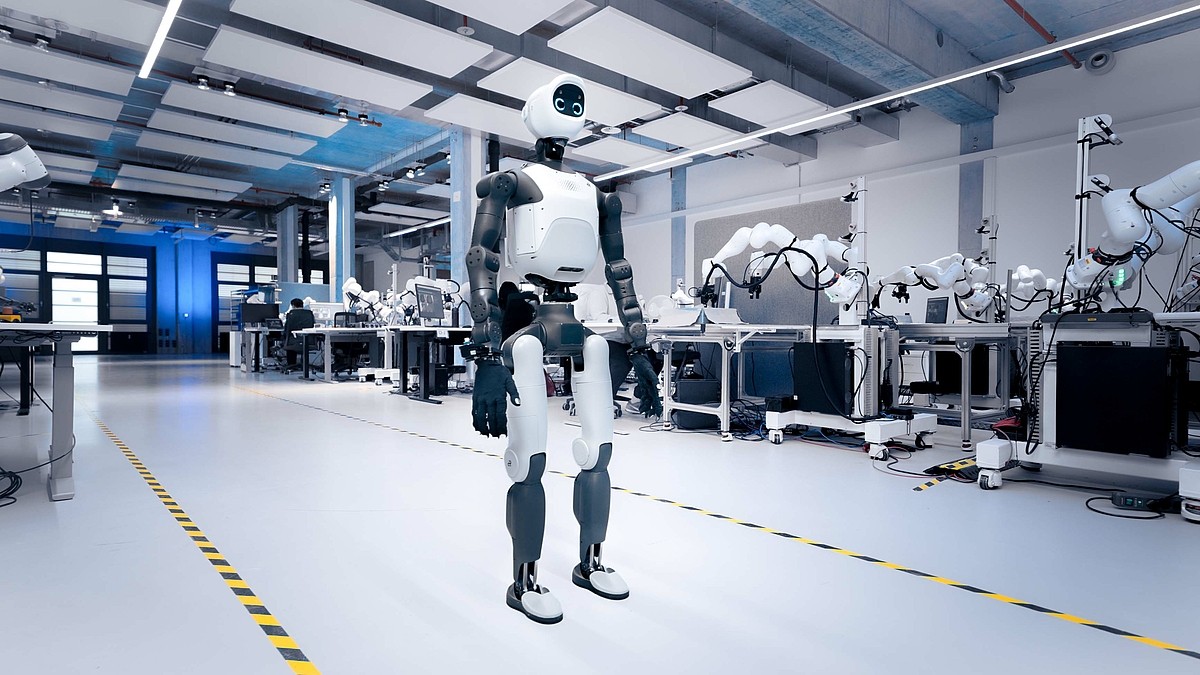
On November 5, Agility is scheduled to start trading on the Nasdaq under the ticker AGLT, the result of a SPAC merger with Churchill Capital Corp XI that a shareholder vote is set to confirm on November 2. The deal's gross capital raise now stands at roughly US$465 million: about US$164 million still sitting in the SPAC's trust account, about US$201 million from a common-stock investment led by Foxconn at US$10 a share, and US$100 million of equity funding the company had already drawn down since the merger was first announced. Agility sells a humanoid robot, Digit, to warehouse and logistics operators who do not make robots themselves. GXO is its best-known customer. That is the business going public.
It is also the business that is getting harder to make money in, and the clearest evidence of that sits one earnings report away, at a different humanoid maker entirely.
Unitree filed its first earnings since listing on Shanghai's STAR Market on October 28. Third-quarter revenue rose about 70% year on year to roughly 665 million yuan, close to US$100 million. Net profit fell 17.4% over the same quarter, to about 113 million yuan, or roughly US$17 million. Research and development spending jumped close to 250% to about 127 million yuan, 19.1% of revenue. Unitree is winning the race everyone in this industry still measures by: more robots sold, more revenue booked. Its profit line went the other way.
What Selling More Robots Actually Buys You
A 70% revenue jump with a 17.4% profit decline is not a company failing. It is a company spending to stay ahead in a category where rivals are shipping fast and prices are not holding. Nine-month profit at Unitree was actually up sharply year on year, which the company has attributed partly to a large one-time payment expense booked the previous year, so read the quarterly swing as a real signal about where the money is going now, not as a company in crisis.
Where the money is going is the point. Research and development consuming a fifth of quarterly revenue, in a business that already has working, shipping product, means the humanoid hardware category has not found a floor. Each competitor has to keep re-spending just to defend the shipment numbers that are supposed to be the proof of market leadership. Selling the most robots and keeping the most margin are no longer the same achievement.
That is the math every hardware seller in this category is running, whether or not they publish quarterly numbers the way a listed company must.
Two Ways Around That Math
Two deals announced in the same stretch of weeks show the alternative, and neither involves selling a robot to a stranger.
Foundry Robotics raised a US$100 million Series A led by Marlinspike Partners on October 28, and the round is tied directly to a 130,000-square-foot facility in Emeryville, California that the company itself owns and operates. Foundry's pitch, in its own framing, is manufacturing-as-a-service: customers send a product design, Foundry's robotic cells and its FoundryOS software run the assembly, and the customer buys finished output rather than a fleet of robots to manage. Whether that factory ships repeatable volume at the quality a customer like a defense contractor or a satellite maker needs is still unproven. What is not in question is the structure: Foundry captures the margin on the assembly process itself, not on a one-time hardware sale.
HII took the mirror-image approach. In August, the shipbuilder signed performance-based production agreements worth up to US$900 million with Path Robotics and GrayMatter Robotics to automate welding and fabrication inside its own Navy shipyards, under a program it calls HYPR. The ceiling figure is contingent, not guaranteed: HII pays out only as the vendors hit cost, schedule and quality milestones across a Navy-grade development stage and a later delivery stage. HII is not buying robots off a shelf. It is paying two robotics companies to prove their technology works inside a production line HII already owns, with the payout gated to results. The shipbuilder, already planning to outsource more than 2.5 million hours of fabrication work this year, is the one keeping control of the floor.
Both deals route around the same weak spot in Unitree's quarter: a seller with no stake in what happens to the robot after the invoice clears has no lever on margin except cutting price or out-spending rivals on R&D forever.
What Agility's Listing Is Really Testing
Set against that pattern, Foxconn's presence in Agility's PIPE is the detail worth sitting with. Foxconn did not become one of the world's largest companies by selling assembly robots to other manufacturers. It became that by owning the assembly lines that build other companies' phones and servers, at a margin nobody else gets to see. A company whose entire business model is owning the means of production just wrote a check into a company that sells machines to everyone else's means of production. Read as a signal, that is not an endorsement of the hardware-selling model. It is a hedge by someone who understands exactly how thin that model's margins can get.
None of this is a demand problem. The Association for Advancing Automation reported North American robot orders up 24.8% in the third quarter of 2026, a healthy order book by any recent standard. Buyers want more automation. The open question a public listing finally forces into daylight is who captures the economics of meeting that demand: the company that builds and sells the robot, or the company that owns the floor the robot works on.
Agility is about to let the public market price that question for the first time, on a quarterly disclosure cycle, the same way Unitree just did.
The Case Against This Theory
Owning the factory is not automatically the safer bet. Foundry is a young company staking its entire model on a single facility ramping to repeatable output, and flexible-assembly manufacturing has a long history of looking elegant in a funding announcement and brutal in year two of production. HII's contingent structure means Path Robotics and GrayMatter get paid only if they deliver, which protects HII's capital but pushes all of the execution risk onto two much smaller robotics companies betting their growth on one customer's shipyards.
Agility has real advantages a pure margin story understates: a first-mover customer relationship with GXO, a Foxconn investor with its own reasons to want Digit to succeed as a manufacturing tool, and a listing that gives it public-market capital to outspend smaller rivals on the same R&D race that is squeezing Unitree. Selling hardware at scale, with enough lock-in through service contracts and software updates, has built durable businesses before. It is not a dead model. It is just, on the evidence sitting in two earnings disclosures and two production deals this quarter, the harder of the two models to run.
What I'm Watching Next
Running a taxonomy of robot makers and the companies that buy from them for a living means watching this same split show up constantly: the operator who owns the line keeps the margin, and the vendor who sells into someone else's line keeps the invoice and re-fights the price war every quarter. From where I track this industry, in the Philippines, that distinction matters beyond Wall Street. It is the same choice an ASEAN manufacturer weighs when deciding whether to buy a robot outright or contract an integrator on a performance-gated deal closer to HII's structure than to a purchase order.
Agility's first earnings report as a public company, likely in early 2027, will be the next real test of which side of that split a pure hardware seller can live on. Foundry's factory either ships repeatable output in 2027 or it does not. Unitree's next quarter will show whether its R&D spending was a temporary defensive spike or the new baseline cost of staying in a hardware race that keeps getting more crowded. Watch those three disclosures together, not the robot demos in between them, for the actual answer to where this industry's money is heading.
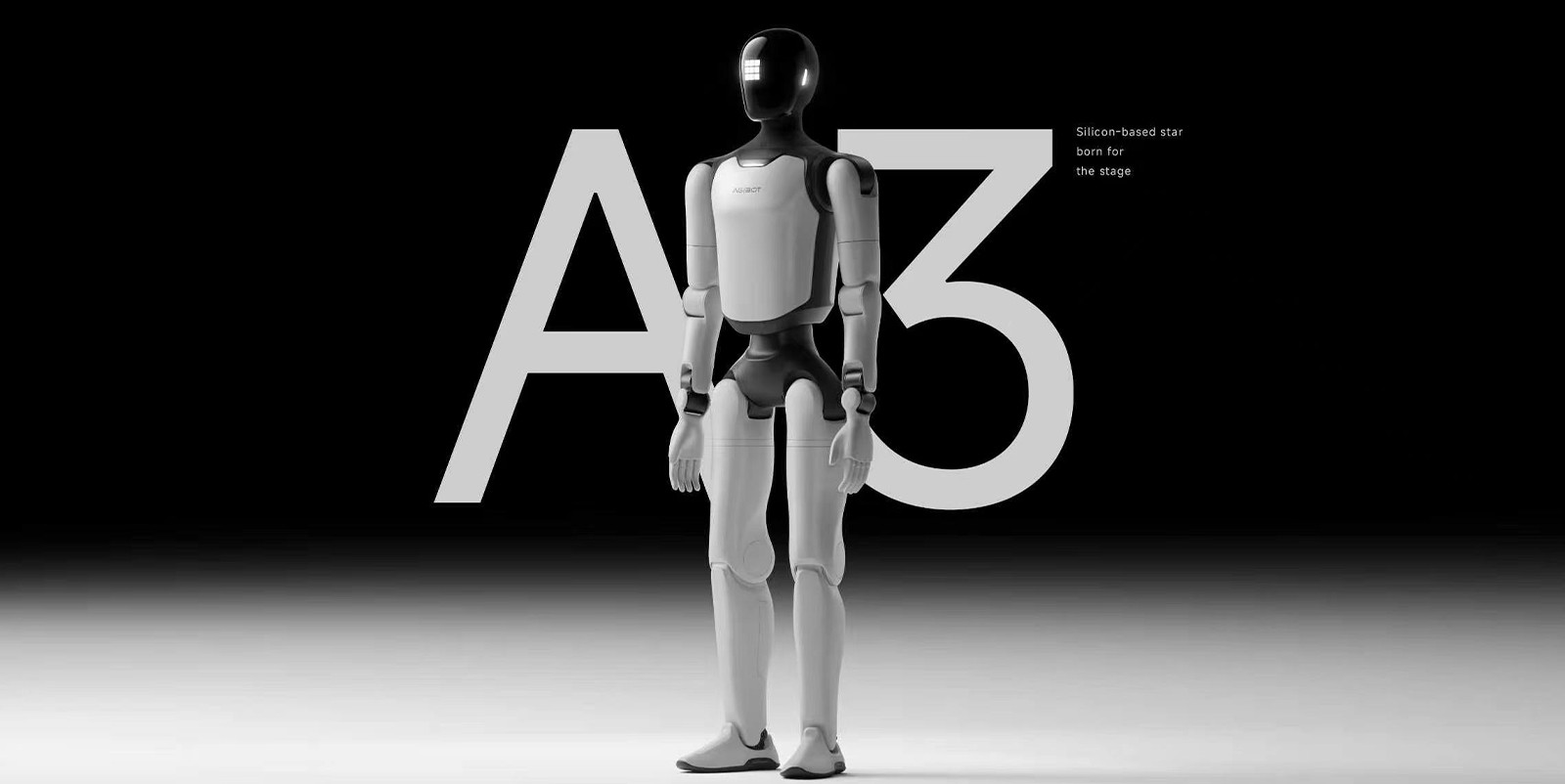
This analysis is based on public filings and company statements as of November 1, 2026, and is provided for general information purposes only; it does not constitute investment, financial, or engineering advice. Hero image courtesy of Agility, from its joint announcement with GXO showing the Digit humanoid robot.