AWS Calls It an Open-Source Robotics Toolchain. Nearly Every Engine Inside It Is NVIDIA's.
AWS, NVIDIA, and the startup Odyssey each staked out a different, incompatible bet this week on who should own the simulation layer that trains a robot before deployment, and AWS's own retreat from owning that layer outright, a year after shutting down RoboMaker, is the most telling signal of the three.
On October 8, 2026, Amazon Web Services launched something it is calling the Physical AI Toolchain, an open-source pipeline meant to carry a robot from synthetic training data through simulation, validation, and edge deployment. Read the ingredient list before you read the press framing: NVIDIA Isaac Sim for simulation, NVIDIA Isaac Lab for training environments, NVIDIA Isaac GR00T as the foundation model, NVIDIA Cosmos for world generation. AWS supplies Amazon SageMaker to run the training jobs and AWS IoT Greengrass to push the finished models to the robot's own compute. Strip away the AWS branding and what launched this week is a hosting and orchestration layer wrapped around someone else's physics stack.
That is not a criticism of the engineering. It is the clearest data point yet on where AWS decided the real chokepoint in robotics software sits, and it is not simulation.
A Company That Already Tried, and Walked Away
AWS has been here before. RoboMaker, its cloud robotics simulation platform, shut down for good in September 2025 after failing to find a market. This month, an AWS executive framed RoboMaker as having simply been one component of AWS's broader robotics stack, the kind of characterization a company reaches for when it would rather not say a product didn't work. Whatever the internal framing, the sequence is hard to miss: AWS built its own simulator, retired it within a few years, and came back twelve months later having ceded the simulation engine itself to NVIDIA entirely.
A company does not hand a rival its physics engine by accident. AWS's bet is that the valuable layer is the one that remembers context across a robot's shift, hands reasoning to a cloud model when the task gets ambiguous, and ships the result to the edge reliably, not the layer that renders photons and collision meshes. Whether that bet is right is the only question in this story that actually matters, and nobody will know the answer for a year or two.
NVIDIA Is Betting the Opposite Thing
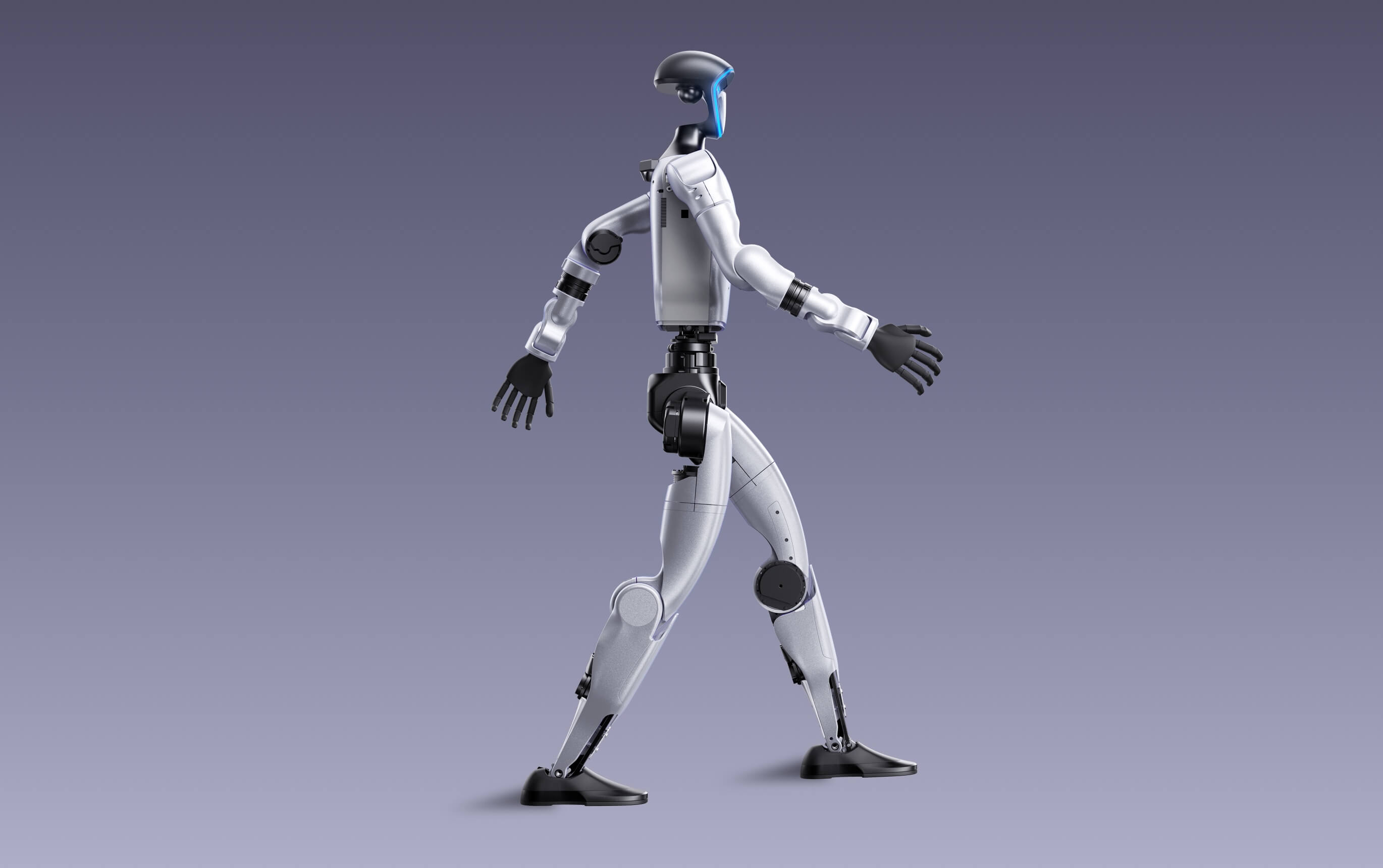
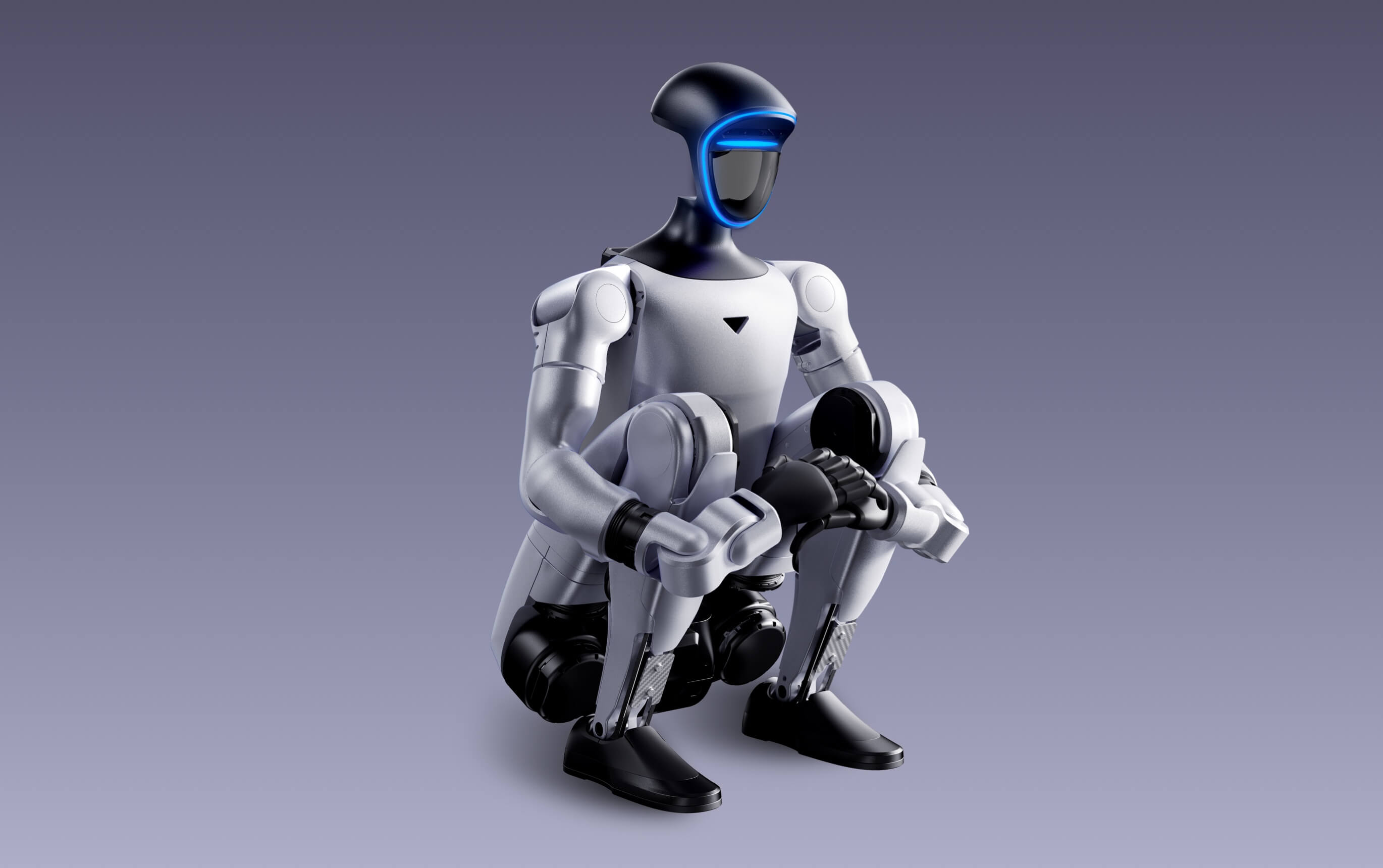
One day earlier, on October 8, NVIDIA published its own answer to the same question, and it points the other way entirely. The post, part of its ongoing Omniverse developer series, showed engineers directing AI agents with plain-language prompts to build and modify simulation environments inside Omniverse, rather than hand-coding every scene. In one demonstrated project, a Unitree G1 humanoid was set loose in a simulated hurdle course and cleared a single jump in 64 of 100 trials, a number NVIDIA published itself rather than rounding up to a highlight reel. In another, engineers used PTC's Onshape computer-aided design software to model a car suspension assembly directly inside Isaac Sim for a disassembly-robotics project.
Those two details matter more than the novelty of a prompt-driven simulator. A 64 percent success rate on a single hurdle, stated plainly in a vendor's own showcase post, is an honest number, the kind that tells you the simulation is still a research tool, not a certified product, however good the demo video looks. And PTC's presence inside NVIDIA's own workflow is a second confirmation of the same structural pattern AWS just demonstrated: the company that owns the simulation engine does not need to own the CAD tool, the humanoid hardware, or the cloud orchestration layer around it. It needs everyone else's tools to assume Isaac Sim is where the physics happens.
A Third Bet Says the Simulator Is the Wrong Unit Entirely
A San Francisco startup called Odyssey is making a different wager than either AWS or NVIDIA. In mid-September, it introduced Odyssey-3, a single foundation model it claims can be adapted, with a lightweight "action decoder" layered on top, to drive robot arms, humanoid hands, cars, drones, and video-game agents from one shared backbone, rather than requiring a dedicated simulator and a separately trained policy for each machine. In a research collaboration Odyssey highlighted with Flexion, Flexion built working humanoid manipulation policies, tasks like opening containers and placing items, from only tens of hours of teleoperation data. Those are Odyssey's own reported numbers, not independently benchmarked by a third party, and should be read with that caveat attached rather than repeated as settled fact.
Even taken skeptically, the strategic logic is coherent. Odyssey raised a US$310 million Series B in June 2026 at a US$1.45 billion valuation specifically to pursue the bet that a general-purpose world model can shrink or bypass the dedicated-simulator step that AWS and NVIDIA both still treat as mandatory. If Odyssey is even partly right, it does not just compete with Isaac Sim. It makes the entire question of who owns the simulation layer less important than who owns the model that no longer needs one.
Three companies, three incompatible structural bets, inside a single week:
- AWS: own the orchestration and memory layer, rent the physics.
- NVIDIA: own the physics and rendering layer, let everyone else plug in.
- Odyssey: make the dedicated simulator optional for an increasing share of tasks.
The Layer Nobody Wants to Own
While the infrastructure players argued over which layer to control, a fourth, much smaller company picked a layer none of them wanted. SafeWorld, a Palo Alto startup, came out of stealth on October 5 to sell exactly one thing: running a robot's actual control software through thousands of simulated encounters with people, checking whether it stops in time near a blind corner or correctly reads a worker carrying boxes, before that robot ever reaches a warehouse floor. Co-founder Ding Zhao brings a Carnegie Mellon University research background specifically in robot safety, and the company has said it is already running early pilots across automotive, warehouse automation, and medical device customers.
That SafeWorld exists as a separate company, rather than as a feature inside Isaac Sim or AWS's toolchain, tells you something the infrastructure vendors would rather you not dwell on. None of them want to be the party whose simulator certified a robot as safe around a human being right before that robot hurt one. Liability, not technology, is why "is this safe" has become someone else's product to sell.
What the Interoperability Framing Is Hiding
Every one of these announcements describes itself in the language of openness and partnership. AWS calls its release open source. NVIDIA frames Isaac Sim as a platform other companies build on top of, not a walled garden. In practice, open and interoperable is also how a dominant layer in any software stack always describes itself, right up until switching away from it gets expensive. The generosity of giving away the toolchain and the dependency of building your product on someone else's engine are the same decision, described from two different sides of the table.
I run a platform that tracks these companies by the thousands of rows, and the pattern that stands out after a week like this one is how rarely vendors announce where they are retreating from. AWS's own executive described RoboMaker as a component of a broader stack rather than as a shutdown, a framing choice, not a factual one. The honest version of this week's news is simpler: AWS tried to own robot simulation, lost, and is now betting its future on orchestrating whatever NVIDIA builds instead.
What I'm Watching Next
The question worth tracking is not which of these three bets is most technically impressive this month. Demo reels settle that argument in NVIDIA's favor every time, by design. The question is which layer still has pricing power once a robotics startup has to actually choose a default and live with the cost of switching away from it two years later. Watch whether AWS's toolchain customers end up migrating workloads directly onto NVIDIA's own cloud offerings once they are comfortable with Isaac Sim, the way plenty of companies discovered that a "multi-cloud" integration quietly became a single-cloud dependency. If that happens, AWS will have spent an open-source release teaching its own customers which vendor actually holds the leverage.
This analysis draws on AWS's October 8, 2026 announcement and solutions page for the Physical AI Toolchain, AWS's own documentation of AWS RoboMaker's September 2025 end of support, NVIDIA's October 8, 2026 "Into the Omniverse" developer blog post, Odyssey's own September 2026 Odyssey-3 announcement and its disclosed Series B terms, and SafeWorld's October 5, 2026 public launch materials. It is for general information purposes only and does not constitute investment, financial, or professional advice.
Hero image credit: Unitree G1 humanoid robot, official product photography from Unitree's own website.