
AI & Robotics
Our AI & Robotics in-depth articles
263 articles found • Page 10 of 22
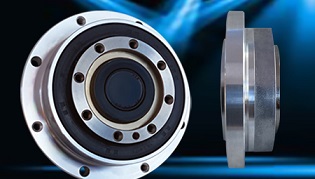
Where is the Robotic Reducer Used? Real-World Applications Explained
A survey of where robotic reducers actually go to work, grounded only in International Federation of Robotics statistics and the manufacturers' own disclosures, with the gaps in official data on China's domestic supply and humanoid-robot demand stated plainly rather than filled with commercial estimates.
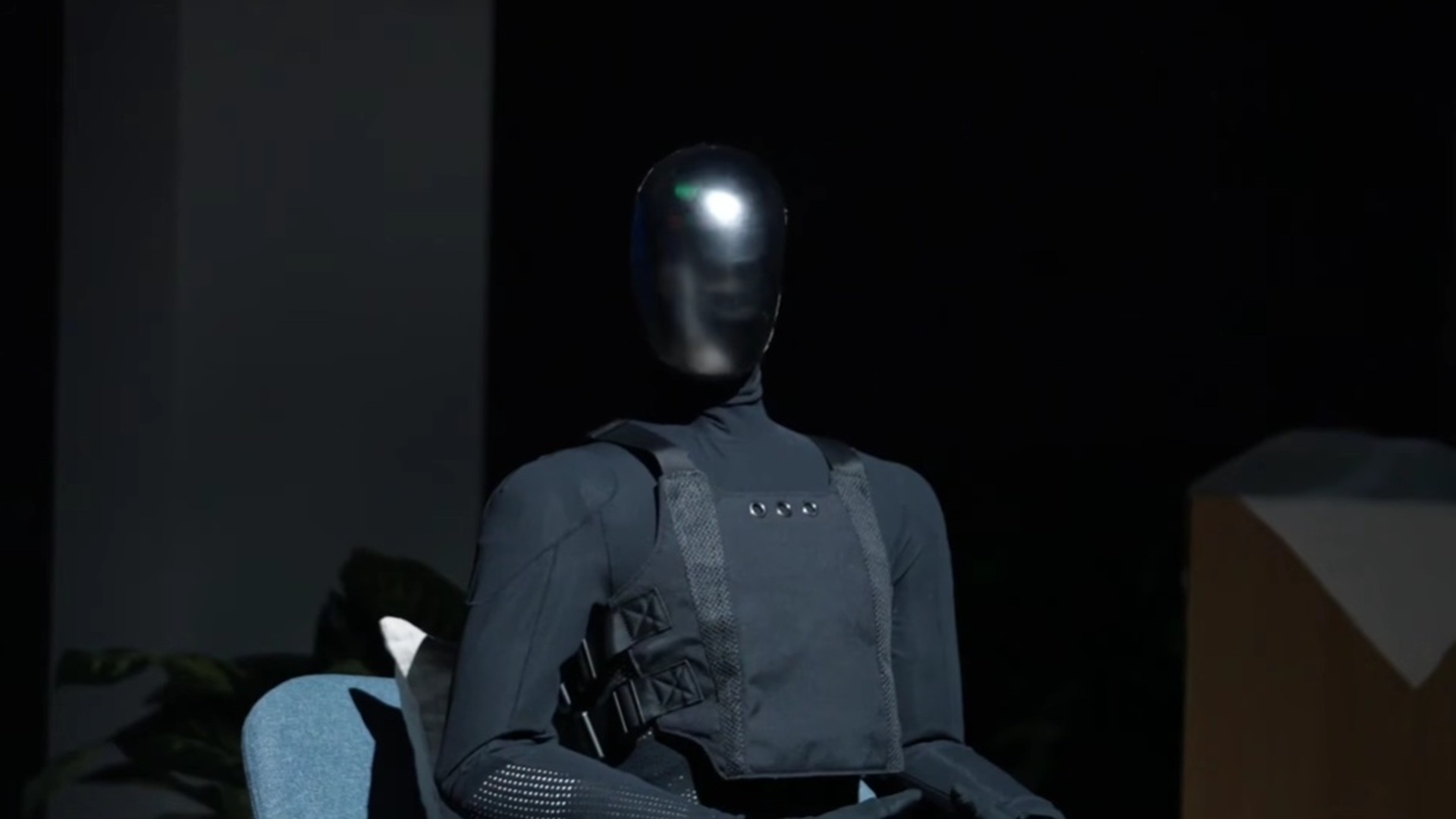
Kinetix AI Builds a Full Humanoid Stack in One Year
Shenzhen startup Kinetix AI has assembled hardware, dexterous hands, data-capture rigs, a predictive world model, and AI training infrastructure for its KAI humanoid in about a year, a stack rival Figure needed three years to build, and it is already selling components to other robotics developers.
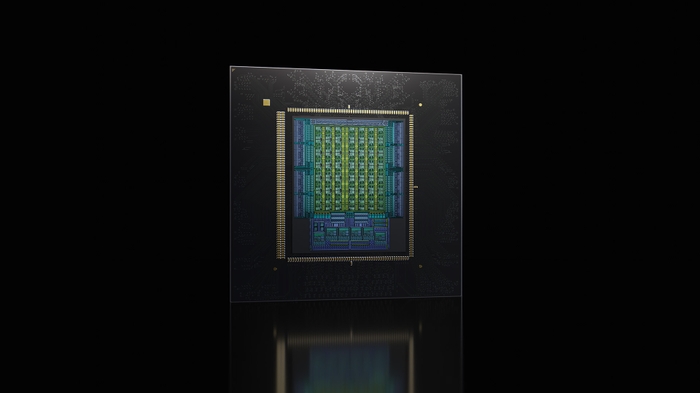
Physical AI's Big Numbers Aren't About Robots
This week's NVIDIA-AWS 2-million-GPU deal, Japan's 27,500-GPU national AI factory, and NVIDIA's own vanishing robotics revenue disclosure all get filed under "physical AI." They're three unrelated businesses operating at wildly different scales, and none of them is what actually runs inside a deployed robot today: a 15-watt edge chip or a general-purpose server processor doing sensor fusion.

Waymo Publishes 10 AI Lessons From 200 Million Autonomous Miles
Waymo published 10 engineering principles distilled from more than 200 million fully autonomous miles the same week it confirmed Munich as its first European Union market, framing the disclosure as a technical credibility case for regulators evaluating driverless expansion.
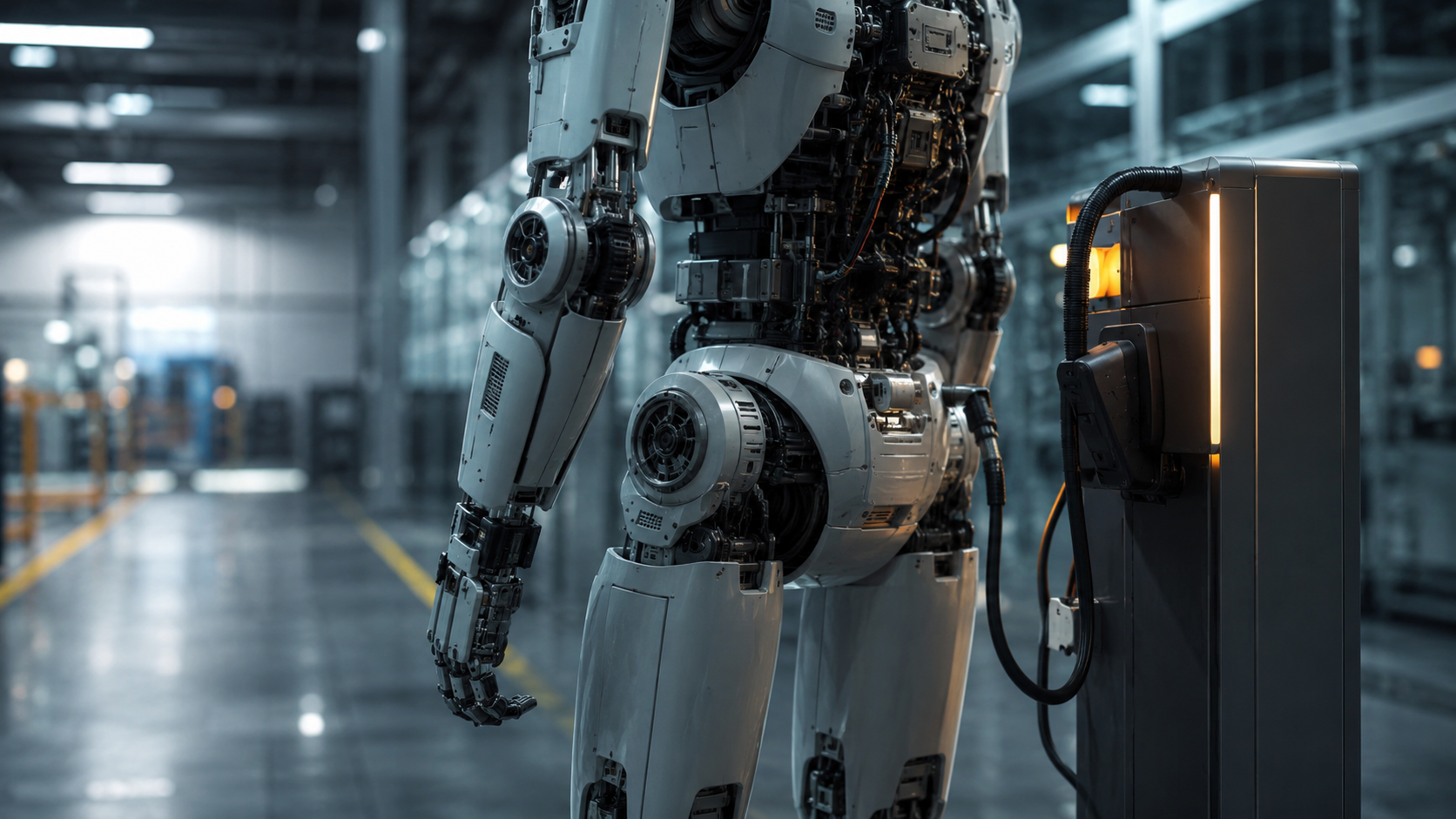
Humanoid Robots: What They Are, Why They Overheat, and Where They Work
At NASA's Johnson Space Center, operators running the Valkyrie humanoid watch its actuator temperatures. When the legs or torso get too hot, the work stops until they cool. Not the battery — the metal. The humanoid form was copied from a body that sweats. No commercial humanoid does.
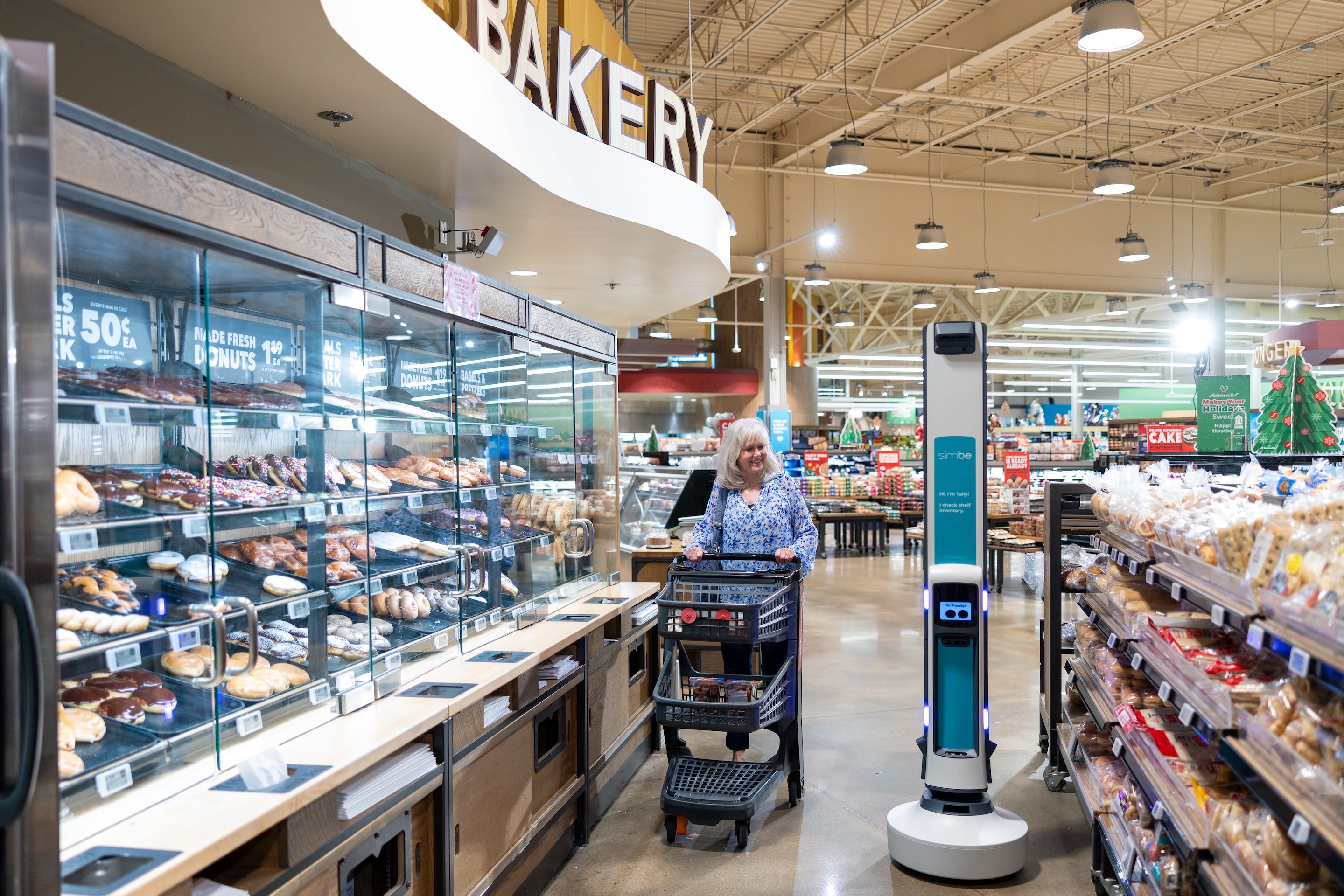
Tally Passed Robotics' Toughest Safety Test. Nobody Checked If It's Actually AI.
Robotics built three real oversight tracks in 2026: UL's safety certification, ISO's robot vocabulary standard, and the EU AI Act's disclosure rule. None of them verifies whether a robot's AI claim is actually true. Tally's UL 3300 certification, NVIDIA's Jetson Orin Nano 2 launch, and Figure AI's voluntary data disclosure show why buyers, not regulators, are currently the only ones checking.

Figure AI's Index Platform Bets US$1B on Crowdsourced Robot Data
Figure AI's crowdsourced data platform Index has logged 16 million contributor videos and paid out US$15 million, as the company commits over US$1 billion to data and compute, a bet that consumer-sourced physical-task video, not just robot teleoperation, is the fastest path to closing humanoid robotics' data bottleneck.
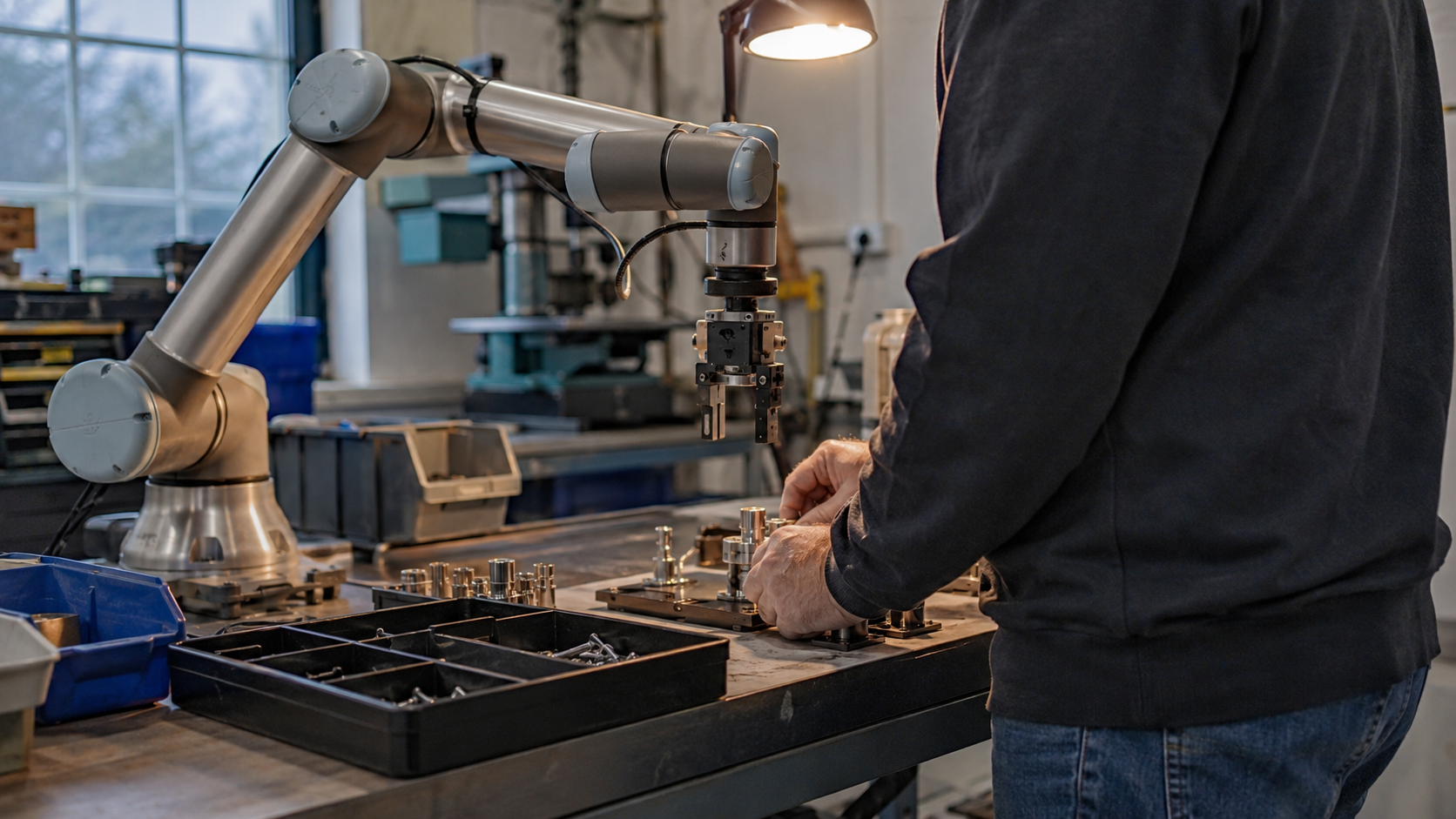
Cobot vs Robot: What a Cobot Actually Is and Where It Belongs
A cobot is not a safer robot. It is a slower one — and the slowness is the safety mechanism. Since April 2025, ISO 10218-2 has treated collaboration as a property of the application, not the machine. Which means the arm in the brochure is not collaborative until someone risk-assesses the tool on the end of it.
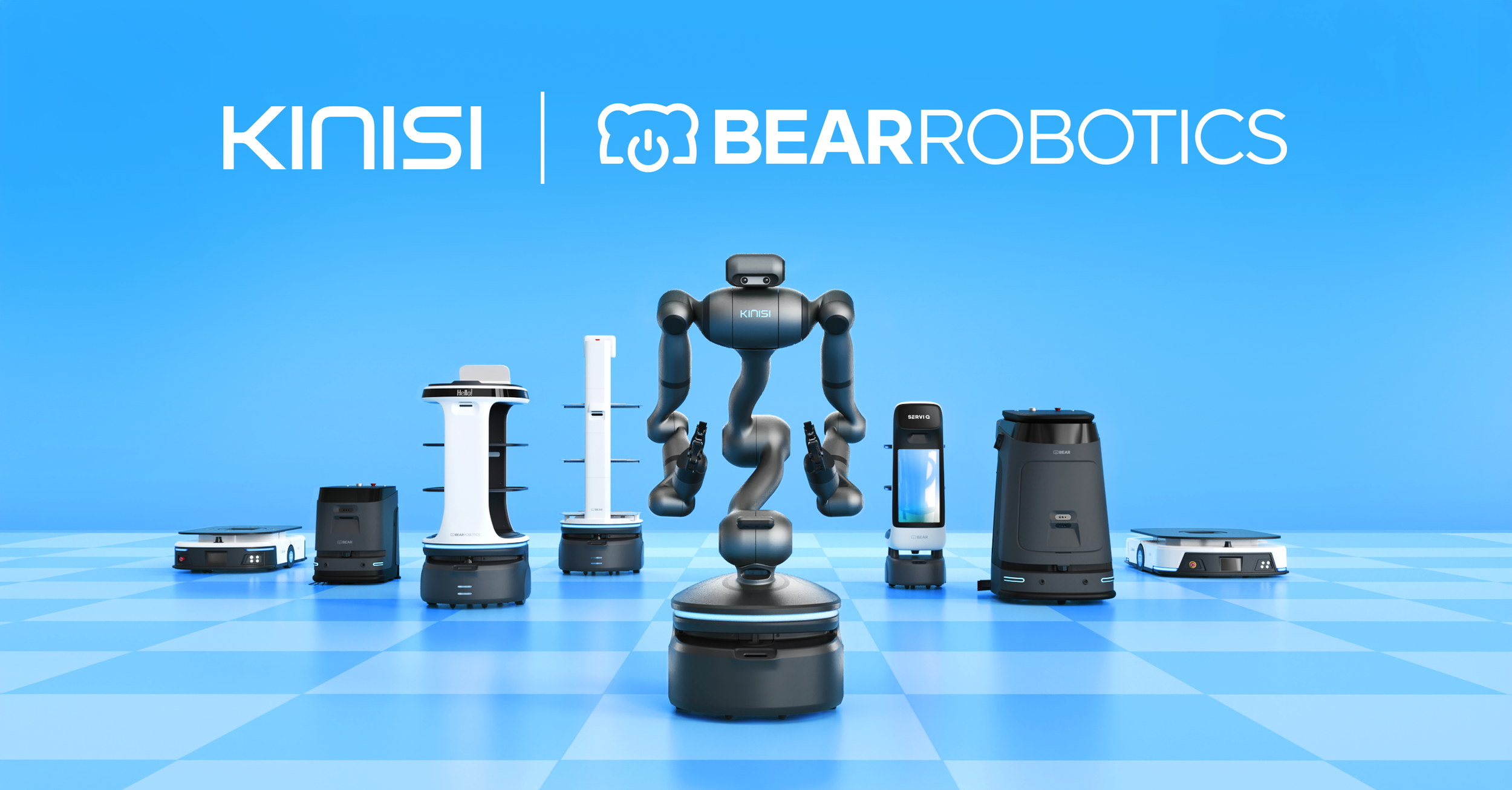
Nobody Is Buying the Humanoid. They're Buying What's Already Deployed.
Sort 2026's physical-AI acquisitions by which side already had hardware deployed, and the humanoid is never the asset being paid up for. NEURA Robotics, Bear Robotics and Mobileye are converging on the same structure from opposite directions: buy the deployed fleet, treat the humanoid as the acquired add-on.
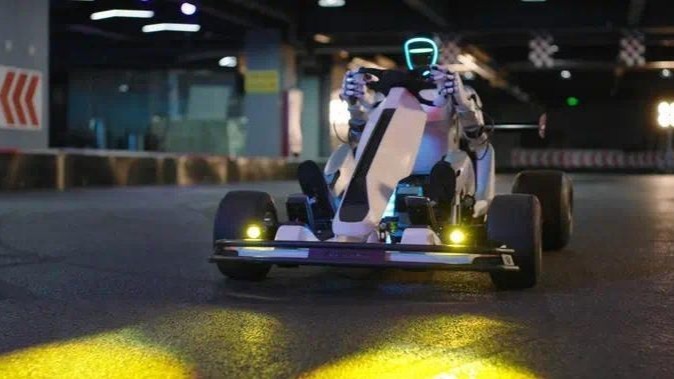
Inside Gongsheng Zhixing's Bet on a Unified Robot Brain
Beijing startup Gongsheng Zhixing argues that unified, end-to-end AI models outperform the industry's layered reasoning-and-control architecture, a claim it demonstrated by having a humanoid robot drive a go-kart around a closed track.

Europe Delayed the Wrong Robot Deadline
Humanoid makers are racing to collect European CE certificates, but the machinery regulation that replaces the current framework applies from 20 January 2027 and pushes any robot whose safety functions rely on machine learning into mandatory notified-body assessment. The AI Act's product deadline just slipped to August 2028; the machinery deadline did not move, and the safety standard written for legged robots is still a working draft.
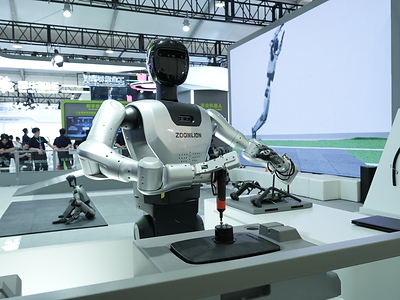
The Robot Got the Headline. The Systems Integrator Got the Bad News.
At WRC 2026, X-Humanoid, Zoomlion, and Mininglamp/Hikvision all pitched low-code orchestration layers over their robots. The near-term casualty isn't the factory worker, it's the systems integrator whose bespoke engineering work these platforms are built to commoditize.