The Robot Got the Headline. The Systems Integrator Got the Bad News.
At WRC 2026, X-Humanoid, Zoomlion, and Mininglamp/Hikvision all pitched low-code orchestration layers over their robots. The near-term casualty isn't the factory worker, it's the systems integrator whose bespoke engineering work these platforms are built to commoditize.

The most expensive part of a robot has never been the robot.
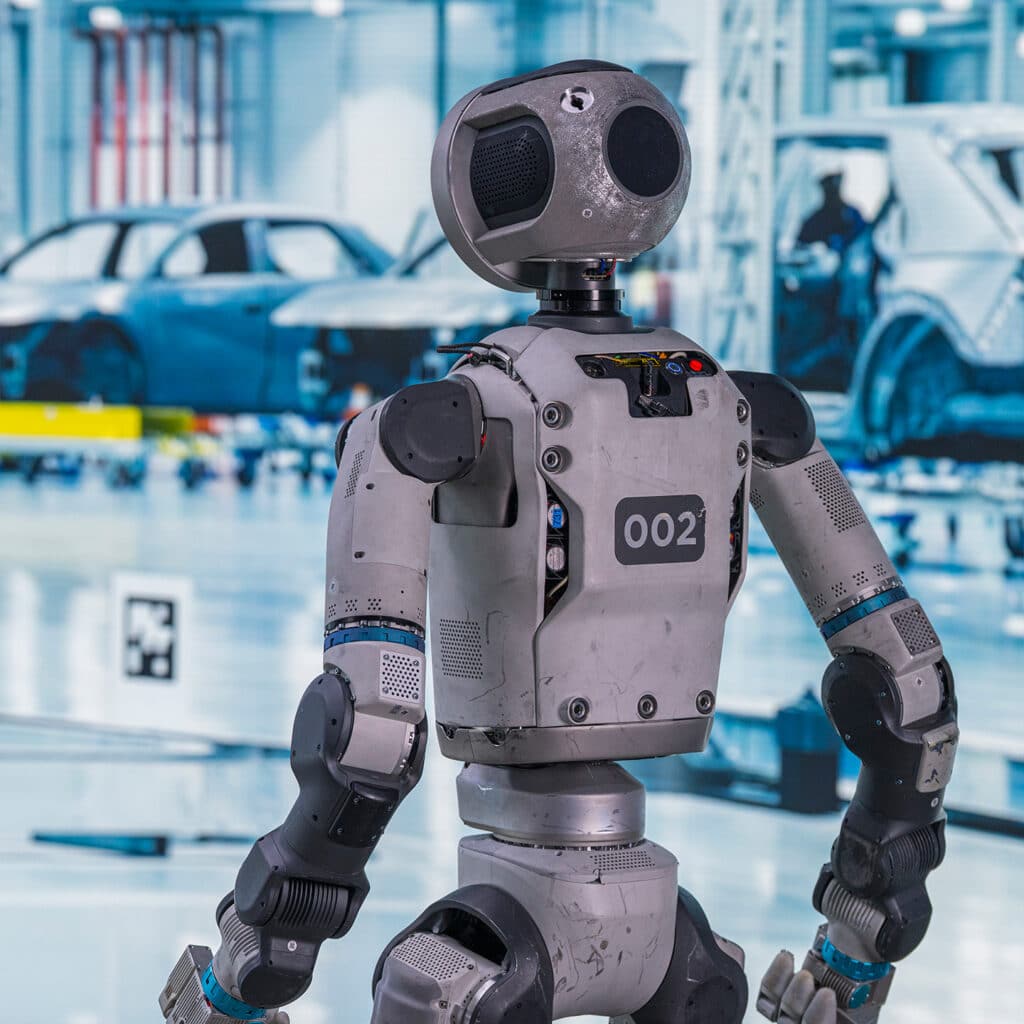
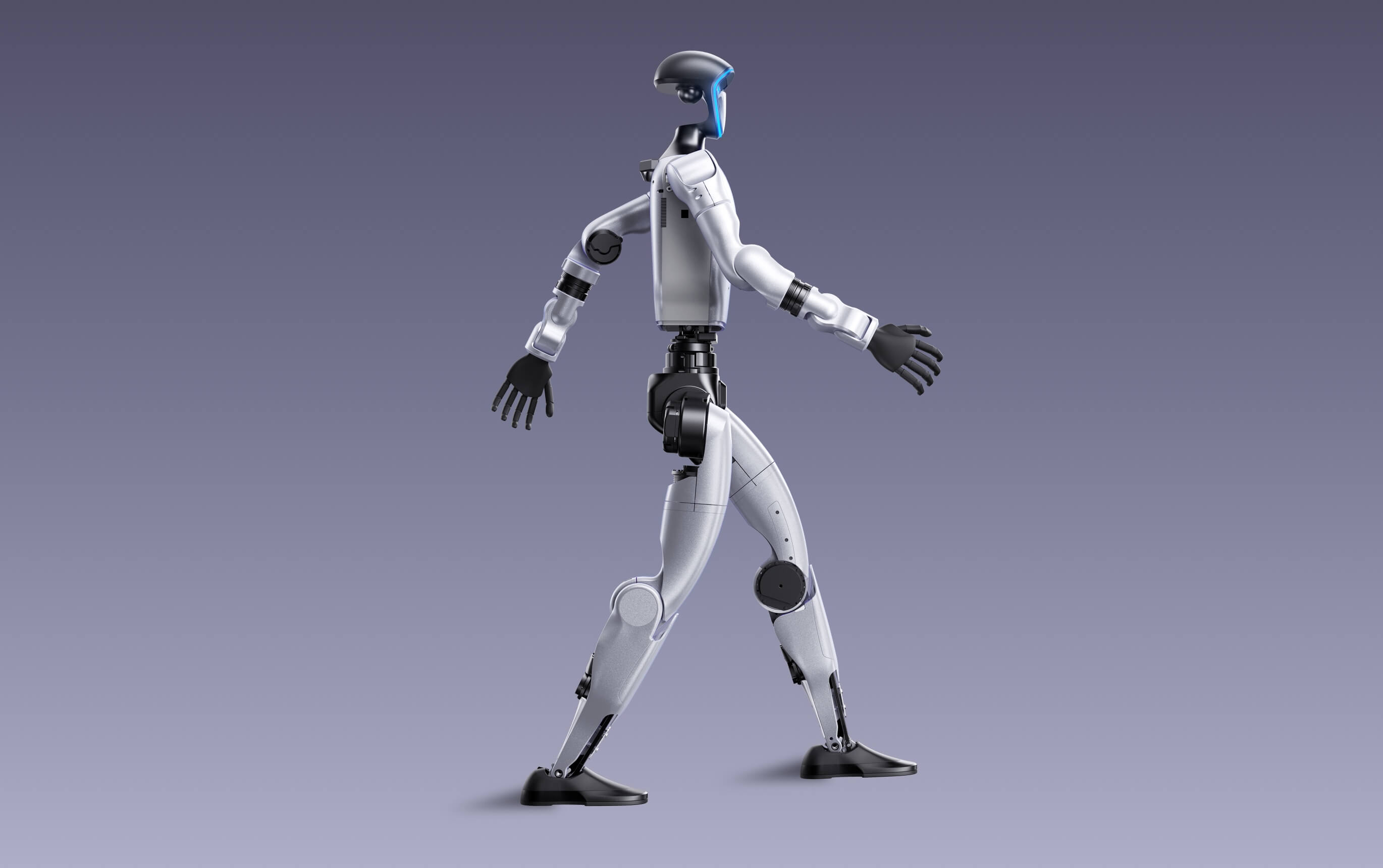
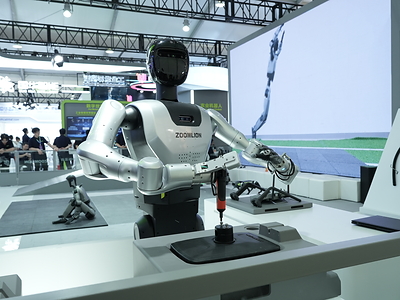
At the World Robot Conference in Beijing this week, three separate companies said the same thing about their humanoid and industrial robots without saying it directly. X-Humanoid opened its Pelican-Unify model and a developer ecosystem called Huisi Kaiwu. Zoomlion put a "professional development platform" called Robot Ops on its booth next to its actual robots. Mininglamp Technology, already trading on the Hong Kong exchange as an agentic-AI company, showed up alongside Hikvision Robotics with software built to sit on top of hardware neither of them makes exclusively.
None of these three announcements was really about a robot. They were about who gets paid to make a robot useful, and that fight is not the one most coverage of this industry is having.
Here is the thesis: the group most exposed to embodied AI's low-code turn is not the factory worker everyone worries about. It is the systems integrator standing between the worker and the robot today.
The messy middle is where the money is
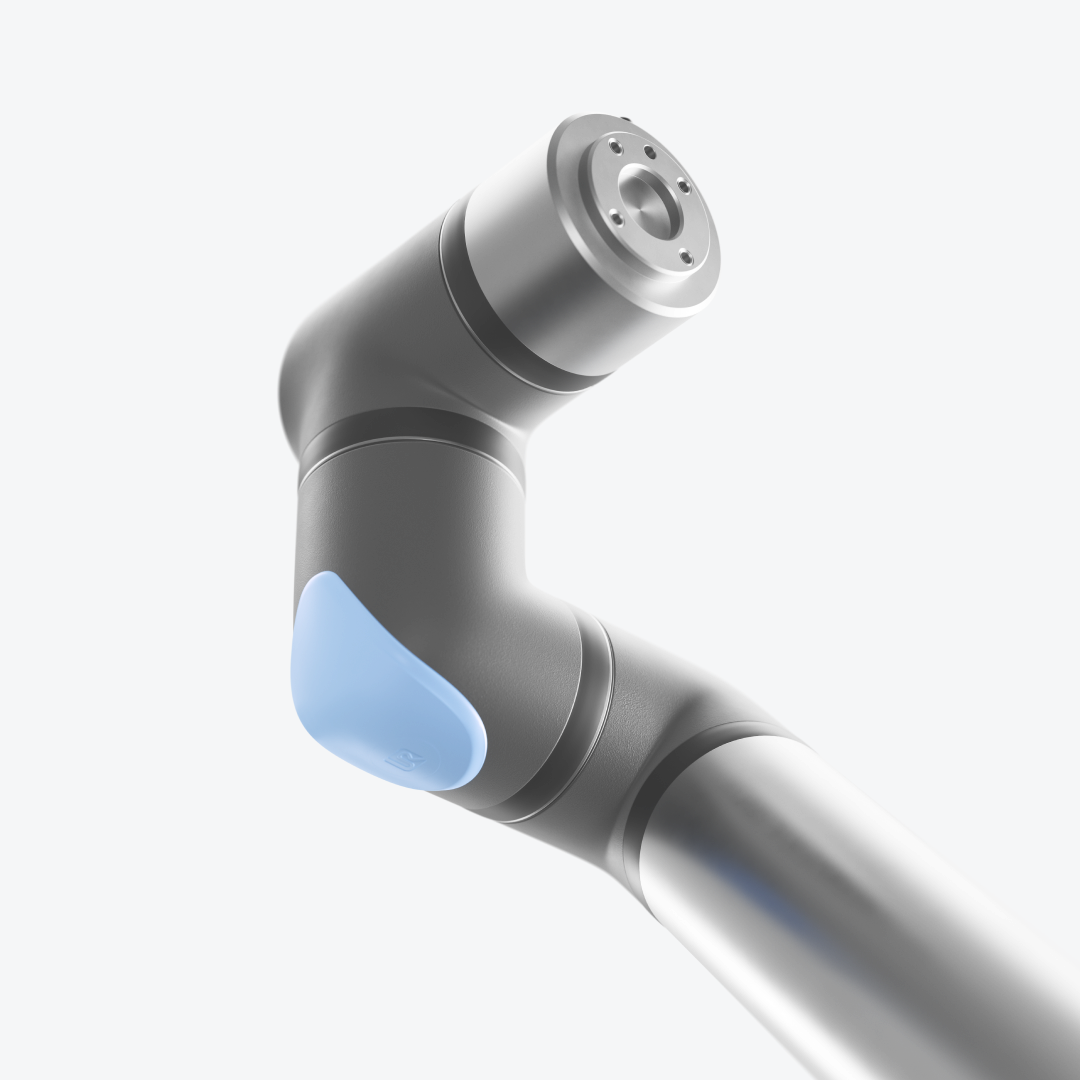
Buy an industrial robot arm and the arm is the cheap part. Fitting it to a specific cell, writing the motion paths, wiring the safety interlocks, training the line to use it, and debugging the thing for six weeks after install is where a project's budget actually goes. Industry estimates put a fully integrated cell, training included, at anywhere from US$150,000 to US$500,000 depending on complexity, against an arm that might cost a fraction of that. One market estimate sizes the global robotic systems-integration services business at roughly US$187 billion this year, more than the value of the arms, sensors, and controllers they get attached to. That estimate is a forecast, not an audited figure, but the direction is not controversial inside the industry: integration is the expensive, scarce, bespoke layer, and specialist integrator firms have made a business out of exactly that scarcity, with reported project backlogs running six to twelve months in busy markets.
That scarcity is a moat. It is also, for the first time, a target.
What "low-code" actually removes
Robot Ops is built around four modules (basic tools, imitation learning, reinforcement learning, and task orchestration) meant to take a robot from data collection through simulation to deployment inside one platform, according to Zoomlion's own description of the system. Huisi Kaiwu is pitched by X-Humanoid as an open ecosystem meant to lower the barrier and the cost for outside developers building on its humanoid platforms. Neither company is claiming to have automated robot programming end to end. What they are claiming, in almost identical language, is that the specialized, expensive translation step between "a company wants a robot to do X" and "a robot does X" no longer requires a bespoke engineering engagement every time.
That translation step is the integrator's entire business model.
Cobot vendors ran a smaller version of this playbook a decade ago, when point-and-click teaching interfaces let a line supervisor set up a simple pick-and-place task without calling in a specialist. Nobody described that as the end of systems integration, and they were right not to: welding cells, multi-robot choreography, and anything safety-critical still needed real engineering. But it did compress the low end of the market, the simple jobs that used to be a integrator's bread-and-butter starter contracts. What's different now is scope. Orchestration platforms built for humanoids and mobile manipulators are aiming at exactly the messier, higher-value work that survived the cobot wave, not just the easy tasks that were already vulnerable.
Watch who is commercializing, not who is publishing
The tell is not the research paper. It is who ships the model as a product. X-Humanoid's Pelican-Unify combines visual understanding, an action model, and what the company calls a world model into one loop running on its own hardware, and the company says a related model, Pelican VL-2.0, has become the first embodied AI model in China cleared by the Cyberspace Administration for commercial release. Regulatory clearance for a foundation model, not a single robot, is a signal usually reserved for consumer platforms, and it tells you where the company thinks the durable value sits.
X-Humanoid also announced a deep partnership with Mercedes-Benz to put its TianGong robot into dealerships for reception and customer-facing demonstrations, a 1.35-metre, 39-kilogram unit built for exactly that kind of light, repeatable, public-facing task, not a factory floor. It is a small deployment. It is also the least glamorous kind of proof that a platform vendor, not an integrator, can now own the relationship with the end customer directly.
Three companies chasing the same layer in one week is not a coincidence. It is a market deciding where the margin is before the customers have caught up.
Why this matters from a smaller market's procurement seat
I run a platform that tracks robot deployments and the companies behind them from Manila, which means most of what I see from Southeast Asia is not the factory that bought the robot arm. It is the local systems-integrator shop that sold, installed, and services it, because very few manufacturers here have in-house robotics engineering. That shop's entire value proposition is knowing how to make a foreign vendor's hardware work inside a specific plant, with specific parts, on a specific line.
If a Chinese or American platform vendor can sell that same customer a subscription to an orchestration layer with pre-built task templates, the local integrator's advantage narrows fast, and it narrows for exactly the customers who could least afford a bad automation project to begin with.
That is a labor story before it is a factory-floor story. The people whose jobs change first are not the ones bending sheet metal. They are the engineers who currently get paid to be the interface between a robot's factory settings and a customer's actual problem.
The honest limits of the argument
Three things keep this from being a clean prediction.
First, none of these platforms is close to full autonomy over integration work. Every one of them still needs a skilled operator to set the task, validate the output, and handle the exceptions a template did not anticipate, which looks a great deal like systems integration with a different job title, not its disappearance.
Second, the market estimates behind the "integration is the expensive part" claim are industry forecasts, not disclosed company financials, and should be read as directional rather than precise.
Third, the near-term winners could just as easily be existing integrator firms that absorb these tools first and use them to take on more projects with the same headcount, the same way accounting firms absorbed spreadsheet software instead of being replaced by it.
What to watch instead of the robots
Stop counting new humanoid unveilings as the signal. Count how many of these platform vendors start selling directly to end customers instead of through an integrator channel, and count how fast integrator firms in markets like this one start advertising "certified on Robot Ops" or "Huisi Kaiwu partner" instead of just "authorized dealer."
The robot got the headline this week. The org chart it is quietly rewriting did not.
Image: Zoomlion, from its 2026 World Robot Conference press materials. This column reflects the author's analysis of company announcements, industry market estimates, and product documentation available as of August 23, 2026.
Disclaimer: This article is for general information purposes only and does not constitute investment, legal, or procurement advice. Readers should verify details with primary sources before making business decisions.