
AI & Robotics
Our AI & Robotics in-depth articles
263 articles found • Page 9 of 22

The Humanoid Industry's Rental Pitch Has a 0.6 Percent Problem
AgiBot just extended its humanoid rental program to seven Middle Eastern countries, the latest evidence that Robot-as-a-Service has become the industry's growth story. But UBTECH's newly filed H1 2026 results, the only audited numbers a major humanoid maker has published, show services revenue at just 0.6 percent of sales. Real revenue still comes from selling hardware, and Unitree's own filings tell the same story.
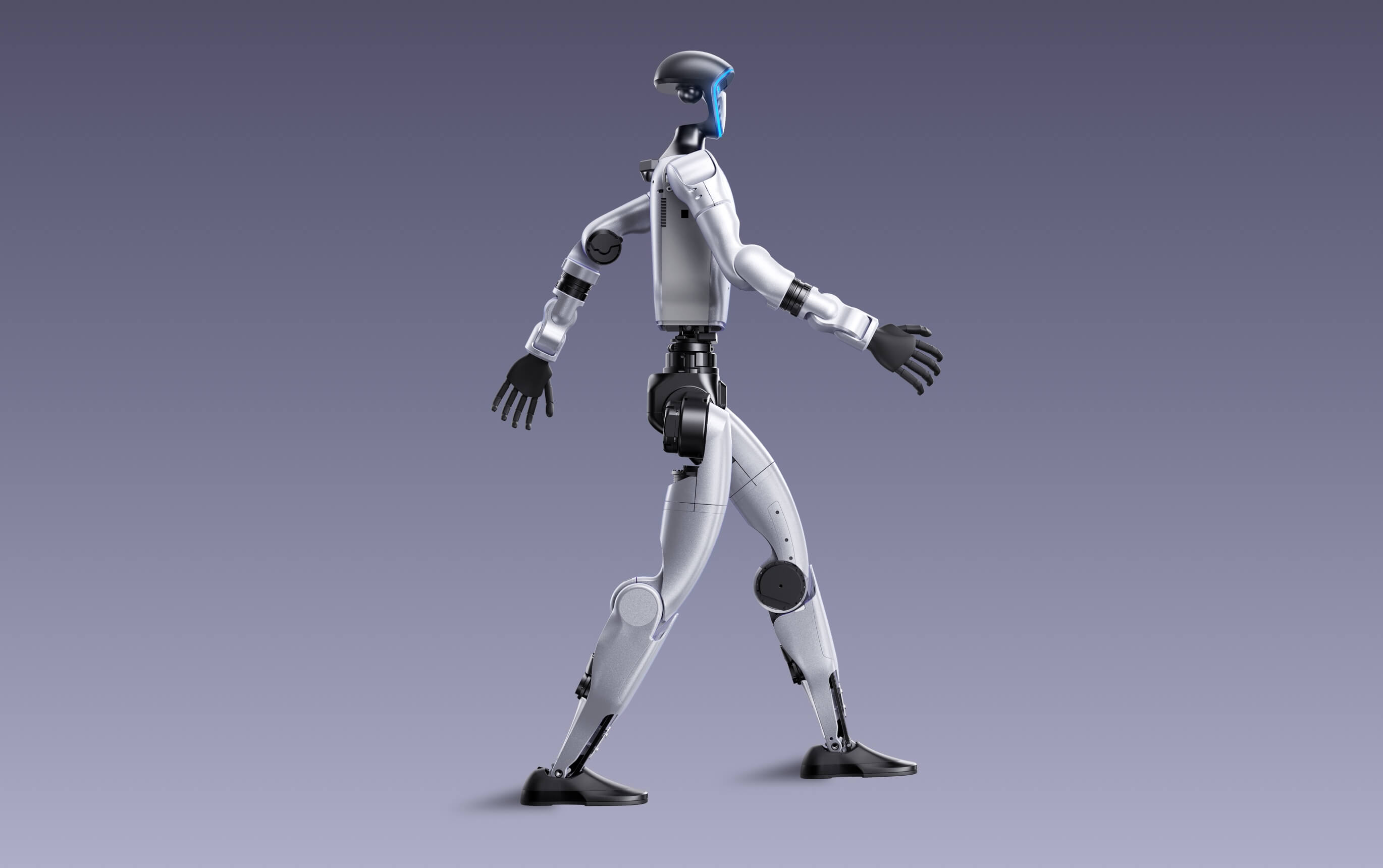
RoboGesture Teaches Humanoid Robots to Gesture While Speaking
Researchers from Peking University and Tsinghua University built RoboGesture, a framework that generates real-time, speech-synchronized gestures for humanoid robots, tested on a Unitree G1 ahead of ECCV 2026.

Humanoid Robot Soccer Just Became the Industry's Most Honest Benchmark
A Tsinghua-led team published a reinforcement learning controller in Science Robotics that fuses vision and motion on Booster T1 humanoids, cutting ball-tracking error 46 percent and reaching a 90 percent kick rate with zero real-world fine-tuning. The platform math underneath matters as much: Booster hardware now carries most of competitive robot soccer, and the training method points at every dynamic task humanoids will face.
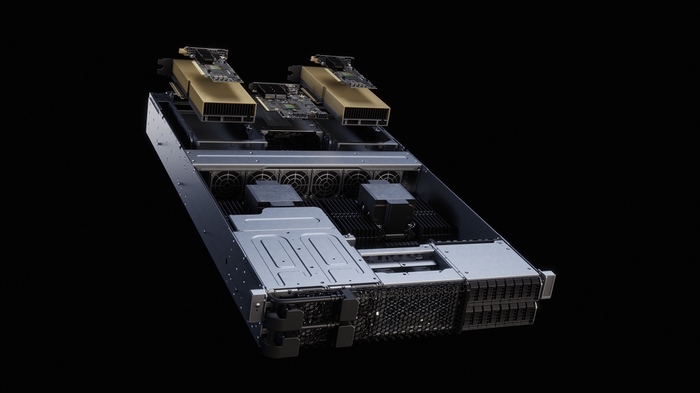
The Next Robotics Bottleneck Is a Power Grid in Johor, Not a Chip Fab
Robot foundation-model training runs on GPU clusters that need real power grids and water permits, and Malaysia's Johor corridor shows that fight is already public, with a fourteen-times gap between reserved and actual data-centre electricity demand.

The Robotaxi Race Has Four Contenders. Grab Backed Three of Them.
While the trade press keeps score between Waymo, Baidu, Pony.ai and WeRide, Grab has quietly hedged across three rival robotaxi makers at once, treating self-driving hardware as a commodity its app decides who gets to sell in Southeast Asia.

Embodied AI's Breakout Product This Year Isn't a Humanoid. It's a US$399 Duck.
Hugging Face and Pollen Robotics' $399 open-source bipedal duck robot, Microduck, sold $2.6 million in 24 hours, a viral moment for accessible, open robotics hardware that has drawn far more attention than this year's expensive humanoid platforms.
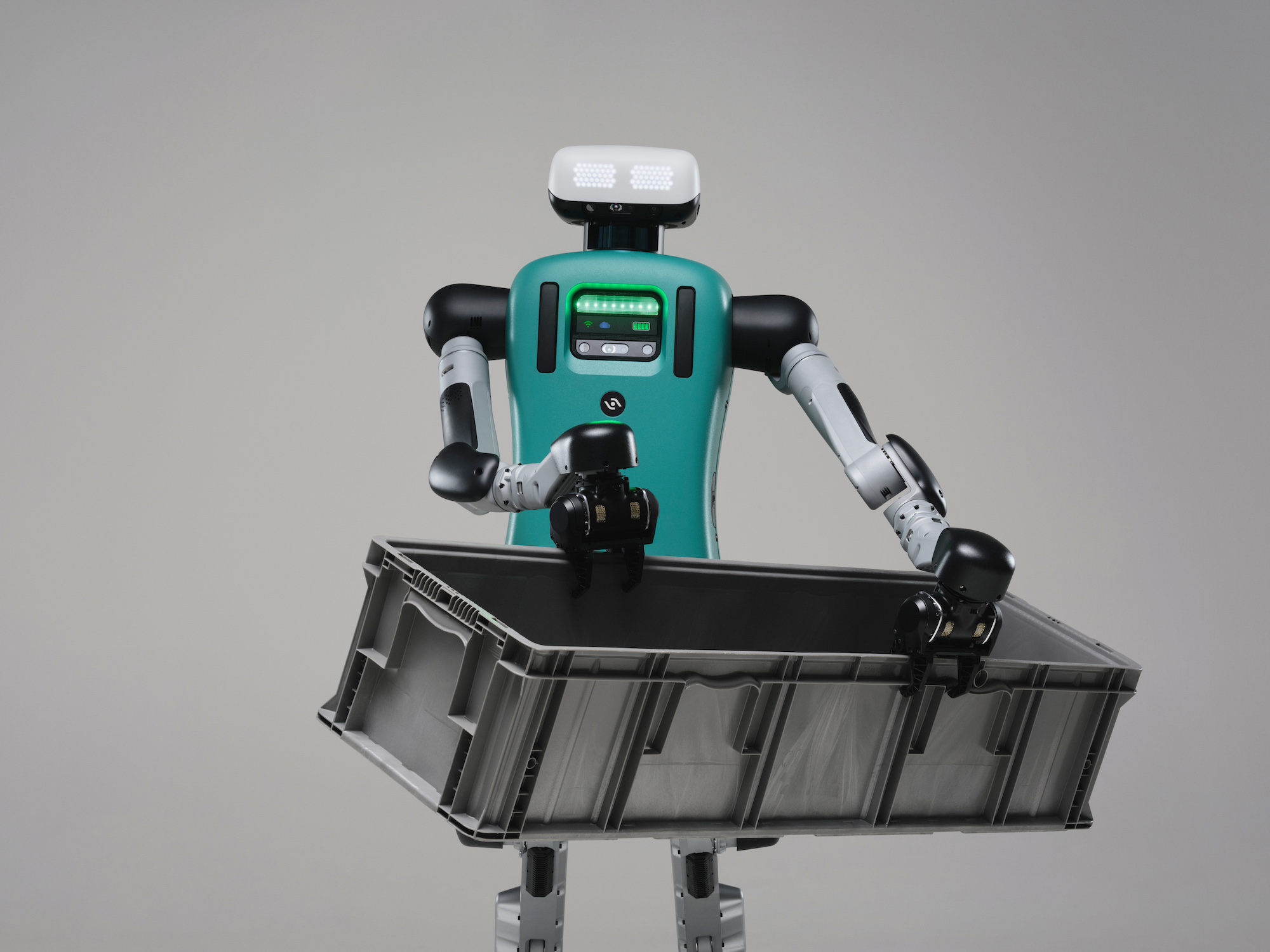
Who Pays When a Robot Hurts Someone? China's Insurers Already Answered.
China's insurers began writing dedicated humanoid robot policies in late 2025 while US carriers filed blanket generative-AI exclusions across commercial liability policies, a quiet but decisive edge in whose robots actually get deployed at commercial scale, with a real gap for buyers in between.
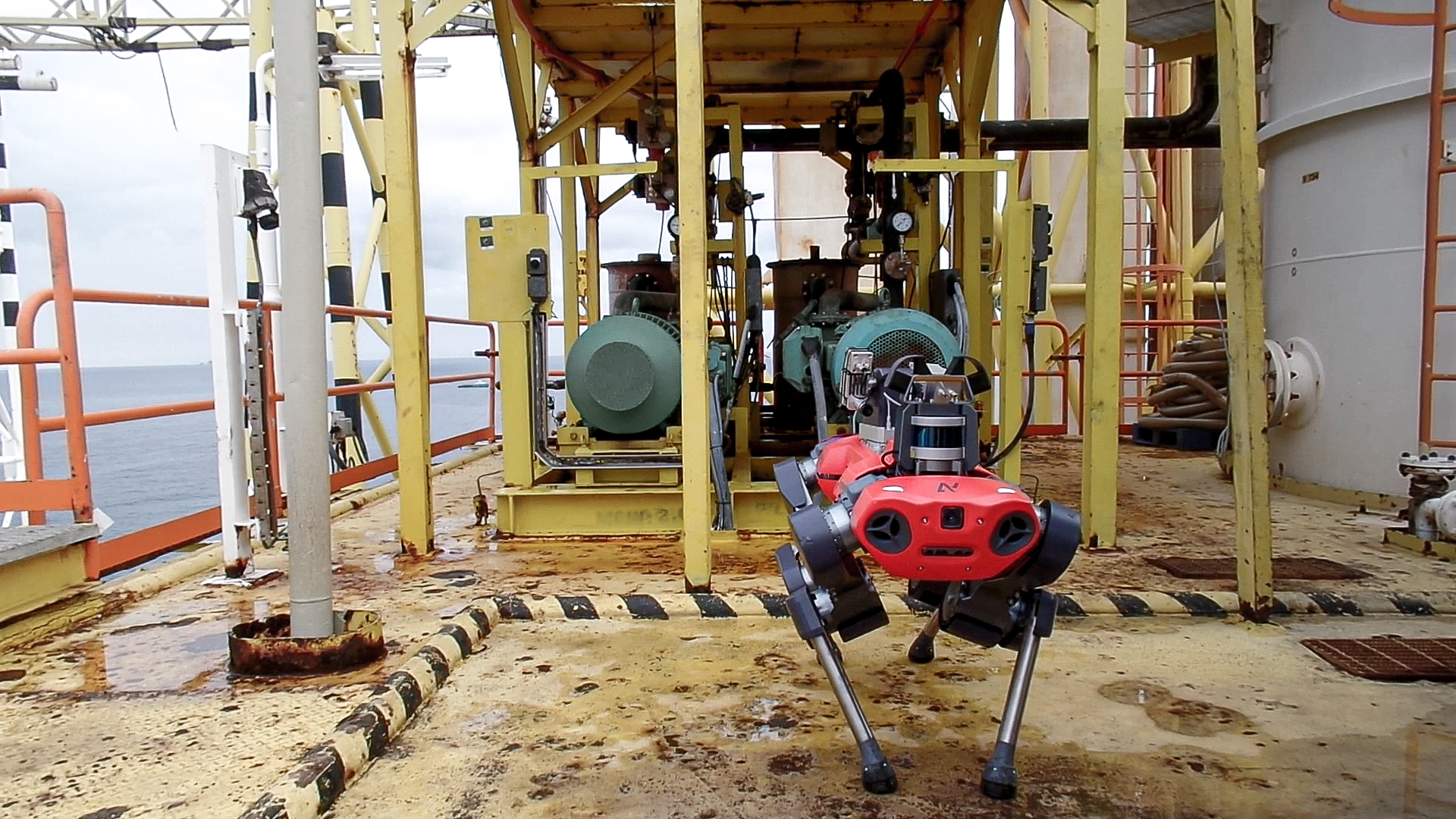
The Real Border in Robotics Isn't AI. It's a Safety Certificate.
Explosion-proof robots from ANYbotics, Boston Dynamics and China's XTRONROBOT are already earning their keep in oil, gas and nuclear facilities, but the real dividing line between them isn't AI capability. It's which national safety certification each robot was built to clear.
The Robot Safety Standard With Exactly One Author
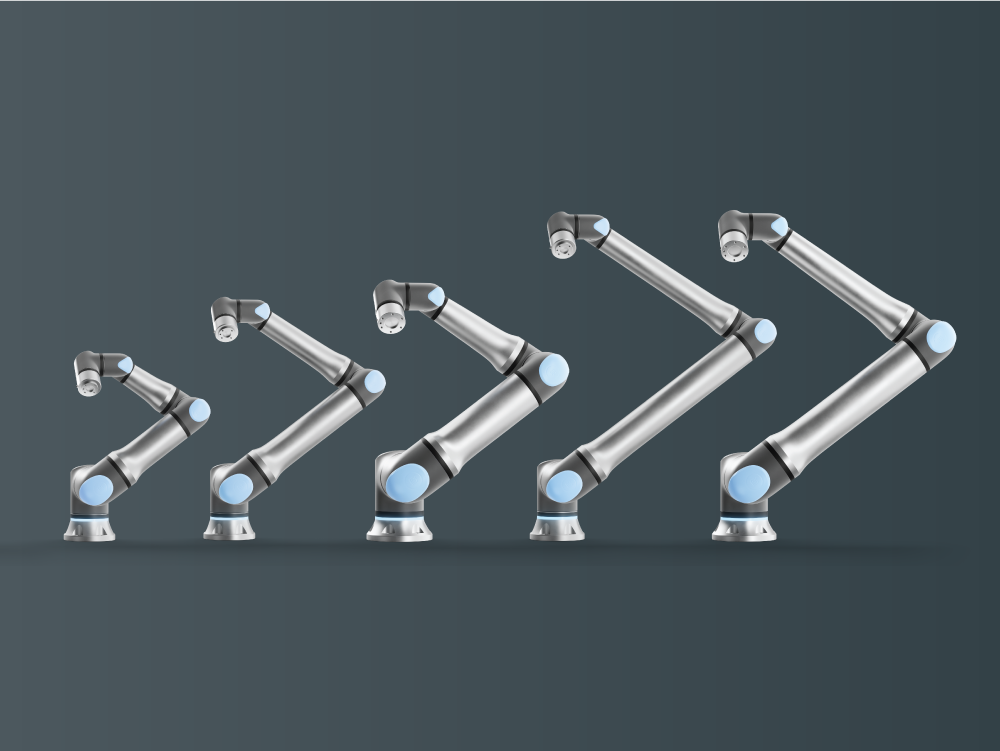
Anthropic's new Model Hardware Standard is being sold as a safety spec for AI-controlled robots, but it launches closed, governed by one company, while the industry's actual functional-safety standard took fifteen years and a multi-stakeholder committee to write.
Nobody Banned JAKA's Robots From Europe. Teradyne's Lawyers Did It Instead.
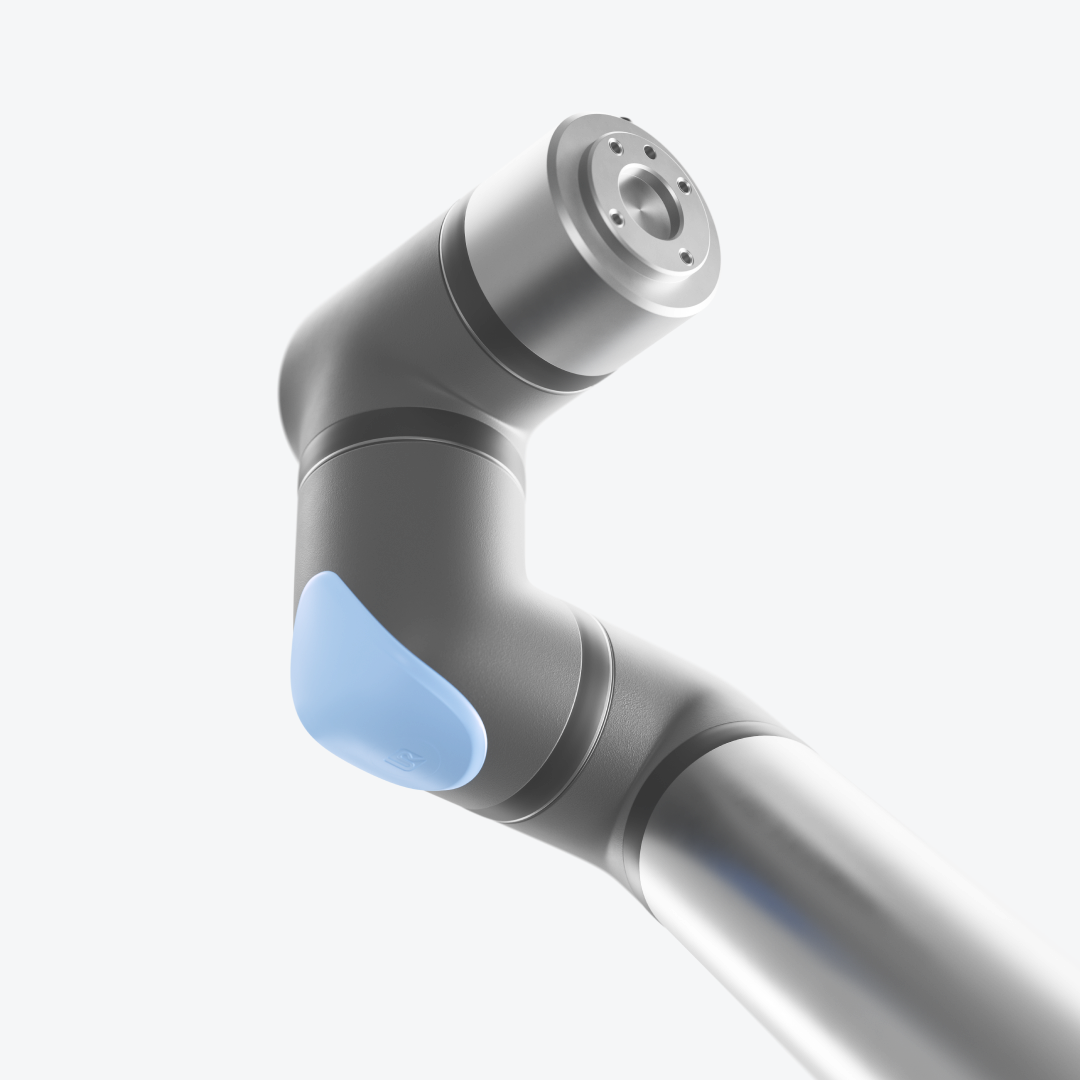
Teradyne's patent suits against JAKA and Elite Robots aren't really a China-versus-West story. They're the oldest pattern in hardware: the disruptor that won a category on price becomes the incumbent defending it with patents, using a three-year-old pan-EU court that could just as easily be turned against it.
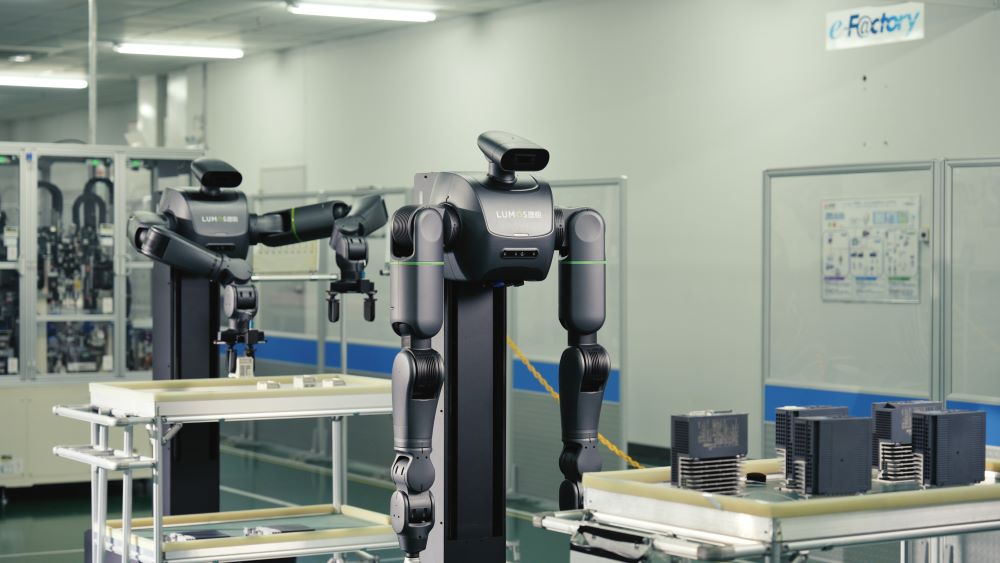
Lumos Robotics Launches MOS2 as 'AI Worker,' Bringing Embodied Intelligence to the Factory Floor
New heavy-duty mobile manipulator already deployed at Mitsubishi Electric's PLC production lines for inspection, material handling and assembly tasks

A Canadian Lab's GPU Simulator Attacks Surgical Robotics' Slowest Bottleneck
A University of Alberta preprint describes CRESSim-Neo, a GPU engine that unifies tissue, fluid, and suture simulation for surgical robot learning, aimed at the data bottleneck slowing automated surgical sub-tasks.