Digital Vocational Classroom with a Voice-Enabled Humanoid Robot opens in Seoul
Hana Financial opened a Seoul classroom where students with developmental disabilities practice work using a humanoid robot, kiosks, and virtual reality. The robot is a prop for skills, not a substitute for a job offer.

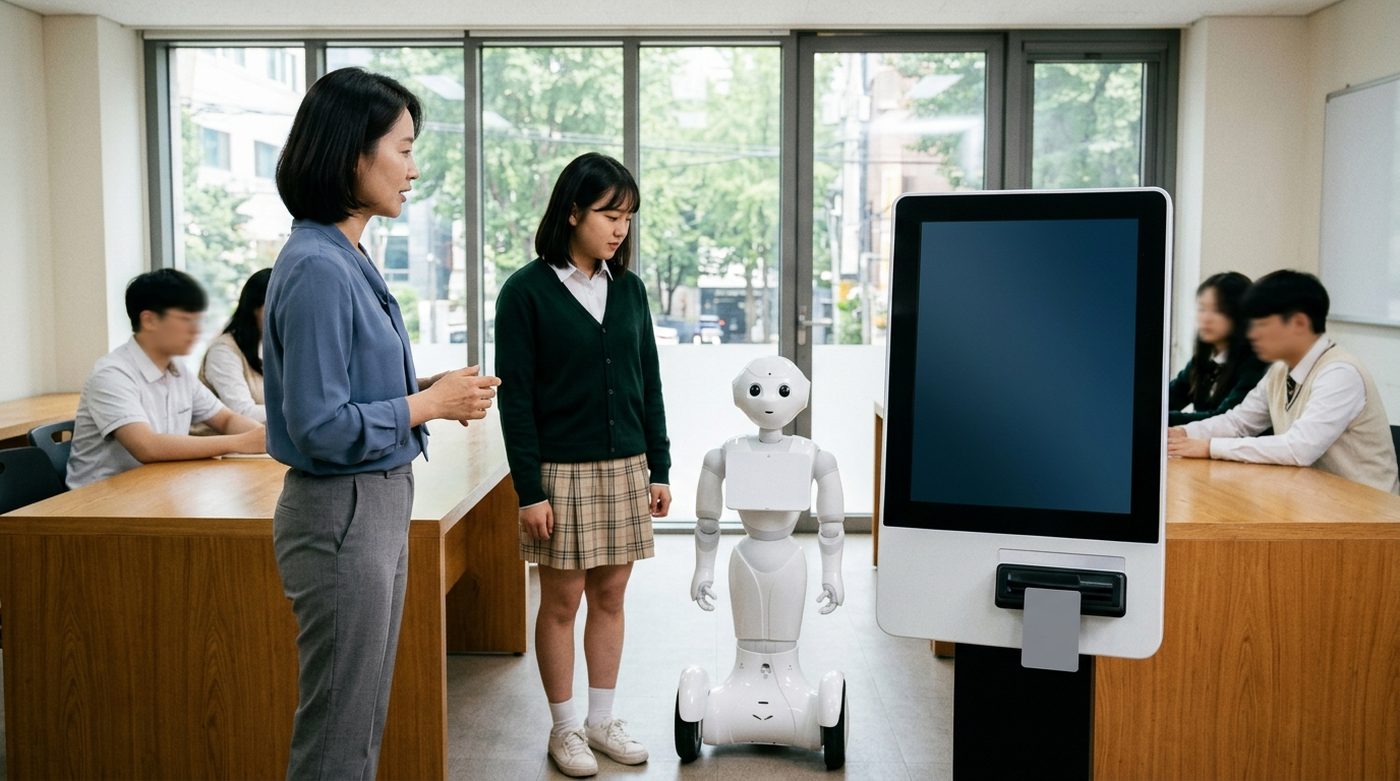
Hana Financial Group opened a digital vocational classroom on Tuesday at Miral School in Gangnam-gu, southern Seoul, for students with developmental disabilities. The room includes a voice-enabled humanoid robot, virtual reality headsets, self-service kiosks, point-of-sale terminals, and interactive whiteboards. Students practice taking orders, processing payments, and serving customers in restaurant and cafe scenarios.
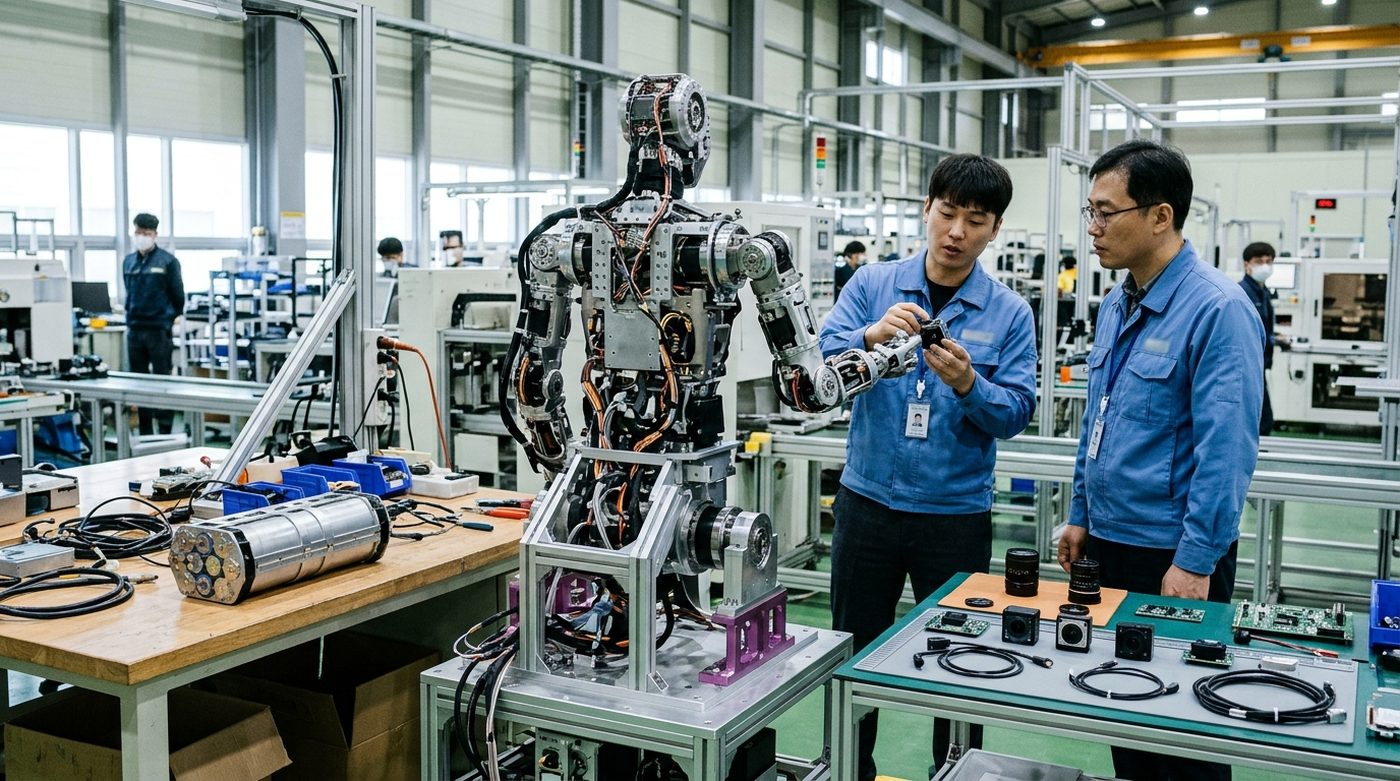
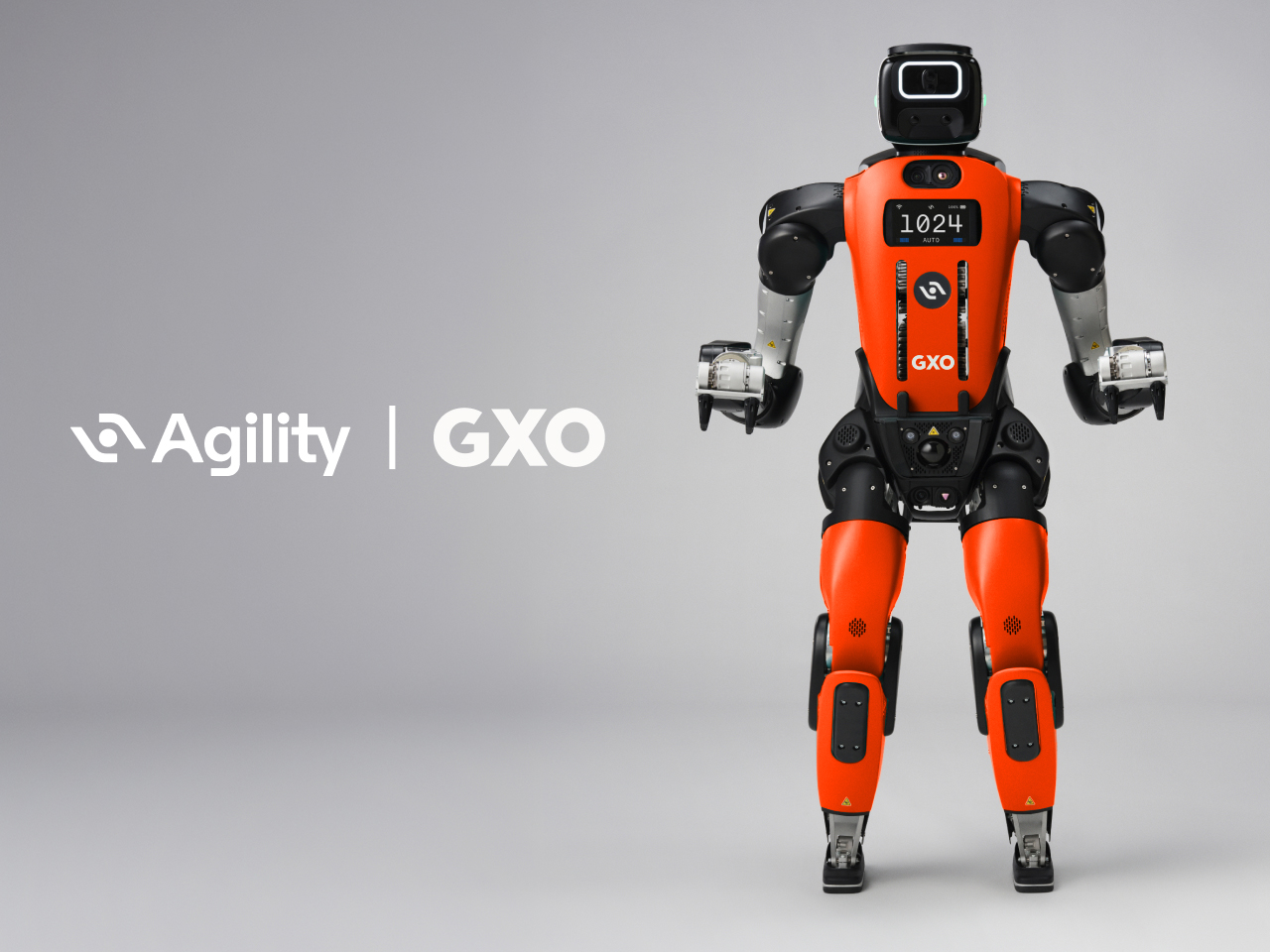
The robot is the most photographed object in the room. It is not the outcome that matters. A student who can complete an order on a kiosk has a transferable skill. A student who has only stood next to a humanoid has a demonstration.
Practice that maps to a shift
The classroom is built as a workplace simulation, not a technology showcase. Order taking, payment, and service are the three tasks named by the company. Those tasks already exist in Korean cafes and quick-service restaurants, which is why a kiosk and a card terminal belong in the room beside the robot. The humanoid gives students a voice partner for the same sequence. Virtual reality extends the practice when a physical counter is occupied.
Three hosts stood for the opening: group chairman Ham Young-joo, foundation executive director Jeong Hyeongseok, and school principal Hong Jae-eun. Ham's hope for the room was practical rather than technical. He wanted students to try more than one kind of work, see what they can do, and leave more sure of a place in ordinary working life. The group plans to open the same kind of room at two more special-education schools, in Incheon and Daejeon, by the first half of 2027. It is also adding career counseling and stress-management sessions for students, and burnout-prevention training for teachers.
The company did not publish the robot's manufacturer, price, degrees of freedom, or uptime. It did not publish a count of students enrolled, a completion rate, or a placement rate into paid work. Those omissions matter. A training room can be well equipped and still fail if nobody tracks whether practice becomes a shift.
Why the robot should stay in a supporting role
Service-robot vendors often sell a humanoid as the worker. Schools and banks that copy that framing will misread this project. The valuable objects in the Gangnam classroom are the ones a graduate will meet on day one of a real job: a kiosk screen, a payment terminal, a spoken request, and a coworker who needs a clear answer. The humanoid is useful only if it rehearses those objects.
Three design choices separate a training tool from a publicity robot.
First, the task must be named and timed. "Take an order and settle the payment" can be scored. "Interact with the robot" cannot. Hana has named the tasks. It has not yet published the score.
Second, the equipment must match the employer's floor. A school that trains only on a custom humanoid interface leaves students stranded at a standard cafe kiosk. Putting the kiosk and the point-of-sale terminal in the same room is the correct choice. Keeping them there, and drilling them more often than the robot, is the harder choice.
Third, expansion should follow placement, not hardware counts. Two more schools by mid-2027 is a reasonable footprint for a pilot. It becomes a program only if those schools can say how many students completed a scenario and how many moved into supervised work. Hana already runs vocational training, equipment support, and employment assistance for people with disabilities. This classroom should be judged as an extension of that record, not as a robotics launch.
A practical test for the next school
Buyers of service robots, including school foundations and corporate social-responsibility teams, can copy the useful part of this room without copying the photo. Specify the job task, buy the same terminal the employer uses, and treat any humanoid as optional speech practice. Ask the vendor for failure rates in a noisy classroom, not for a demo reel.
The 2027 openings in Incheon and Daejeon are the checkpoint. If those rooms publish practice hours, scenario completion, and even a small number of work placements, the Gangnam classroom will have earned its robot. If they publish only another opening ceremony, the humanoid will have done what publicity robots usually do: draw the camera away from the skill.
This analysis synthesizes the company's public account of the classroom opening and the equipment and expansion plans stated with it.
This article is for informational purposes only and does not constitute investment, legal, or purchasing advice. Figures are drawn from company filings and public statements available at publication and may be revised.