Tsinghua Defends RoboCup Humanoid Title as Focus Shifts to AI Software
Tsinghua University's Huoshen Team defended its Humanoid League title at RoboCup 2026 in Incheon, utilizing a commercial Booster T1 platform. The victory highlights a structural shift in robotics competitions: teams are abandoning custom hardware to focus entirely on AI software, perception, and autonomous decision-making.
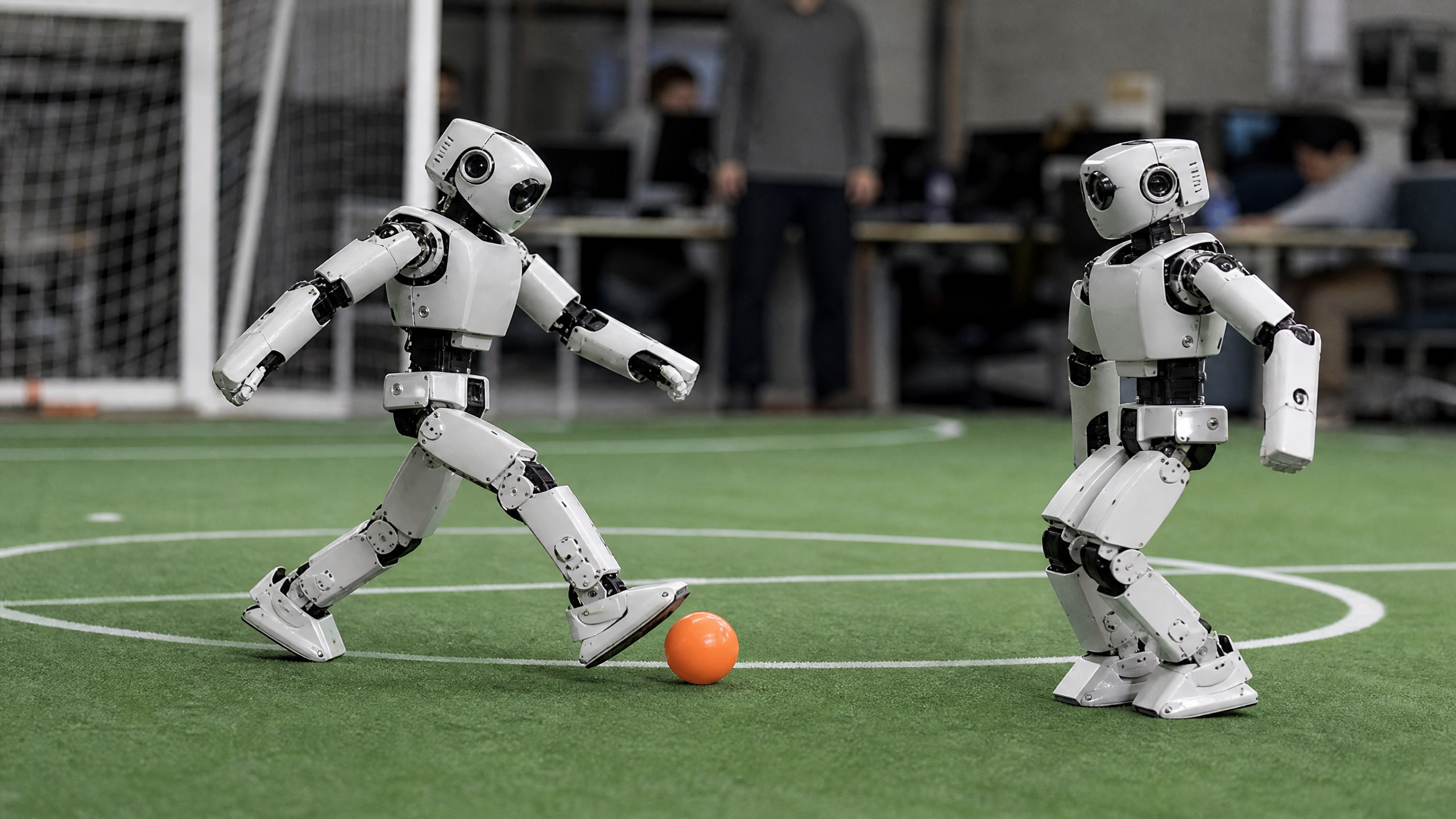
The 2026 RoboCup in Incheon, South Korea, marked the largest edition since the competition's inception in 1997, drawing approximately 3,000 participants from 45 countries and 364 teams [1]. Amidst the scale of the event, Tsinghua University’s Huoshen Team successfully defended its Humanoid League title, a victory that underscores a fundamental transition in robotics development [1]. The real story is not the victory itself, but the structural shift it represents: teams are abandoning custom hardware to focus entirely on AI software, perception, and autonomous decision-making.
Tsinghua University’s Huoshen Team defended its Humanoid League title at RoboCup 2026 using a commercial Booster T1 platform rather than custom hardware. This shift highlights a broader industry trend where standardized hardware is becoming a commodity, and the true differentiator is the intelligence layer.
The Shift from Hardware to Intelligence
The Huoshen Team secured its victory using the commercial Booster T1 platform from Beijing-based Booster Robotics, rather than a custom-built machine [1]. This decision reflects a broader structural shift within the Humanoid Soccer League, which now mandates fully autonomous play [1]. Robots must handle perception, ball tracking, coordination, and planning without human control [1]. Consequently, teams are abandoning the resource-intensive process of building custom hardware. Instead, they are purchasing standardized commercial platforms and redirecting their engineering efforts entirely toward AI software, vision systems, decision-making algorithms, and multi-robot collaboration [1].
The transition away from bespoke mechanical engineering toward software-defined capabilities is not merely an academic exercise. It mirrors the exact trajectory of the commercial robotics sector. For years, the barrier to entry in humanoid robotics was the sheer complexity of building a functional bipedal platform. Teams spent the majority of their time and resources simply trying to make a robot walk without falling over. Now, with the availability of reliable, off-the-shelf platforms like the Booster T1, the baseline has been elevated. The focus has shifted from basic locomotion to complex, autonomous behavior in dynamic, unpredictable environments.
This shift is critical for operations leaders and procurement managers to understand. The value proposition of a humanoid robot is no longer tied to its physical construction, but rather to the sophistication of its "brain." The ability to perceive the environment, make real-time decisions, and coordinate with other robots is what will in the end determine the utility of these systems in real-world applications, from manufacturing floors to logistics hubs.
Simulation Accelerates Autonomous Capabilities
This pivot toward software is accelerating the development of autonomous capabilities. Simulation-based training is becoming the primary method for refining these systems before physical deployment. The goal of RoboCup remains ambitious: to field a team of fully autonomous humanoid robots capable of defeating the human FIFA World Cup champions by 2050 [2]. While current systems still experience falls and require assistance to stand, the rapid iteration enabled by simulation and standardized hardware is closing the performance gap [1].
Simulation allows developers to train AI models in virtual environments, running thousands of iterations in a fraction of the time it would take in the physical world. This approach is essential for developing the robust perception and decision-making algorithms required for autonomous operation. By decoupling software development from hardware limitations, teams can iterate faster and push the boundaries of what is possible.
The reliance on simulation also highlights the growing importance of data in robotics development. As AI models become more complex, they require vast amounts of training data to learn how to work through and interact with the physical world. This data-driven approach is transforming the robotics industry, creating new opportunities for companies that specialize in data collection, annotation, and simulation software.
The Commercial Reality of Standardized Platforms
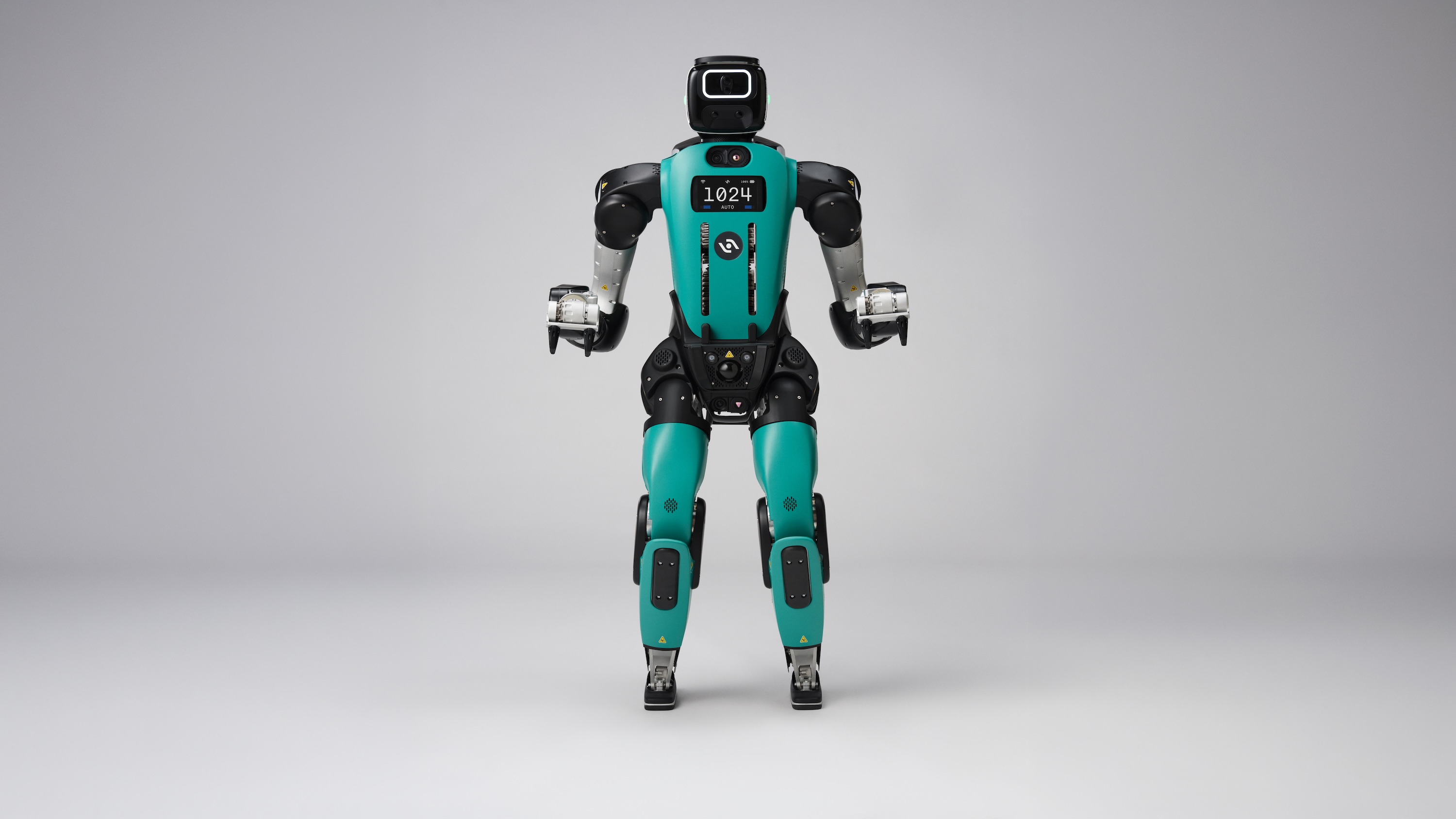
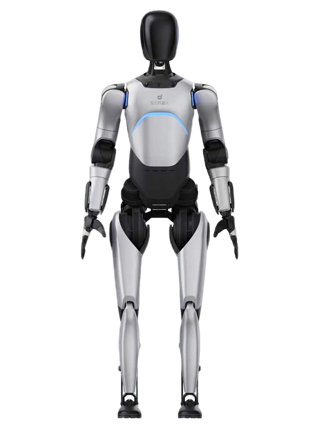
The adoption of commercial platforms like the Booster T1, which competes with systems like the $16,000 Unitree G1 and offerings from Korea's Robotis, signals a maturation of the humanoid hardware market [1]. Hardware is increasingly viewed as a commodity layer. The true differentiator, and the primary focus of research and development, is the intelligence layer that dictates how the robot interacts with its environment. The Booster T1, along with its kid-sized counterpart, the Booster K1, represents a growing ecosystem of accessible hardware that allows researchers and developers to bypass mechanical engineering challenges and focus directly on artificial intelligence [1].
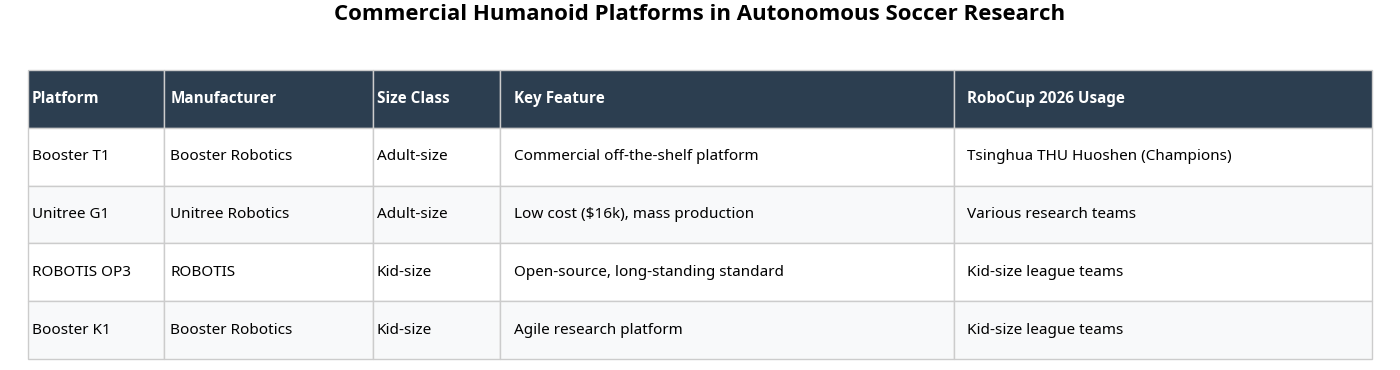
However, it also requires a shift in how organizations evaluate and procure robotic systems. Traditional metrics like payload capacity and battery life are no longer sufficient. Buyers must now assess the quality of the AI software, the robustness of the perception systems, and the platform's ability to learn and adapt over time. This requires a deeper understanding of artificial intelligence and machine learning, as well as a willingness to invest in software updates and ongoing training.
The Hard Truth: Limitations of Current Systems
Despite the rapid progress in AI software and simulation, current humanoid systems still face significant limitations. As observed at RoboCup 2026, robots still experience falls and require human assistance to stand back up [1]. The transition from simulation to the physical world, often referred to as the "sim-to-real gap", remains a major challenge. Algorithms that perform flawlessly in a virtual environment often struggle when confronted with the unpredictability and noise of the real world.
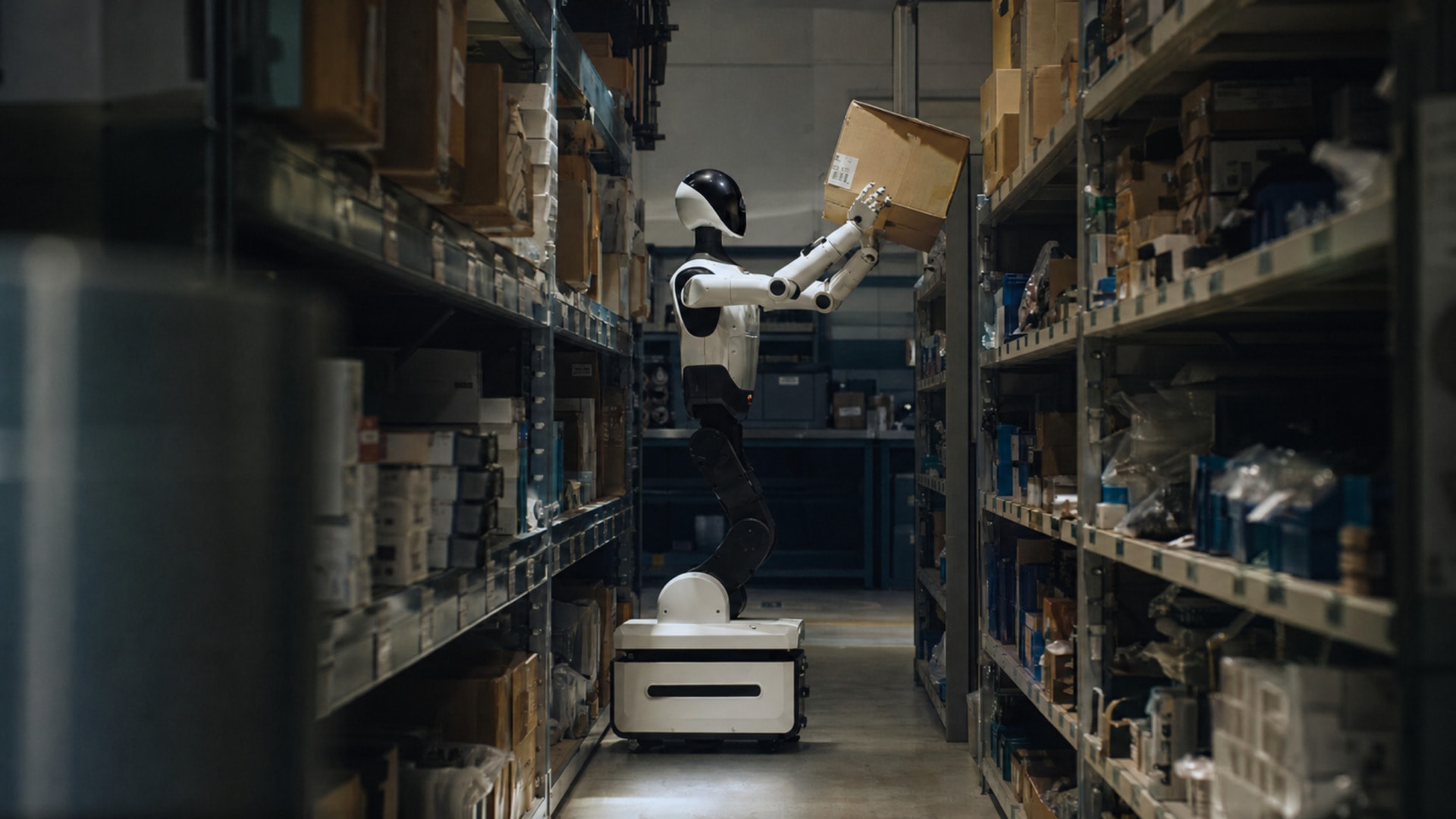
In addition, the fully autonomous capabilities demonstrated at RoboCup are still largely confined to highly structured environments. While a soccer field is dynamic, it is also bounded and governed by a strict set of rules. Deploying humanoid robots in unstructured, real-world environments, such as a busy warehouse or a construction site, presents a much higher level of complexity. The perception systems must be able to identify and track a wide variety of objects, work through around unpredictable obstacles, and interact safely with human workers.
These limitations underscore the fact that humanoid robots are not yet ready for widespread commercial deployment in unstructured environments. While the hardware is becoming more accessible and the software is improving rapidly, there is still a significant gap between the current state of the art and the vision of fully autonomous, general-purpose humanoid robots.
Procurement Implications for Operations Leaders
For procurement teams and operations leaders evaluating humanoid platforms, the developments at RoboCup 2026 offer a clear signal. The value of a robotic system is increasingly defined by its software architecture and its ability to operate autonomously in dynamic environments. When assessing vendors, the focus must shift from mechanical specifications to the robustness of the AI software, the quality of the perception systems, and the platform's capacity for simulation-based learning and updates. Standardized hardware lowers the barrier to entry, but the intelligence layer determines operational success. The sponsorship of the 2026 Humanoid Challenge by KB Financial Group further underscores the growing commercial interest and investment in these autonomous capabilities [1].
Operations leaders must also consider the total cost of ownership, which now includes not just the initial hardware purchase, but also ongoing software subscriptions, data management, and integration costs. The shift toward software-defined robotics means that the relationship with the vendor will be more akin to a software-as-a-service (SaaS) model, requiring ongoing collaboration and support.
In addition, organizations must invest in the internal capabilities required to manage and deploy these systems. This includes hiring personnel with expertise in artificial intelligence, machine learning, and robotics integration. The successful deployment of humanoid robots will require a multidisciplinary approach, bringing together expertise from engineering, IT, and operations.
The Bigger Signal
The transition observed at RoboCup 2026 mirrors the trajectory of the broader industrial automation market. As hardware platforms become standardized and more affordable, the competitive battleground moves to software and artificial intelligence. This shift will likely accelerate the deployment of humanoid robots in commercial settings, as the focus narrows to solving specific operational challenges through advanced perception and autonomous decision-making. The emergence of events like the Beijing RoBoLeague, which featured the first 3v3 autonomous soccer matches, indicates that the push for fully autonomous, multi-robot coordination is gaining momentum beyond traditional academic competitions [1].
The implications of this shift extend far beyond the robotics industry. As humanoid robots become more capable and affordable, they have the potential to transform a wide range of sectors, from manufacturing and logistics to healthcare and hospitality. The ability to automate complex, physical tasks will drive significant gains in productivity and efficiency, while also creating new challenges related to workforce displacement and safety.
For organizations looking to stay ahead of the curve, the message is clear: the future of robotics is software-defined. The winners in this new era will be those who can harness the power of artificial intelligence to create intelligent, adaptable, and autonomous systems. The hardware is just the beginning; the real value lies in the intelligence layer.
References:
1. Interesting Engineering, "China humanoid robots robocup soccer," July 6, 2026. URL: https://interestingengineering.com/ai-robotics/china-humanoid-robots-robocup-socce
2. Global Times, "RoboCup 2026," July 6, 2026. URL: https://www.globaltimes.cn/page/202607/1365191.shtml