Singapore's dConstruct Raises $125M to Scale GPS-Denied Robot Autonomy
dConstruct Technologies raised $125 million in Series A funding as the standout company from Singapore's RoboNexus robotics accelerator, using its d.ASH platform to power robots in GPS-denied environments.


What Happened: dConstruct's $125 Million Leap
dConstruct's raise is the largest single outcome to emerge from RoboNexus's first cohort, which also produced cleaning-robot maker LionsBot and aerial robotics spin-off Spinoff Robotics. The National Robotics Program said graduates from the cohort have already expanded into markets across Asia, Europe, the United States, and the Middle East — evidence, program organizers argue, that government-backed venture-building can compress the usual timeline between prototype and paying customer. dConstruct's client roster already includes Boustead Projects, Singapore's Defence Science and Technology Agency, JRE Ventures (East Japan Railway Company Group), transit operator SBS Transit, and SoftBank Robotics Singapore — a customer list that spans defense, transport, and construction rather than a single vertical.
Inside the Technology: d.ASH and GPS-Denied Autonomy
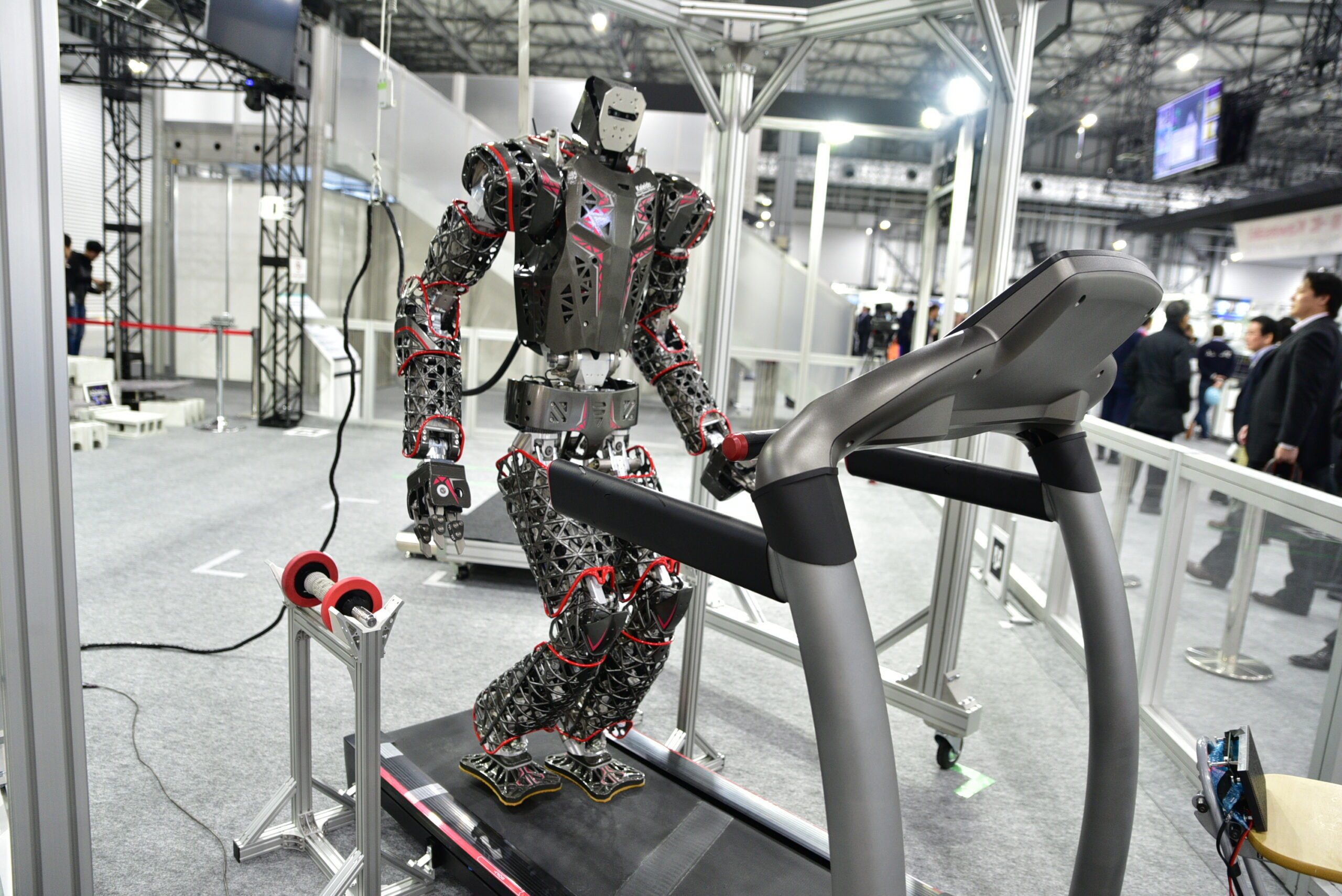
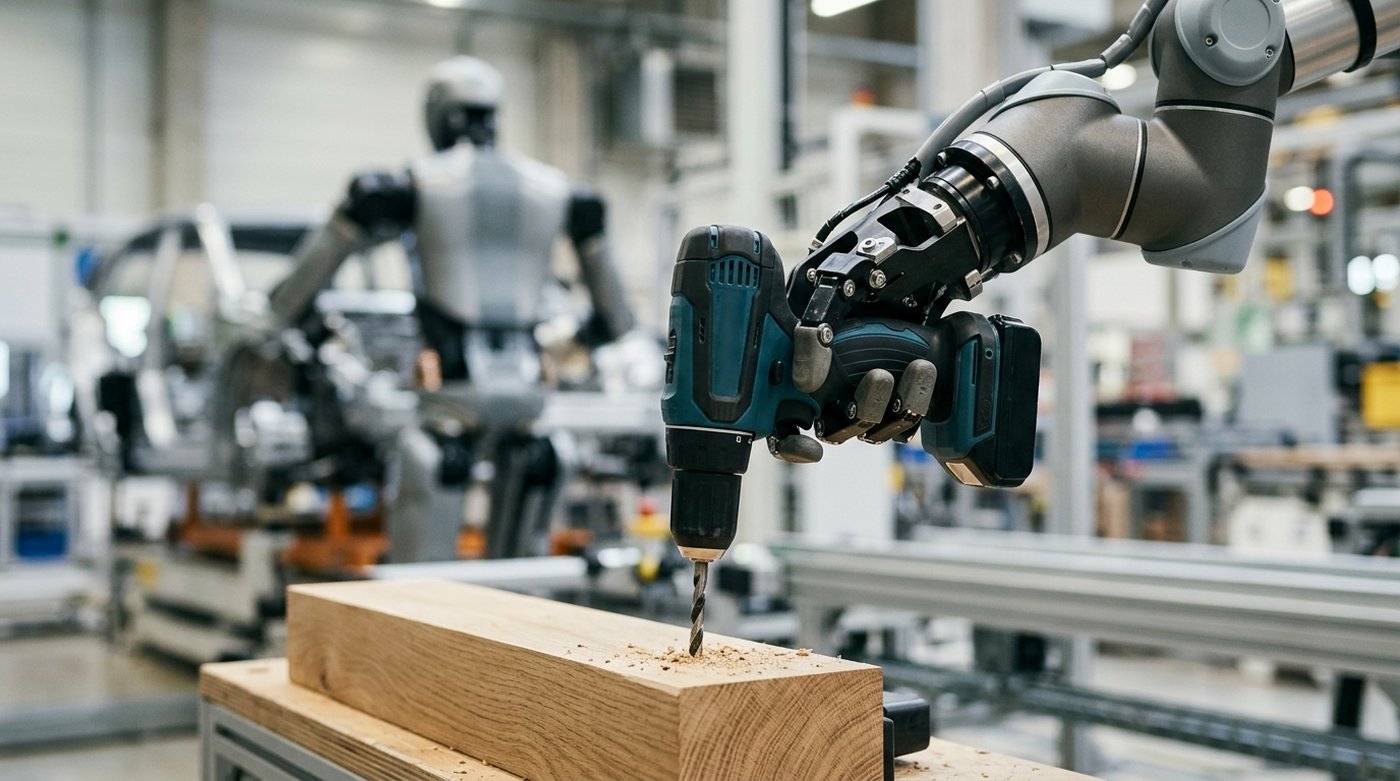
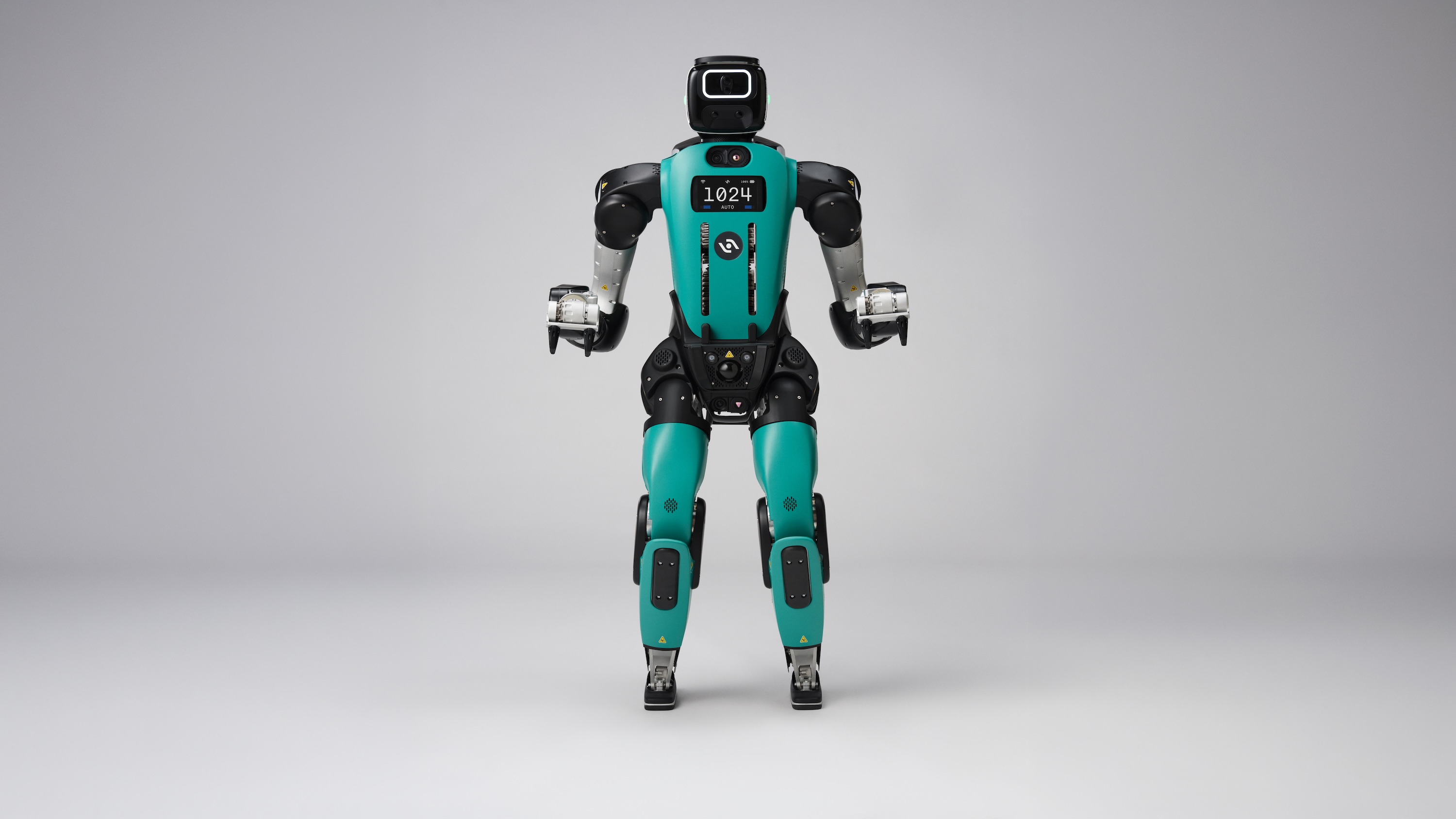
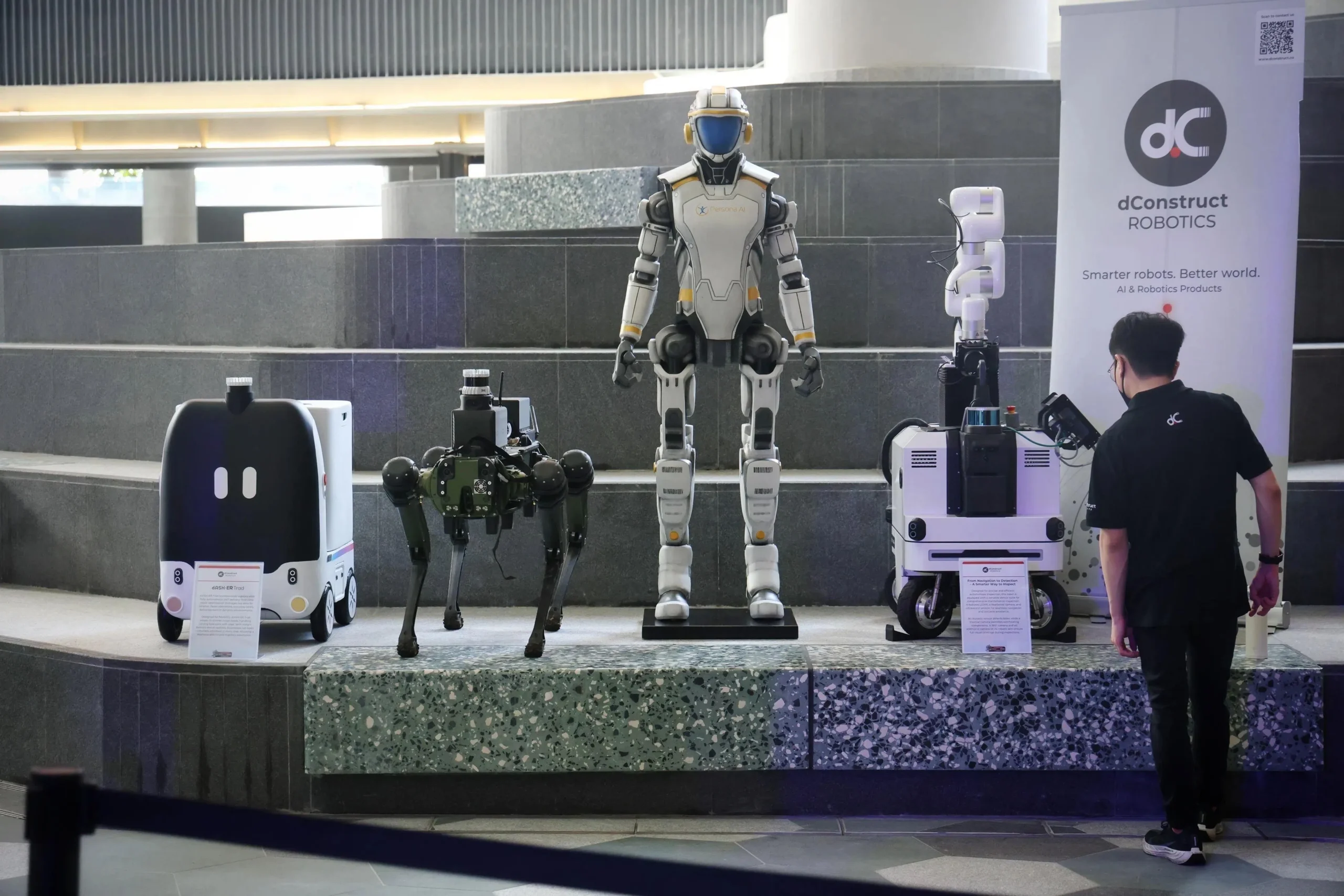
The capability underpinning the raise is d.ASH, dConstruct's proprietary software suite that fuses 3D scanning with autonomous navigation to let robots operate in complex, GPS-denied environments — tunnels, basements, dense urban sites, and industrial interiors where satellite positioning fails. The platform is designed to run across wheeled, quadruped, and humanoid form factors, and dConstruct is backing that ambition with infrastructure: a new 42,000-square-metre headquarters at Punggol Digital District, called dC Plus, due for completion by the end of 2026, with dedicated testing environments for all three robot categories. That is a meaningfully broader technical bet than most reality-capture startups make, which typically lock themselves into a single robot chassis.
This milestone reflects the confidence in our vision to build the next generation of reality capture and robot automation solutions from Singapore to the world.
Chinn Lim, dConstruct's CEO, credited RoboNexus with providing the industry partnerships and deployment opportunities that accelerated the company's path from pilot projects to signed enterprise contracts — a distinction worth noting, since GPS-denied autonomy has historically stayed stuck in defense and research pilots rather than reaching security, inspection, and logistics customers at scale.
Singapore's Robotics Push Gains Global Traction
The other two RoboNexus graduates tell a similar story of translating Singapore R&D into international revenue. LionsBot now operates in more than 40 countries, with subsidiaries in Dallas, Amsterdam, and Chennai, and has deployed over 6,000 cleaning robots worldwide; a partnership with European facility-management group WISAG helped bring its R5 cleaning robot to market in April 2026. Spinoff Robotics, which commercializes tethered aerial robotics for cleaning and inspection of hard-to-reach infrastructure, exited via acquisition by ASX-listed Nanoveu Limited, gaining access to capital and international distribution while retaining room to expand its licensed SUTD drone platform into non-tethered applications.
Taken together, the three outcomes give Singapore's National Robotics Program its clearest proof point yet that a small, resource-constrained country can compete on physical AI not by out-funding the US or China, but by pairing university research (SUTD's drone IP, for instance) with fast-track industry access. Applications for RoboNexus's next cohort, focused on manufacturing, aviation, and maritime robotics, are expected to open in March 2027.
Questions and Answers
Q: What exactly did dConstruct Technologies announce?
A: A $125 million Series A funding round, announced July 3, 2026, as the flagship result of RoboNexus accelerator's first cohort under Singapore's National Robotics Program.
Q: What makes dConstruct's technology technically distinct?
A: Its d.ASH suite combines 3D scanning with autonomous navigation so robots can operate in GPS-denied environments, and it is built to run across wheeled, quadruped, and humanoid robot platforms rather than one chassis type.
Q: Who are dConstruct's customers?
A: Boustead Projects, Singapore's Defence Science and Technology Agency, JRE Ventures (East Japan Railway Company Group), SBS Transit, and SoftBank Robotics Singapore.
Q: What happened to the other RoboNexus cohort companies?
A: LionsBot expanded to 40-plus countries with over 6,000 robots deployed, and Spinoff Robotics was acquired by Australia's Nanoveu Limited after commercializing tethered aerial robotics.
Q: When does RoboNexus open its next cohort?
A: Applications are expected to open in March 2027, with a focus on manufacturing, aviation, and maritime robotics.
Source: TNGlobal (technode.global) — published July 3, 2026.