Robot City Explained: Why Pudu Robotics Just Deployed a Physical AI Fleet Across Davos
A ten year old commercial robotics company from Shenzhen has turned one of Europe's most famous alpine towns into a living laboratory for physical AI. Pudu Robotics deployed a coordinated fleet of service robots across multiple public venues in Davos, Switzerland, during the Davos Tech Summit 2026. The company is building what it calls "Robot City," a full stack system combining proprietary foundation models, multi scenario hardware, and cloud based fleet management designed to integrate robots seamlessly into human public spaces. This article explains what physical AI fleets are, why they represent the next major leap in commercial automation, how Pudu's approach differs from global competitors like SoftBank Robotics, and what this European deployment signals for the broader embodied AI ecosystem.
What Is Physical AI Fleet and the Development
For the past several years, service robotics progress has been defined by single purpose machines operating in isolated environments. A restaurant might buy a robot to carry dishes, or a supermarket might buy a robot to scrub floors. But they share a fundamental limitation: they operate as standalone tools, not as an integrated intelligent system. A cleaning robot knows how to avoid a shelf, but it has no internal representation of the broader facility's operational flow.
A physical AI fleet represents a paradigm shift from "Single Task" to "Multi Scenario Intelligence." Instead of deploying one robot to do one job, a physical AI fleet deploys multiple specialized robots that share a common software backbone. In essence, it is an operating system for public spaces. It is an AI network that can coordinate a delivery robot navigating a hotel elevator while simultaneously managing an outdoor sweeper in the plaza, all while sharing environmental data to improve performance.
The urgency behind physical AI fleets in 2026 stems from two converging pressures. First, the hospitality and retail sectors across Europe and Asia have hit a demographic wall. Finding human workers willing to perform repetitive cleaning and delivery tasks is becoming increasingly difficult and expensive. Second, the commercial robotics industry has realized that scaling requires interoperability. Deploying a robot requires enormous volumes of real world interaction data to handle edge cases safely. Physical AI fleets offer a solution: train a shared foundation model across thousands of deployed units, allowing every robot in the fleet to learn from the experiences of the others.
Where Physical AI Fleets Are Already Being Used
The most mature application for coordinated robot fleets is the modern hospital. Facilities have successfully deployed fleets of autonomous mobile robots to transport linens, medications, and meals, significantly reducing the physical strain on nursing staff. The efficiency gain is substantial, as centralized fleet management systems optimize routing and ensure critical supplies arrive exactly when needed.
However, the central challenge in 2026 is moving these fleets out of highly controlled environments like hospitals and into chaotic public spaces. Unlike a hospital corridor, a supermarket or a hotel lobby is filled with unpredictable human movement. Leading commercial robotics companies including Keenon and Gausium are integrating advanced vision models into their fleets to solve this. Pudu's deployment in Davos, which includes indoor cleaners, outdoor sweepers, and elevator integrated delivery robots, is a public demonstration of how these fleets can manage the complexity of everyday civic life.
Pudu Robotics: The Veteran With a Multi-Scenario Thesis
Founding Story
Zhang Tao founded Pudu Robotics in Shenzhen in 2016. His early work focused on solving the immediate pain points of the restaurant industry with simple, reliable food delivery robots. Over the past decade, Pudu has grown into a global powerhouse, deploying over 130,000 units across eighty five countries. Today, overseas markets account for more than eighty percent of the company's revenue. With over 1,800 patents filed, Pudu has transitioned from a hardware manufacturer to a physical AI software company.
The Davos Event
In early July 2026, during the Davos Tech Summit themed "Touching Intelligence," Pudu executed its Robot City vision. Rather than keeping its robots confined to an exhibition booth, Pudu deployed them into the actual infrastructure of the town. The deployment spanned three distinct locations with four different robot models.
At the local SPAR supermarket, the CC1 Pro cleaning robot utilized its rear AI camera to perform targeted re cleaning of heavily trafficked aisles. At the Hilton Garden Inn, the FlashBot Max and BellaBot Pro demonstrated seamless elevator integration, navigating multiple floors to deliver amenities to guest rooms. Outdoors, at the Davos Platz railway station, the MT1 Max sweeper utilized its IP54 weather resistance to maintain the public plaza despite the unpredictable alpine rain. This deployment followed closely on the heels of Pudu's June agreement with Swiss retailer Denner to deploy two hundred CC1 cleaning robots across its stores.
Technical Architecture: The Pudu Foundation Model
Zhang Tao's core thesis is that a hardware platform alone is insufficient. Delivering reliable service robots requires an entire system of perception, decision making, and fleet coordination. Pudu's system is built on two proprietary software pillars.
The first is the PuduFM foundation model, a specialized AI trained specifically on the massive dataset generated by Pudu's 130,000 deployed units. This model allows the robots to understand complex spatial relationships and predict human movement in crowded spaces. The second is PuduAgent, the deployment software that allows these robots to interface with existing building infrastructure, such as calling elevators or opening automatic doors. The company claims that by aligning their hardware with this shared AI backbone, they can achieve deployment success rates that standalone robots cannot match.
Global Competitive Landscape
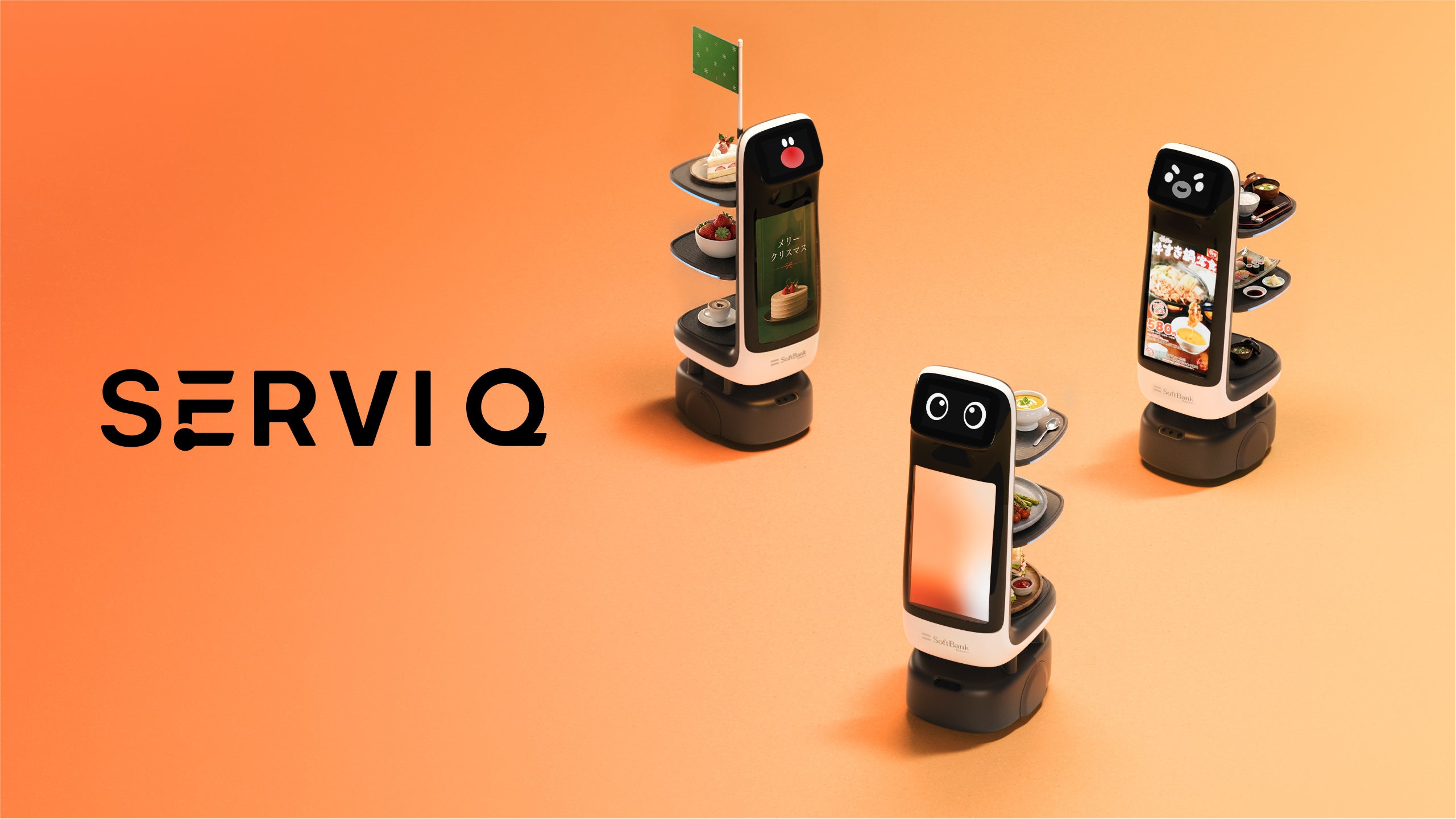
The commercial service robot space in 2026 is fiercely competitive. To understand Pudu's position, it helps to map the field. At the top tier are global incumbents like SoftBank Robotics, which has long dominated the hospitality sector with platforms like Pepper and Whiz. SoftBank relies heavily on its massive brand recognition and deep enterprise relationships.
In China, Pudu competes directly with companies like Keenon in the delivery space and Gausium in the cleaning space. Pudu's strategy is to outflank these competitors by offering a unified, multi scenario fleet. By providing a complete ecosystem of cleaners, deliverers, and outdoor sweepers all running on the same software backbone, Pudu reduces the integration burden on facility managers who would otherwise have to manage multiple incompatible robot brands.
What This Means for Robotics Adoption
The deployment of a physical AI fleet across a European city proves that Chinese commercial robotics have moved beyond simple export hardware. They are now exporting civic infrastructure. Just as global cities rely on standardized traffic management systems, they will increasingly rely on standardized physical AI fleets to maintain public spaces. Pudu's success in Switzerland demonstrates that the market is ready to trust these fleets in the most demanding, high visibility environments.
The Simple Explanation
Imagine a team of superhero helpers in your town. Instead of having one helper who only knows how to sweep, and another who only knows how to carry boxes, all the helpers can talk to each other using a special radio. If the sweeping helper sees a spill, it can tell the cleaning helper exactly where to go. Pudu Robotics brought a team of these smart helpers to a town in Switzerland to show how they can keep the supermarket clean, deliver towels in the hotel, and sweep the train station all at the same time.
The Industry Reality
Some critics argue that public spaces are too chaotic for autonomous fleets, suggesting that robots will constantly get stuck or require human rescue. However, Pudu's specific focus on the PuduFM foundation model, backed by data from 130,000 deployed units, proves they possess the training data to handle edge cases. Startups may try to build cheaper individual robots, but they lack Pudu's decade of real world interaction data and proven elevator integration software. The race will be decided by who can manage the complexity of the entire building, not just a single hallway.
Strategic Perspective
"Deploying a coordinated physical AI fleet across multiple public venues in Davos demonstrates that European civic and retail infrastructure is actively embracing Chinese commercial robotics. Companies that can provide a unified, multi scenario operating system will capture the facility management market before single purpose hardware vendors can adapt."
Sources:
1. PR Newswire: Pudu Robotics Davos Deployment (July 3, 2026)
2. European Retail News: Denner Robot Integration (June 2026)
Disclaimer: This article is for informational purposes only and does not constitute investment advice. The information presented is based on publicly available sources and may not reflect the most current developments. Readers should conduct their own research before making any investment or business decisions.