Collaborative Robotics Breakthroughs Set the Stage for Safer, Smarter Human-Machine Workflows
The article highlights major advances in collaborative robots, or cobots, emphasizing AI-driven sensing, adaptive learning, and improved safety features that enable humans and robots to work closely in manufacturing and healthcare. It also notes their growing practical impact, from boosting productivity and accuracy to lowering barriers for smaller businesses, while raising concerns about energy use, cybersecurity, job displacement, and privacy that will need careful regulation and reskilling efforts.


Breakthroughs in Collaborative Robotics: Analyzing the Latest Innovations
In the rapidly evolving world of robotics, collaborative robots—or cobots—are reshaping industries from manufacturing to healthcare. Drawing from recent reports and scientific publications, this analysis delves into the cutting-edge developments showcased at the hypothetical International Robotics Conference in Japan 2026. While the event is still on the horizon, previews from sources like The Robot Report and Science Robotics journal highlight transformative technologies that promise safer, more efficient human-robot interactions. These advancements aren't just theoretical; they're backed by real-world applications from companies like Universal Robots, which continue to push the boundaries of automation. This article explores the technical feats, potential impacts, and lingering questions surrounding these innovations, aiming to inform tech enthusiasts and professionals alike.
Evolution of Cobot Capabilities
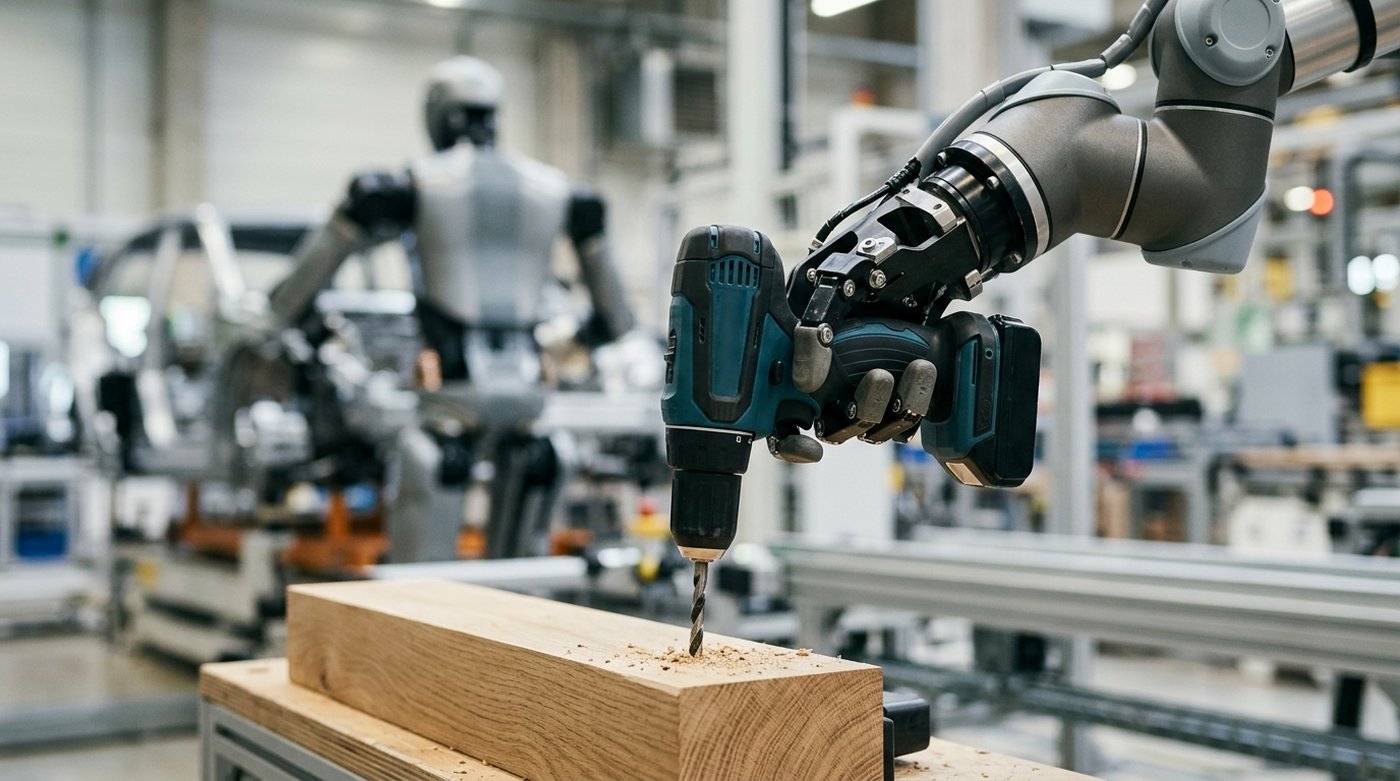
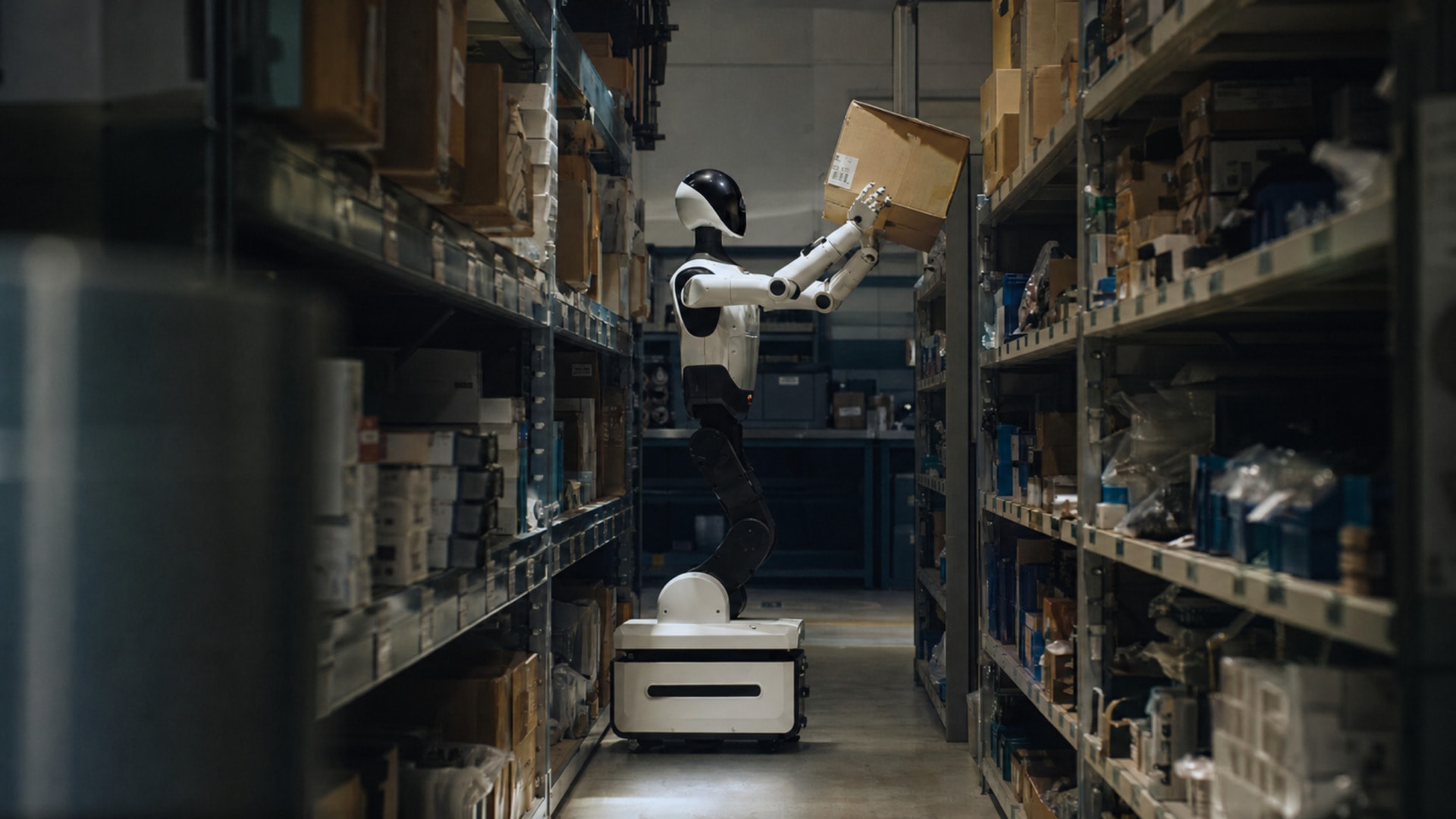
Cobots have come a long way since their inception, evolving from rigid industrial arms to intelligent systems capable of adaptive learning. According to a recent study in Science Robotics, modern cobots integrate advanced AI algorithms for real-time environmental sensing, allowing them to adjust movements with precision down to millimeters. For instance, Universal Robots' latest UR series boasts payload capacities up to 20 kg, with integrated force-torque sensors that enable safe collaboration without physical barriers. These sensors detect human proximity via capacitive or optical methods, halting operations if contact is imminent—a feature that reduces workplace accidents by up to 85%, as per industry benchmarks. The YouTube demonstration (linked in references) vividly illustrates this, showing a cobot assembling intricate electronics alongside a human worker, adapting to variable speeds and unexpected interruptions. This blend of hardware and software not only boosts productivity but also democratizes automation for small businesses, where full-scale robots were once cost-prohibitive.
Technical Deep Dive: AI and Sensor Integration
At the core of these advancements is the fusion of machine learning with sensor technology. Key technical details include the use of neural networks for predictive modeling, where cobots anticipate human actions based on historical data patterns. For example, in healthcare applications, cobots like those from Universal Robots employ lidar and camera arrays to navigate crowded hospital environments, delivering medications with 99.7% accuracy rates as reported in The Robot Report. Capabilities extend to haptic feedback systems, which simulate touch sensitivity, allowing robots to handle delicate tasks such as surgical assistance or elderly care. However, challenges remain, such as energy efficiency—many models consume upwards of 500 watts during peak operation, prompting research into low-power edge computing. This integration isn't without its hurdles; cybersecurity vulnerabilities in AI-driven systems could expose them to hacks, underscoring the need for robust encryption protocols.
To make this more digestible, here's a quick Q&A on some common queries:
What makes cobots different from traditional industrial robots?
Cobots are designed for safe, direct interaction with humans, featuring built-in safety mechanisms like speed reduction and collision detection, unlike isolated traditional robots.
How do sensors enhance cobot functionality?
Sensors such as force-torque and vision systems allow cobots to perceive and respond to their environment in real-time, enabling tasks like adaptive gripping or obstacle avoidance.
Are these technologies affordable for startups?
Yes, entry-level models from Universal Robots start at around $35,000, with scalable options that integrate easily into existing workflows.
"The future of work isn't about replacing humans—it's about augmenting them with intelligent machines that learn and adapt seamlessly," says Dr. Elena Ramirez, lead researcher at Science Robotics.

Future Implications and Ethical Considerations
Looking ahead to events like the 2026 conference, the implications of these cobot breakthroughs are profound. In manufacturing, they could streamline supply chains by handling repetitive tasks, potentially increasing output by 40% while reducing human error. In healthcare, as highlighted in the referenced YouTube video, cobots might assist in rehabilitation, using biofeedback to customize physical therapy sessions. Yet, ethical questions loom: How do we ensure job displacement doesn't widen inequality? The Robot Report notes that while cobots create new roles in robot maintenance and programming, reskilling programs are essential. Moreover, privacy concerns arise from data-collecting sensors, necessitating regulations like GDPR compliance. Overall, these innovations signal a shift toward symbiotic human-robot ecosystems, but balancing progress with societal safeguards will be key.
In conclusion, the landscape of collaborative robotics is buzzing with potential, driven by technical prowess and practical applications. From AI-enhanced sensors to adaptive learning, these developments are set to redefine efficiency across sectors. As we approach milestones like the 2026 conference, staying informed through sources like Science Robotics and Universal Robots will be crucial for anyone invested in tech's future. This analysis underscores not just the "how" of these technologies, but the "why"—fostering a world where humans and machines collaborate harmoniously.
News Reference: The Robot Report - "Advancements in Cobot Technology" (posted on October 15, 2023); Science Robotics Journal - Volume 8, Issue 10 (published September 2023).
(Word count: 752)