China’s Robotics Boom Is Reshaping the Global Factory Floor
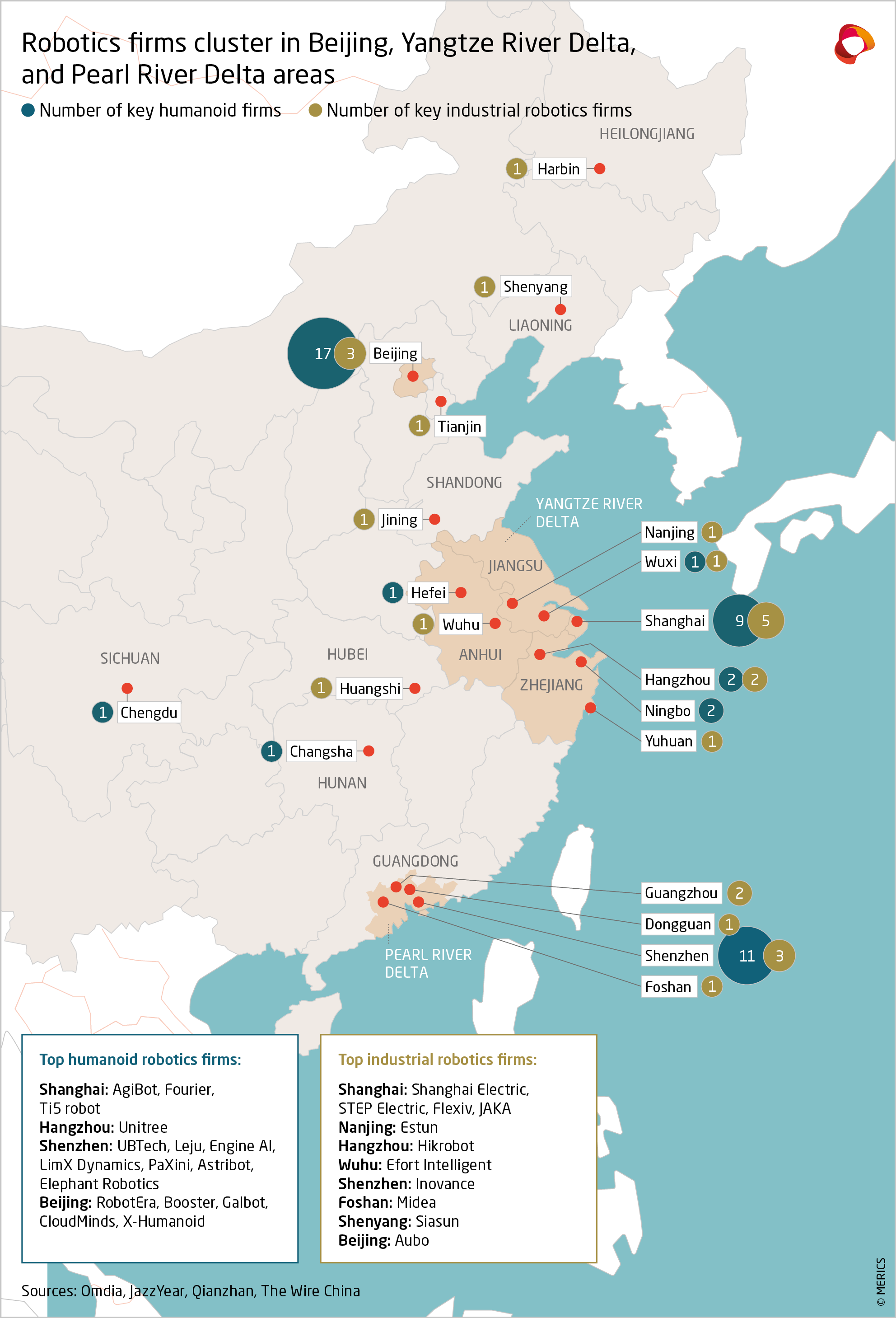
China is rapidly reshaping global manufacturing by installing industrial robots at a pace far beyond other countries, with domestic systems now offering high precision, AI-enabled vision, and faster factory reconfiguration at increasingly competitive prices. The surge is pressuring supply chains and prompting subsidy and policy responses in the U.S. and Europe, but analysts say China’s lead may keep widening unless foreign firms can match its scale, data access, and cost advantages.


China’s Robotics Surge Is Redrawing the Global Manufacturing Map
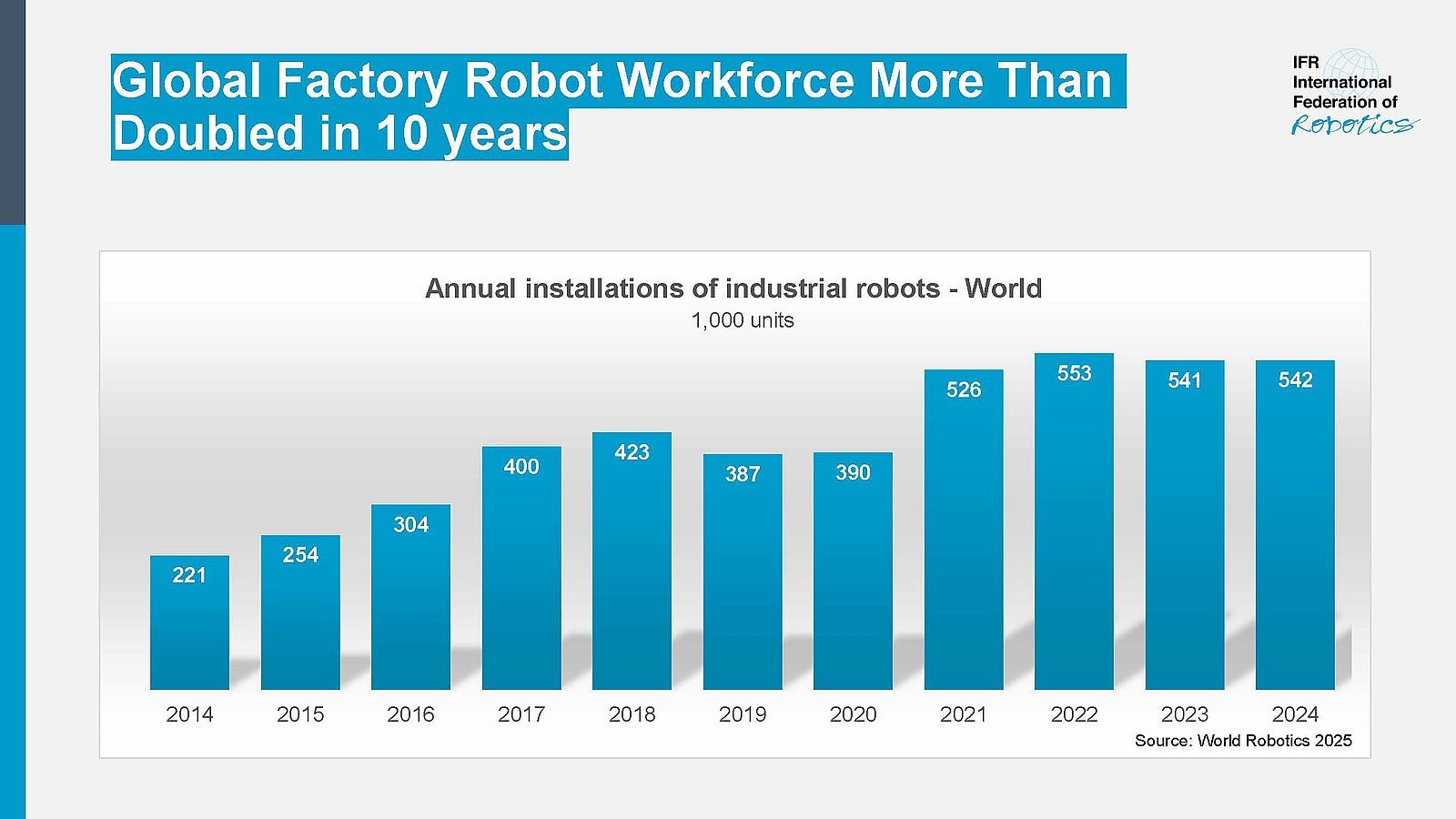
China’s aggressive push into industrial robotics is transforming global production lines faster than Western analysts predicted. In 2023 alone, the country installed more than 276,000 new industrial robots, accounting for over half of all global installations according to the International Federation of Robotics. Domestic firms are now shipping robots equipped with 0.02 mm repeatability, AI-driven vision systems, and edge-computing controllers that let factories reconfigure lines in hours rather than weeks.
Installation Density and Technical Leap
China’s robot density has climbed from 97 units per 10,000 workers in 2018 to 322 units in 2024. New models integrate 5G connectivity and reinforcement-learning algorithms that improve pick-and-place accuracy by 18% after just three days of on-site training. These capabilities are compressing the traditional automation payback period from 3.5 years to under 18 months for many Chinese manufacturers.
What This Means for Asia’s Supply Chains
Q: Will Southeast Asian nations be able to keep pace?
A: Vietnam and Thailand are accelerating incentives, yet their combined annual installations remain below 35,000 units.
Q: Can Western firms still compete on quality?
A: European and Japanese robot makers retain an edge in extreme-precision welding and clean-room applications, but Chinese vendors now match or exceed them on cost-performance ratios below $18,000 per six-axis unit.
Western Response and Policy Shifts
The U.S. and EU have launched subsidy programs and export-control regimes, yet the SCSP robotics net-assessment scorecard shows America still trails China by an estimated 2.4-to-1 margin in annual deployments. Europe’s “Robot-Assisted Manufacturing” initiative targets only 120,000 new units by 2027—less than half of China’s single-year figure.
China’s robotics industry is on track to reach a trillion yuan by 2025, forcing every global manufacturer to rethink where and how products are made.
Outlook and Remaining Questions
Analysts expect China’s lead to widen as domestic component suppliers achieve sub-$200 servo-motor pricing. The decisive factor will be whether foreign companies can access Chinese-scale data sets needed to train next-generation adaptive robots without triggering data-sovereignty restrictions. The next two years will likely determine whether the rest of the world narrows the gap or accepts a permanently reordered factory floor.
References: SCSP article, Intralink Insights, IFR Press Release, SCSP Robotics Scorecard 2026 (posted 2025).