

About
NASA (National Aeronautics and Space Administration) is the US government agency responsible for civilian space exploration, aeronautics research, and space science.
Robotics Media & Highlights
Featured Robotics Video
No featured robotics video yet
There's no video yet
No featured robotics video is linked to this company.
Robotics Snapshot
No primary robotics focus listed.
Related News
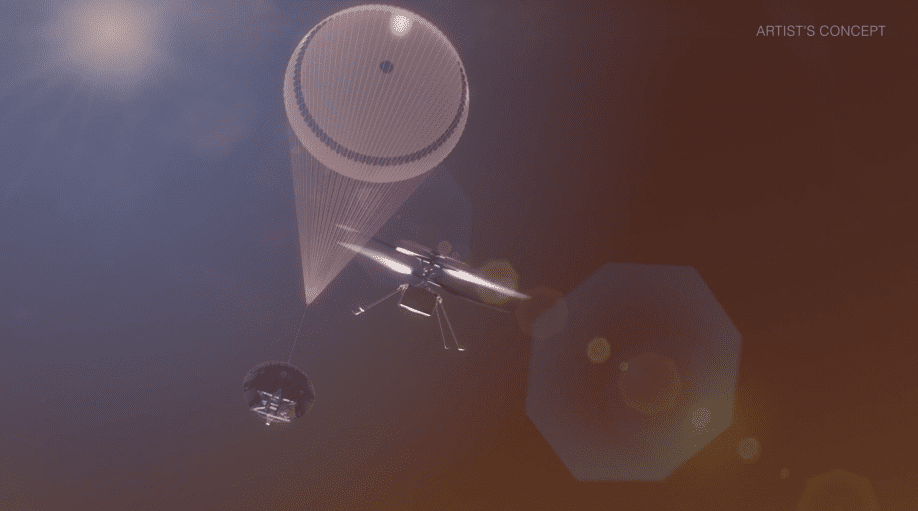
AeroVironment Wins NASA Contract to Build Three Autonomous Mars Helicopters
AeroVironment's MacCready Works team will co-design and co-manufacture three autonomous helicopters for NASA's SkyFall mission, moving a 2025 Mars-flight concept into a funded program targeting a November 2028 launch.
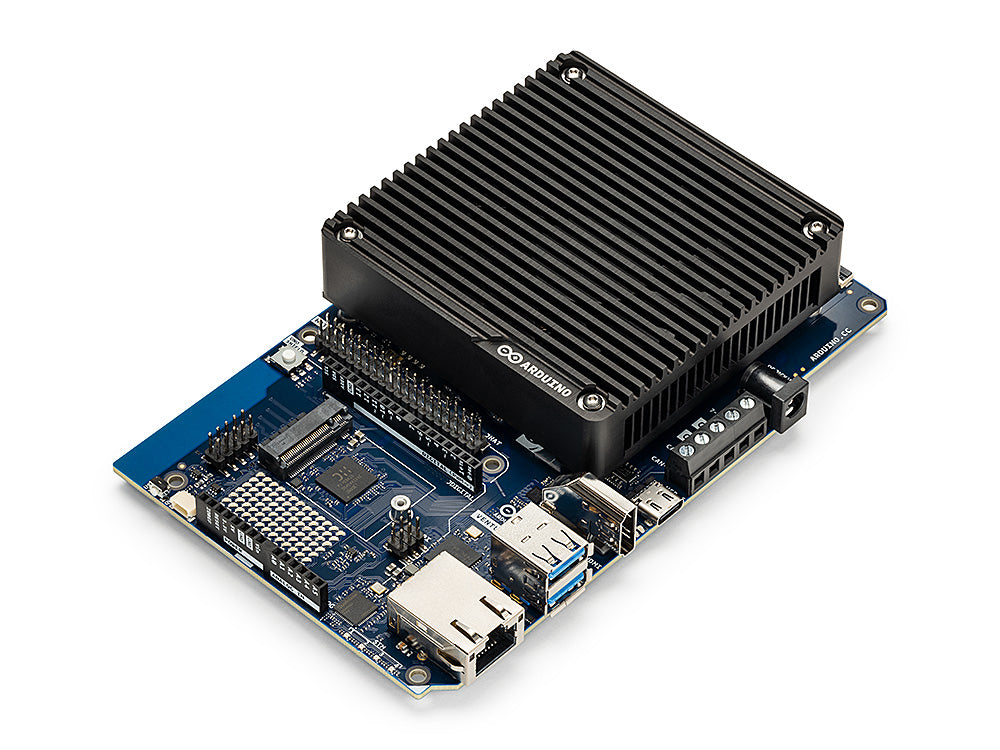
Qualcomm Buys PickNik, Pledges to Keep MoveIt Open Source
Qualcomm Technologies has agreed to acquire PickNik Inc., steward of the open-source MoveIt manipulation framework for ROS, and plans to integrate it with its Dragonwing robotics platforms starting with the Arduino VENTUNO Q board.
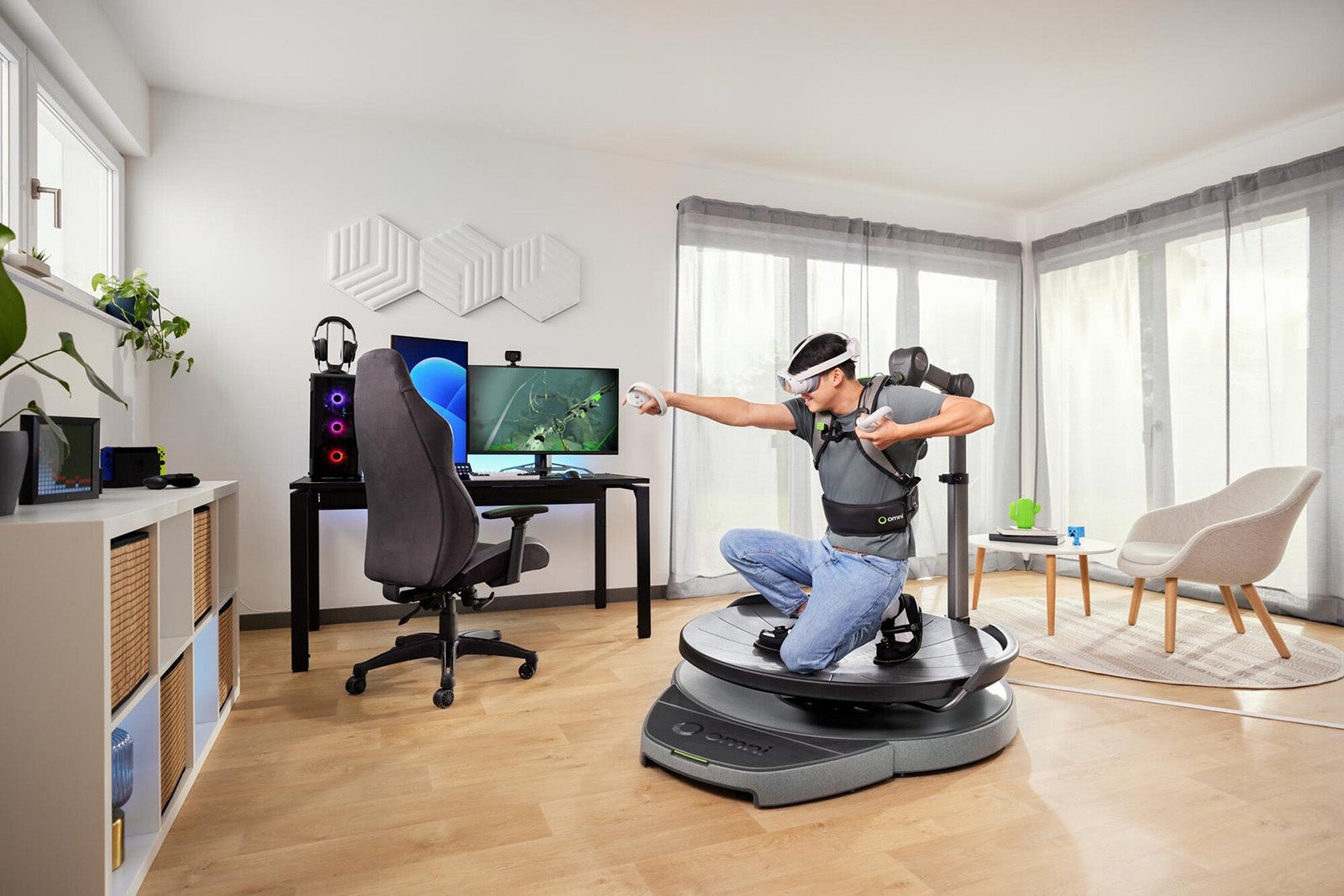
Tesla Just Bought a VR Treadmill for Optimus and It Quietly Explains How Humanoids Learn to Walk
Virtuix disclosed Tesla’s Optimus division bought its first Omni One Enterprise omnidirectional treadmill, positioned for whole-body humanoid teleoperation. Deliberately conservative framing: one unit, seller-disclosed, pilot reading; broker chatter about a Tesla Optimus app excluded. Significance: locomotion training data is becoming a procurement category.
Related Articles

Japan's New ISS Robot Contest Isn't New, and Japan Isn't on the Podium
Japan is framing a new AI robot contest on the ISS as fresh national strategy, but a nearly identical JAXA-NASA competition has run for six years, and a Philippine state university has out-scored Japan's own entrants twice.
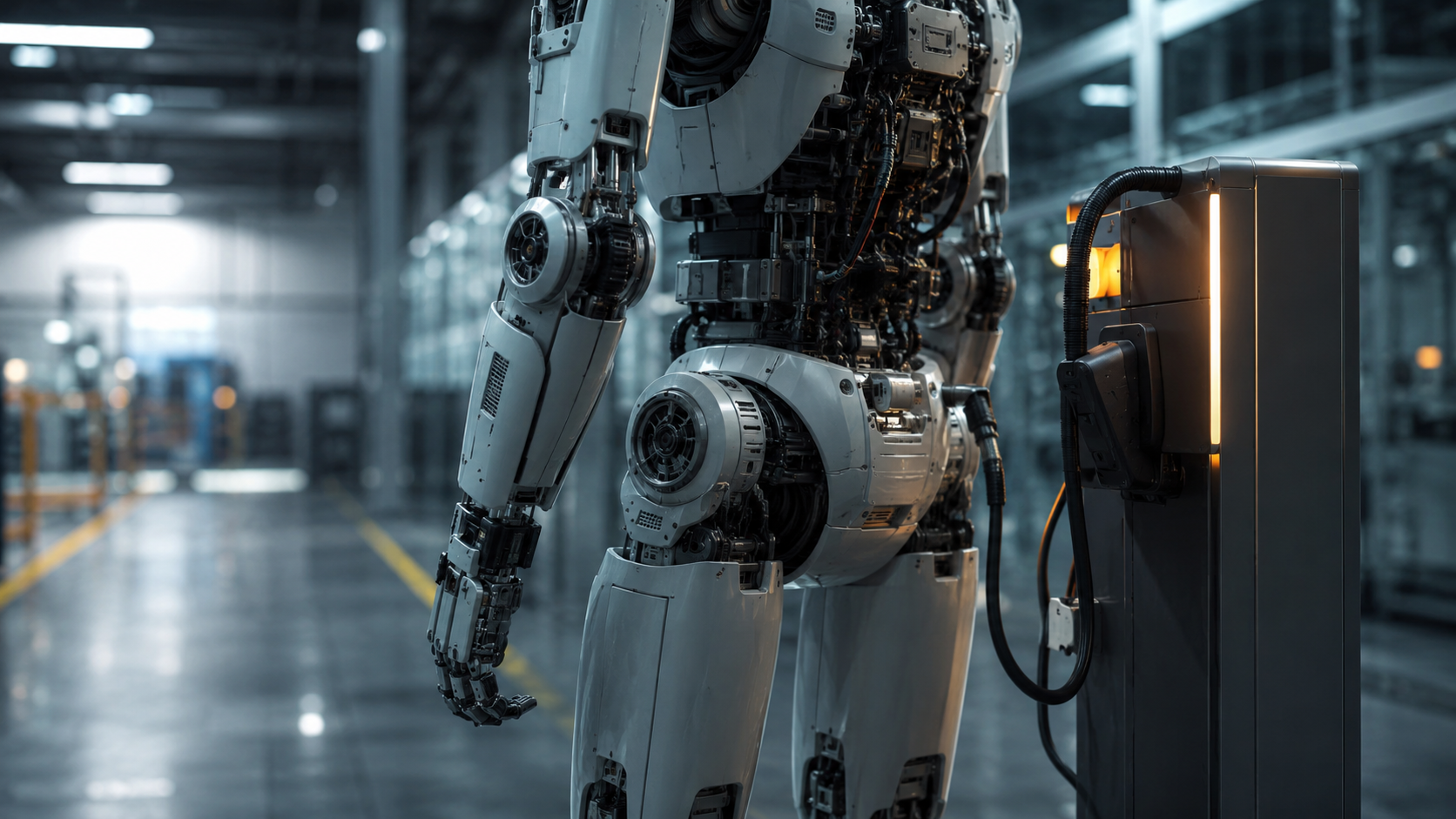
Humanoid Robots: What They Are, Why They Overheat, and Where They Work
At NASA's Johnson Space Center, operators running the Valkyrie humanoid watch its actuator temperatures. When the legs or torso get too hot, the work stops until they cool. Not the battery — the metal. The humanoid form was copied from a body that sweats. No commercial humanoid does.
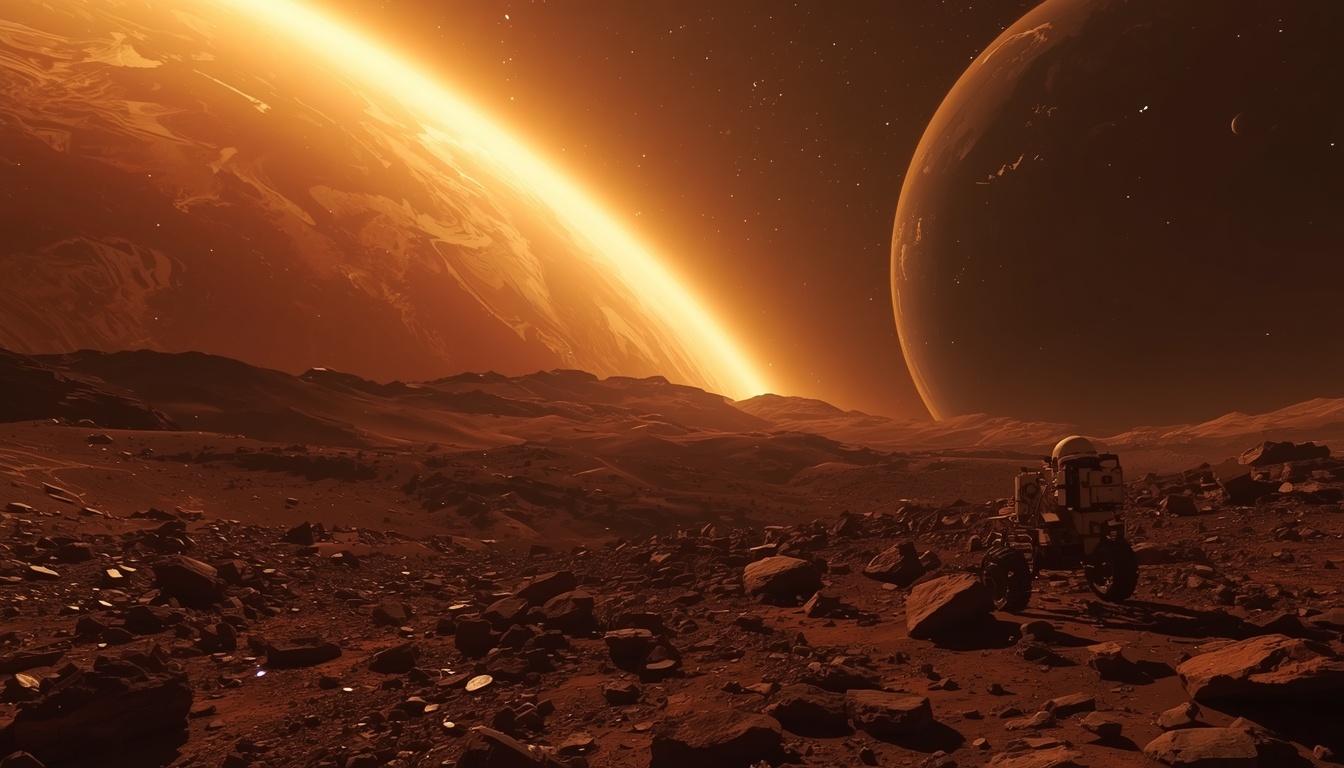
Why Robots in Space Exploration Do the Work That Astronauts Cannot — and Why That Matters
Nobody talks about the light delay. It takes radio signals approximately 20 minutes to travel from Earth to Mars one way — which means anything requiring a real-time response on Mars requires something on Mars making decisions. Most space coverage buries it under heroic human mission framing. The engineers and mission planners whose designs depend on getting this right are working from a fundamentally different model than the public narrative that surrounds their work.
ROBOTS BUILT BY NASA
LEADERSHIP
Janet Petro (Acting Administrator)