
AI & Robotics
Our AI & Robotics in-depth articles
263 articles found • Page 18 of 22
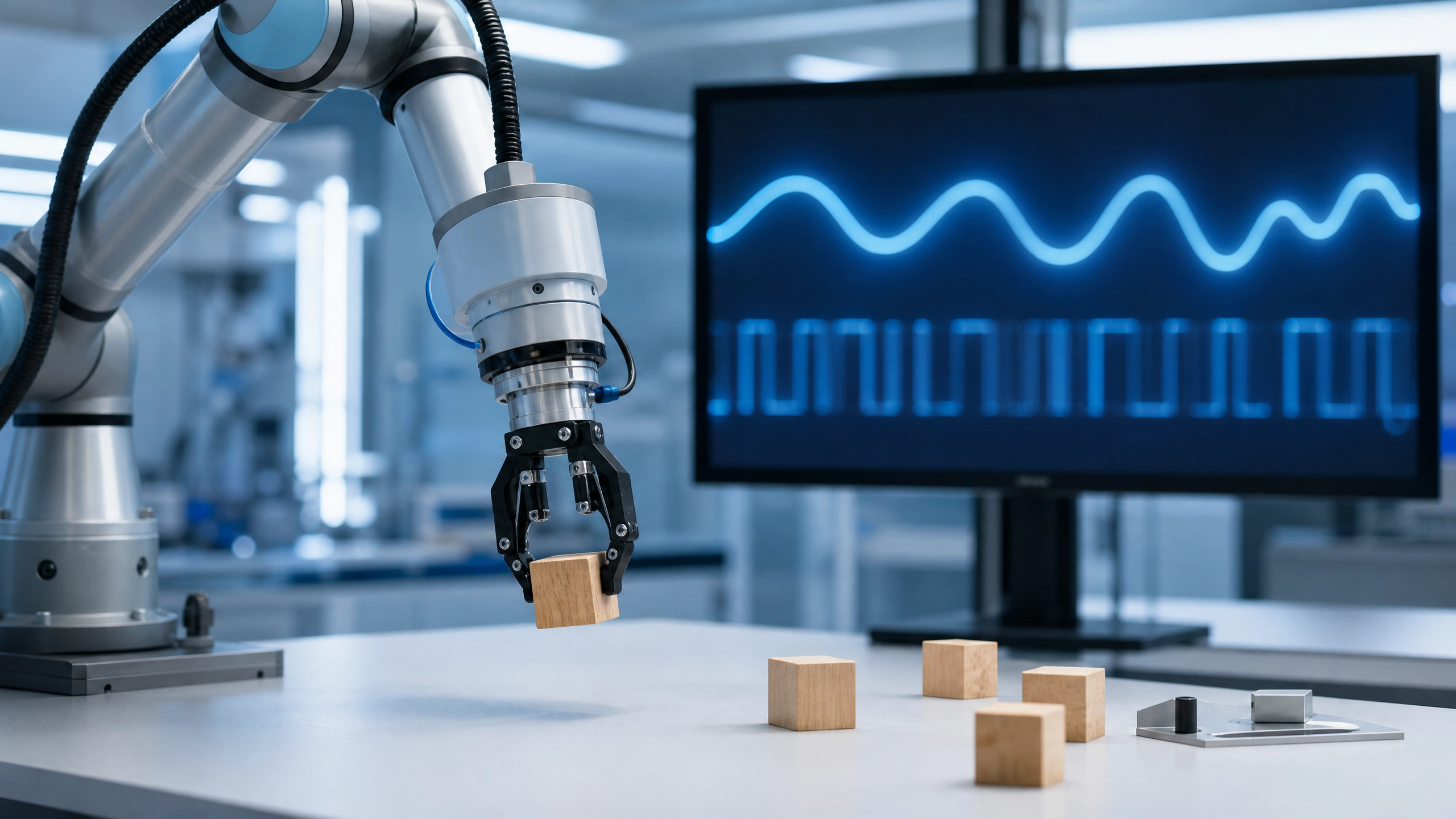
How Robots Learn to Move, and Why Action Tokenization Is the Quiet Bottleneck in Physical Intelligence
Vision Language Action models can read a scene and follow an instruction, but they still have to turn that understanding into smooth, continuous motion. The method that bridges language and motor control is called action tokenization, and it has quietly become one of the most consequential design choices in robot learning.
The Embodied AI Chip Debate: Brain Versus Cerebellum and the Push for In-House Silicon
As capital floods into embodied AI, the semiconductor industry is wrestling with core architectural debates. The division between high compute brains and low latency cerebellums, alongside a growing trend of robotics companies developing in house chips, is reshaping the hardware landscape.
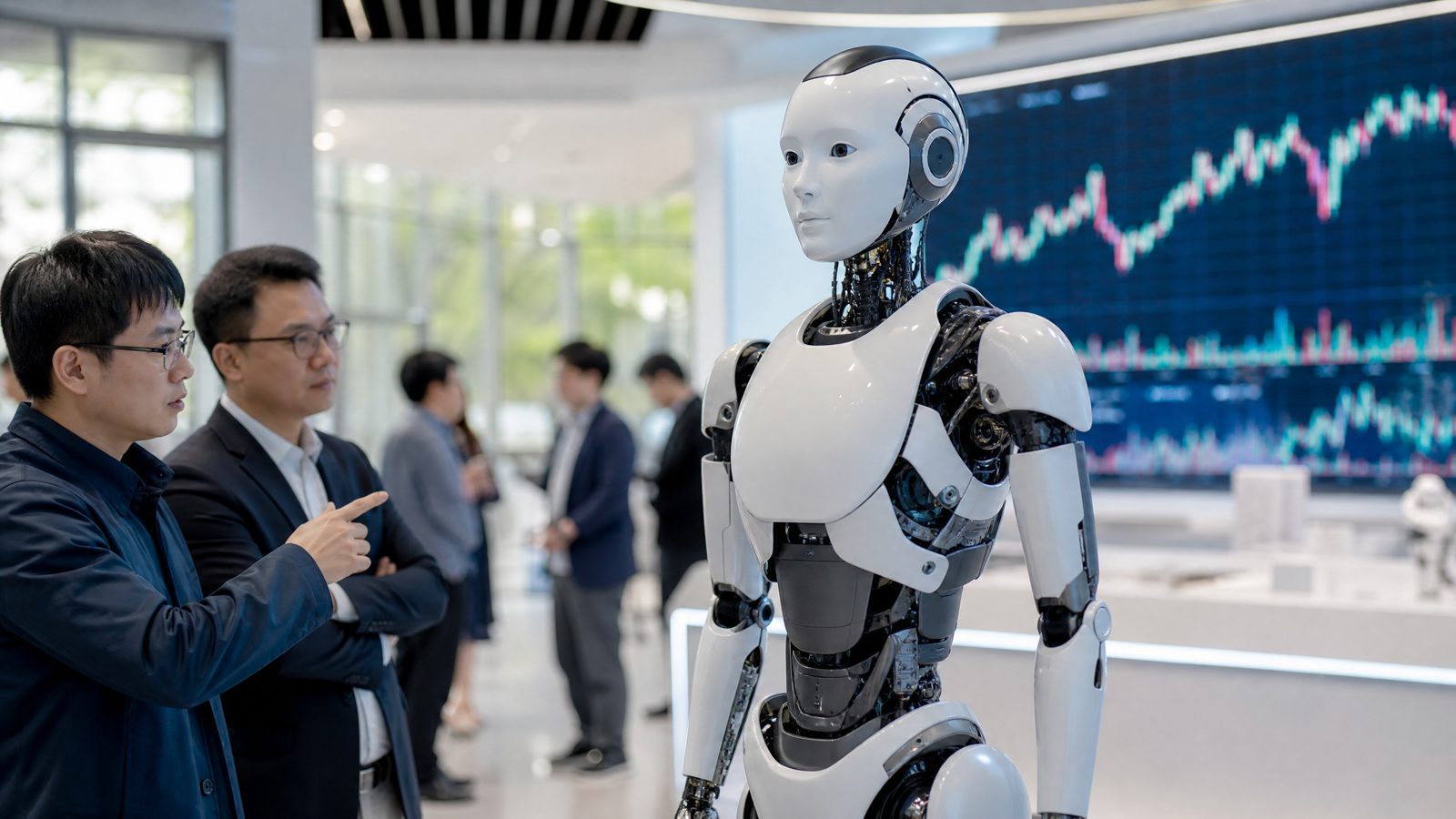
China's Embodied AI Sector Absorbs 44 Billion Yuan as Startups Cross Unicorn Thresholds
In the first half of 2026, China's embodied AI sector absorbed nearly 44 billion yuan in funding. On June 30, both X Square Robot and AI² Robotics crossed the 20 billion yuan valuation mark, signalling a massive concentration of capital at the intelligence layer.
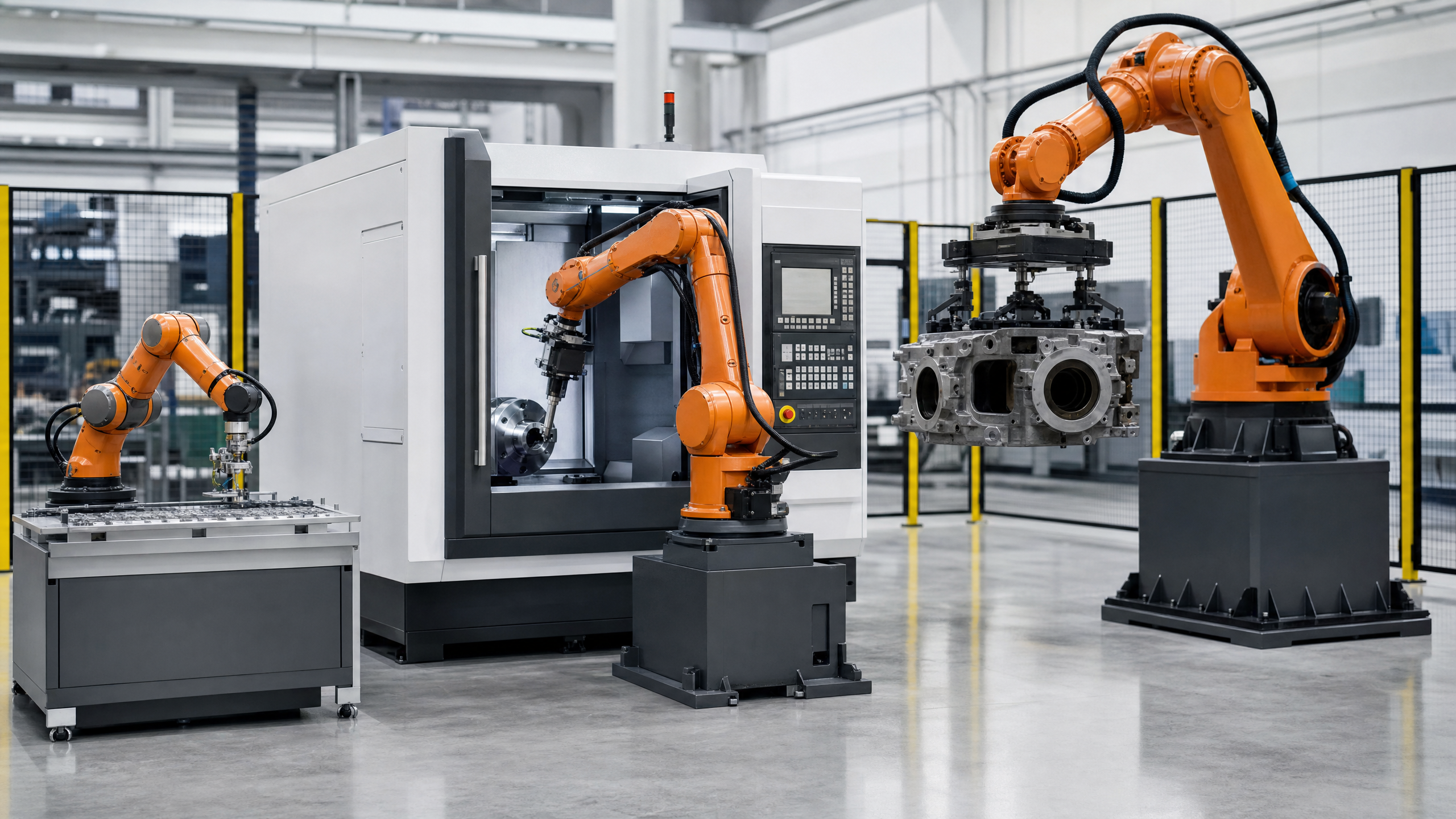
Light, Medium, Heavy: How Payload Class Determines Which Robot Goes Where
A procurement-focused guide for business leaders and buying teams on how industrial 6-axis robot payload classes (light, medium, heavy) dictate application suitability, what each class costs, and how to specify capacity from real operating conditions rather than nominal part weight, including a documented case of underspecification.

Two Greater Bay Area Robot Startups Hit Same 2.8 Billion Dollar Valuation on Same Day
On June 29, 2026, two Shenzhen embodied artificial intelligence startups, X Square Robot and AI2Robotics, each announced they had reached a valuation near 20 billion yuan, roughly 2.8 billion United States dollars, on the very same day. The coincidence exposes how China's humanoid funding race now rewards announcement speed, and it raises a sharper question about what actually separates these companies on the factory floor.
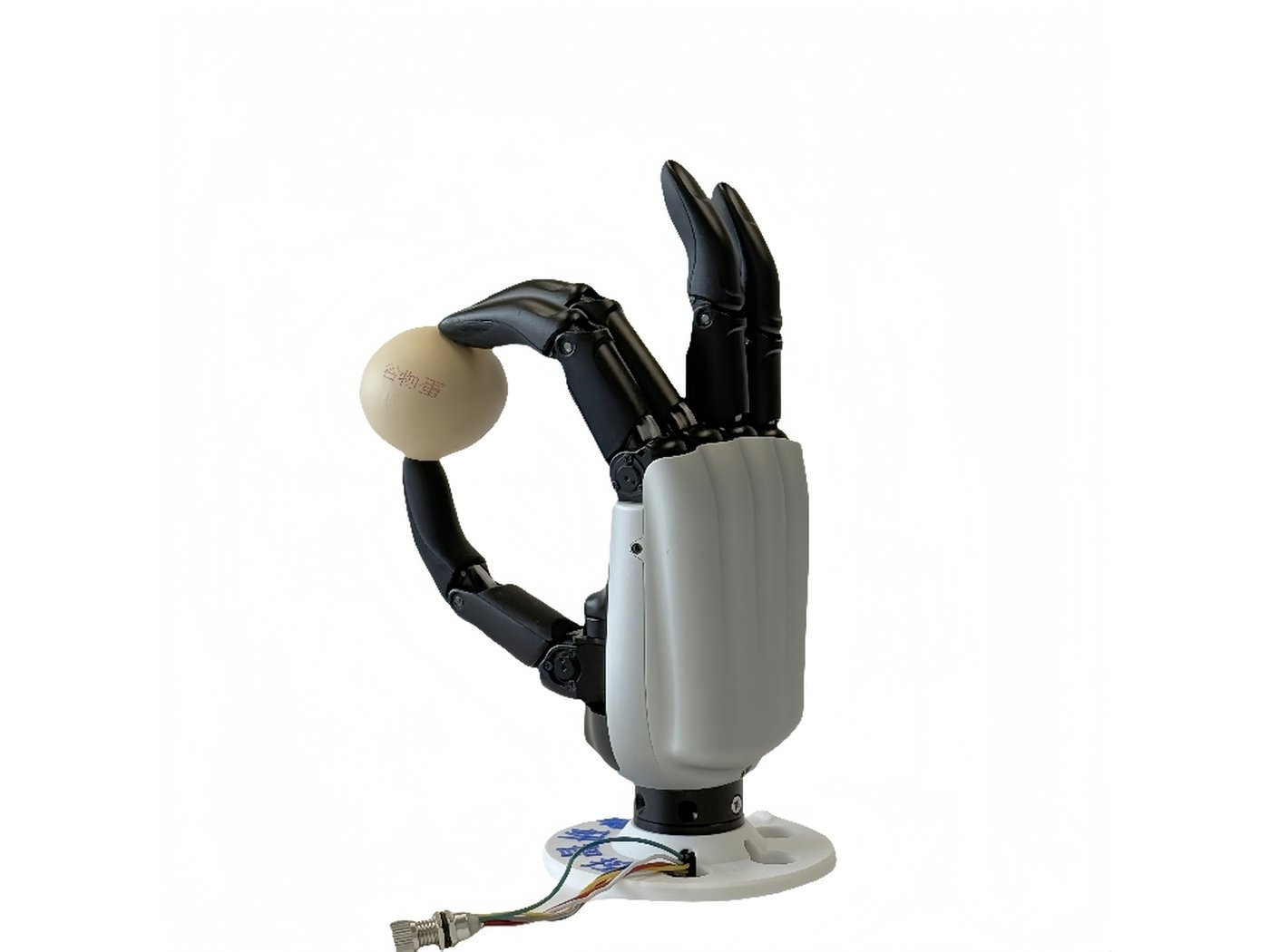
The Hidden Supplier Behind Half of China's Humanoid Robots: A Dexterous Hand Pricing Breakdown
Ruiyan Zhikong supplies dexterous hands to over 50 Chinese embodied AI companies, claiming ~80% market share in high-DoF hands. Its RY-H2 at ~USD 1,380 wins on IP67 waterproofing and 24-hour continuous operation. China's dexterous hand market is forecast to grow 266% in 2026 to 70,270 units.
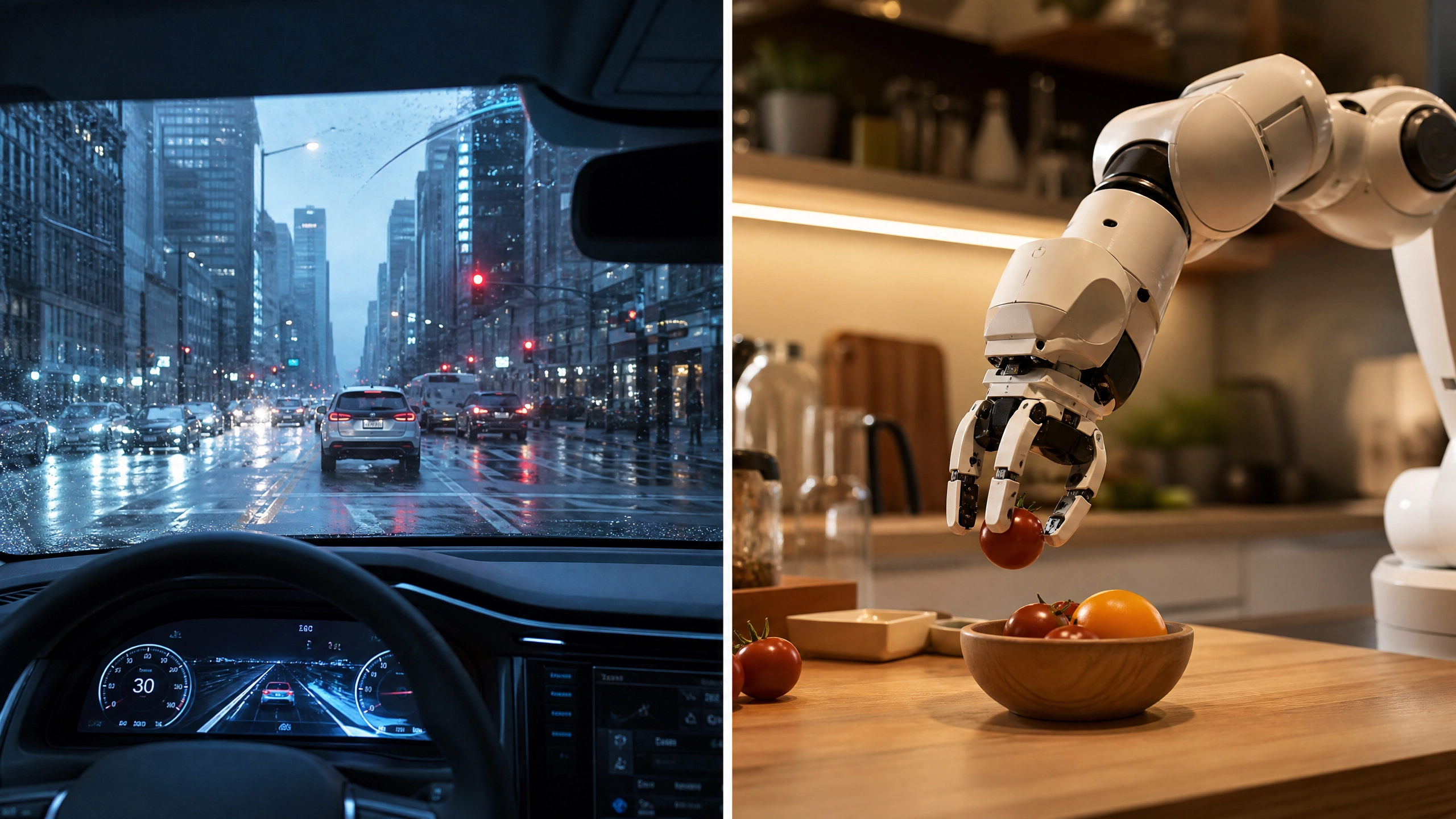
Two Physical World Models Launched on the Same Day. They Could Not Be More Different.
On June 28 and 29, 2026, two companies on opposite sides of the Pacific released physical world models within hours of each other. Decart, a San Francisco-based Artificial Intelligence (AI) lab, opened Application Programming Interface (API) access to Oasis 3, a real-time generative world model built for autonomous vehicles and robotics.
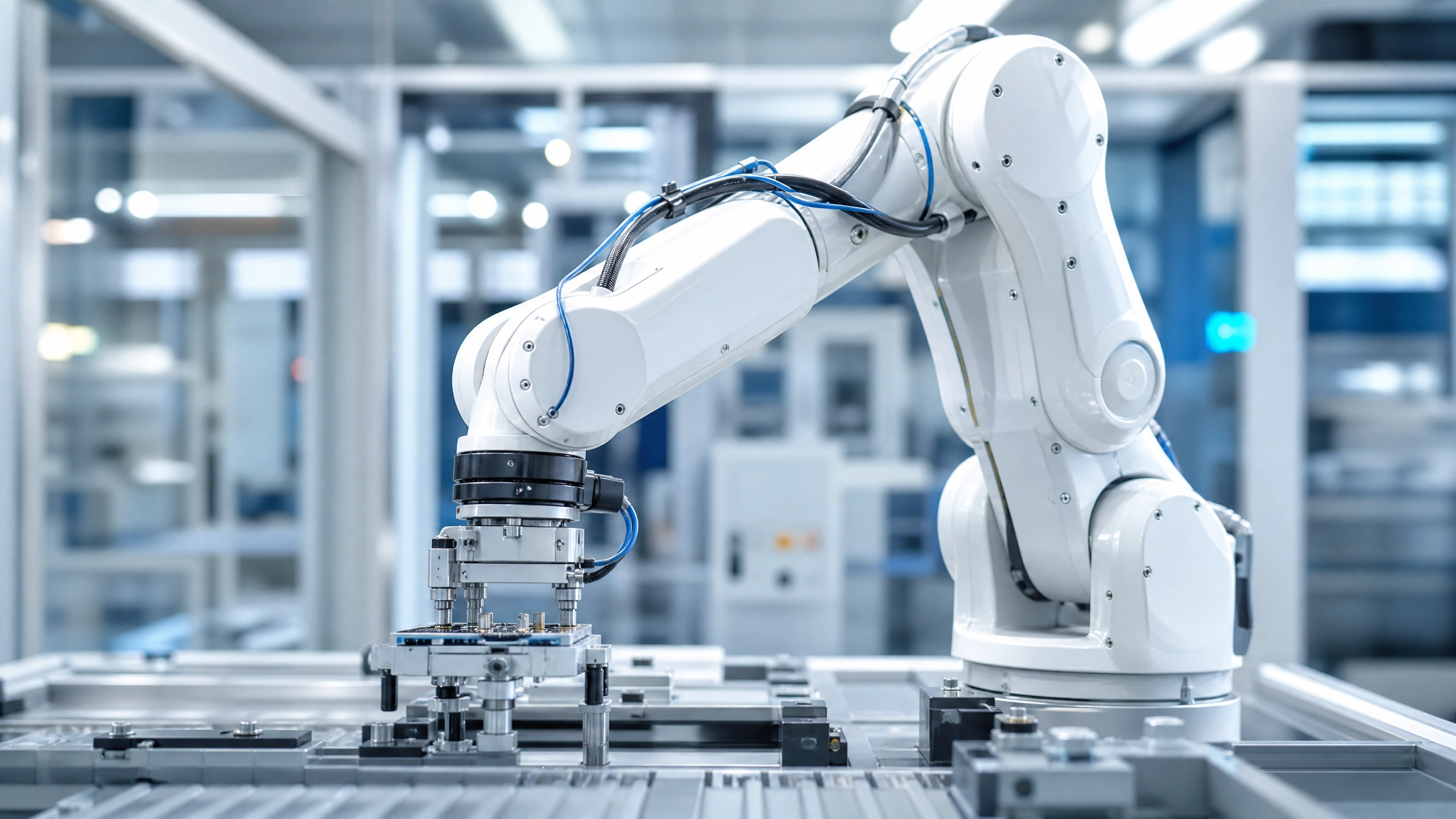
What Is an Industrial 6-Axis Robot Arm? A Plain-English Guide for Non-Engineers
A comprehensive guide for business leaders and non-technical buyers on the mechanics, operational logic, and strategic ROI of industrial 6-axis robot arms, focusing on their role as versatile, programmable assets for reducing production variance.
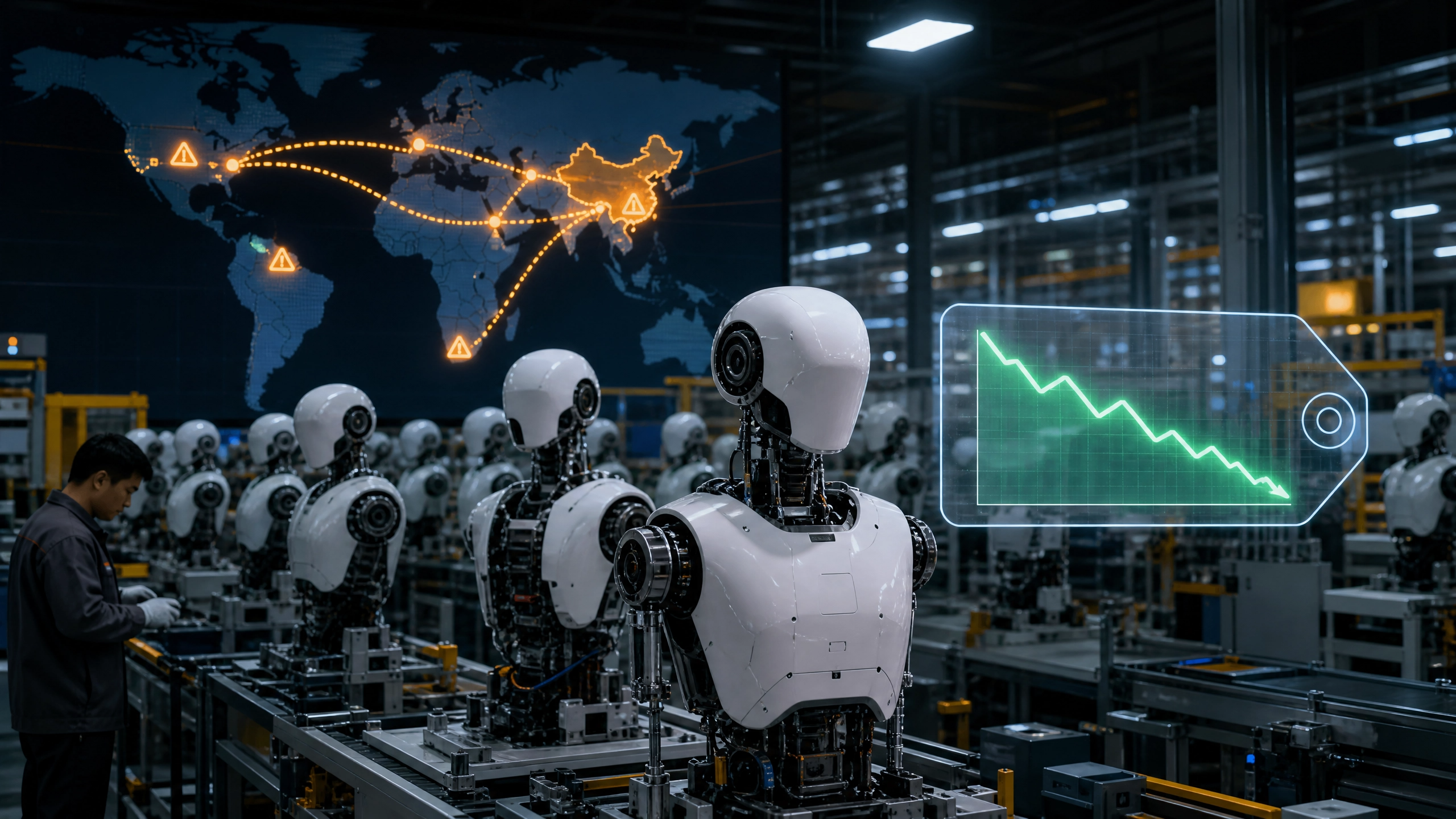
Pricing Watch: Supply Chain Security Collides With Cost Reduction in Robotics
The economics of the Automation, Robotics, and Physical Intelligence (ARPI) sector are currently being shaped by two opposing forces. On one side, geopolitical friction is introducing upstream cost risks, highlighted by China's June 2026 export controls targeting major US rare earth firms. On the other side, domestic Chinese humanoid robot prices are in freefall, dropping 72% year-over-year, driven by aggressive substitution of legacy components with Commercial-Off-The-Shelf (COTS) hybrid architectures and the onset of mass production scale.
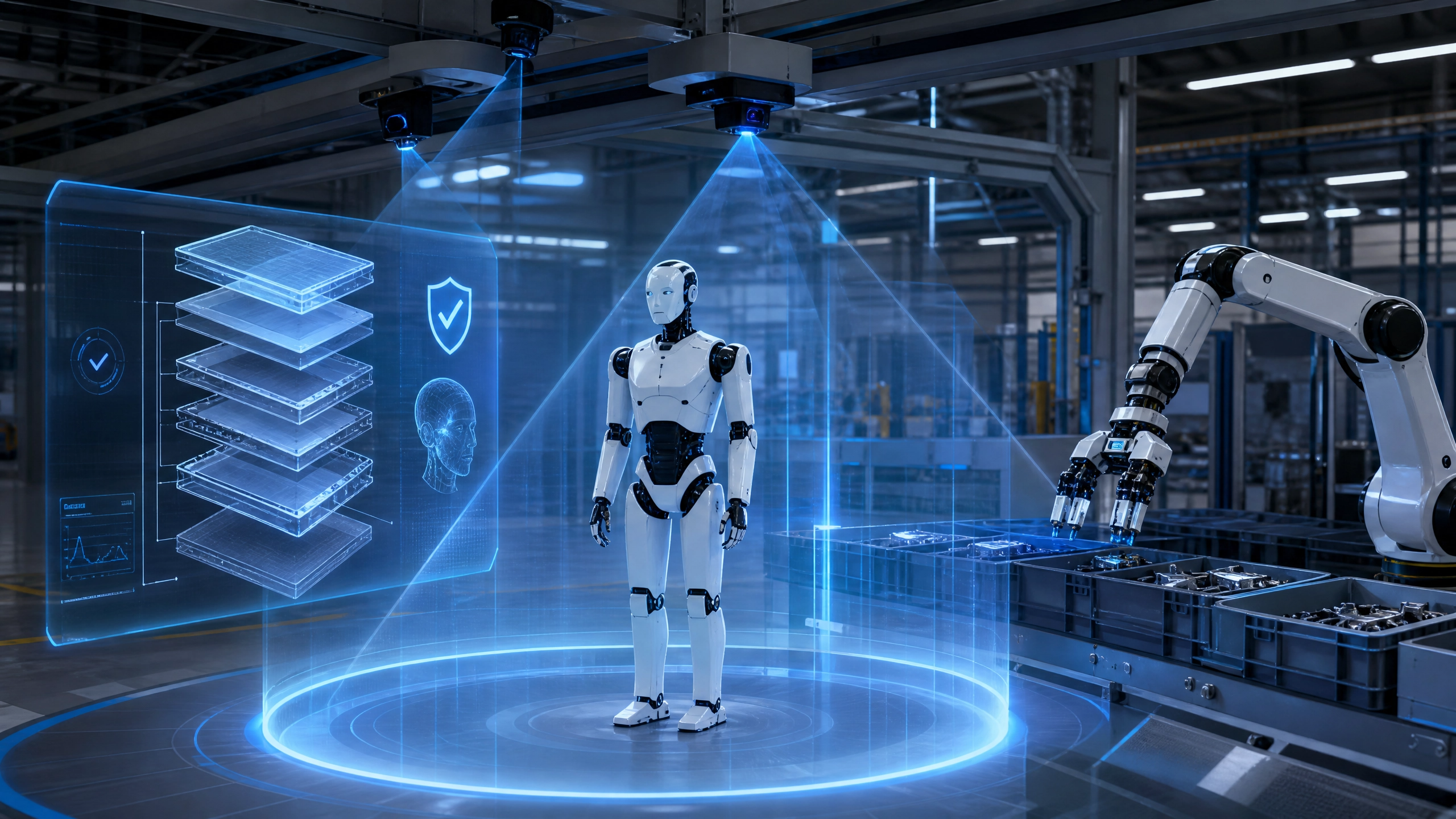
Technological Impacts to Watch: Safety Architectures and Logistics Deployments
The upcoming week in the Automation, Robotics, and Physical Intelligence (ARPI) sector is defined by two major technological shifts moving from the lab to the factory floor. First, NVIDIA's announcement of Halos for Robotics introduces the industry's first full-stack safety architecture, addressing the critical bottleneck of safe human-robot collaboration. Second, BMW's deployment of the Figure 03 humanoid robot at its Spartanburg plant marks a transition from simple part-loading to complex logistics sequencing, demonstrating the maturation of Vision-Language-Action (VLA) models in real-world industrial environments.
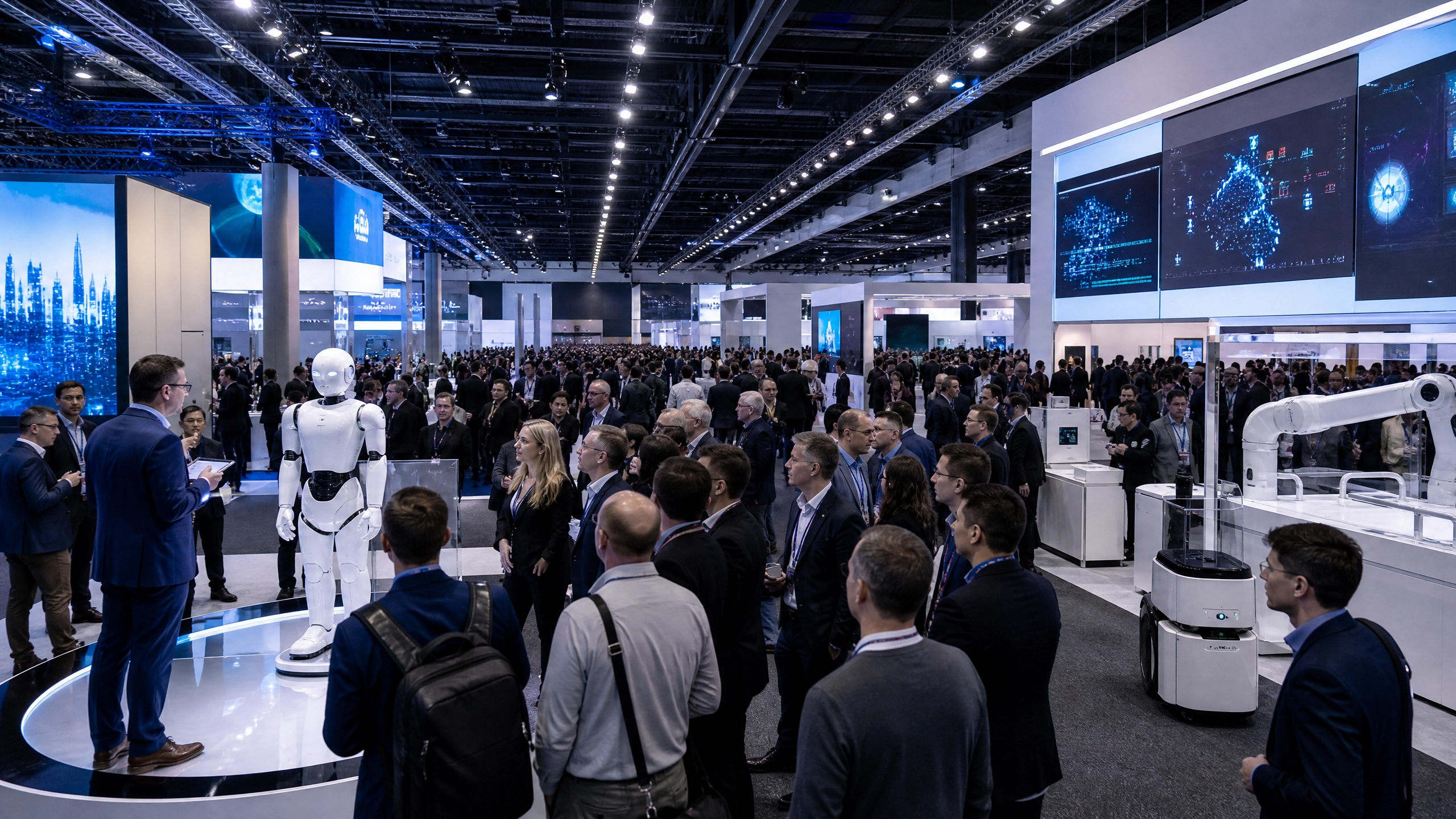
Major Global Exhibitions Wrap-Up: The ROI Reality Check for Embodied AI
The first half of 2026 saw a record number of robotics and AI exhibitions globally, but the data reveals a complex picture. While shows like Automate in Chicago broke attendance records with over 50,000 visitors and 1,000+ exhibitors, others like Hannover Messe saw a slight dip in overall numbers despite strong AI focus. The emergence of dedicated Humanoid Pavilions signals a shift from hype to deployment, yet rising exhibition costs and a crowded H2 calendar are triggering real concerns about exhibitor fatigue and measurable ROI.

2026 First Half Global ARPI Funding Review: Capital Shifts From Verification to Industrial Scale
The first half of 2026 marked a historic inflection point for Automation, Robotics, and Physical Intelligence (ARPI) funding. Globally, robotics startups raised an unprecedented $18.8 billion in just six months, eclipsing the $15 billion total for all of 2025. This comprehensive review analyzes 26 major funding events across Q1 and Q2, revealing a decisive shift from early-stage R&D to late-stage commercialization, embodied AI infrastructure, and defense tech. The article also provides a Q3 outlook, highlighting the highly anticipated Unitree Robotics IPO on the Shanghai STAR Market and the broader implications for the physical AI ecosystem.