Toyota Plans 400,000 In-House Humanoid Robots for Its Factories
Toyota says it plans to deploy 400,000 in-house ELEY humanoid robots across its factories, a scale far beyond any single humanoid maker's shipments.

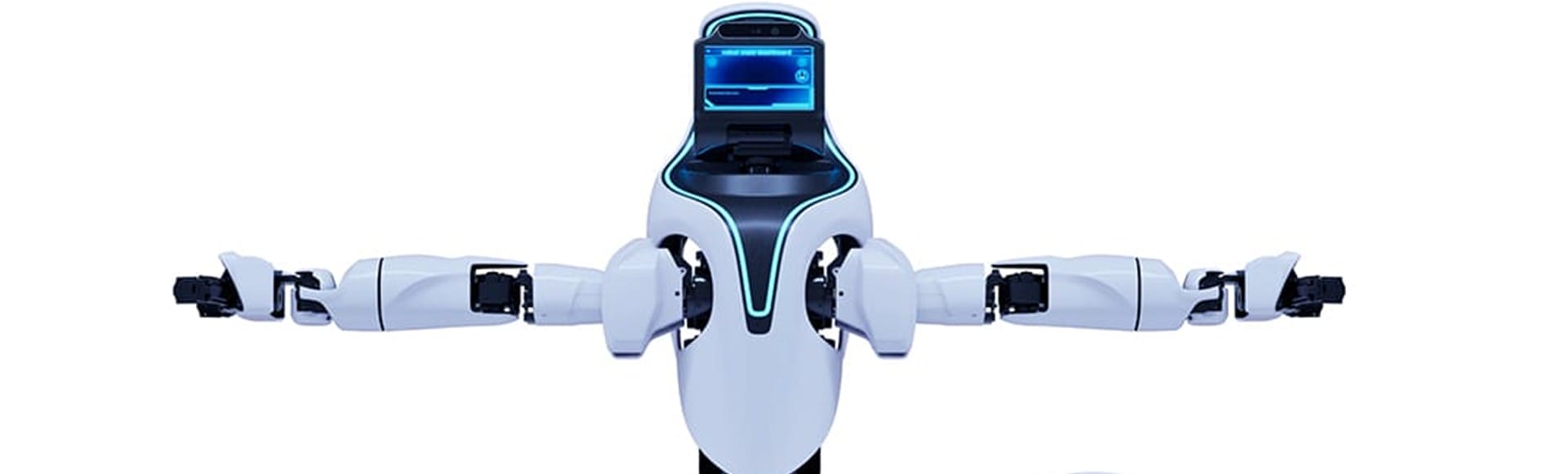
Toyota Motor Corporation said this week that it plans to introduce 400,000 in-house-developed humanoid robots across its production sites worldwide as factories are upgraded in the coming years, a scale of deployment that would place more humanoid units inside a single company's own plants than most dedicated humanoid robot makers have shipped to every customer combined. The robots, an in-house platform called ELEY, are built with two-fingered arms designed for tasks like folding fabric and assembling small parts, an omnidirectional mobile base for autonomous movement between work stations, and an extending frame that lets the robot reach both floor-level and overhead tasks without a ladder or a lift.
The announcement is the clearest signal yet that Toyota intends to build its own humanoid robot fleet rather than rely primarily on outside vendors, a strategic choice that sets it apart from automakers buying commercial humanoids off the shelf and puts Toyota's manufacturing scale directly behind its robotics research arm for the first time.
A Different Bet Than the One Toyota Already Made in Canada
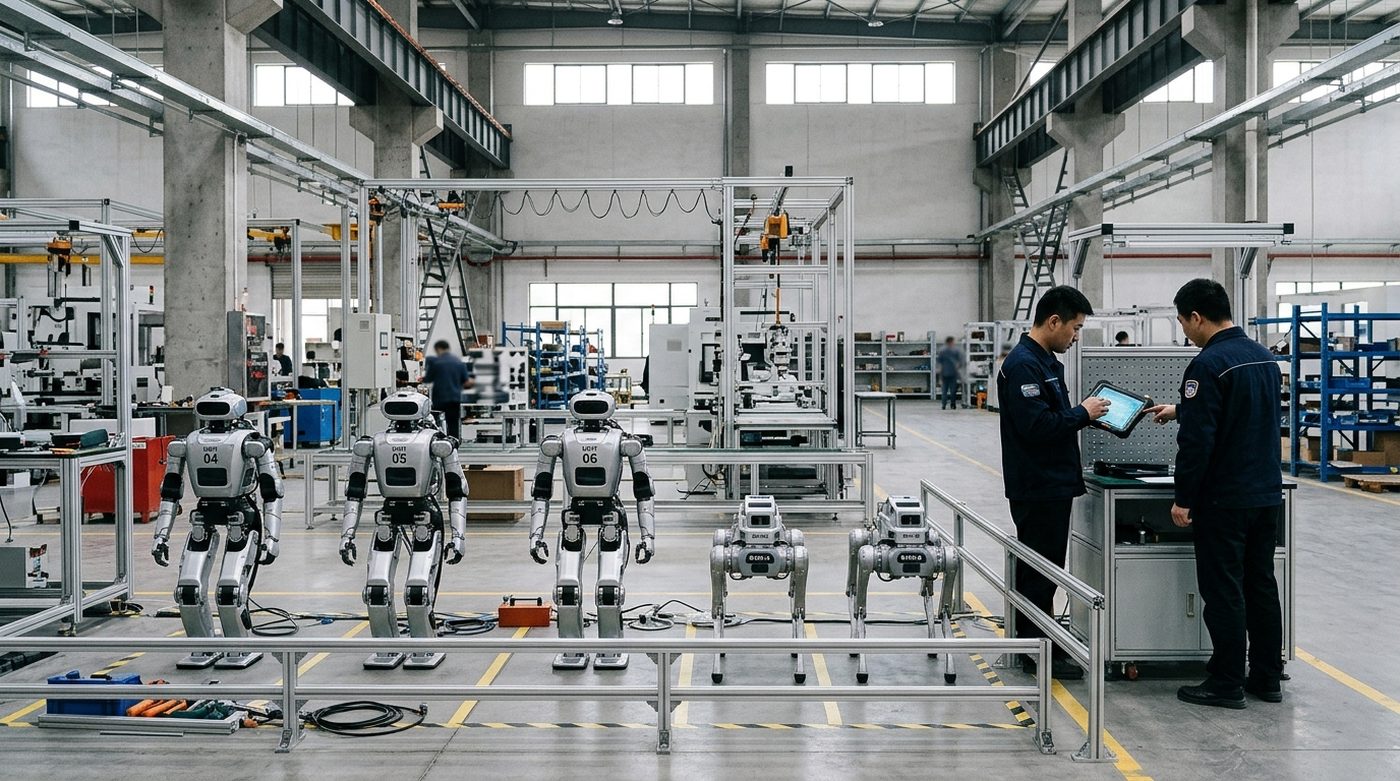
Toyota's in-house ELEY plan did not emerge in isolation. Earlier this year, Toyota Motor Manufacturing Canada began deploying seven Digit humanoid robots built by Agility Robotics at its RAV4 assembly plant in Woodstock, Ontario, under a robots-as-a-service contract that charges roughly US$30 per hour per robot for repetitive material-handling work such as loading and unloading tote bins of auto parts. That Canadian deployment was explicitly built around a fast return on investment, with Toyota targeting a payback period of under two years compared with the fully loaded cost of a human worker doing the same task. It is a near-term, rented-labor approach to humanoid automation: buy proven hardware from a specialist, pay by the hour, and let the vendor absorb the engineering risk.
The 400,000-unit ELEY plan is the opposite bet. Rather than renting capacity from a robotics specialist, Toyota is building its own humanoid hardware and control software through its Frontier Research division, accepting years of upfront engineering cost in exchange for owning the platform outright and tailoring it specifically to Toyota's own assembly-line tasks rather than the general-purpose material handling Agility's Digit is built for. Running both strategies at once, a rented commercial humanoid for immediate, provable ROI in Canada and an in-house platform for a much larger long-term rollout globally, tells buyers evaluating their own automation roadmaps that even a company with Toyota's engineering resources does not see a single humanoid-sourcing strategy as sufficient on its own. The near-term vendor contract buys proof that humanoid automation pencils out financially today; the in-house program buys control over a fleet large enough that no outside supplier could realistically manufacture, support, or price it at the volume Toyota is describing.
What 400,000 Units Actually Means for the Industry's Supply Chain
To put the number in context, Chinese manufacturers as a group are on pace to produce roughly 100,000 humanoid robots in 2026, a figure that industry trackers already describe as a breakout year for the category. Toyota's stated target of 400,000 units, even spread across a rollout timed to factory upgrade cycles rather than a single delivery date, would represent a multiple of that entire national industry's annual output concentrated inside one company's own manufacturing footprint. That scale changes the calculus for every actuator, sensor, and battery supplier in the humanoid supply chain: a customer ordering components for hundreds of thousands of units, even spread over several years, can negotiate cost and capacity commitments that neither a startup humanoid maker nor a mid-size industrial buyer can match, and Toyota's own component and manufacturing expertise, honed over decades of automotive supply-chain management, gives it leverage that most humanoid robotics companies, still learning to manufacture at scale, simply do not have.
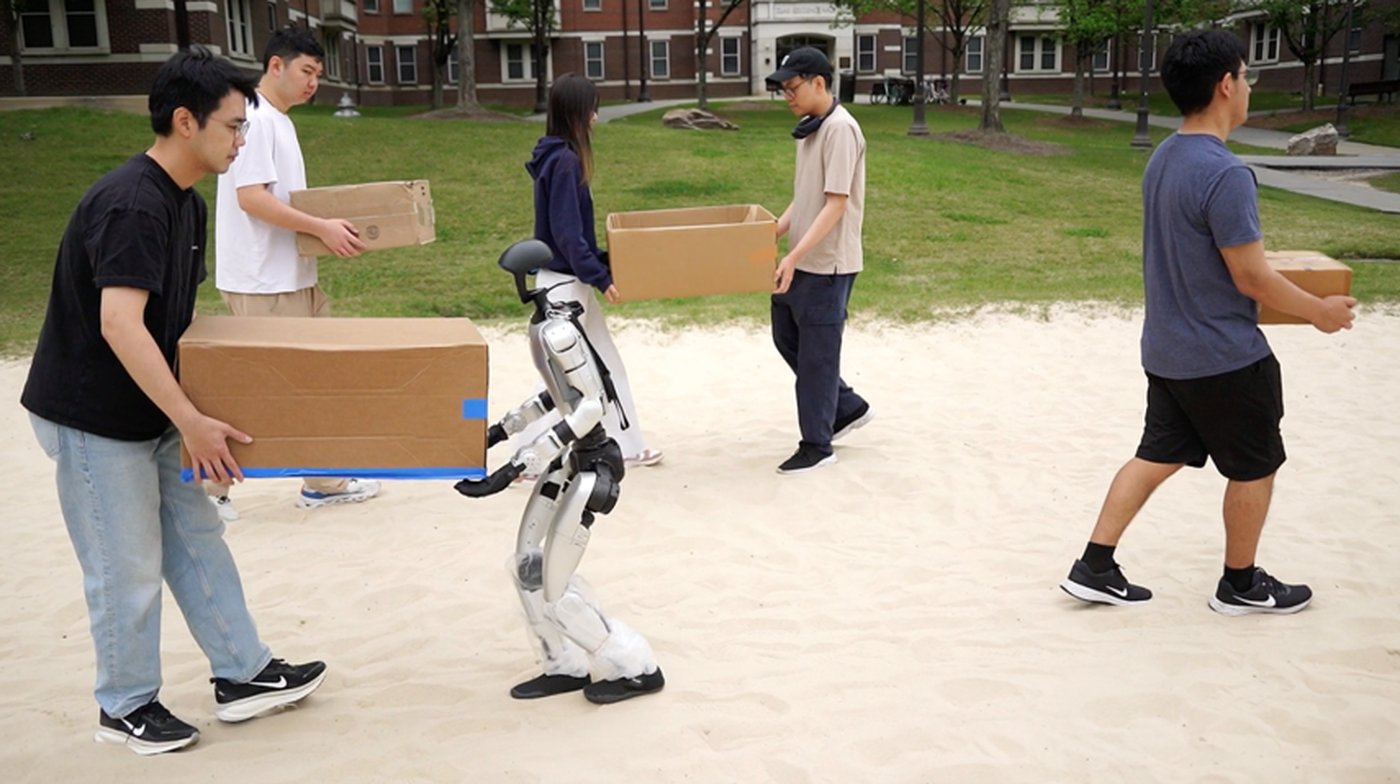
Gill Pratt, chief executive of Toyota Research Institute and chief scientist for Toyota Motor Corporation, has framed the company's robotics research around a specific philosophical position that is now being tested at industrial scale: "Our research in robotics is aimed at amplifying people rather than replacing them." That framing matters commercially as much as ethically, because it shapes how ELEY is being designed and deployed. Rather than positioning the robots as headcount replacements, Toyota has described a model in which the robots work alongside employees, learning tasks from experienced workers and, in some cases, assisting in training new hires, an approach that keeps organized labor and factory-floor management inside the deployment plan rather than treating them as an obstacle to automate around.
Why Automakers Are the Ones Setting the Pace
Toyota's move follows a pattern already visible elsewhere in Japan's auto industry. Mitsubishi and its robotics partner Highlanders have separately outlined plans to build roughly 1,000 humanoid units a month at a Kyoto facility, a far smaller absolute number than Toyota's target but evidence that Japanese automakers, not robotics startups, are emerging as the most aggressive near-term buyers and builders of humanoid hardware in the country. Automakers bring two advantages that pure-play humanoid robotics companies lack: production lines that already generate exactly the repetitive, well-defined physical tasks humanoid robots are best suited to automate today, and manufacturing engineering teams experienced at scaling a new hardware product from prototype to hundreds of thousands of units without the yield and quality problems that have slowed several venture-backed humanoid makers' path to volume production.
That combination is turning the automotive sector into a proving ground for humanoid robotics economics well before the technology is mature enough for broader deployment in warehouses, hospitals, or homes. A factory floor gives Toyota engineers a controlled environment to validate ELEY's reliability, safety systems, and cost structure against a known baseline, its own human workforce, before extending the platform to less structured tasks. For competing automakers watching from the outside, Toyota effectively running two humanoid strategies simultaneously, a vendor contract for immediate savings and an in-house platform for eventual scale, offers a template that separates the two decisions procurement teams in any industry now face: what to buy today because the return is provable, and what to build because the scale eventually justifies owning the platform.
The Manufacturing Muscle a Robotics Startup Cannot Match
The single advantage that separates Toyota's in-house humanoid plan from a venture-backed robotics startup's roadmap is not research talent, since companies like Figure AI, Agility Robotics, and a wave of well-funded Chinese humanoid makers have assembled comparable or larger dedicated robotics research teams. It is manufacturing discipline at a scale automakers have spent a century refining and that no humanoid-only company has yet had to exercise. Toyota's production system is built around driving defect rates toward zero across tens of millions of vehicles a year, a quality-control culture directly transferable to manufacturing a robot platform intended to reach hundreds of thousands of units without the yield problems that have slowed several humanoid makers' path from prototype to volume production. A humanoid robotics startup scaling from dozens of units to thousands has to build that manufacturing discipline from scratch, often while simultaneously iterating on the robot's core hardware design. Toyota is instead applying an existing, proven manufacturing operating system to a new category of product, the same approach it has already used when adapting assembly lines for hybrid and electric powertrains without building an entirely new factory function around each transition.
That advantage cuts both ways for outside suppliers hoping to sell into Toyota's humanoid program. A component maker that can meet Toyota's existing automotive-grade quality and cost benchmarks, the same suppliers already providing actuators, sensors, and battery cells for Toyota's vehicle lines, has a plausible path to winning ELEY component contracts once the platform moves toward the volumes Toyota is describing. A robotics-focused component startup without an existing automotive supply relationship faces a much steeper qualification process, since Toyota's supplier standards for a product it plans to deploy across its own factories, where a component failure could halt a production line Toyota depends on for its core vehicle business, are unlikely to be more forgiving than the standards it already applies to the parts going into the vehicles themselves.
The Open Questions Toyota Has Not Answered
Toyota has not disclosed a firm timeline for reaching the full 400,000-unit target, nor has it detailed the per-unit cost of manufacturing ELEY at that scale, information that would let outside analysts judge whether the plan is a genuine manufacturing commitment or a long-range research aspiration stated as a headline figure. The company has also not said how many ELEY units are currently operating in pilot deployments today, a gap that matters because the credibility of a 400,000-unit target depends heavily on how far the platform has already progressed beyond Toyota's Frontier Research labs and world-robotics-conference demonstrations.
What happens next will say more about the plan's seriousness than the announcement itself. If Toyota begins naming specific plants receiving ELEY units, publishing unit-cost figures as production scales, or expanding the Canadian-style vendor contracts alongside the in-house rollout, the 400,000 figure will start looking like an operational roadmap rather than an aspiration. Competing automakers, robotics suppliers bidding for a piece of that component order book, and labor representatives negotiating how humanoid robots get introduced onto union shop floors will all be watching Toyota's next disclosures for exactly that signal.
This analysis draws on public statements from Toyota Motor Corporation, Toyota Research Institute, and Toyota Motor Manufacturing Canada regarding humanoid robot deployment plans. It is for general information purposes only and does not constitute investment, financial, or legal advice.
Hero image credit: Toyota Motor Corporation.