Hot Money Once Again Flows into Collaborative Robots: The Rise of Embodied AI Infrastructure
China's collaborative robot sector is experiencing a 2026 funding surge, with Tianji, Elite Robot, Faao, and Realman collectively raising billions of RMB. Capital is no longer just funding hardware — it is betting on the physical execution layer of embodied AI.
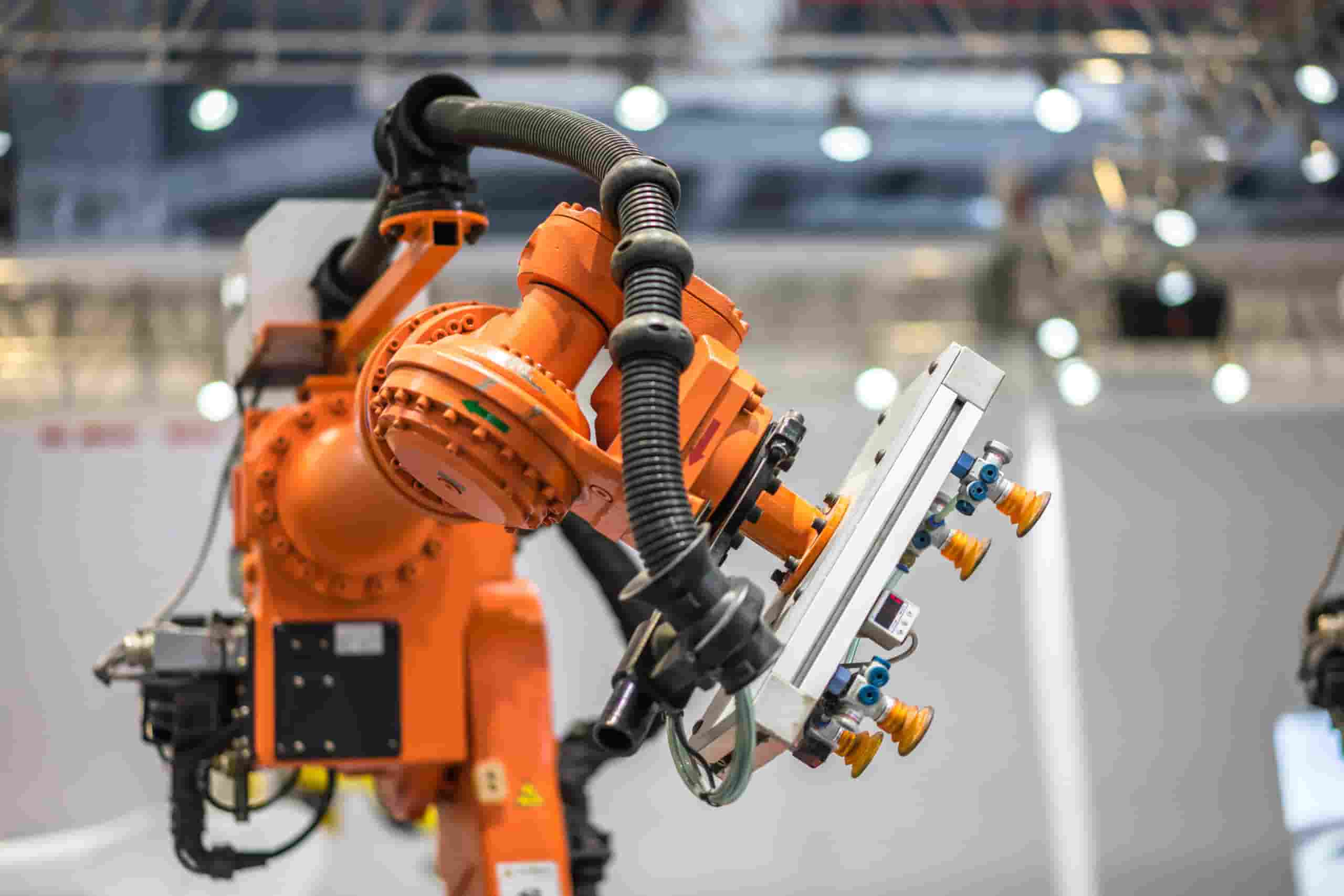
The collaborative robot (cobot) sector in China has entered a new phase of hyper-growth in 2026. According to recent market intelligence from Gaogong Robotics, a wave of top-tier cobot manufacturers has announced major funding rounds since the beginning of the year. Tianji secured a massive 1 billion RMB B round, Faao Robotics raised nearly $100 million in a C round, Elite Robot closed a 600 million RMB D+ round, and Realman completed a nearly 500 million RMB B round.
Why Capital is Returning to Cobots
The logic behind the previous wave of cobot investment was straightforward: "machine replacing human" to reduce labour costs. However, the 2026 funding surge is driven by a fundamental shift in the technological landscape. The rapid advancement of large AI models has given robots a highly capable "brain," but this intelligence requires a flexible, precise, and safe physical execution layer to interact with the real world. Cobots, with their inherent safety features and dexterity, have become the critical "hands" and "cerebellum" of embodied AI.
Investors are no longer simply backing hardware manufacturers; they are investing in the infrastructure platforms of the embodied AI era. This is reflected in the diverse investor base participating in these rounds. Tianji's 1 billion RMB round, for instance, was co-led by Hillhouse Capital and Meituan, with participation from Tencent and GGV Capital, combining top-tier financial institutions, industrial capital, and internet tech giants.
The Three Pillars of Competitive Advantage
To justify these massive valuations and secure their position as embodied AI infrastructure, leading cobot firms are building moats across three key dimensions.
The first is core technological barriers. Companies are moving towards full-stack in-house development. Tianji, for example, is the first company globally to develop its own MEMS joint torque sensors, achieving unprecedented force control precision. Elite Robot is integrating its "Primo" embodied large model to drive multiple robot forms — cobots, composite robots, and humanoids — from a single intelligent hub.
The second is scaled mass production. Technological superiority must translate into market dominance. Elite Robot's joint modules have surpassed an annual production capacity of 100,000 units, with plans to reach millions via its new AUTRON super factory. Faao Robotics currently ranks first in both total sales and overseas shipments among Chinese cobot brands.
The third is data closed-loop capabilities. In the embodied AI era, real-world operational data is the fuel for continuous algorithm improvement. Companies like Realman are building extensive real-machine datasets through remote operation networks, allowing their robots to learn from millions of trajectory segments across thousands of tasks.
The 2026 funding boom signals that the collaborative robot industry has moved beyond concept hype and into a phase of rigorous value validation. The ultimate winners will be those who can seamlessly integrate AI brains with robust physical execution, transforming themselves from hardware vendors into the foundational platforms of the intelligent automation revolution.
Primary Source: Gaogong Robotics (高工机器人) — June 16, 2026