China’s Trillion-Yuan Robotics Surge Is Redrawing the Global Manufacturing Race
China is rapidly scaling its robotics industry with massive state-backed investment, pushing AI-enabled humanoid systems from labs into factory production lines. These robots are already improving speed, precision, and deployment times, giving Chinese manufacturers a major cost and efficiency advantage. As a result, China is reshaping global automation competition, pressuring Western and Asian firms to accelerate their own robotics and AI adoption to keep up.

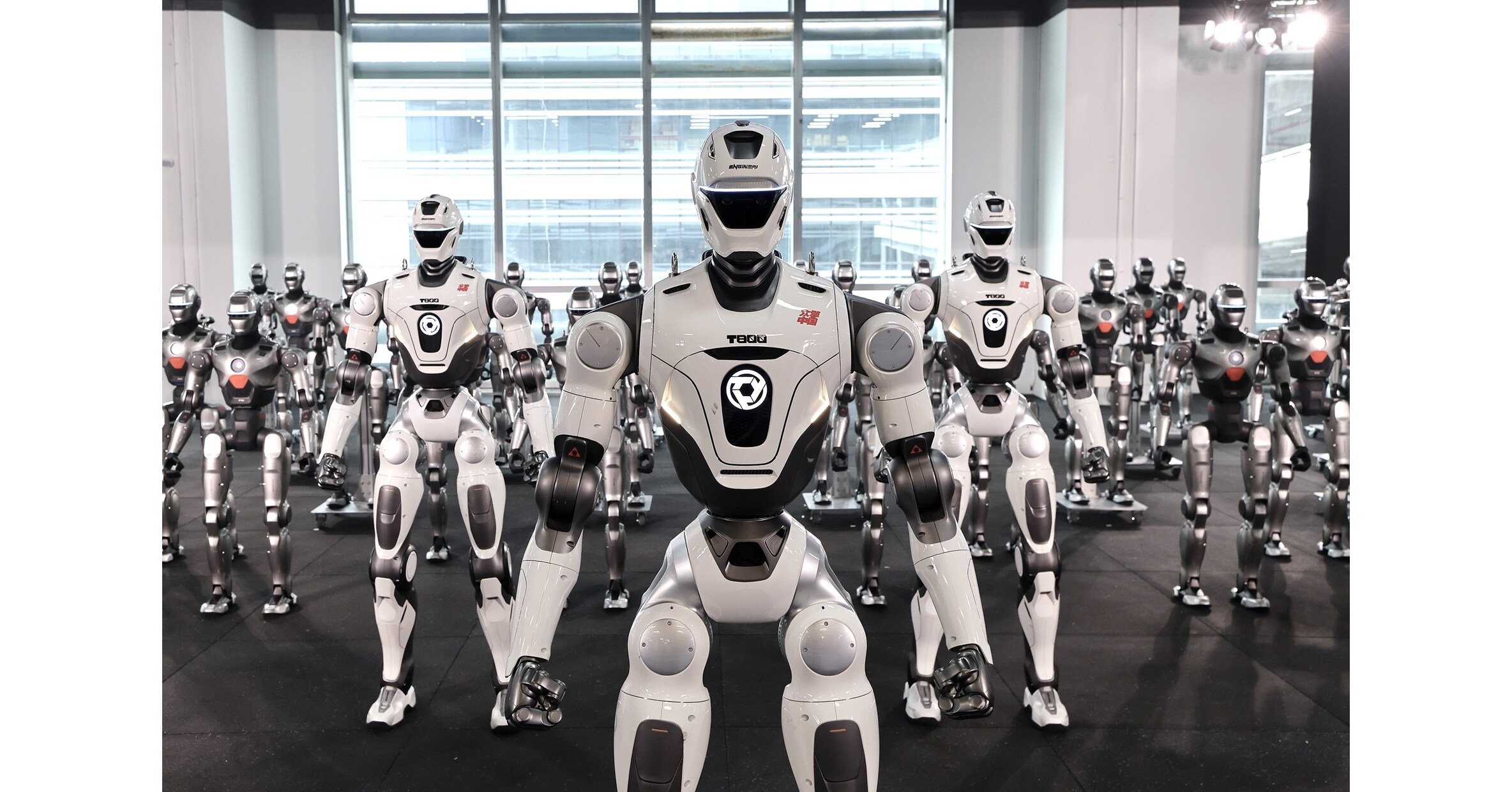
China’s robotics sector is accelerating at an unprecedented pace, positioning the country as the dominant force in global automation. Massive state-backed investments and rapid commercialization of humanoid systems are driving this shift, moving AI-enabled machines from experimental labs into high-volume factories. This surge is not only boosting domestic manufacturing efficiency but also intensifying competition across supply chains worldwide.
China’s Trillion-Yuan Robotics Push
Beijing has pledged approximately 1 trillion yuan to expand robotics and high-tech industries through 2030. The funding targets embodied AI platforms that integrate perception, decision-making, and physical actuation in single units. Early deployments already show robots handling precision assembly tasks at speeds 40 percent faster than previous generations, with error rates below 0.2 percent in automotive and electronics lines.

From Labs to Production Lines
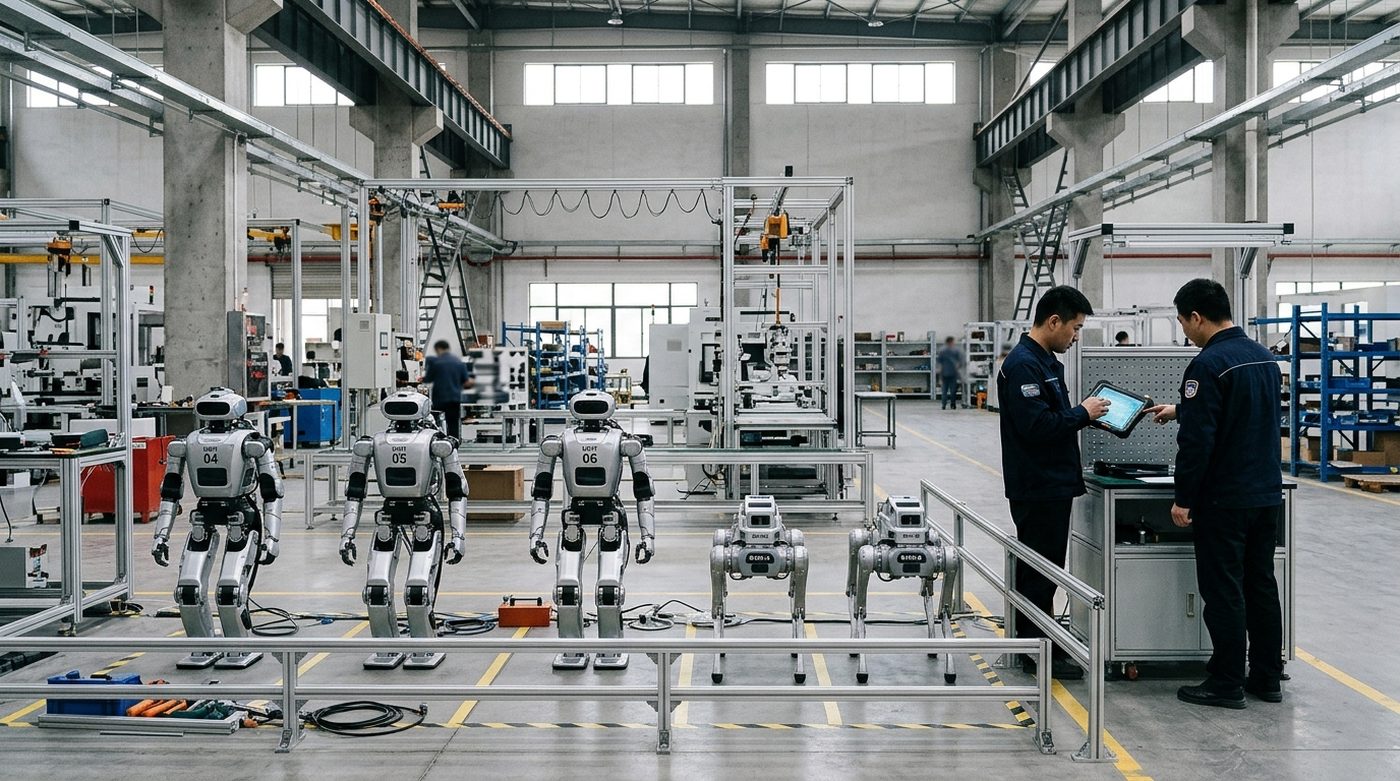
The T800 humanoid, unveiled in recent demonstrations, features 40 degrees of freedom, torque-controlled joints, and onboard neural processors capable of real-time vision-language-action modeling. These capabilities allow the robot to adapt to unstructured environments without extensive reprogramming. Production partners report deployment timelines shortened from 18 months to under nine.
What does this mean for factory workflows?
It enables 24/7 mixed-model production with minimal human oversight.
How quickly are these systems scaling?
Pilot lines are moving to full commercial fleets by late 2026.
China’s robotics strategy is no longer about catching up—it is about setting the pace for embodied intelligence worldwide.
Asia’s Manufacturing Race and Western Pressures
Neighboring economies are responding with their own automation programs, yet China’s vertical integration of components gives it a clear cost and speed advantage. Western firms face mounting pressure as Chinese suppliers undercut legacy automation pricing by 25–35 percent while delivering comparable or superior dexterity. Industry analysts note that reshoring efforts in Europe and North America must now incorporate AI co-pilots simply to remain competitive.

The broader implication is a redrawn manufacturing map where proximity to Chinese robotics ecosystems becomes a strategic asset rather than a risk. Companies ignoring this shift risk losing ground in both cost and innovation cycles.
News references: https://www.youtube.com/watch?v=wbLl3aSOzoc, https://ifr.org/ifr-press-releases/news/china-to-invest-1-trillion-yuan-in-robotics-and-high-tech-industries, https://www.scmp.com/topics/robotics, https://www.youtube.com/watch?v=Vq0W85mnYU0, https://www.youtube.com/watch?v=hmuaf1TL7ew, https://merics.org/en/report/embodied-ai-chinas-ambitious-path-transform-its-robotics-industry, https://www.youtube.com/watch?v=EJbJMg2RNgw&vl=id. Posted October 2025.