
Amazon fulfilment network
USA · 150+ sites · Kiva-derived drive units
~100 → ~400items/hour, manual → robotic
750,000+robots deployed
 United States
Robots Amazon runs, has run or has trialled — from deployment records and its own updates.
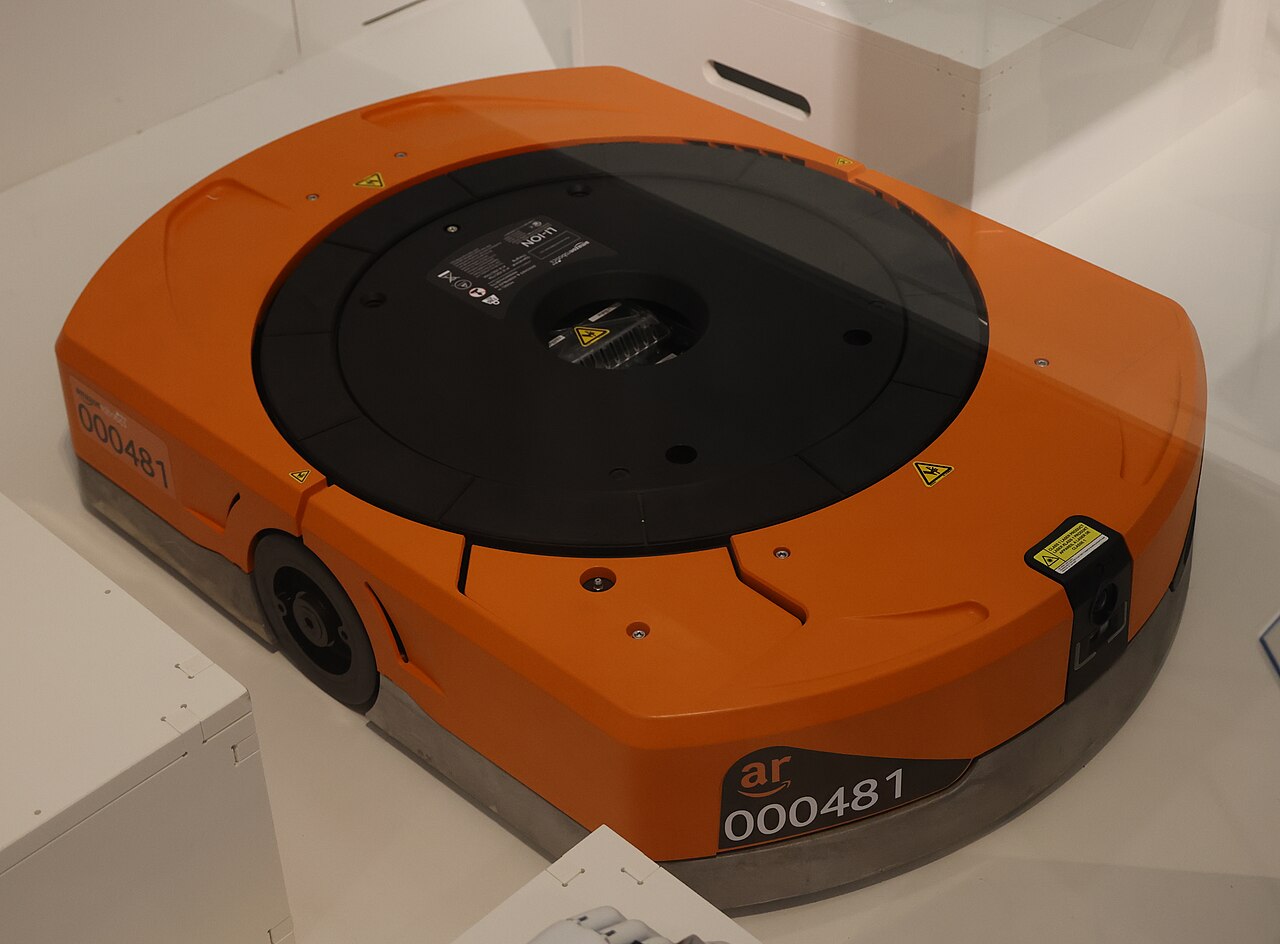
USA · 150+ sites · Kiva-derived drive units
USA · Fresh stores removed · Go stores 31 → 22
Deployment records are checked against their public sources before they appear here. T2 = operator-reported or independently observed; T3 = vendor-claimed.
No featured robotics video yet
There's no video yet
No featured robotics video is linked to this company.
No primary robotics focus listed.
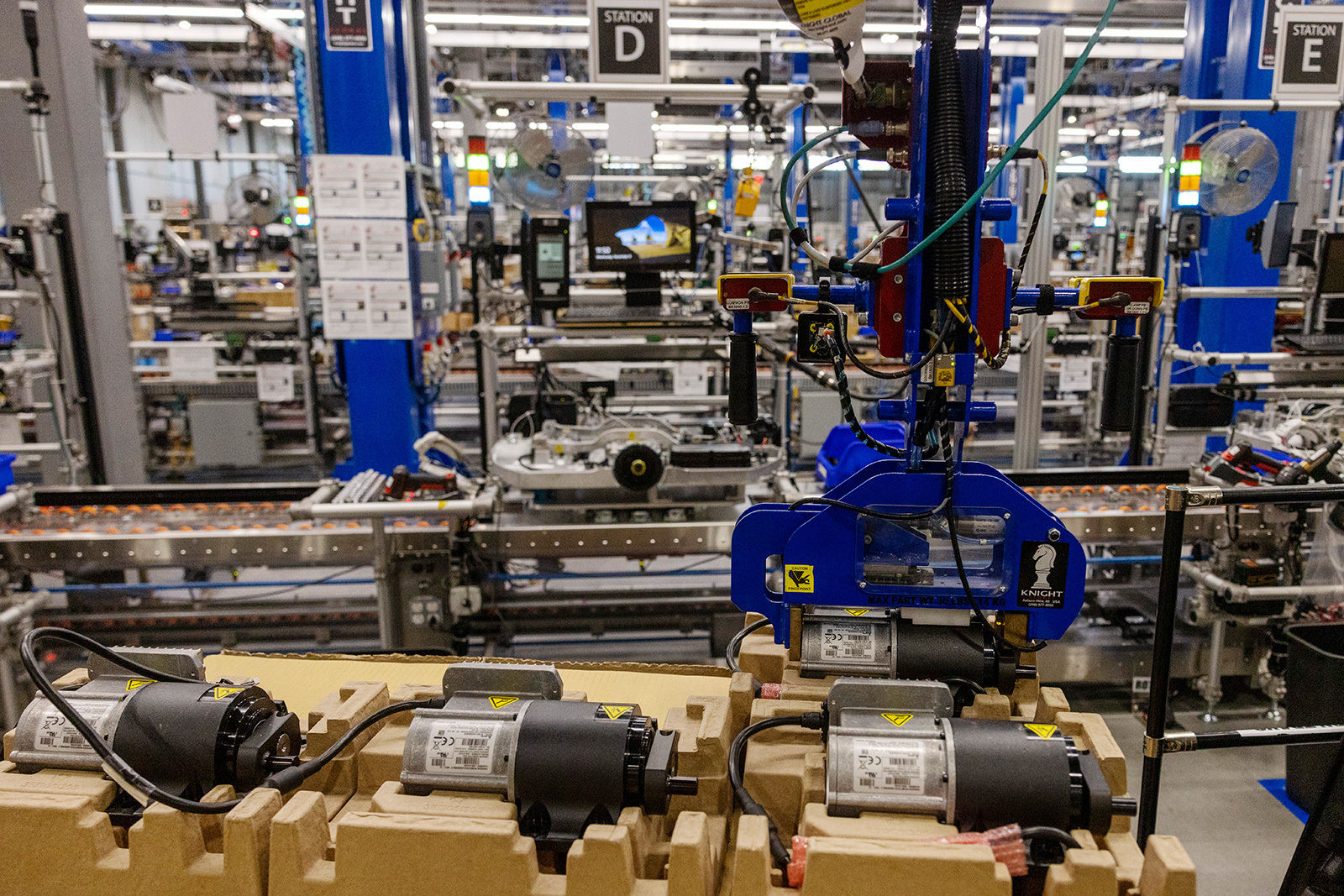
Amazon said it will invest more than US$100 million in a 585,000-square-foot advanced manufacturing facility in Greenwood, Indiana, adding to the domestic factory base that has already built over one million of the robots powering its fulfillment network, with the plant expected to open by 2028 and create 300 skilled manufacturing jobs.
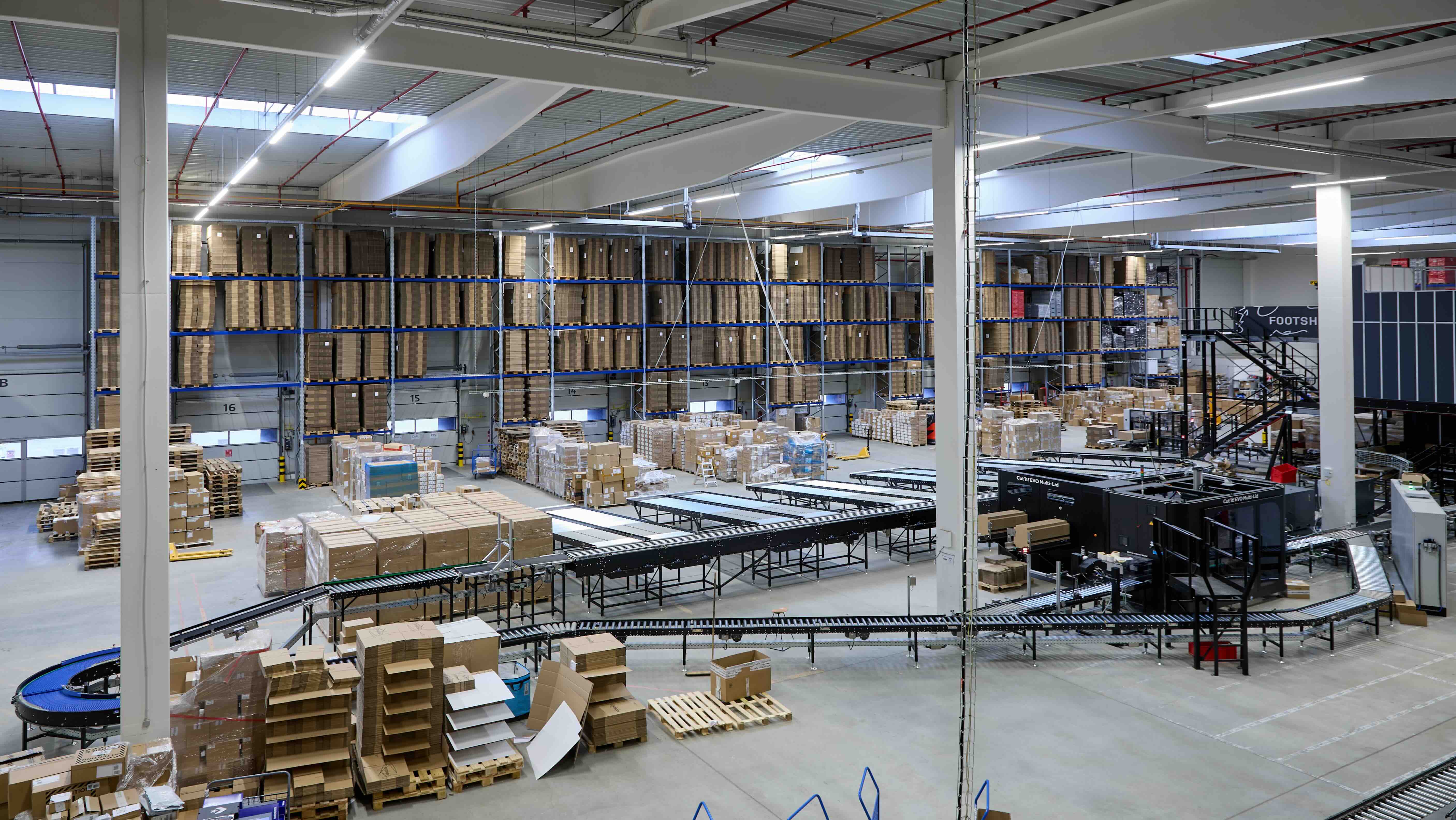
AutoStore has created a global supply framework with Amazon, but the disclosure contains no purchasing commitments. The agreement matters as a procurement signal, not as confirmed revenue or deployment.

Boston Dynamics named Rohit Prasad, a 12-year Amazon AI veteran who led Alexa and the Nova foundation models, as CEO effective October 7, closing an eight-month search since Robert Playter's exit.
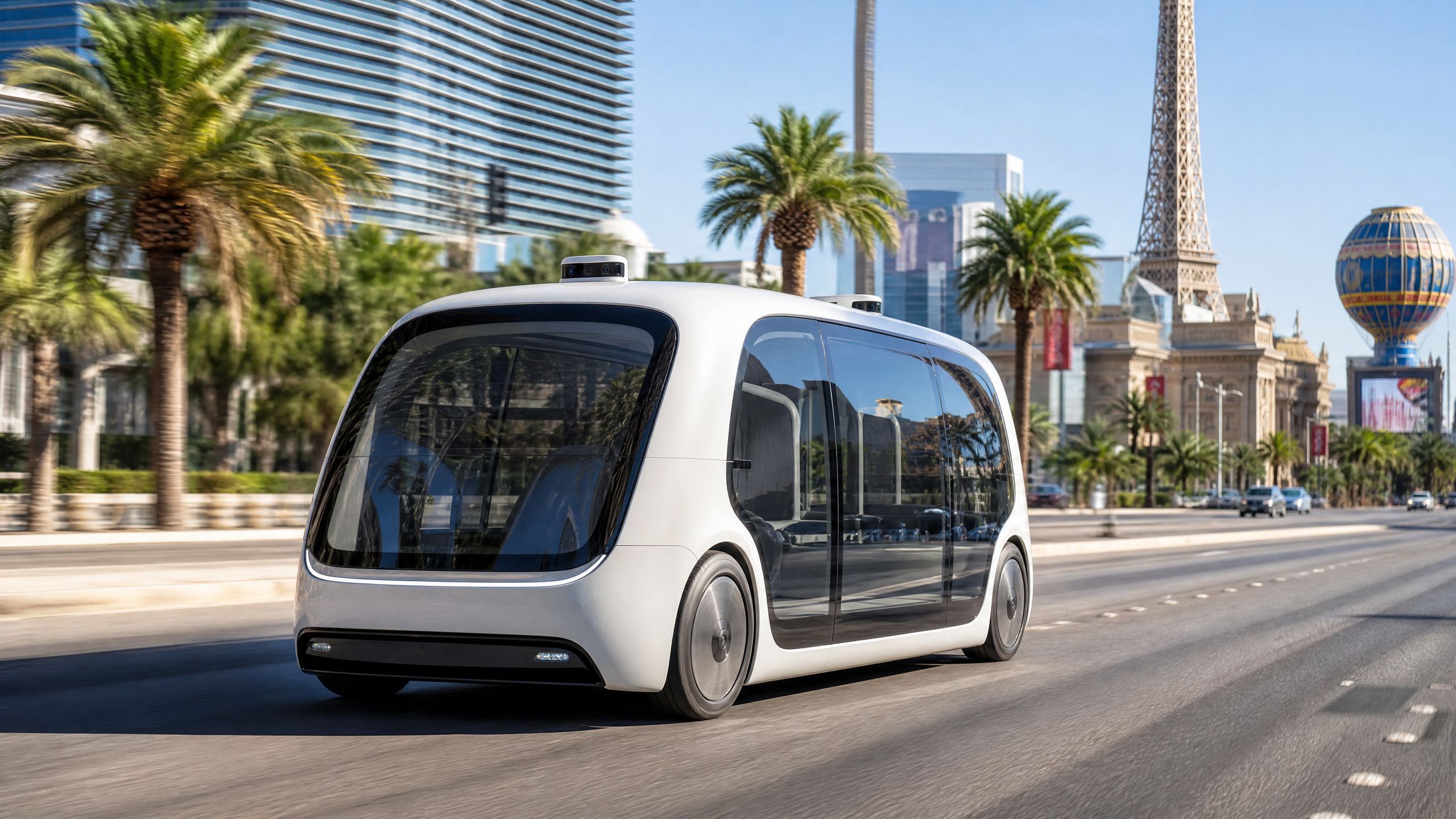
Amazon's Zoox has received the first-ever NHTSA Part 555 commercial exemption for a purpose-built autonomous vehicle without a steering wheel or pedals. The approval allows Zoox to deploy up to 2,500 robotaxis annually for two years and begin charging fares, starting in Las Vegas next month. The decision marks a watershed moment for the autonomous vehicle industry, establishing a federal precedent for vehicles that do not conform to traditional motor vehicle safety standards.
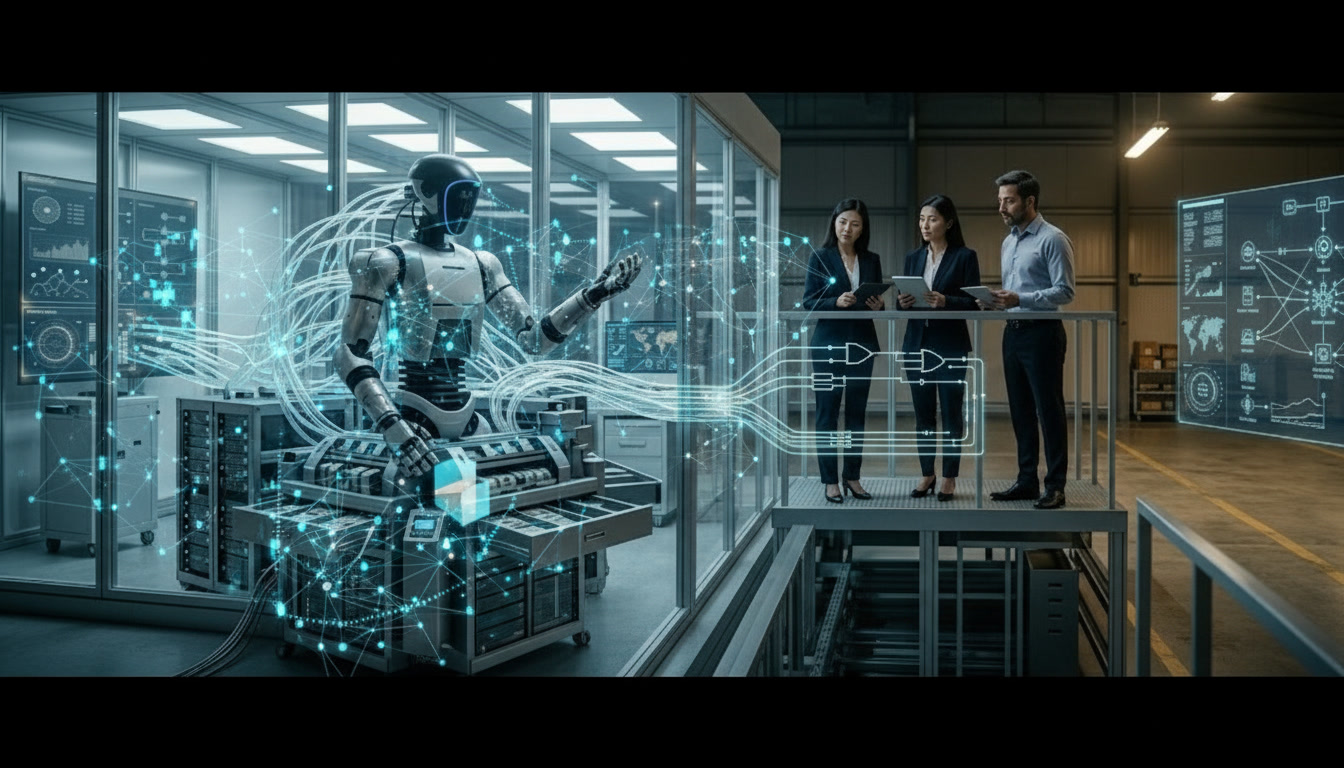
Everyone is covering NEURA's $1.4 billion round as the moment European robotics arrived. Wrong story. NVIDIA and Amazon are the names in the headline, but the round was led by Tether — a stablecoin issuer with a dollar treasury bigger than most nations. NEURA says the money funds "machine-native economic systems." A payments company just led the biggest robot round in history. The robot is not the product. The transactions are.

The article says 2026 is a turning point for robotics, driven by Physical AI, IT/OT convergence, and rapid growth in humanoid and industrial robots across manufacturing, warehousing, logistics, and other sectors. It highlights major advances like AI-powered autonomy, edge AI vision, bin-picking, and drone inventory systems, alongside big industry moves from companies such as Tesla, Amazon, and Hyundai. Overall, it argues that robotics is shifting from narrow automation to adaptable, collaborative machines that can work in human environments and boost productivity. While challenges like ethics and energy use remain, the article presents 2026 as the start of robotics becoming widespread in everyday life and business.
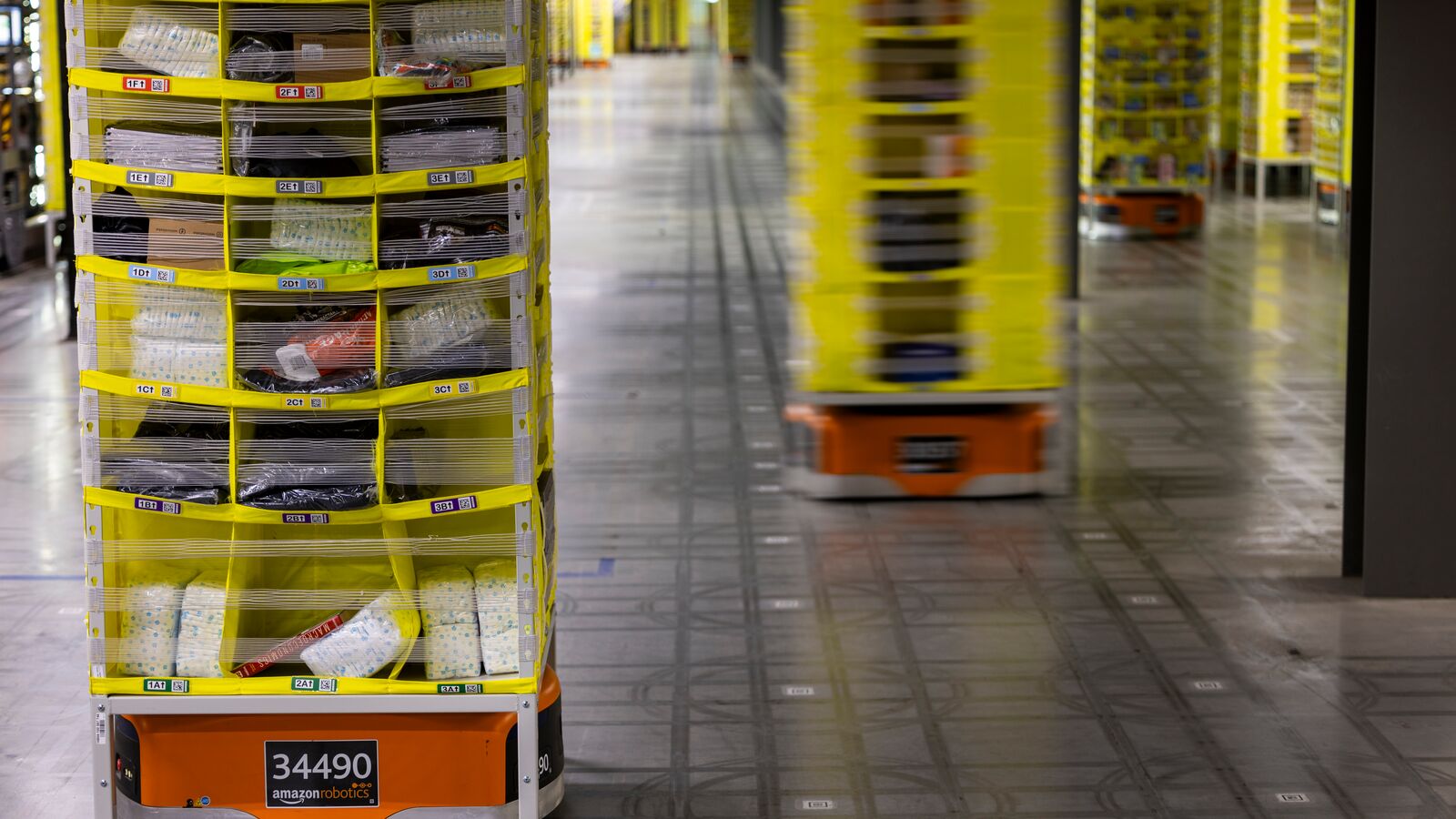
Amazon shelved its ceiling-mounted Blue Jay robot arm and cut robotics-unit jobs in early 2026, then grew its fleet to one million robots on the strength of DeepFleet, a coordination AI, not a new machine. The lesson for buyers: fleet orchestration software and maintenance staffing matter more than a dexterous robot spec sheet.
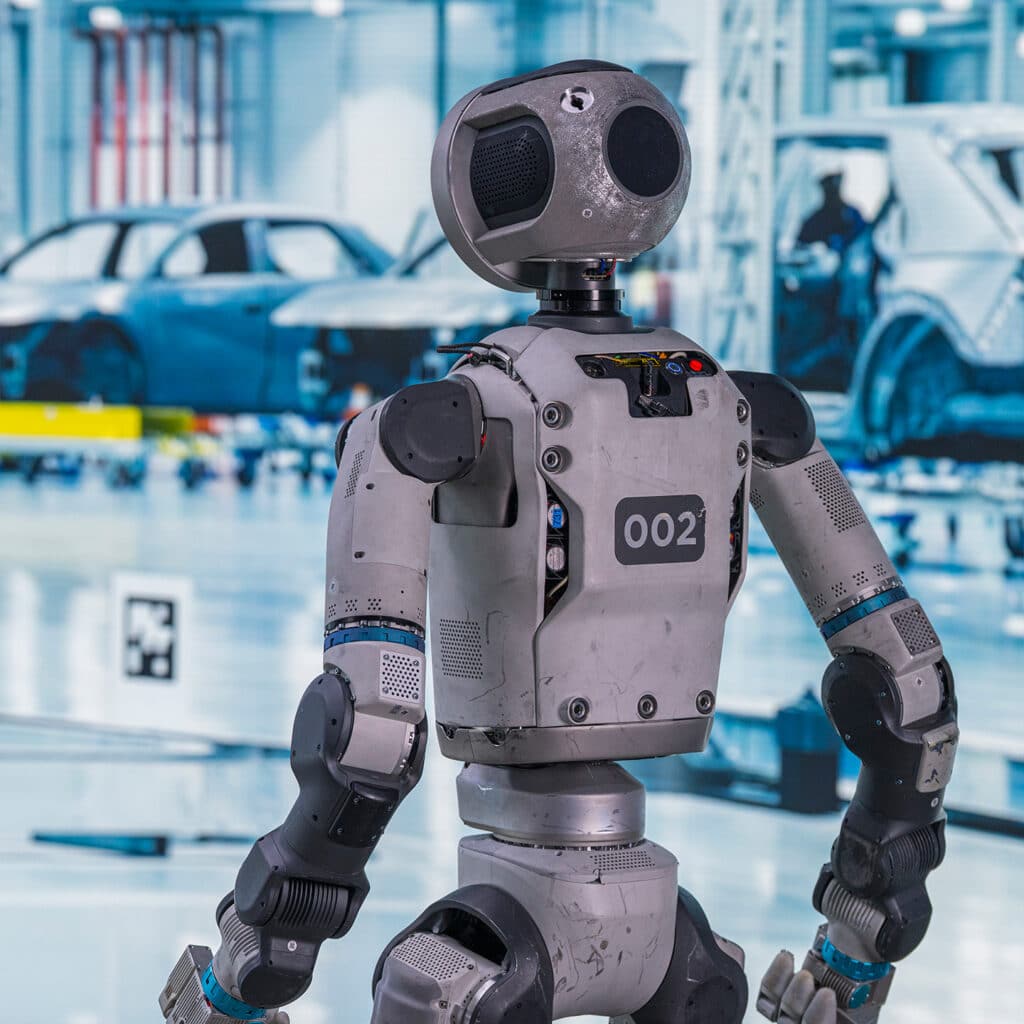
Boston Dynamics just named an Amazon AI veteran as CEO, following the same leadership pattern already used at Agility Robotics. Both bets assume the industry's hardest remaining problem is software, not the manufacturing targets these same companies have also signed up to hit.
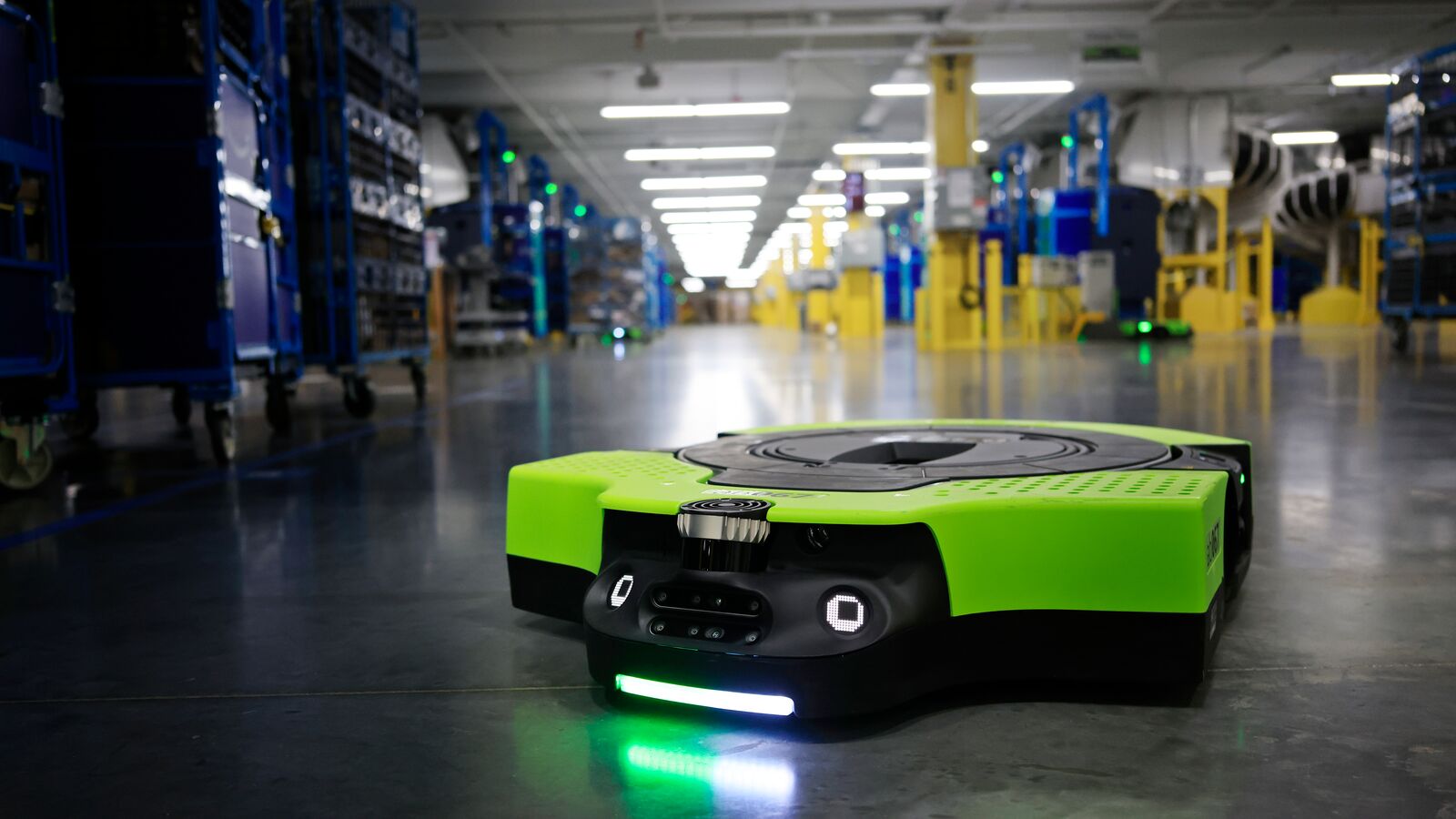
Symbotic posted US$721 million in quarterly revenue and a US$22.5 billion backlog, Amazon crossed one million deployed robots, and Locus Robotics passed seven billion picks, while humanoid deployments stay stuck at pilot scale. The physical-AI industry's attention and its actual revenue are pointed at two different kinds of machine.
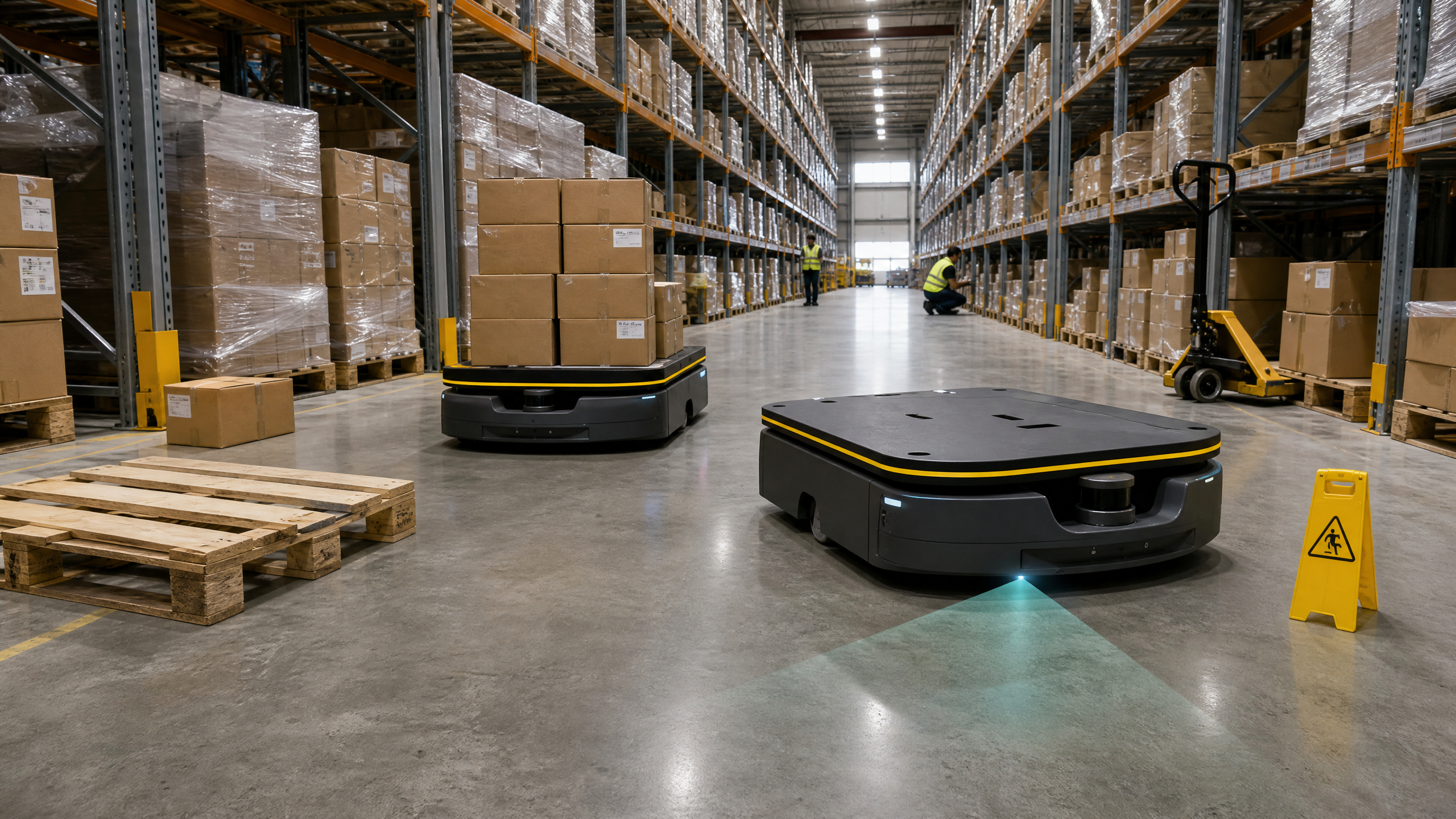
In October 2025 Amazon introduced Blue Jay, a next-generation warehouse system already handling roughly three quarters of its stored item types. Four months later the project was halted and a spokesperson reclassified it as a prototype. The operator of more than a million warehouse robots still could not distinguish a system that worked from a system that was ready until it ran in a live building. Post 7 of our AMR and AGV series introduces the ARPI Capability Readiness Gate Model, which separates the four evidentiary states that vendor roadmaps collapse into the single word can, and pairs it with a Component Cost Pass-Through Test explaining why falling battery, sensor and compute prices do not translate proportionally into a cheaper deployed robot. Peer-reviewed evidence on generalisation failure, the Clopper-Pearson statistics behind pilot success rates, and the move to version 3.0.0 of the VDA 5050 interoperability specification give buyers concrete grounds for specifying, timing and pricing the next generation.
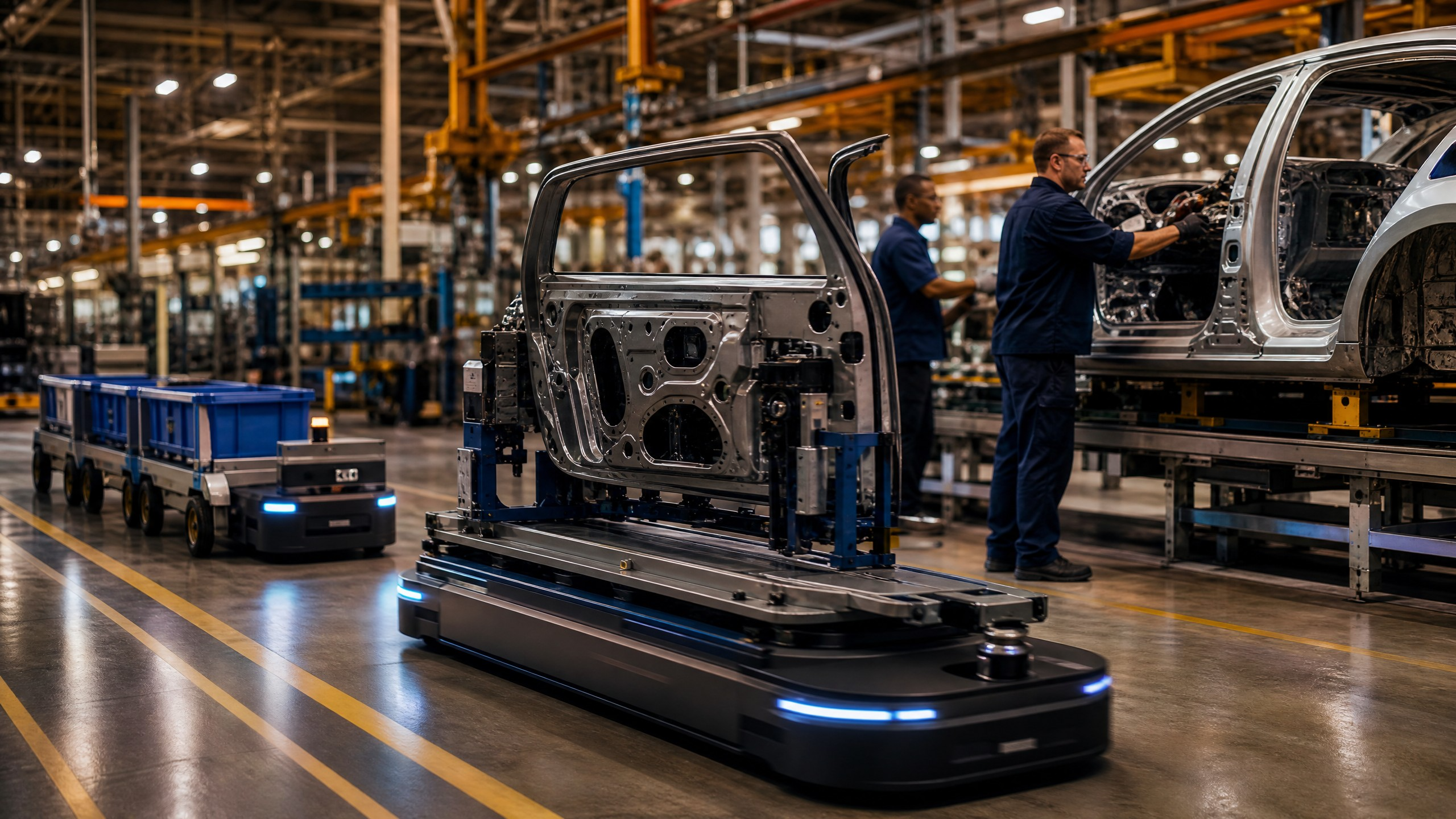
Amazon runs more than one million robots across 300-plus facilities while a family-owned logistics firm is going live with exactly 24, and everything a buyer needs to know sits between those two numbers. Post 3 of our AMR/AGV foundations series maps where mobile robots are actually deployed: the four industries that dominate the verified record, the task patterns that repeat across them, flagship cases from BMW Regensburg to FAW Toyota's 2,000-robot fleet, and an original readiness framework that matches four deployment archetypes to the organisations realistically able to copy them.
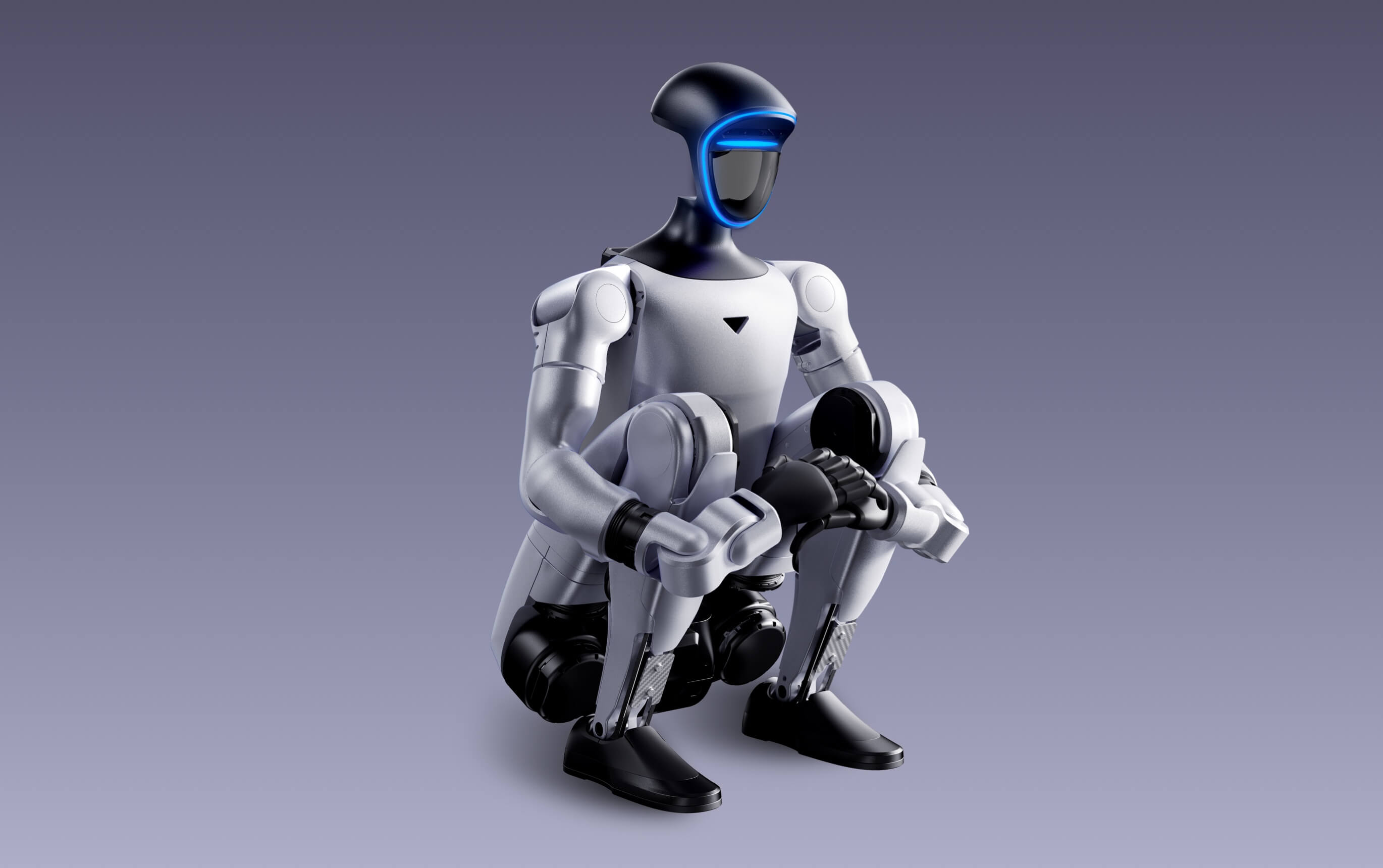
AWS, NVIDIA, and the startup Odyssey each staked out a different, incompatible bet this week on who should own the simulation layer that trains a robot before deployment, and AWS's own retreat from owning that layer outright, a year after shutting down RoboMaker, is the most telling signal of the three.
Leadership info is not available yet.