The Warehouse Robot Revenue No One Photographs
Symbotic posted US$721 million in quarterly revenue and a US$22.5 billion backlog, Amazon crossed one million deployed robots, and Locus Robotics passed seven billion picks, while humanoid deployments stay stuck at pilot scale. The physical-AI industry's attention and its actual revenue are pointed at two different kinds of machine.

Ask a robotics investor which company matters most right now and you will get a humanoid's name. Ask which company moved US$721 million of physical-AI revenue through its own systems last quarter, and most of the same people will draw a blank.
The answer is Symbotic, a warehouse automation company most consumers have never heard of, and the gap between those two answers is the actual story of physical AI in 2026.
The industry's attention and the industry's revenue are pointed at two different companies, and almost nobody is checking which one is bigger.
The number nobody photographs
On August 5, Symbotic reported third-quarter fiscal 2026 revenue of US$721 million, up 22 percent year over year, with net income of US$55 million against a net loss the year before. The company had 56 operational warehouse systems running and an order backlog of US$22.5 billion. Its largest customer, Walmart, has now taken the company's individual-item "BreakPack" system into half of its regional distribution centers, and installed the first unit of a smaller-footprint successor system, SymMicro, inside an actual retail store rather than a distribution center.
None of that produces a demo video anyone reposts. A robotic system that pulls totes out of a rack at 5 a.m. inside a Walmart DC does not trend. A humanoid that waves at a trade-show camera does. That asymmetry between what gets attention and what gets paid for is not a minor quirk of media coverage; it is actively misleading anyone using headline volume as a proxy for where the physical-AI market actually sits.
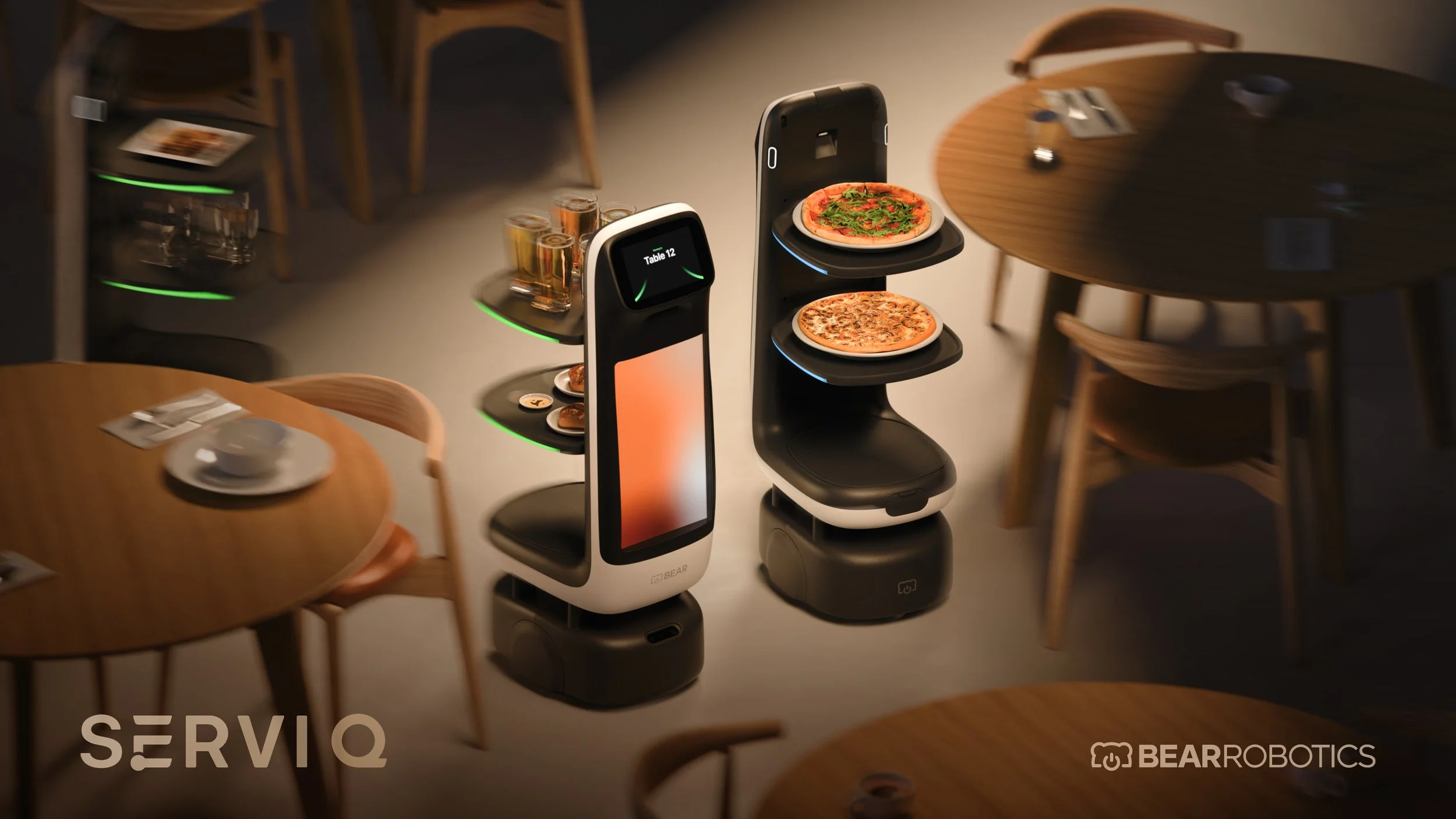
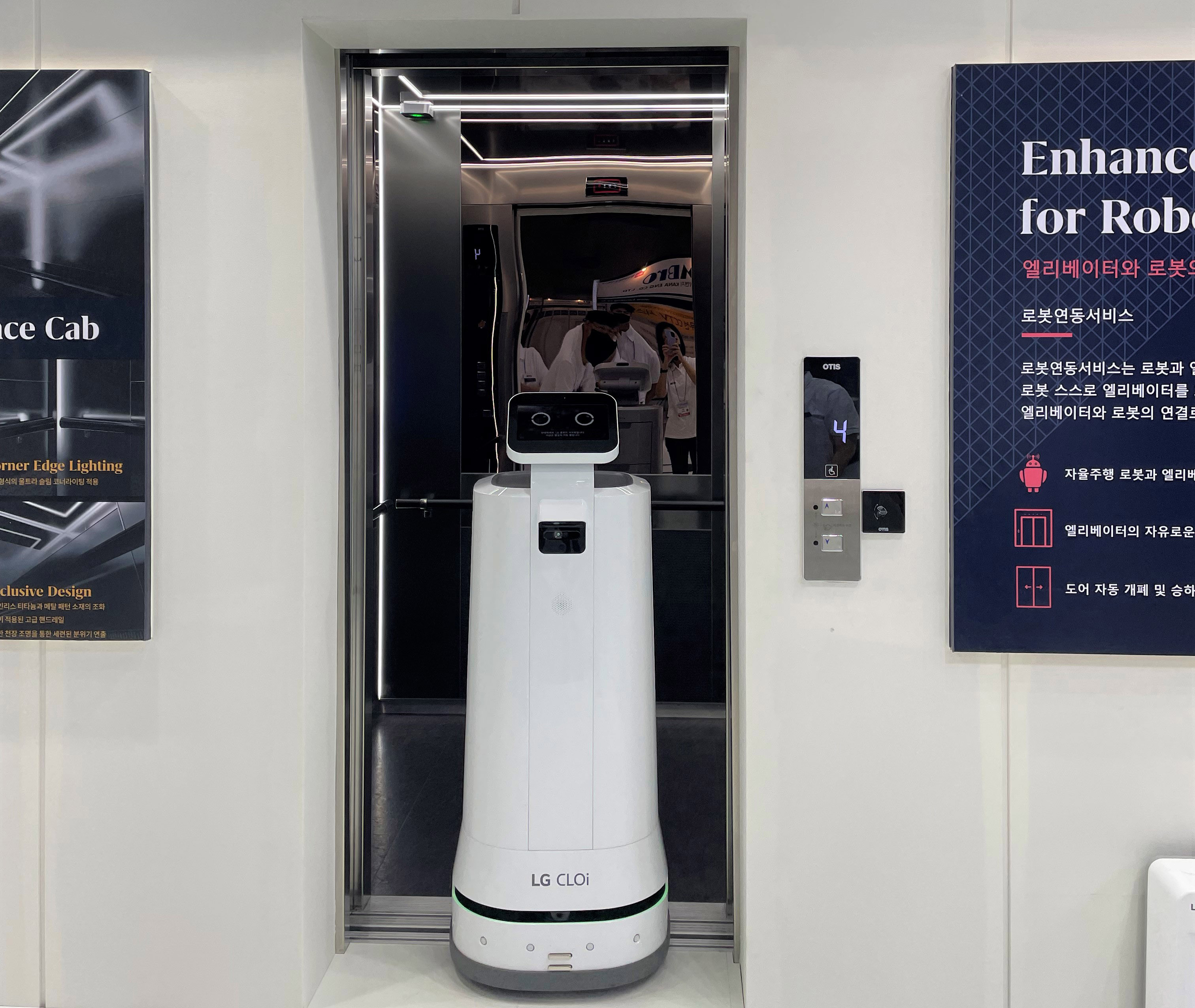
Look past Symbotic and the pattern holds. Amazon has disclosed that it has crossed one million robots deployed across more than 300 of its own facilities, a program it started in 2012 with a single shelf-moving unit and has been compounding ever since. GXO Logistics, one of the world's largest third-party logistics operators, now runs more than 20,000 robots across its network and has extended its AI operations platform, GXO IQ, to more than 1,200 sites. Locus Robotics, which rents autonomous mobile robots to warehouse operators rather than selling hardware outright, completed its seven-billionth customer pick on March 2, 2026, four and a half months after its sixth billion, the fastest interval between billion-pick milestones in the company's history, across hundreds of fulfillment sites in North America, Europe, and Asia-Pacific.
One of Locus's customers, DHL Supply Chain, separately passed its own one-billionth Locus-driven pick across more than 40 DHL-managed sites, part of an expanded global partnership under which DHL has committed to deploying 5,000 autonomous mobile robots across its network. None of these five numbers involves a robot that looks remotely humanoid. All five involve real, audited or company-disclosed revenue, backlog, or unit counts, not a funding round or a press-conference promise.
What the humanoid pilots actually are, next to this
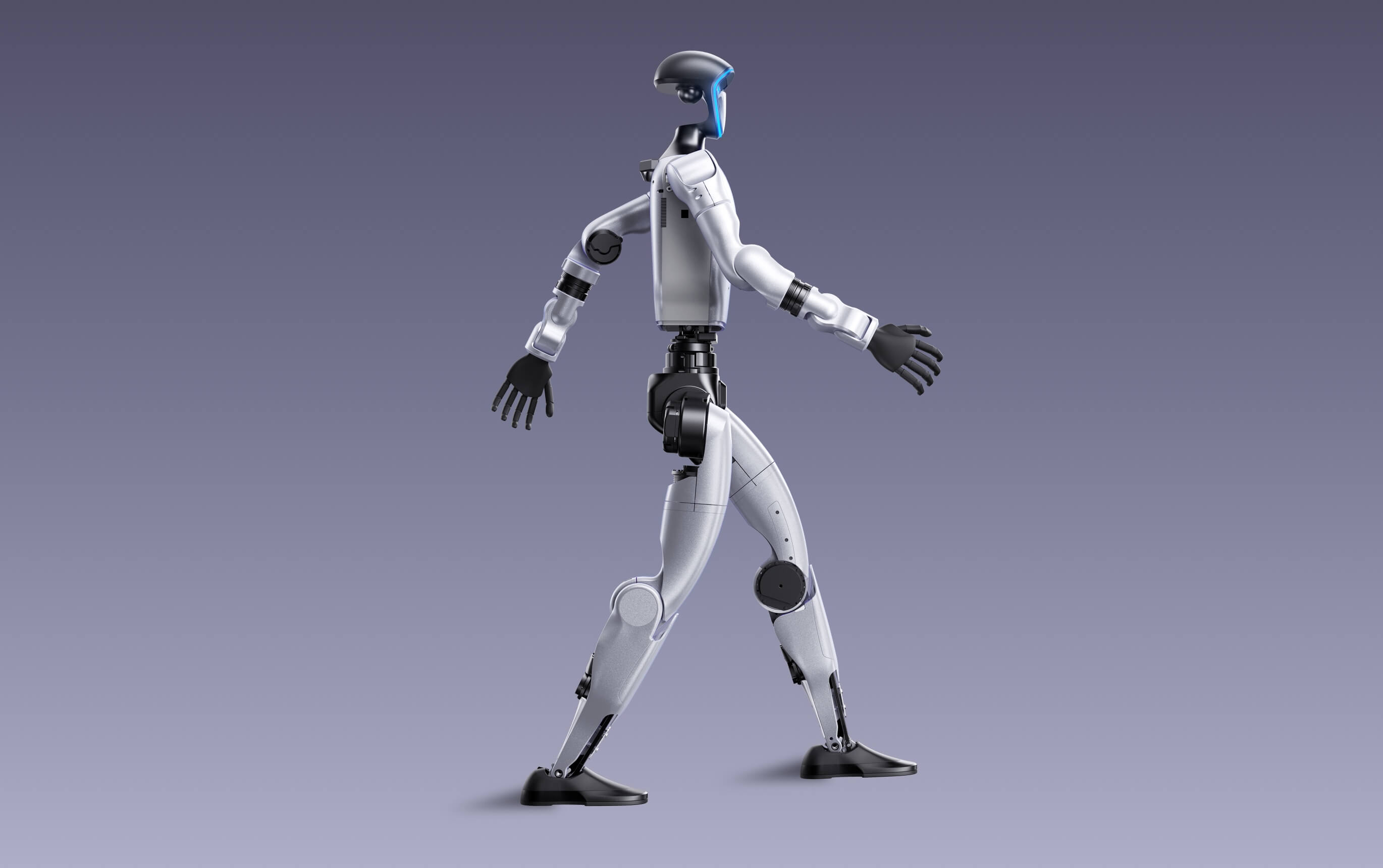
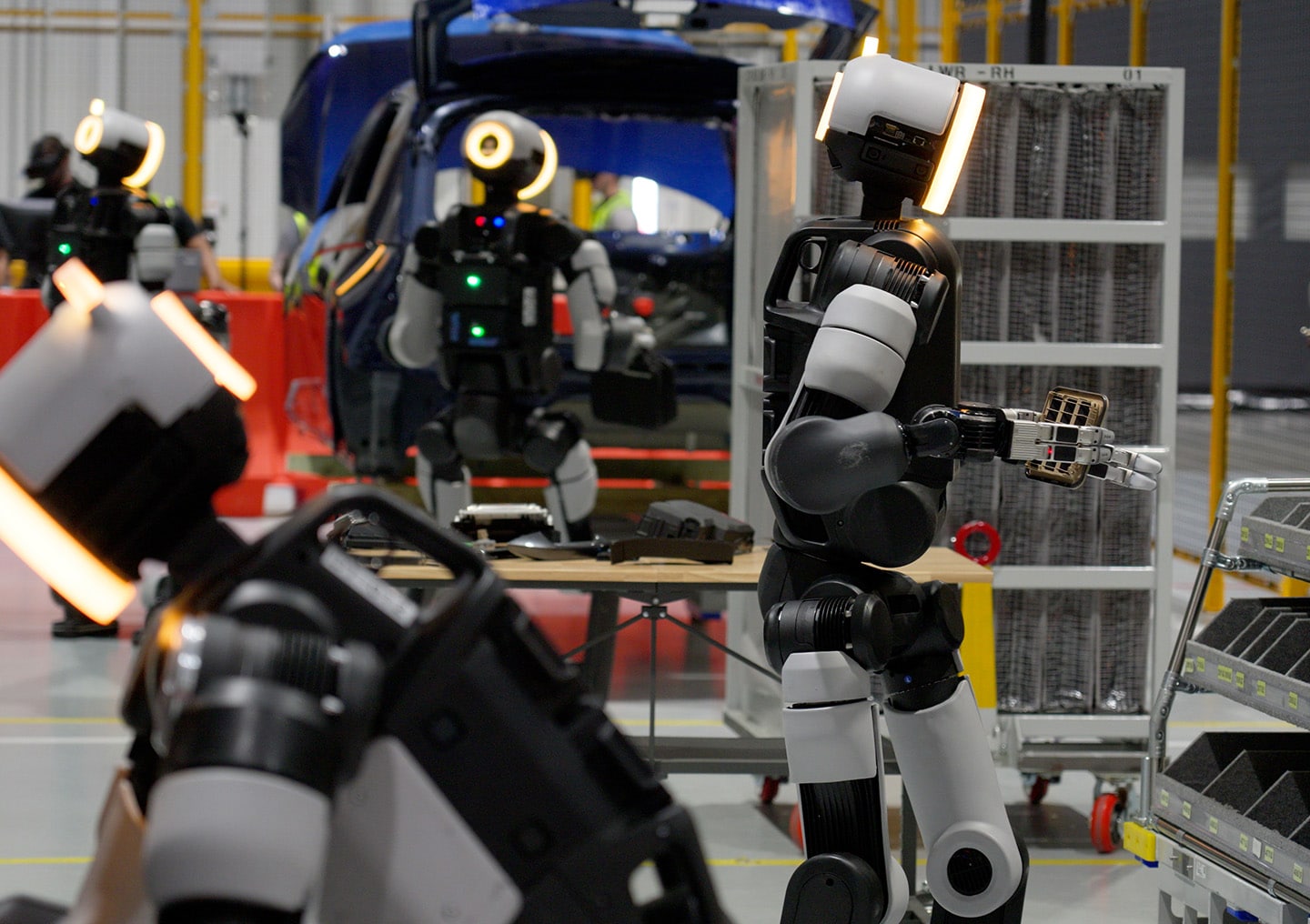
This is not an argument that humanoid robotics is fake. GXO's own Digit deployment with Agility Robotics is real, and the company describes it as the industry's first formal commercial, pay-as-you-go humanoid deployment in a live logistics operation. That is a genuine milestone.
It is also, by GXO's own description, a pilot: one deal, inside one company that already runs over 20,000 wheeled and fixed robots elsewhere in its network. GXO has separately piloted humanoid prototypes from Reflex Robotics and an inventory-scanning robot from Dexory at a single site in the Netherlands. Put the humanoid pilot next to the 20,000-robot base it sits inside, and the ratio tells you which of the two is actually running the warehouse today and which one is being tested to see if it can join it.
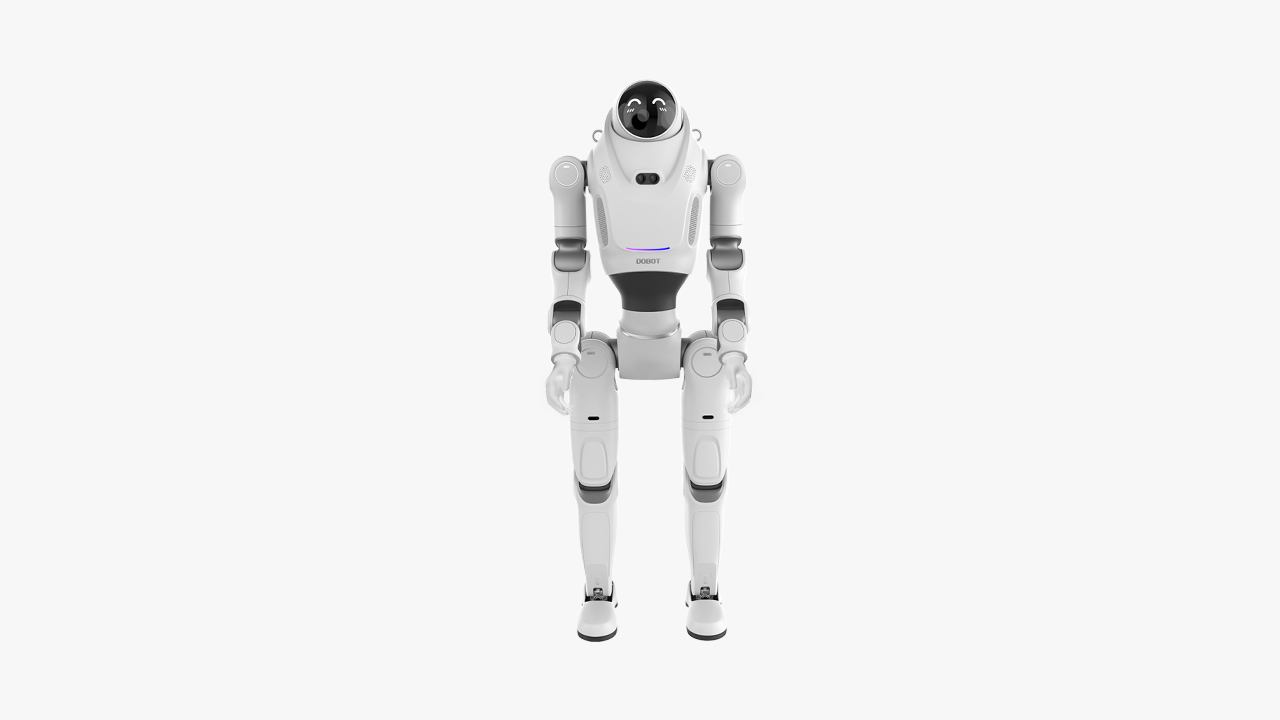
That is the pattern across the sector: humanoid units are counted in ones, tens, or at most low hundreds per announced deal, described in press releases as "first," "pilot," or "trial." Wheeled AMR fleets and fixed automated storage systems are counted in the thousands per site and the millions across a company's whole network, described in earnings calls as backlog and recurring revenue. A company can be doing both at once, as GXO is, without either fact canceling out the other. What it cannot do is have both facts carry equal weight in a reader's mental model of "how automated is this industry," because they are not remotely the same order of magnitude.
Why the confusion survives contact with the numbers
Part of the reason the humanoid story keeps outrunning the wheeled-fleet story is structural, not just aesthetic. A funding round or a demo is a single, dateable, quotable event with a clean narrative arc: robot walks, robot learns, robot gets money. A warehouse automation contract is a multi-year rollout disclosed in fragments across quarterly earnings calls, procurement filings, and 10-Ks, legible mainly to people who read those documents for a living. The humanoid story is built for a news cycle. The wheeled-fleet story is built for a spreadsheet.
I spend most of my working day on the spreadsheet side of that divide: building and correcting a taxonomy of individual robot deployments, company by company, because press coverage volume and actual deployment volume routinely point in opposite directions, and the only way to tell which company is which is to go back to the primary disclosure every time. Symbotic's backlog number comes from its own earnings release, not a market-research estimate. Amazon's million-robot figure comes from Amazon's own announcement, not a trade-press aggregation of anonymous sourcing. That distinction matters more in this specific industry than in most, because physical AI's marketing has gotten good at borrowing the visual grammar of a bigger deployment than the one that actually exists.
From an ASEAN vantage point, this asymmetry is easier to see rather than harder, because almost nothing in the region's actual procurement conversations involves a humanoid. The automation decisions that get made here run through the same category as Symbotic, Locus, and GXO: a 3PL operator or a distribution center deciding whether wheeled AMRs pencil out against a given site's rent, labor cost, and throughput target. That is a boring decision to write about and an extremely consequential one to actually make, and it is being made, this year, at a pace the trade shows do not capture.
The forecast that would actually falsify this
If humanoid robotics is genuinely about to overtake wheeled and fixed warehouse automation as the sector's revenue center, the evidence will not arrive as another demo video or another funding round; those have already been arriving for two years without changing the underlying ratio. It will arrive as a specific, checkable fact: a logistics operator's own earnings disclosure showing humanoid unit counts moving from pilot scale, tens of units, into fleet scale, thousands of units, at a single company, the same way Symbotic's system count and Locus's pick count are disclosed today.
Until a humanoid vendor can point to its own backlog number instead of its own demo reel, the physical-AI industry's center of gravity is exactly where the wheeled robots already parked it. Watch Symbotic's next quarterly system count, GXO's next disclosure on whether the Digit pilot expands past its first site, and whether any humanoid maker starts publishing a cumulative-units-deployed figure the way Locus publishes cumulative picks. The company that first discloses that number in the tens of thousands, not the low hundreds, will be the one that actually earned the attention the humanoid story has been borrowing since 2024.
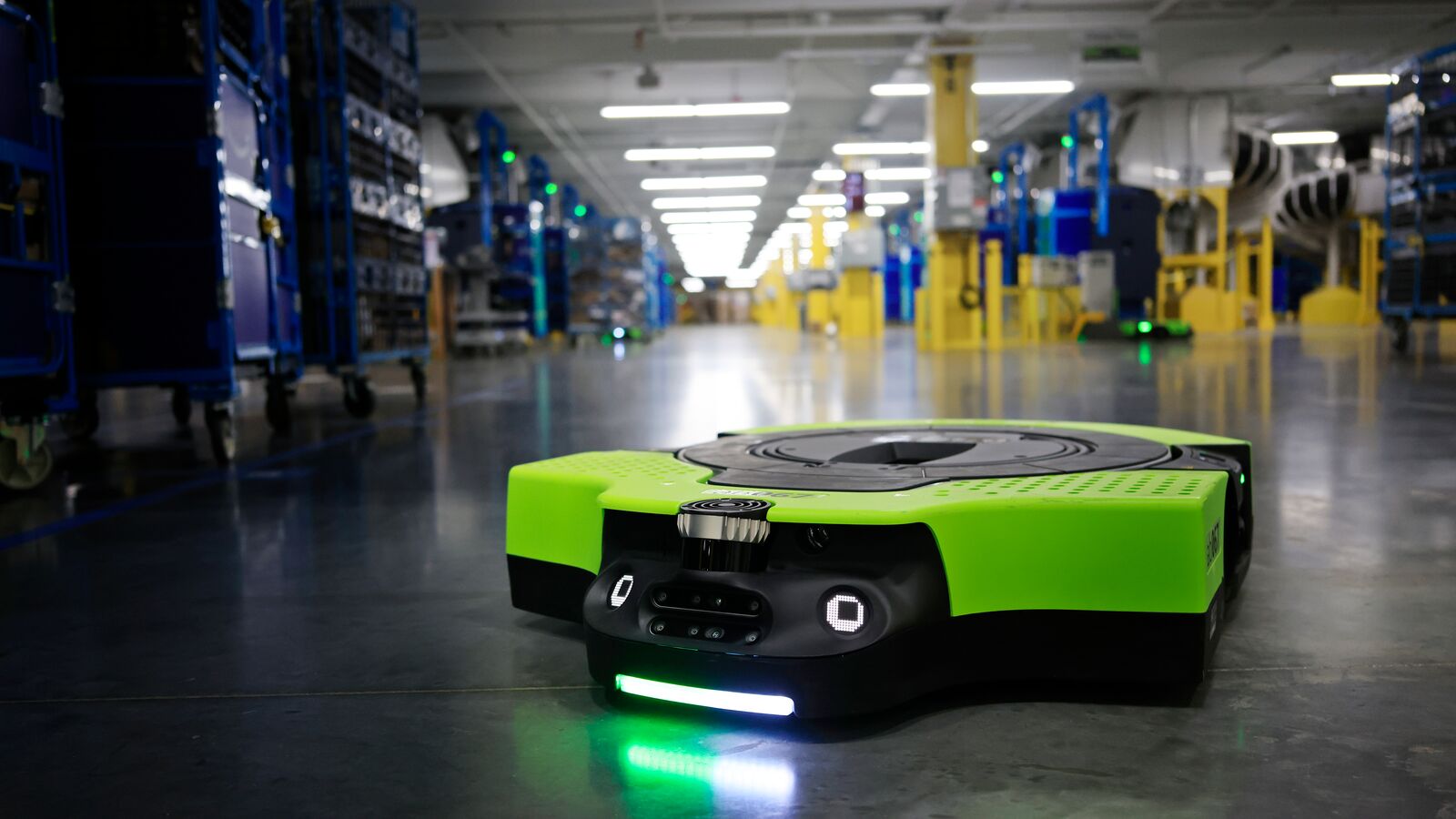
Disclaimer: This column reflects the author's own analysis and is provided for general information purposes only. It does not constitute investment, financial, legal, or employment advice. Readers should verify details with primary sources before making business decisions. Hero image: An Amazon Proteus autonomous mobile robot operating inside an Amazon fulfillment center, official Amazon photography via aboutamazon.com.