The U.S. Is No Longer the First Market a Surgical Robot Conquers
Medtronic's latest Hugo clearance covers one instrument for one U.S. specialty, four years after the platform launched abroad. Across surgical robotics, FDA clearance now proceeds one procedure at a time, and it's made the United States the last major market platforms reach with full capability.

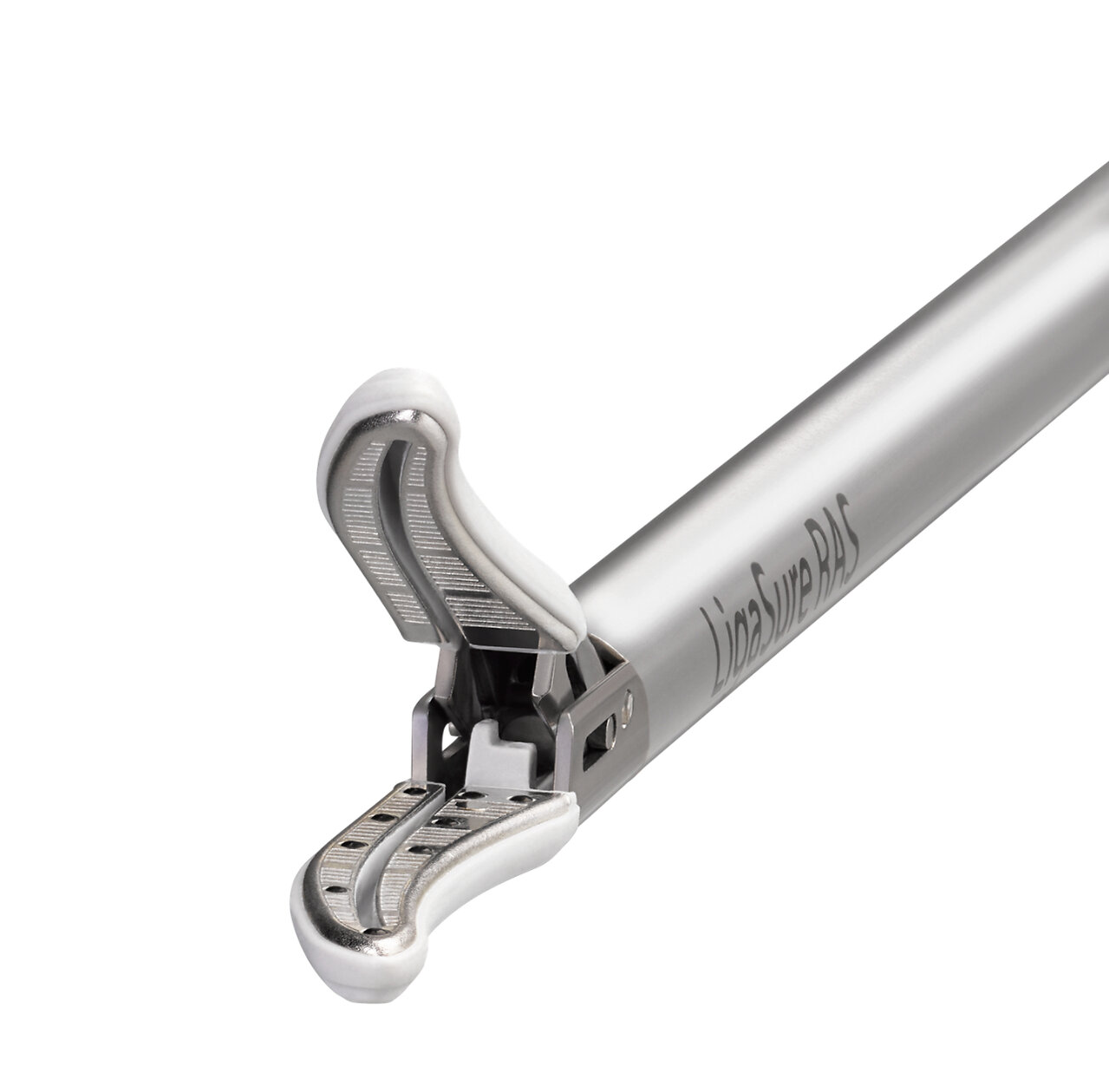
On September 16, Medtronic announced that its LigaSure RAS Maryland sealing instrument had cleared the FDA for use on the Hugo robotic-assisted surgery system. One instrument. One specialty. Urology only, in a country where Hugo itself has been a legal product for barely nine months: the FDA didn't clear Hugo for any U.S. use until December 3, 2025.
Hugo has been operating hospitals outside the United States since 2021, when Medtronic secured European CE Mark approval and ran its first commercial urology and gynecology cases in Latin America and India. Today the platform is authorized for more than 50 procedures across urology, general surgery, and gynecology in over 35 countries. Four years after Hugo went live abroad, American urologists are only now getting the sealing instrument that surgeons elsewhere have used for years, and only for the one specialty Washington has cleared so far.
The country that invented commercial surgical robotics is now the slowest major market to receive full use of it.
That is not a knock on any single company's regulatory strategy. It is a structural fact about how the FDA clears robotic surgery hardware, and it is reshaping the competitive order of an industry that most coverage still describes as an American-led field with Chinese and European challengers racing to catch up. Run the clearance calendars side by side and the race looks backward: the United States is where indication breadth arrives last, not first.
Why One Clearance Is Never the Whole Platform
Regulators do not approve a surgical robot once and let hospitals use it for whatever a surgeon judges appropriate. The FDA clears specific instruments for specific procedure categories, and a platform that wants to sell into urology, general surgery, gynecology, and cardiac work needs a separate submission, and often a separate clinical dataset, for each one. A robot arm is a single hardware review. Its usable surgical menu is a running sequence of filings that can take years to complete.
Intuitive Surgical, the company that has run this playbook longest, shows what the finished version looks like. Its da Vinci 5 system received FDA clearance for cardiac procedures, including mitral valve repair, in January 2026, years after the base platform's original clearance and long after cardiac surgeons elsewhere had access to comparable robotic tools. That incremental filing sits on top of an installed base that reached 11,106 da Vinci systems worldwide by the end of 2025, generating roughly US$6.02 billion in instruments-and-accessories revenue for the year, up 19 percent from 2024. Intuitive is not selling robots so much as renting access to a slowly, expensively assembled catalog of cleared procedures, one filing at a time, and collecting on every use.
The Challengers Face the Same Queue, Regardless of Track Record
If regulatory drip only slowed the incumbent, it would be a minor curiosity. It doesn't. It slows everyone equally, which is the part that upends the standard "Intuitive versus the field" narrative.
CMR Surgical's Versius Plus system had completed more than 40,000 procedures outside the United States, across a broad range of indications, before it received its first FDA 510(k) clearance in December 2025. That clearance covered exactly one procedure: cholecystectomy, gallbladder removal. To add gynecologic procedures such as hysterectomy, CMR had to file an entirely separate 510(k) application. Forty thousand real-world procedures elsewhere bought the company nothing in Washington beyond a stronger supporting file; the U.S. market still had to be won indication by indication, starting from zero.
MicroPort MedBot's Toumai platform tells the same story from further away. Toumai's single-port system received full Chinese market approval from the National Medical Products Administration in March 2025 for urology, general surgery, and gynecology, and its tele-robotic system followed in May 2025 as, by the company's account, the world's first tele-operated surgical robotic system authorized for commercial clinical use. In the United States, as of last year, Toumai held an FDA Investigational Device Exemption, the permission to run a clinical trial, not the permission to sell. A platform cleared for broad commercial use across three surgical specialties in China is, in the U.S. system, still a research device.
What This Looks Like From an ASEAN Hospital's Chair
I run a robotics data platform from the Philippines, tracking companies, their regulatory filings, and their deployments across dozens of jurisdictions, which means I spend a fair amount of time reading clearance documents the way a hospital purchasing committee anywhere in this region would: as the actual determinant of what a given robot can be used for, not as a proxy for how advanced the underlying engineering is.
From that seat, the FDA's indication-by-indication process looks less like a national quirk and more like a filter that decides, years in advance, which country's surgeons get which capability first. A regulator in a market that accepts CE marking or NMPA approval as sufficient evidence, or that runs a faster domestic pathway, can put a broader instrument menu in front of surgeons well before the same menu clears in the U.S. An ASEAN hospital evaluating Hugo, Versius Plus, or Toumai today is, in a real sense, evaluating a more capable version of each platform than the one currently available to an American hospital down the specialty list from urology.
That inversion cuts against the assumption, still common in trade coverage, that U.S. market entry is the proving ground every serious platform has to clear before it counts as legitimate. Capital markets still reward U.S. presence disproportionately, and Intuitive's valuation reflects that. But capability access, the actual question a hospital administrator or a patient cares about, now runs on a schedule set by whichever regulator moves fastest on a given procedure, and that regulator is frequently not the FDA.
The Trade-Off Nobody Advertises
There's a reason the FDA's caution deserves more credit than this framing might suggest: procedure-by-procedure clearance exists because a robotic instrument that works safely for gallbladder removal does not automatically work safely for a hysterectomy, and forcing platform-level trust to be re-earned per procedure has, so far, avoided the kind of broad safety recall that a single blanket approval could invite. The cost of that caution is measured in years of delayed access for American patients in specialties a platform has already proven safe somewhere else, which is a real cost, just one that shows up as a missing option in a surgeon's toolkit rather than a headline.
The moat this creates is durable precisely because it isn't really about who builds the best robot arm. It's about who can afford to keep a multi-year, multi-jurisdiction clearance calendar running long enough to out-file everyone else, market by market, procedure by procedure. Intuitive's multi-billion-dollar annual instrument revenue funds exactly that kind of patience. Newer entrants have to buy it with venture capital or a strategic parent's balance sheet, which is a much shorter runway.
Watch what happens next in general surgery and gynecology, the two specialties where Medtronic, CMR, and eventually MicroPort are all racing the same U.S. clock from different starting lines. Whoever clears that queue first will have done it not by building a better robot, but by outlasting a slower and more cautious market than the one they already won.
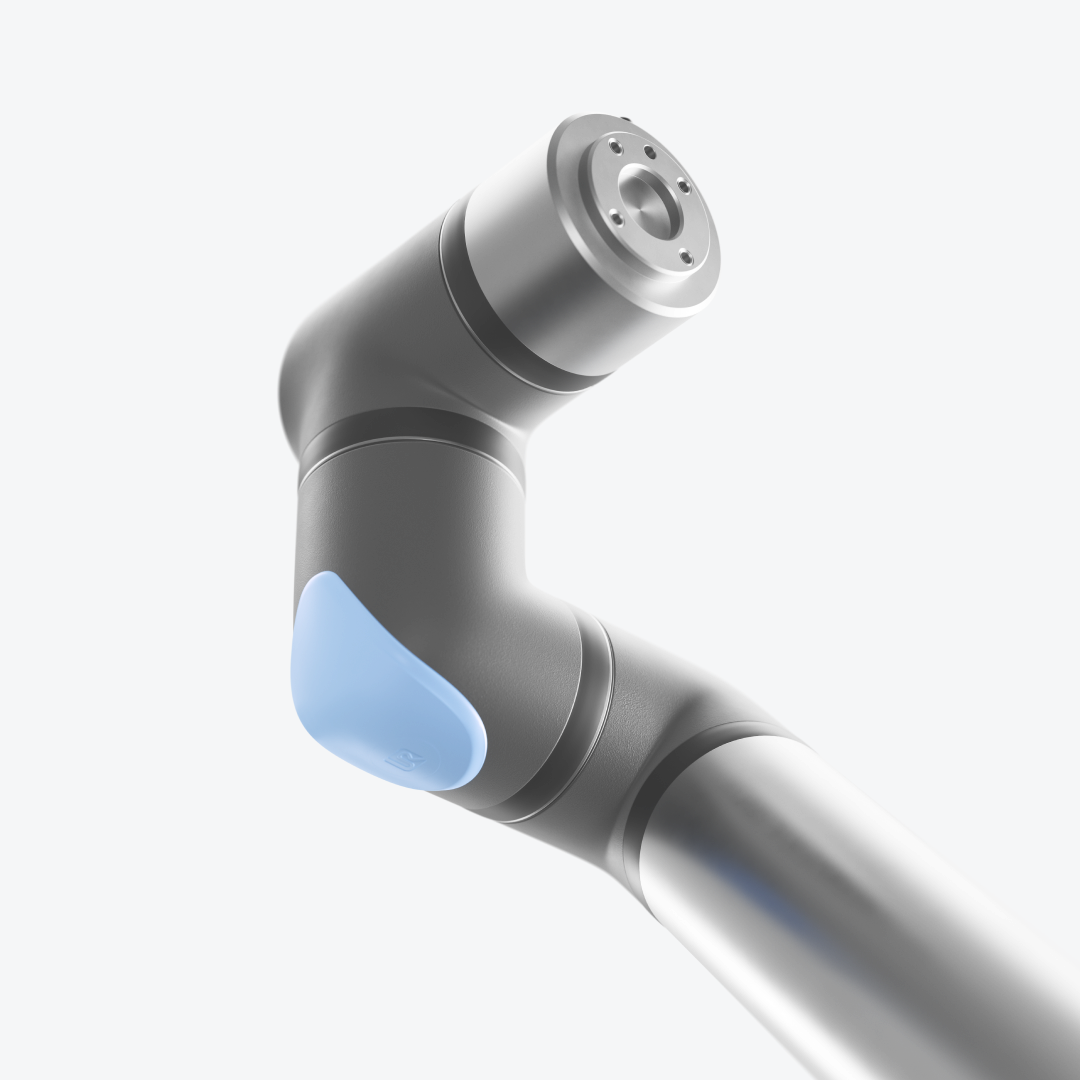
Hero image: official Medtronic product photography of the LigaSure RAS instrument jaw for the Hugo RAS system, via Medtronic.
Disclaimer: This article is for general information purposes only and does not constitute investment, legal, or procurement advice. Readers should verify details with primary sources before making business decisions.