The Real Barrier to Scaling Humanoid Robots Was Never the Robot
Agility Robotics unveiled Digit 5, its first humanoid engineered to work without safety cages, but the ANSI and ISO standards meant to certify that claim are still unfinished, leaving real diligence to buyers.

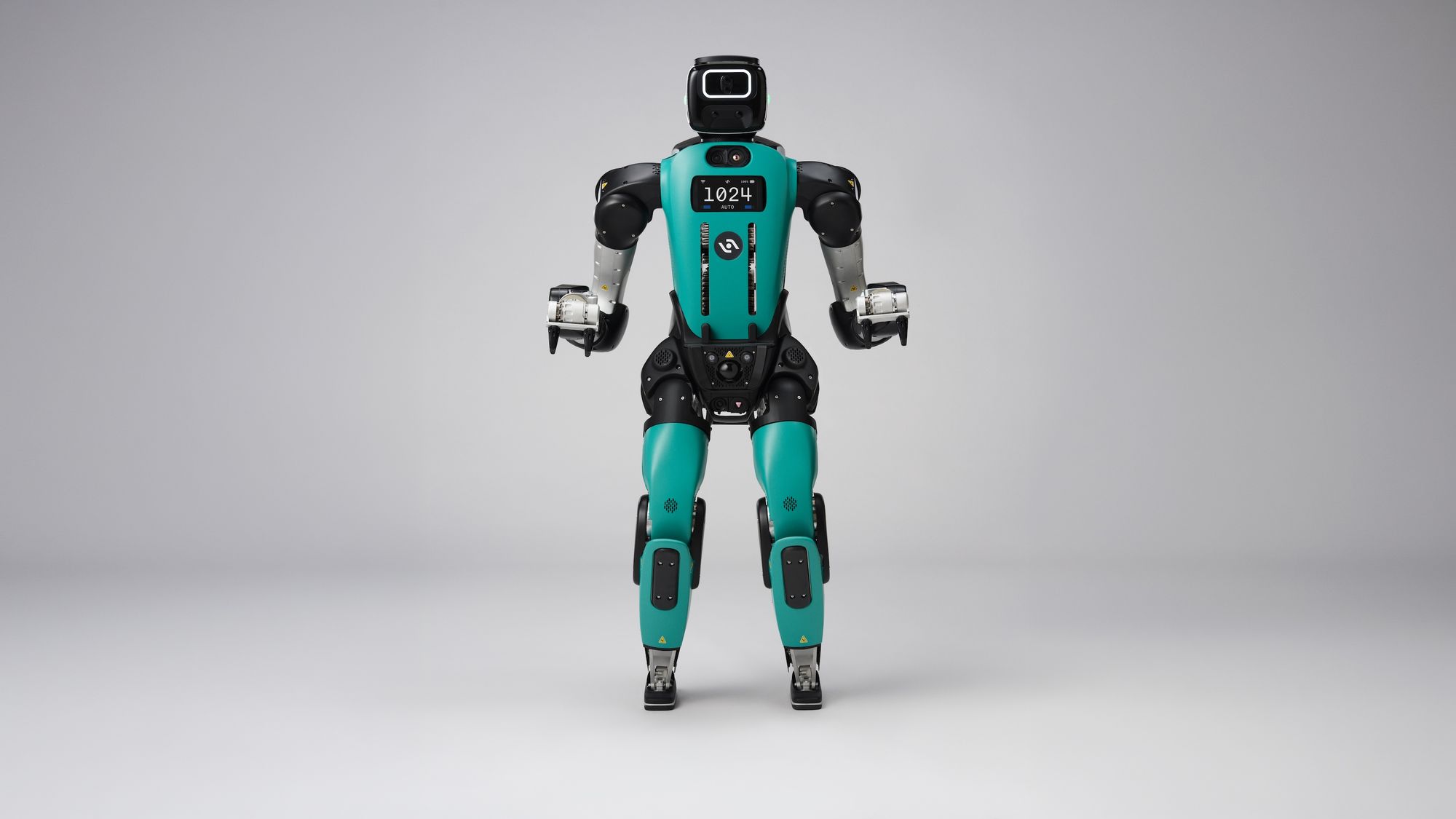
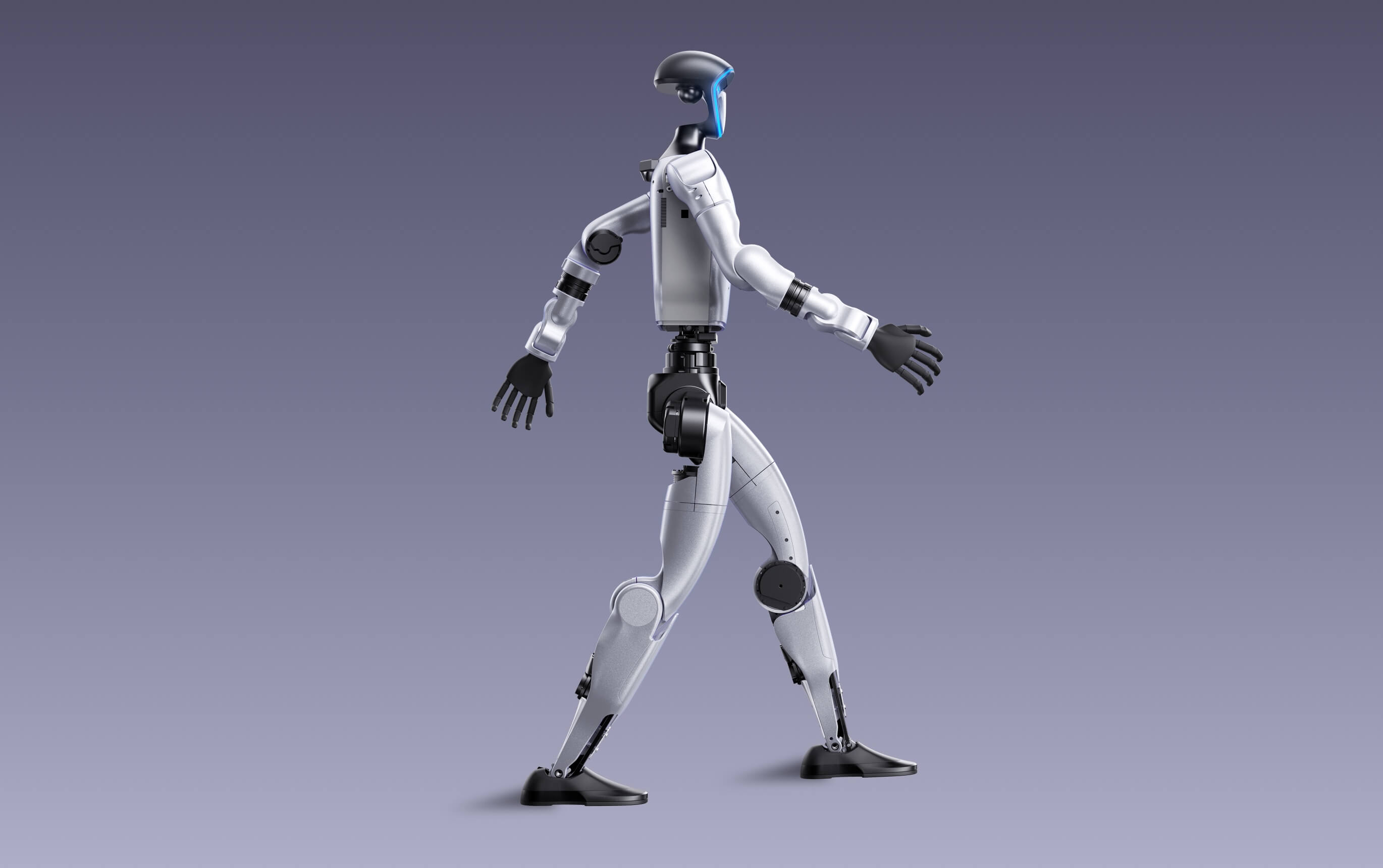
For three years, every humanoid robot working inside a real factory or warehouse has done so behind some version of a cage. Fences, painted floor zones, light curtains, and human minders standing by to hit an emergency stop have been the unglamorous price of admission for putting a machine capable of lifting, walking, and swinging an arm anywhere near a person, regardless of how capable that machine's underlying AI has become. Agility Robotics unveiled Digit 5 on Monday and framed the announcement almost entirely around removing that cage rather than around any single new skill the robot has learned, a framing choice that reveals more about where the humanoid robotics industry's actual constraints sit than most of the choreographed demonstration videos the sector has produced over the past two years. Digit 5 is Agility's first robot engineered specifically for what the company calls cooperatively safe operation, work within arm's reach of people without the physical barriers traditional industrial automation has always required, and the mechanism behind that claim, not the robot's payload capacity or battery life, is the detail worth scrutinizing before any procurement team treats barrier-free humanoid deployment as commercially available today.
Why the Cage, Not the Robot, Has Been the Bottleneck
Industrial automation buyers have understood for decades that a robotic arm capable of lifting 50 pounds can also break a person's arm if it moves unpredictably, which is precisely why factory floors have spent a half-century building physical separation between robots and workers rather than trusting software alone to keep people safe. That separation carries a real cost. Fenced-off robot cells consume floor space that could otherwise hold inventory or additional workstations, they prevent a robot from handing an item directly to a person mid-task, and they force facility layouts to route human and robot work through separate physical paths even when the underlying task would be more efficient if a person and a machine could work the same station together. Humanoid robots were supposed to solve this by being safer than industrial arms by design, human-scale, slower-moving, and equipped with modern sensing, but until a robot passes a recognized independent safety evaluation, that theoretical safety advantage carries no more legal or insurance weight than a marketing claim, and most facilities have kept humanoids fenced off out of the same liability caution that governs every other form of industrial robotics.
Agility's own account of Digit 5's development traces directly to that constraint. The company says the robot's new safety architecture was built in direct response to three years of customer feedback gathered while Digit 4 worked inside real facilities, and it builds on what Agility describes as Digit becoming the first humanoid robot to pass an independent field evaluation on a customer production line against industrial safety standards administered by the U.S. Occupational Safety and Health Administration. That OSHA field evaluation, not any specific hardware upgrade, is the foundation the rest of Digit 5's safety claims rest on, and it is the detail a buyer should verify directly with Agility before assuming Digit 5 has cleared the same bar in a facility with different layout, task mix, and worker density than whatever customer site the original evaluation covered.
Three Layers of Safety Engineering, and What Each One Actually Proves
Digit 5's safety architecture breaks into three distinct systems, and each carries a different level of technical maturity worth separating out rather than treating as a single unified guarantee. Safe human detection uses proprietary AI algorithms and multiple sensor types to continuously track nearby people and autonomously choose among avoiding, stopping, or dropping into a seated position depending on the situation, a capability that depends entirely on sensor reliability and detection accuracy holding up in the visually cluttered, differently lit environments of a real warehouse rather than the controlled conditions of a validation facility. Safety cues, visual and auditory signals meant to communicate the robot's intended motion to nearby workers, address a genuinely under-discussed problem in human-robot collaboration: a person cannot safely work alongside a machine whose next move they cannot anticipate, and giving Digit 5 a way to signal intent is a lower-risk, more mature piece of engineering than the perception system it depends on. Safe motion control, an independent safety controller that oversees the robot's response whenever a person is detected within an unsafe distance and can override the primary control system to trigger a stop or evasive action, is the component doing the actual safety-critical work, and its independence from Digit's primary AI stack, a deliberate redundancy choice, is the single most important engineering decision in the entire architecture, since it means a failure or hallucination in Digit's main perception and planning systems does not have to compromise the safety response.
That layered approach is reinforced by Agility's partnership with NVIDIA, announced as part of Monday's launch, making Digit 5 the first commercial deployment partner for NVIDIA's Halos for Robotics safety framework, running on NVIDIA's IGX Thor compute platform. NVIDIA's robotics and edge AI vice president Deepu Talla described the collaboration as pairing Digit 5's safety architecture with Halos specifically to help humanoids "collaborate safely in factories and warehouses," language that positions this launch as a joint reference implementation NVIDIA will likely point other humanoid robotics companies toward as they build their own safety cases. For buyers, an NVIDIA-backed safety framework is a meaningfully different risk profile than a single robotics startup's proprietary claims, since it gives a facility's own safety and insurance teams an established platform vendor to evaluate rather than taking Agility's word alone on system reliability.
The Standards Bodies Are the Real Gatekeepers Here
The detail easiest to overlook in Monday's announcement is also the most consequential for anyone planning a deployment timeline around barrier-free humanoid work: the safety standards that will eventually govern this category do not exist yet in finished form. Agility says it leads and actively contributes to the drafting of the American National Standards Institute's ANSI/A3 TR R15.108, a technical report still under development covering dynamically stable industrial mobile robots, including humanoids, for the U.S. and Canadian market, and it holds a similar contributing role on the International Organization for Standardization's ISO 25785-1, described as the first international safety standard specifically for the humanoid robot category. Both of those efforts are still in progress, not finalized, which means Digit 5's safety architecture is being built ahead of, and in active dialogue with, the very standards bodies that will eventually define what "safe enough to remove the fence" legally means across different jurisdictions. A facility operator evaluating Digit 5 today is effectively being asked to trust a vendor-designed safety case that predates the formal standard it will eventually be measured against, a sequencing problem common to genuinely novel industrial technology but one that shifts real diligence burden onto the buyer's own safety and legal teams rather than allowing them to simply check a completed-standard box.
That gap between vendor safety architecture and finalized regulatory standard is precisely the space where the difference between a compelling demo and a deployable, insurable system tends to surface, and it is the specific distinction procurement teams evaluating any humanoid vendor's barrier-removal claims should interrogate rather than accepting a press release's framing at face value.
The Hardware Upgrades Exist to Serve a Wider Task List, Not Just Bigger Numbers
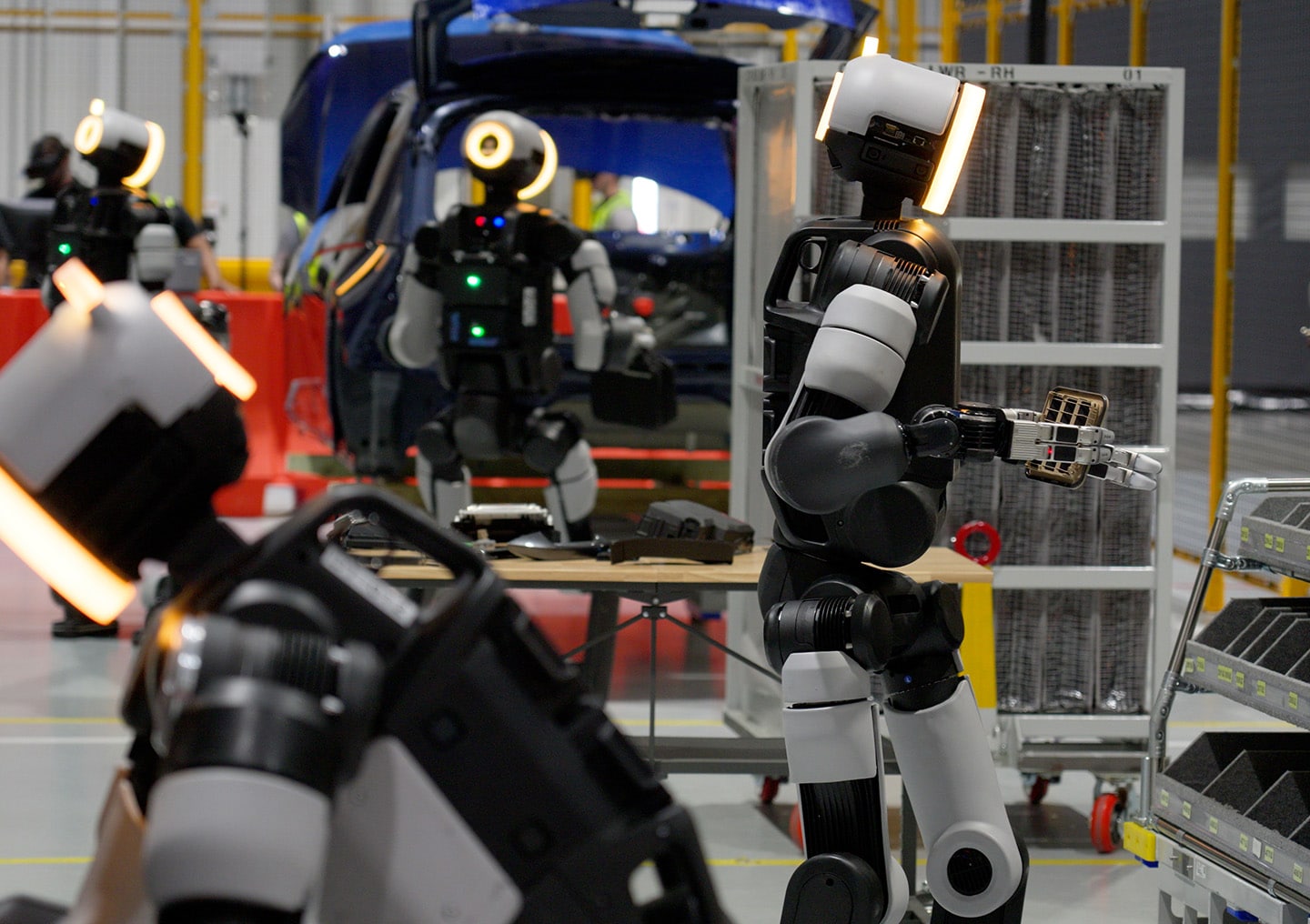
Digit 5's physical specifications read as substantial on their own terms, a new cycloidal-actuator leg design that lifts payload capacity by 40 percent to a repeatable 50 pounds, enough to cover single-person lift tasks under OSHA regulations, a 90-minute battery that recharges in nine minutes for a 10-to-1 work-to-charge ratio versus Digit 4's 2-to-1, and a taller reach of 7.2 feet built to access the same shelving humans use. But the more important story sits in how Agility is positioning those upgrades commercially: not as isolated performance gains, but as the hardware foundation for expanding a single Digit unit's job from the narrow tote-handling work that has defined Digit 4's three years of commercial deployment into a full facility workflow spanning depalletizing incoming goods, machine tending, kitting and sequencing, quality inspection, and palletizing outbound shipments. That is a materially different sales pitch than the current generation makes, one robot doing the work of several specialized automation systems across a facility's inbound-to-outbound flow, rather than one robot doing a single repetitive task exceptionally well.
Whether that expanded scope holds up as reliably as tote-handling has is the open question. Digit 4's roughly three years of deployment across customers including GXO, Schaeffler, Amazon, and Toyota Motor Manufacturing Canada, and its 100,000-tote milestone at GXO's Atlanta-area facility with approximately 98 percent on-task accuracy, is real, verifiable field performance built on a genuinely narrow task. Extending that same reliability bar across five or six different task categories inside one robot is a substantially harder integration and validation problem than Agility's launch materials acknowledge directly, and it is the gap between a company's demonstrated performance and its marketed capability that has repeatedly separated humanoid robotics winners from expensive disappointments industry-wide.
What This Means for a Fleet-Scale Buying Decision
More than US$300 million in multi-year customer orders, disclosed as of May 2026 and subject to contractual milestones, signals genuine commercial traction rather than speculative pilot interest, and Agility's plan to begin international deployment in the European Union and United Kingdom with CE-marked units by the end of 2027 is a concrete regulatory commitment a buyer can hold the company to. RoboFab, Agility's 70,000-square-foot Oregon assembly facility with a stated capacity of 10,000 Digit units annually, is the manufacturing scale-up a fleet buyer needs to see before treating any humanoid vendor as capable of a facility-wide rollout rather than a handful of showcase units. None of that changes the core diligence question this launch actually raises: a facility considering Digit 5 specifically for its barrier-removal promise should ask Agility for the exact scope and jurisdiction of the OSHA field evaluation its safety claims rest on, request evidence of how the safety architecture performs in a task mix beyond tote-handling, and treat the still-unfinished ANSI and ISO standards as the real finish line rather than assuming Agility's own safety case is equivalent to formal regulatory approval.
The next milestone worth tracking is not Digit 5's early-access date in the first half of 2027, but whether ANSI's R15.108 technical report and ISO's 25785-1 standard reach finalized form on anything close to that same timeline, since a robot whose safety architecture outpaces the regulatory framework meant to certify it is, by definition, still operating ahead of the rules that will eventually decide how widely barrier-free humanoid work can actually scale.
This analysis draws on Agility Robotics' public product announcement and statements from company and partner executives describing Digit 5's design and deployment plans. It is for general information purposes only and does not constitute investment, financial, or legal advice.
Hero image credit: Agility Robotics.